


What if doctors focused less on curing and more on keeping you safe and independent after a diagnosis?
Tertiary prevention kicks in once a disease or injury is already present.
It’s the care that stops problems from piling on.
It aims to prevent complications, preserve function, and cut down hospital visits by using rehab, regular follow up, medication tweaks, and team-based support.
This post explains how tertiary prevention works, why it matters, and what practical steps you or a loved one can expect.
Core Understanding of Tertiary Prevention

Tertiary prevention is what happens after you’ve already been diagnosed with a disease or injury. It’s about slowing things down, stopping complications before they start, and helping you keep the best quality of life possible even when you’re dealing with something chronic. It doesn’t try to prevent the disease in the first place or catch it early through screening. That ship has sailed. Instead, it steps in once the condition is real and does everything it can to limit the damage over time.
The goal? Pretty simple. Minimize suffering. Keep you out of the hospital. Stop secondary problems like kidney damage if you have diabetes or another stroke after the first. Support you in managing symptoms that aren’t going away. Tertiary prevention accepts that the disease is here, and it works to keep it from stealing more than it already has.
You’ll see this in action through things like rehab programs, chronic disease clinics, regular follow up visits, medication tweaks, therapy sessions, and patient education on living well despite your condition. It also means pulling together a team that might include specialists, physical therapists, dietitians, social workers, and others who address different pieces of your health puzzle.
What tertiary prevention actually does:
- Stops disease complications and secondary conditions from cropping up
- Brings back or maintains your physical, mental, and social function
- Cuts down how often and how hard your disease flares up
- Supports you in sticking with medications and managing things yourself
- Keeps long term follow up and monitoring going so new problems get caught fast
Goals and Functions of Tertiary Prevention in Healthcare

Tertiary prevention wants to make life with a chronic or permanent condition more livable. It reduces disability, keeps you independent, and prevents crises you can actually avoid. It does this by supporting disease control, offering rehab when you’ve lost function, and building systems that keep you stable for months or years. The work is ongoing, not one and done. Success looks like fewer hospital stays, better daily function, and a longer, more comfortable life.
One big goal is stopping complications that pile onto existing disease. If you have diabetes, tertiary prevention means regular eye exams to spot retinopathy before you lose vision, foot care education to prevent ulcers and amputations, and kidney monitoring to slow or delay dialysis. If you’re recovering from a heart attack, it’s cardiac rehab to strengthen your heart, lower the chance of it happening again, and get you confident about moving your body. None of this cures what you have. But it directly cuts down the harm.
Another key piece is keeping you functioning at the highest level you can. Stroke rehab helps survivors get back movement, speech, independence. COPD programs teach breathing techniques, offer pulmonary rehab, coordinate oxygen and medication to keep you out of the ER. Mental health programs focused on relapse prevention use therapy, med management, and crisis planning to help people with depression, bipolar disorder, or schizophrenia stay stable and connected to work, relationships, community. Tertiary prevention is deeply practical. It’s built around what you actually need to manage your condition every day and avoid setbacks that land you in the hospital or cost you your independence.
Key Examples of Tertiary Prevention

Tertiary prevention is everywhere in medicine, anywhere there’s long term disease or injury that needs ongoing care and support.
You’ll find it in:
- Cardiac rehab programs for people recovering from a heart attack or heart surgery. Monitored exercise, diet counseling, stress management, medication fine tuning.
- Stroke rehab with physical therapy, occupational therapy, speech therapy, and psychological support to restore movement, communication, independence.
- Chronic disease management for diabetes, including regular screening for eye, kidney, and nerve damage, insulin or medication adjustment, education on nutrition and glucose monitoring.
- COPD maintenance programs with pulmonary rehab, breathing exercises, inhaler training, and coordinated care to prevent flare ups and hospital trips.
- Mental health relapse prevention programs combining therapy, medication review, peer support, and crisis planning for people with chronic psychiatric conditions.
- Musculoskeletal therapy and pain management for conditions like rheumatoid arthritis or chronic back pain, helping you stay mobile and reduce long term disability.
These count as tertiary prevention because the disease or injury is already diagnosed and sitting in your life. The interventions don’t try to reverse it completely. They work to keep it from getting worse, causing new problems, or stealing your independence. A cardiac rehab program can’t undo a heart attack, but it drops your risk of a second one significantly. Diabetic retinopathy screening can’t cure diabetes, but it can save your vision by catching damage early enough to treat. That’s what defines tertiary prevention. Working within the reality of established disease to limit what comes next.
Distinguishing Tertiary Prevention from Primary and Secondary Prevention

Each level of prevention works at a different point in the disease timeline and uses different tactics. Getting clear on the differences helps you understand what tertiary prevention actually is and when it applies.
Primary prevention happens before any disease shows up. It’s trying to stop illness or injury from ever happening by removing risk factors, promoting healthy behavior, or building resistance. Think vaccinations to prevent infection, seatbelt laws to reduce crash injuries, smoking cessation programs to lower lung cancer risk, workplace safety measures to avoid chemical exposure. The target is a healthy population. The action happens upstream, before disease even gets a foothold.
Secondary prevention is all about early detection in people who don’t have symptoms yet. It uses screening tests to catch disease in its earliest, most treatable stage, before it’s done noticeable damage. Mammograms to detect breast cancer before you feel a lump, colonoscopies to find precancerous polyps, blood pressure checks to identify hypertension before stroke or heart disease sets in, cholesterol screening to guide early treatment. The target is people without symptoms but at risk. The goal is to stop or reverse disease progression through early intervention.
| Prevention Level | Main Focus | Example Intervention |
|---|---|---|
| Primary | Stop disease before it starts | Vaccination, seatbelt laws, smoking prevention programs |
| Secondary | Detect and treat early, before symptoms appear | Mammograms, colonoscopy, blood pressure screening |
| Tertiary | Manage established disease to prevent complications and maintain function | Cardiac rehab, diabetes complication screening, stroke rehabilitation |
Implementation Strategies for Effective Tertiary Prevention

Tertiary prevention takes more than showing up for appointments now and then. It’s about building systems that support you over time, coordinate care across providers, and respond when problems crop up before they turn into crises.
One core strategy is using multidisciplinary care teams. A patient recovering from a stroke might work with a neurologist, physical therapist, occupational therapist, speech therapist, dietitian, pharmacist, and social worker. Each person tackles a different piece of recovery and function. Regular team meetings, shared care plans, and clear communication make sure nothing slips through. In chronic disease management, a nurse care coordinator often becomes your main contact, helping schedule appointments, answer questions, track medication refills, and remind you about upcoming screenings.
Long term monitoring and patient education matter just as much. You need to understand your condition, spot warning signs of complications, know when to get help, and feel confident handling daily tasks like checking blood sugar, using inhalers correctly, or following a low sodium diet. Structured self management programs teach these skills in groups or one on one, often mixing education with peer support. Digital health tools, telehealth check ins, remote monitoring devices, and patient portals let clinical teams reach further, catch problems earlier, and cut down on in person visits when you’re stable.
Key steps for putting tertiary prevention into practice:
- Set up a personalized care plan with realistic goals, scheduled follow ups, and clear roles for each team member.
- Give patient education and self management support, including training on medication use, symptom tracking, and when to call for help.
- Use regular monitoring and proactive outreach, like monthly check ins, remote vital sign tracking, or post discharge calls to catch issues early.
- Coordinate referrals and services across settings, linking you to rehab centers, mental health counselors, transportation help, and community resources as needed.
Healthcare Settings and Professionals Involved in Tertiary Prevention
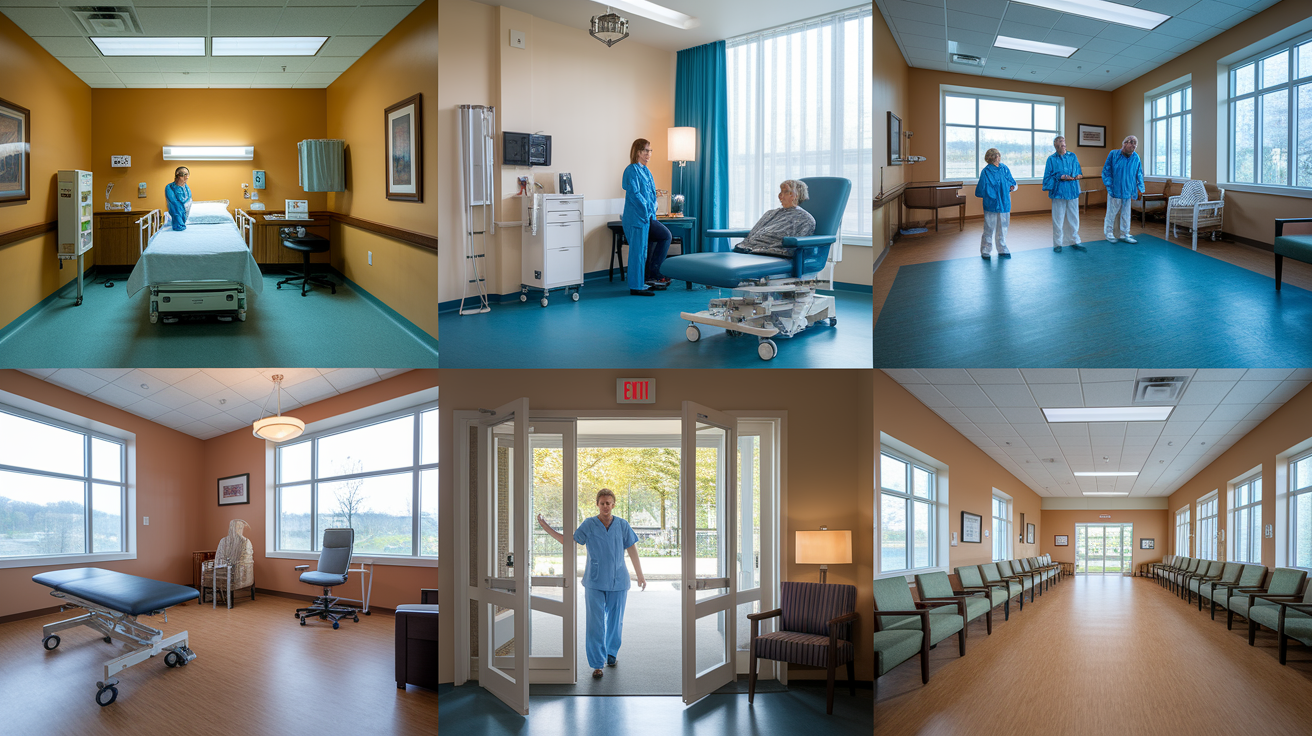
Tertiary prevention happens in hospitals, but most of the work takes place outside them. Outpatient specialty clinics manage chronic diseases like heart failure, COPD, and multiple sclerosis through regular visits, testing, and medication adjustments. Rehab centers provide intensive therapy after stroke, spinal cord injury, or major surgery, helping you regain movement, strength, and independence before going home. Home care programs bring nursing, physical therapy, and medical equipment to your house, especially if you have trouble traveling or need frequent monitoring.
Long term care facilities and assisted living communities deliver ongoing tertiary prevention for older adults or people with disabilities. Medication management, wound care, fall prevention programs, coordination with specialists. Community health centers and federally qualified health centers often run chronic disease management programs for underserved populations, tackling not just medical needs but also barriers like transportation, food access, and housing stability that affect long term health.
The professionals involved in tertiary prevention include:
- Physicians, both primary care doctors and specialists, who diagnose, prescribe, and oversee long term treatment plans
- Nurses and nurse practitioners who provide education, monitor symptoms, coordinate care, and handle day to day patient contact
- Physical, occupational, and speech therapists who restore function, teach adaptive techniques, and prevent decline after injury or during chronic illness
- Dietitians and nutritionists who create eating plans tailored to conditions like diabetes, kidney disease, or heart failure
- Mental health professionals, including psychologists, counselors, and social workers, who address depression, anxiety, adjustment to disability, and psychosocial barriers to care
Evidence Based Outcomes and Real World Impact

Research keeps showing that tertiary prevention cuts hospital readmissions, lowers healthcare costs, and improves your ability to live independently. Cardiac rehab, for example, has been studied extensively and shows a real reduction in the risk of death and recurrent heart attacks among people who complete it. Patients who finish a structured cardiac rehab program also report better physical fitness, less anxiety and depression, and more confidence in managing their heart condition.
Diabetes management programs that include regular complication screening, medication adjustments, and patient education have been shown to reduce rates of blindness from retinopathy, lower the number of amputations, and delay progression to kidney failure. Stroke rehab programs improve motor function, communication skills, and activities of daily living, allowing many survivors to return home instead of moving to long term care. COPD programs that combine pulmonary rehab with medication optimization and self management training reduce ER visits and hospitalizations, helping you stay out of crisis and breathe better day to day.
Beyond individual conditions, tertiary prevention saves money by preventing the most expensive outcomes. Hospital admissions, emergency care, long term disability. One analysis of chronic care management services in Medicare found an average healthcare cost reduction of $2,457 per patient per year and a hospitalization cost reduction of $889 per patient per year. These savings come from fewer complications, better medication adherence, earlier detection of problems, and coordinated follow up that keeps small issues from turning urgent.
| Condition | Tertiary Intervention | Documented Outcome |
|---|---|---|
| Post–myocardial infarction | Cardiac rehabilitation program | Reduced mortality and recurrent heart attack rates |
| Diabetes | Complication screening and chronic disease management | Lower rates of blindness, amputation, and kidney failure |
| Stroke | Multidisciplinary rehabilitation | Improved motor function, communication, and independence |
Final Words
Putting it into practice: tertiary prevention helps reduce complications and keep people functioning well after a diagnosis. It’s about long-term care, rehab, and managing problems before they get worse.
This article showed what tertiary prevention means, its main goals, clear examples, how it differs from earlier prevention, ways to put it into practice, where it happens, and the outcomes you can expect.
Tertiary prevention in healthcare is team-based and practical. With the right plans, people often stay healthier and more independent.
FAQ
Q: What is an example of tertiary prevention in healthcare?
A: An example of tertiary prevention in healthcare is cardiac rehabilitation after a heart attack, which restores function, prevents complications, and reduces readmissions through supervised exercise, education, and ongoing follow-up.
Q: What are the 4 levels of prevention in healthcare?
A: The four levels of prevention in healthcare are primary (prevent disease), secondary (early detection and treatment), tertiary (manage disease to prevent complications), and quaternary (avoid unnecessary or harmful care).
Q: What’s the difference between secondary prevention and tertiary prevention?
A: The difference between secondary prevention and tertiary prevention is timing and goal: secondary finds and treats disease early to stop progression, while tertiary manages established disease to limit complications and restore function.
Q: What are tertiary prevention programs?
A: Tertiary prevention programs are organized services—like cardiac rehab, stroke rehab, chronic disease clinics, and mental health relapse-prevention—that provide long-term care, rehabilitation, complication prevention, and self-management support.