


Worried a cough means you must avoid all medicines while you’re pregnant?
You’re not alone, many people freeze up at the first cough, unsure what’s safe.
Treating cough in pregnancy doesn’t have to be risky.
This post shows safe home remedies that work, explains which over-the-counter options are commonly used with provider approval, and points out warning signs that need same-day care so you can rest, sleep through the night, and know when to call your clinician.
Essential Guidance for Safely Treating Cough While Pregnant

A cough during pregnancy can feel more exhausting than usual. And the uncertainty about which remedies are safe? That adds stress when you’re already managing nausea, fatigue, or breathlessness.
Most pregnancy coughs stem from viral upper respiratory infections that resolve in 7 to 10 days. Other common triggers include seasonal allergies, asthma flare-ups, or acid reflux pushing irritants into your throat at night. Less commonly, infections such as pertussis or pneumonia may be the cause. Understanding what’s behind your cough helps you choose the right treatment and know when to contact your provider.
Safe first-line measures that don’t require a prescription include honey, humidification, saline rinses, warm fluids, steam inhalation, and saltwater gargles. For example, a tablespoon of honey at bedtime can soothe throat irritation and reduce nighttime cough. “Whenever my cough kept me up, a spoonful of honey mixed into warm decaf tea gave me at least a few hours of sleep.” Running a cool-mist humidifier overnight, aiming for indoor humidity around 40 to 50 percent, loosens mucus and calms airway irritation. Saline nasal spray or a gentle saline rinse (using only sterile or distilled water) can be used daily to clear postnasal drip.
Steam inhalation for 5 to 10 minutes a few times a day opens congested passages. Breathing over a bowl of hot water or standing in a steamy shower works well. Just take care to avoid burns by keeping your face a safe distance from very hot water. Saltwater gargles, mixing a quarter to a half teaspoon of salt in 8 ounces of warm water several times a day, ease throat soreness and help wash away mucus.
When home remedies don’t provide enough relief, certain over-the-counter medications are commonly used during pregnancy after confirming with your provider. Dextromethorphan, a cough suppressant, is typically dosed at 10 to 20 mg every 4 hours, with a usual maximum of around 120 mg in 24 hours. Guaifenesin, an expectorant that thins mucus, is often taken as 200 to 400 mg every 4 hours, up to 2,400 mg daily. Acetaminophen for fever or body aches is dosed at 325 to 650 mg every 4 to 6 hours. Many clinicians recommend staying under 3,000 mg in a day during pregnancy and using the lowest dose that works. Always check with your obstetric provider before starting any medication, especially in the first trimester.
Top remedies that are generally safe to try at home:
- 1 tablespoon of honey at bedtime or as needed
- Cool-mist humidifier running during sleep
- Saline nasal spray or sterile saline rinse daily
- Steam inhalation for 5 to 10 minutes several times a day
- Saltwater gargle with 1/4 to 1/2 teaspoon salt in 8 ounces of warm water, repeated as needed
Red flags that mean you should seek medical care right away include fever of 100.4°F or higher, shortness of breath, chest pain, wheezing, coughing up blood or thick green or yellow sputum that’s worsening, a cough that lasts longer than 2 weeks, or any decrease in your baby’s movement if you’re far enough along to feel kicks regularly.
Understanding Causes of Pregnancy-Related Cough

Most coughs in pregnancy are triggered by the same viral upper respiratory infections everyone catches, such as the common cold or seasonal flu. These viral illnesses typically last 7 to 10 days, starting with a scratchy throat or nasal congestion and then developing into a cough as mucus drains down the back of your throat or your airways react to the infection. Pregnancy causes mild swelling of mucous membranes throughout your body, including your nose and throat. Even a mild cold can feel more congested and linger a bit longer than it did before you were pregnant.
Allergies are another frequent cause, especially if you notice the cough is worse around certain triggers like pollen, dust, or pet dander. Seasonal allergic rhinitis produces postnasal drip, where mucus runs down the back of your throat and tickles your airway, causing you to cough to clear it. Acid reflux worsens during pregnancy as your growing uterus presses upward on your stomach. That can send small amounts of stomach acid into your esophagus and throat, particularly when you lie down at night. The burning or irritation triggers a dry, hacking cough that often wakes you up or gets worse after meals.
Asthma that was well controlled before pregnancy may flare during pregnancy due to hormonal shifts, respiratory infections, or exposure to irritants. If you have a history of asthma and notice wheezing, tightness in your chest, or cough that doesn’t respond to the usual home measures, contact your provider to adjust your inhaler regimen. Less common but more serious causes include pertussis, also called whooping cough, which produces long coughing fits followed by a high-pitched intake of breath. Bacterial pneumonia often causes fever, chest pain, productive cough with discolored sputum, and shortness of breath. Any cough accompanied by high fever, difficulty breathing, or worsening symptoms after a few days should prompt a same-day call to your obstetric or urgent-care provider.
Safe Home Remedies for Treating Cough in Pregnancy

Home remedies are the safest starting point for most pregnancy coughs because they carry no medication risk and address the root irritation directly. Honey is one of the simplest and most effective options. A tablespoon taken straight or stirred into warm decaf tea coats your throat, reduces inflammation, and has natural antimicrobial properties. Many people find that taking honey right before bed cuts down nighttime coughing enough to get a few solid hours of sleep. Warm fluids in general, whether herbal tea with lemon, warm water with a squeeze of fresh ginger, or plain broth, keep your throat moist and help thin mucus so it’s easier to clear.
Humidification and steam work by adding moisture to the air and your airways, which soothes irritated tissues and loosens thick mucus. A cool-mist humidifier running in your bedroom overnight is particularly helpful. Aim for indoor humidity around 40 to 50 percent and clean the humidifier every 2 to 3 days to prevent mold or bacterial growth. Brief steam inhalation works well too. Lean over a bowl of hot water with a towel draped over your head or stand in a hot shower for 5 to 10 minutes. This opens nasal passages and calms cough. Saline nasal spray or a saline rinse using a neti pot or squeeze bottle flushes out mucus and allergens. Always use sterile, distilled, or previously boiled and cooled water to avoid introducing bacteria. Saline is safe to use as often as you need it throughout pregnancy.
Additional simple remedies to layer into your routine:
- Saltwater gargles: mix 1/4 to 1/2 teaspoon of salt in 8 ounces of warm water and gargle several times a day to soothe throat irritation.
- Elevate your head: sleep with an extra pillow or two to reduce postnasal drip and acid reflux, both of which worsen cough when lying flat.
- Ice chips or sugar-free throat lozenges: sucking on these keeps your throat moist and provides temporary numbing or cooling relief.
- Small, frequent sips of water: staying well hydrated thins mucus and supports your immune system. Aim for clear or pale-yellow urine.
- Rest: your body needs energy to fight infection, so give yourself permission to slow down and nap when possible.
- Gentle movement: short, slow walks can help clear mucus and improve breathing, but stop if you feel dizzy or short of breath.
- Fresh air in moderation: briefly cracking a window for air exchange twice a day can improve indoor air quality, especially in winter when heating dries out the air.
Using Steam and Humidification Safely in Pregnancy
Steam inhalation is safe and effective, but take precautions to avoid burns. If you use a bowl of hot water, place it on a stable surface, lean over it from a comfortable distance, and drape a towel over your head to trap the steam. Never bring your face so close that the heat feels painful. A warm shower is often easier and safer, letting you breathe in the moist air without the burn risk. Clean your humidifier’s water reservoir every 2 to 3 days and replace filters as directed by the manufacturer to prevent mold, bacteria, or mineral dust from being released into the air you breathe. That can actually worsen respiratory irritation.
Over-the-Counter Options Considered Safer for Pregnant Women
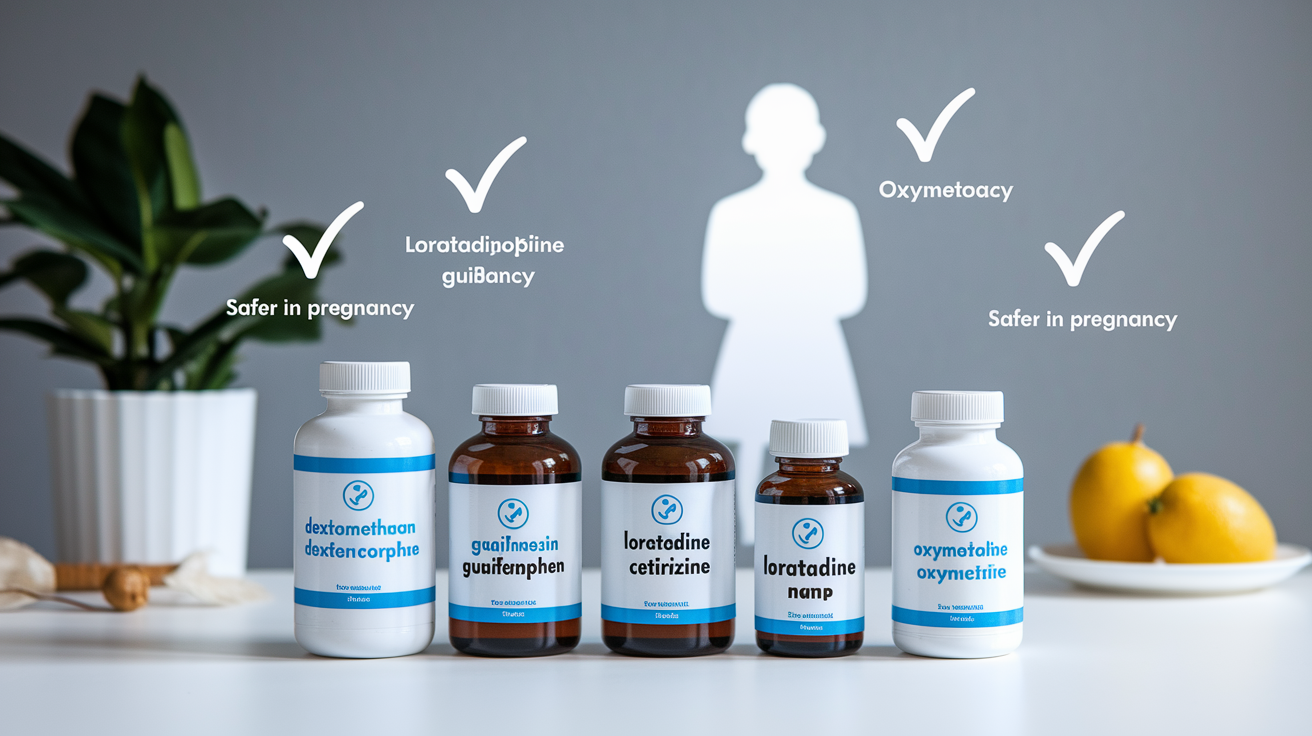
When home remedies alone don’t bring enough relief, certain over-the-counter medications have been used widely in pregnancy and are generally considered acceptable after the first trimester and with your provider’s confirmation. Single-ingredient products are safer than combination cold formulas because they let you target the specific symptom you need to treat without exposing your baby to extra medications you don’t need. Always read labels carefully, check the active ingredient and dose, and confirm with your obstetric provider or pharmacist before taking anything, especially if you’re in your first trimester or have underlying conditions like high blood pressure, heart disease, or diabetes.
Dextromethorphan is a cough suppressant found in many over-the-counter syrups and lozenges. The typical adult dose is 10 to 20 mg every 4 hours as needed, with a usual maximum of around 120 mg in 24 hours. It works by quieting the cough reflex in your brain and is commonly used during pregnancy, though data in the first trimester are more limited. Guaifenesin is an expectorant that helps thin and loosen mucus so you can cough it up more easily. The usual dose is 200 to 400 mg every 4 hours, up to 2,400 mg per day. Guaifenesin works best when you drink plenty of water alongside it. Acetaminophen is the preferred pain reliever and fever reducer in pregnancy. Typical dosing is 325 to 650 mg every 4 to 6 hours as needed, and many providers recommend a daily maximum of 3,000 mg to minimize any risk, using the lowest effective dose.
For allergy-related cough and congestion, second-generation antihistamines such as loratadine and cetirizine are commonly recommended because they cause less drowsiness and have reassuring safety profiles. First-generation antihistamines like chlorpheniramine are also used but may make you sleepier. Diphenhydramine can help at night if cough is keeping you awake, but expect next-day grogginess. Nasal saline spray is safe anytime and can be used alongside antihistamines. Oxymetazoline nasal spray, a decongestant, provides fast relief but should be limited to 3 consecutive days or less to avoid rebound congestion, where your nasal passages swell even more once you stop.
| Medication | Purpose | Pregnancy Considerations |
|---|---|---|
| Dextromethorphan | Cough suppressant | Generally considered safe as directed; typical dose 10–20 mg every 4 hours, max ~120 mg/day. Confirm with provider, especially in first trimester. |
| Guaifenesin | Expectorant to thin mucus | Commonly used; 200–400 mg every 4 hours, max 2,400 mg/day. Drink plenty of water. Limited first-trimester data—discuss with clinician. |
| Acetaminophen | Pain and fever relief | Preferred over NSAIDs; 325–650 mg every 4–6 hours, commonly recommended max 3,000 mg/day. Use lowest effective dose. |
| Loratadine / Cetirizine | Allergy relief, reduce postnasal drip | Second-generation antihistamines with reassuring safety profiles; typically one tablet daily as directed on package. |
| Oxymetazoline nasal spray | Nasal decongestant | Short-term use only—limit to 3 consecutive days to avoid rebound congestion. Safe when used briefly. |
| Menthol rubs (topical) | Chest or throat comfort | External application per label is acceptable; do not ingest. Provides soothing sensation and may ease breathing. |
Avoid multi-ingredient “all-in-one” cold and cough syrups, especially those combining a decongestant, antihistamine, cough suppressant, and pain reliever in a single dose. These products make it easy to accidentally double up on an active ingredient if you also take another medication, and they expose you to drugs you may not need. Stick to single-symptom products and use them one at a time as directed.
Medications to Avoid or Use With Caution During Pregnancy Cough Treatment
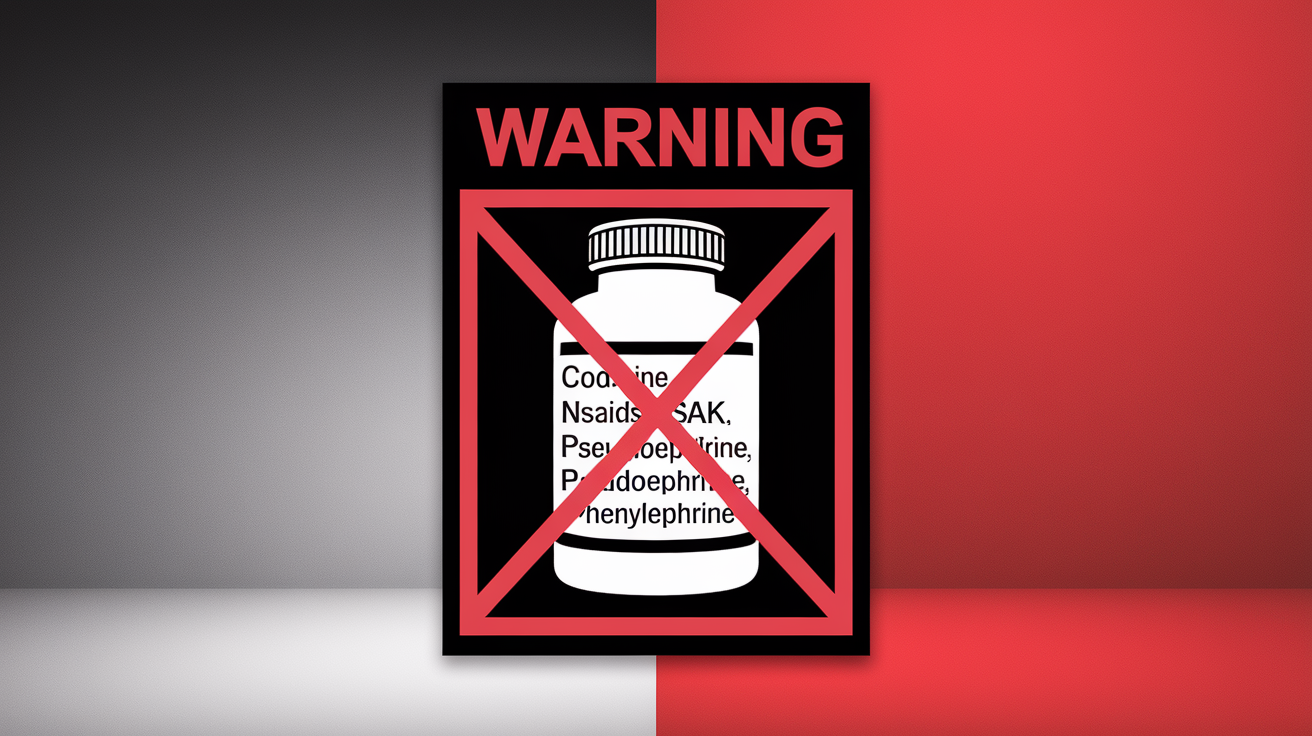
Certain over-the-counter and prescription cough medications pose risks during pregnancy and should be avoided unless a specialist has evaluated your specific situation and decided the benefit outweighs the risk. Codeine and other opioid-based cough syrups, sometimes prescribed for severe cough, carry a risk of neonatal respiratory depression and withdrawal symptoms if used late in pregnancy or regularly. Unless your provider specifically prescribes an opioid cough medicine and monitors you closely, choose non-opioid options.
Nonsteroidal anti-inflammatory drugs such as ibuprofen and naproxen should be avoided, especially after 20 weeks of pregnancy, because they can affect fetal kidney function and circulation and may increase the risk of complications near delivery. Stick with acetaminophen for pain and fever. Oral decongestants also require caution. Pseudoephedrine has been studied and may be considered after the first trimester in some cases, but avoid it entirely in the first 12 weeks due to a possible association with abdominal wall defects. Don’t use it if you have high blood pressure or certain heart conditions. Phenylephrine, another oral decongestant, has weaker evidence of effectiveness and less reassuring pregnancy data, so it’s generally best avoided.
Over-the-counter products and ingredients to avoid or use only with explicit provider guidance:
- Codeine-containing cough syrups (risk of neonatal respiratory depression and withdrawal)
- Multi-ingredient combination cold formulas (risk of doubling active ingredients and unnecessary exposures)
- NSAIDs such as ibuprofen or naproxen, especially after 20 weeks (fetal circulation and kidney risks)
- Pseudoephedrine in the first trimester or if you have hypertension (possible birth defect association early; blood pressure concerns later)
- Phenylephrine (limited effectiveness and safety data)
- Herbal remedies without clear pregnancy safety evidence, such as licorice root, which can raise blood pressure, or high-dose zinc and vitamin C, which may cause stomach upset without proven benefit for shortening illness
Benzonatate, a prescription cough suppressant, lacks strong safety data in pregnancy, so your provider will likely prefer dextromethorphan or other options with more experience. Always tell your pharmacist and provider you’re pregnant so they can double-check any prescription or over-the-counter recommendation against your trimester and medical history.
Trimester-Specific Considerations in Treating Pregnancy Cough
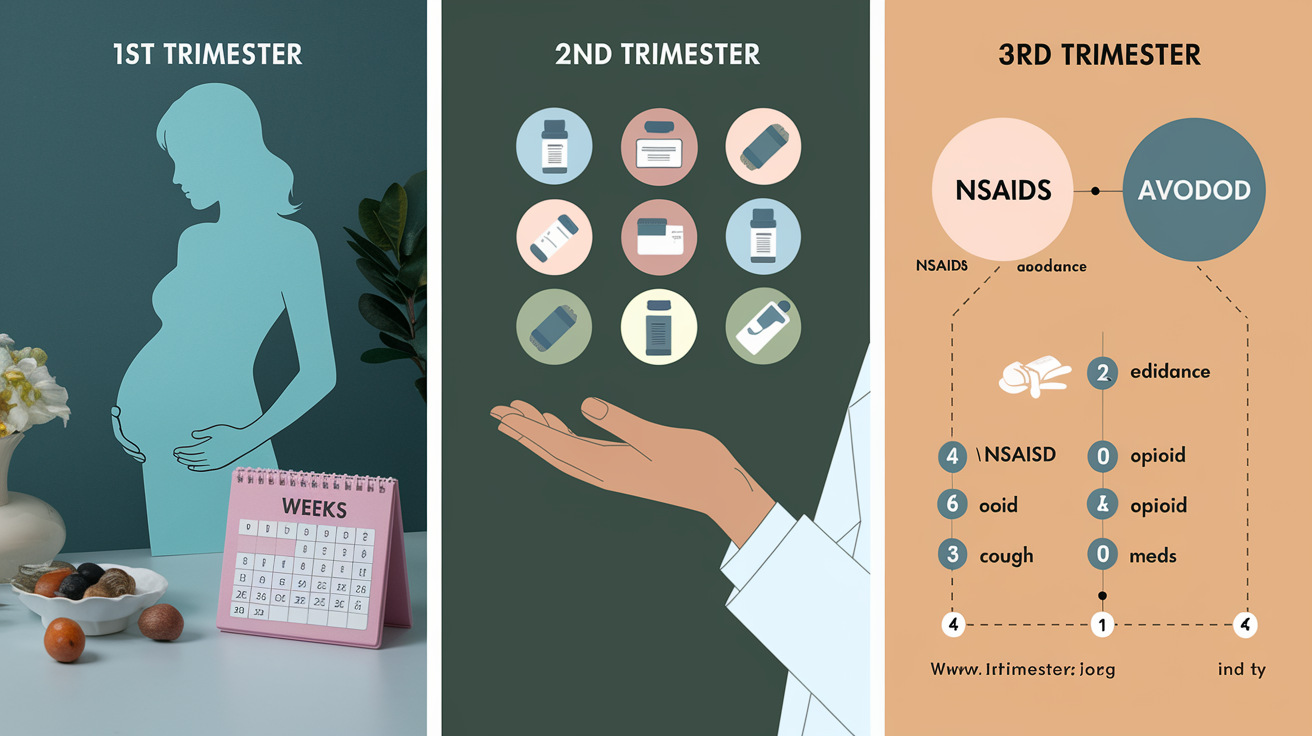
The safety window for medications shifts as your pregnancy progresses, and understanding trimester-specific guidance helps you make informed choices. During the first trimester, roughly the first 12 weeks, your baby’s major organs are forming, so most providers recommend avoiding all nonessential medications whenever possible. This is the time to rely heavily on home remedies: honey, fluids, humidifiers, saline rinses, and rest. If you do need a medication, call your provider first. Oral decongestants like pseudoephedrine are generally avoided in the first trimester due to a small but concerning association with abdominal wall defects in some studies.
In the second trimester, the risk window for major structural defects has largely passed, and many over-the-counter options become more acceptable. Dextromethorphan, guaifenesin, acetaminophen, and second-generation antihistamines are commonly used during this period after confirming with your provider. You’ll still want to use the lowest effective dose for the shortest time needed and continue home measures as your foundation. This is also a good time to make sure your flu and Tdap vaccinations are up to date, as preventing illness is always safer than treating it.
The third trimester brings new considerations. Avoid NSAIDs like ibuprofen entirely during this period because they can cause problems with your baby’s circulation, particularly affecting the ductus arteriosus, a blood vessel that should stay open until birth. Opioid cough medications are also avoided late in pregnancy due to the risk of respiratory depression in the newborn and withdrawal symptoms after delivery. Acid reflux often worsens as your uterus grows and presses on your stomach, so reflux-related nighttime cough becomes more common. Elevating the head of your bed, eating smaller meals, and using safe antacids like calcium carbonate can help. If imaging such as a chest X-ray is needed to rule out pneumonia, it can be done safely with fetal shielding, so don’t delay necessary diagnostic tests out of fear.
Treating Cough in Pregnancy When Related to Infections

Certain infections require prompt medical attention and specific treatments that go beyond home remedies and over-the-counter medications. Influenza, commonly called the flu, is more likely to cause serious complications during pregnancy, including pneumonia, preterm labor, and hospitalization. If you develop sudden fever, body aches, fatigue, and cough during flu season, contact your provider immediately. Antiviral medication, typically oseltamivir dosed at 75 mg twice daily for 5 days, is most effective when started within 48 hours of symptom onset and is considered safe and strongly recommended for pregnant patients with suspected or confirmed flu.
Pertussis, or whooping cough, is a highly contagious bacterial infection that causes severe, prolonged coughing fits, sometimes followed by a whooping sound when you try to catch your breath. If you’ve been exposed to pertussis or develop symptoms, your provider will likely prescribe a macrolide antibiotic such as azithromycin, commonly given as 500 mg on day one followed by 250 mg daily for four more days. The Tdap vaccine, which protects against tetanus, diphtheria, and pertussis, is recommended during every pregnancy between 27 and 36 weeks to pass protective antibodies to your baby before birth. If you develop pneumonia, your provider may order a chest X-ray with fetal shielding and prescribe antibiotics. Common safe choices include amoxicillin and azithromycin, depending on the suspected bacteria.
COVID-19 and respiratory syncytial virus are also circulating widely in many communities. If you test positive for COVID-19 and have risk factors or moderate to severe symptoms, antiviral treatments may be offered. RSV vaccines are now available for pregnant people between 32 weeks 0 days and 36 weeks 6 days during RSV season, or your baby can receive protective antibody treatment shortly after birth. Always keep your provider informed about respiratory symptoms, especially if you have underlying conditions like asthma, diabetes, or heart disease, which increase your risk of complications from infections.
Signs that your cough may be infection-related and requires urgent medical evaluation:
- Fever of 100.4°F or higher that doesn’t respond to acetaminophen
- Sudden onset of body aches, fatigue, and cough during flu season
- Severe, repetitive coughing fits that leave you gasping for air or cause vomiting
- Coughing up thick green, yellow, or blood-tinged sputum with worsening symptoms
Managing Cough Linked to Asthma, Allergies, or Reflux During Pregnancy

Chronic conditions like asthma, seasonal allergies, and gastroesophageal reflux disease often trigger or worsen cough during pregnancy, and each requires targeted management that goes beyond treating a simple cold. If you have asthma, staying on your prescribed controller medications, particularly inhaled corticosteroids such as budesonide, is essential throughout pregnancy. These medications are considered safe and far less risky than uncontrolled asthma, which can reduce oxygen to your baby and increase the risk of preterm birth and low birth weight. If you notice increased wheezing, chest tightness, shortness of breath, or nighttime cough, contact your provider promptly to adjust your treatment plan rather than waiting for symptoms to worsen.
Allergy-related cough usually comes with other symptoms like sneezing, itchy or watery eyes, and clear nasal drainage. Allergen avoidance is the safest first step: keep windows closed during high pollen days, use air conditioning with a clean filter, wash bedding in hot water weekly to reduce dust mites, and keep pets out of your bedroom if pet dander is a trigger. When avoidance isn’t enough, second-generation antihistamines such as loratadine or cetirizine are commonly recommended because they’re effective and have reassuring safety data. Saline nasal rinses used once or twice daily can flush out allergens and reduce postnasal drip without any medication exposure.
Acid reflux, which affects up to half of pregnant people, sends stomach acid into the esophagus and throat, especially when you lie down at night, causing a dry, irritating cough. Over-the-counter calcium carbonate antacids like Tums or Rolaids are generally safe for short-term use and provide quick relief. If antacids aren’t enough, your provider may suggest an H2 blocker such as famotidine. Lifestyle adjustments often make a big difference: eat smaller, more frequent meals instead of three large ones, avoid eating within 2 to 3 hours of bedtime, skip acidic or spicy foods and caffeine, and sleep with your head elevated on an extra pillow or by raising the head of your bed a few inches.
Adjusting Daily Habits to Reduce Chronic Cough
Small changes in your daily routine can add up to significant relief for cough related to asthma, allergies, or reflux. For reflux-related cough, try eating your largest meal at midday rather than dinner, and consider spacing out your prenatal vitamin to earlier in the day if it seems to worsen nausea or reflux at night. For allergy-triggered cough, shower and wash your hair before bed to rinse off pollen, and change your pillowcase frequently. If asthma worsens with exercise or cold air, switch to indoor activity on high-pollen or very cold days, and always keep your rescue inhaler with you. Tracking when your cough is worst, time of day, after meals, around certain places or activities, can help you and your provider pinpoint triggers and adjust your treatment plan effectively.
When a Pregnant Woman Should Call a Doctor About a Cough

Most coughs improve with home care and time, but certain symptoms signal that you need medical evaluation to rule out complications or infections that require treatment. Fever is one of the clearest red flags: any temperature of 100.4°F or higher should prompt a call to your provider, especially if the fever doesn’t come down with acetaminophen or if it’s accompanied by shaking chills. Fever during pregnancy can indicate influenza, pneumonia, or another infection that needs prompt treatment to protect both you and your baby.
Shortness of breath, wheezing, chest pain, or rapid breathing are urgent warning signs. Pregnancy already increases your heart rate and can make you feel slightly breathless, especially in the third trimester, but new or worsening difficulty breathing, pain when you breathe deeply, or a feeling that you can’t get enough air requires immediate medical attention. Coughing up blood, even small streaks, or thick green or yellow sputum that’s getting worse rather than better over a few days, also warrants a same-day call or visit. A cough that lasts longer than 2 weeks without improvement, or that starts to improve and then suddenly gets worse again, may indicate a secondary bacterial infection or an underlying condition that needs evaluation.
Call your obstetric provider or seek same-day care if you notice any of these:
- Fever of 100.4°F or higher, or fever that doesn’t respond to acetaminophen
- Shortness of breath, chest pain, wheezing, or rapid breathing
- Coughing up blood or sputum that’s thick, green, or yellow and worsening
- Cough lasting more than 2 weeks or symptoms that improve then suddenly worsen
- Severe, prolonged coughing fits that leave you gasping or cause vomiting
- Decreased fetal movement or any concern about your baby’s well-being while you’re sick
- Symptoms suggesting flu during flu season, especially if you haven’t yet received antiviral treatment
If you experience severe trouble breathing, confusion, uncontrolled high fever with shaking chills, or chest pain, go to the emergency room or call 911 immediately. Don’t wait or worry about whether your symptoms are “serious enough.” It’s always safer to check.
Safe Daily Habits to Improve Respiratory Health During Pregnancy

Prevention and daily health habits can reduce your risk of developing a cough and help you recover faster when illness does strike. One of the most important steps you can take is to avoid smoking and secondhand smoke. Smoking during pregnancy increases the risk of respiratory infections, worsens cough, and harms fetal development. Secondhand smoke has similar effects. If you smoke, talk to your provider about safe cessation resources. Ask household members to smoke outside and away from you, and avoid indoor spaces where people are smoking.
Maintaining good indoor air quality supports respiratory health throughout pregnancy. Run a cool-mist humidifier to keep indoor humidity around 40 to 50 percent, especially during winter when heating systems dry out the air and irritate airways. Clean the humidifier every 2 to 3 days to prevent mold and bacteria growth. Open windows briefly twice a day, even in winter, to allow fresh air to circulate and reduce indoor pollutants. Avoid strong chemical cleaners, air fresheners, and scented candles that can irritate your lungs. Choose fragrance-free or naturally scented products when possible.
Simple daily habits that support respiratory health and reduce cough risk:
- Wash your hands with soap and water for 20 seconds, especially after being in public, before eating, and after using the restroom
- Stay up to date on vaccinations, including annual flu vaccine and COVID-19 vaccine, which are safe and recommended during pregnancy
- Drink water throughout the day, aiming for pale-yellow or clear urine as a hydration target
- Take short, gentle walks or do light stretching to support lung function and circulation, stopping if you feel dizzy or short of breath
- Get adequate rest and manage stress, as fatigue and stress weaken your immune system and make you more susceptible to infection
Final Words
Use simple, safe steps first: honey at bedtime, saline sprays, a clean humidifier, steam for 5–10 minutes, warm fluids, and extra hydration. Try OTC options as directed if needed, but stick to single‑ingredient products and the dosing your clinician approves.
Watch for red flags: fever ≥100.4°F, shortness of breath, chest pain, blood in sputum, or a cough lasting more than 2 weeks. Seek urgent care for breathing trouble.
When treating cough in pregnancy these measures often help, and your clinician can tailor the next steps so you and your baby stay well.
FAQ
Q: What are safe first-line treatments for a cough during pregnancy?
A: Safe first-line treatments for a cough during pregnancy are gentle home measures: honey at bedtime, humidifiers, saline spray, steam inhalation, saltwater gargles, and extra fluids before trying medicines.
Q: Which over-the-counter cough medicines are considered safer in pregnancy and what are dosing limits?
A: Safer OTC options in pregnancy include dextromethorphan (10–20 mg every 4 hours, max 120 mg/day) and guaifenesin (200–400 mg every 4 hours, max 2,400 mg/day); avoid multi-ingredient syrups and consult your clinician.
Q: What home remedies help a cough while pregnant?
A: Home remedies for a pregnant cough include 1 tablespoon honey at bedtime, saline nasal spray, saltwater gargles, warm decaf tea with lemon or ginger, steam for 5–10 minutes, and head elevation at night.
Q: What commonly causes a cough during pregnancy and how long do viral coughs usually last?
A: Common causes of cough in pregnancy are viral infections (usually 7–10 days), allergies with postnasal drip, reflux, asthma flare-ups, or less commonly pertussis and pneumonia, which need evaluation.
Q: When should I call a doctor about a cough while pregnant?
A: You should call a doctor if your cough comes with fever ≥100.4°F, shortness of breath, chest pain, coughing blood, green/yellow mucus, cough lasting over 2 weeks, or decreased fetal movement.
Q: Which medications or remedies should be avoided or used with caution for cough in pregnancy?
A: Avoid codeine/opioid syrups, multi‑ingredient cough products, NSAIDs after 20 weeks, phenylephrine, and early pregnancy pseudoephedrine; avoid herbal agents like licorice root and use caution with benzonatate.
Q: How should I manage a cough caused by allergies, asthma, or reflux during pregnancy?
A: Manage allergy, asthma, or reflux cough by using prescribed inhalers (budesonide preferred), loratadine or cetirizine for allergies, saline irrigation for postnasal drip, smaller meals, and head elevation for reflux.
Q: Are there trimester-specific rules for treating a cough during pregnancy?
A: Trimester-specific care: first trimester avoid nonessential meds and many decongestants; second trimester allows more OTC options with clinician approval; third trimester avoid NSAIDs and opioids and watch reflux.
Q: When is a cough likely due to an infection and how is it treated in pregnancy?
A: A cough suggests infection if fever, productive sputum, or exposure occurs; flu needs prompt oseltamivir (75 mg twice daily × 5 days), pertussis treated with macrolides, and pneumonia may require antibiotics like amoxicillin or azithromycin.
Q: What daily habits can improve respiratory health during pregnancy?
A: Daily habits to improve respiratory health in pregnancy include avoiding smoke exposure, keeping indoor humidity around 40–50%, short regular walks, staying well hydrated, and briefly ventilating rooms for fresh air.