


Think a cough is harmless? It can leave your chest and throat sore with each hard breath, and that pain is more than annoying.
Every cough forces air and pressure through your airways, which can strain chest muscles, rub inflamed throat tissue, or flare up reflux and lung problems.
This post explains the common causes, safe home remedies that often help, and the warning signs that mean you should seek medical care.
Understanding Why Chest and Throat Pain Occur When You Cough
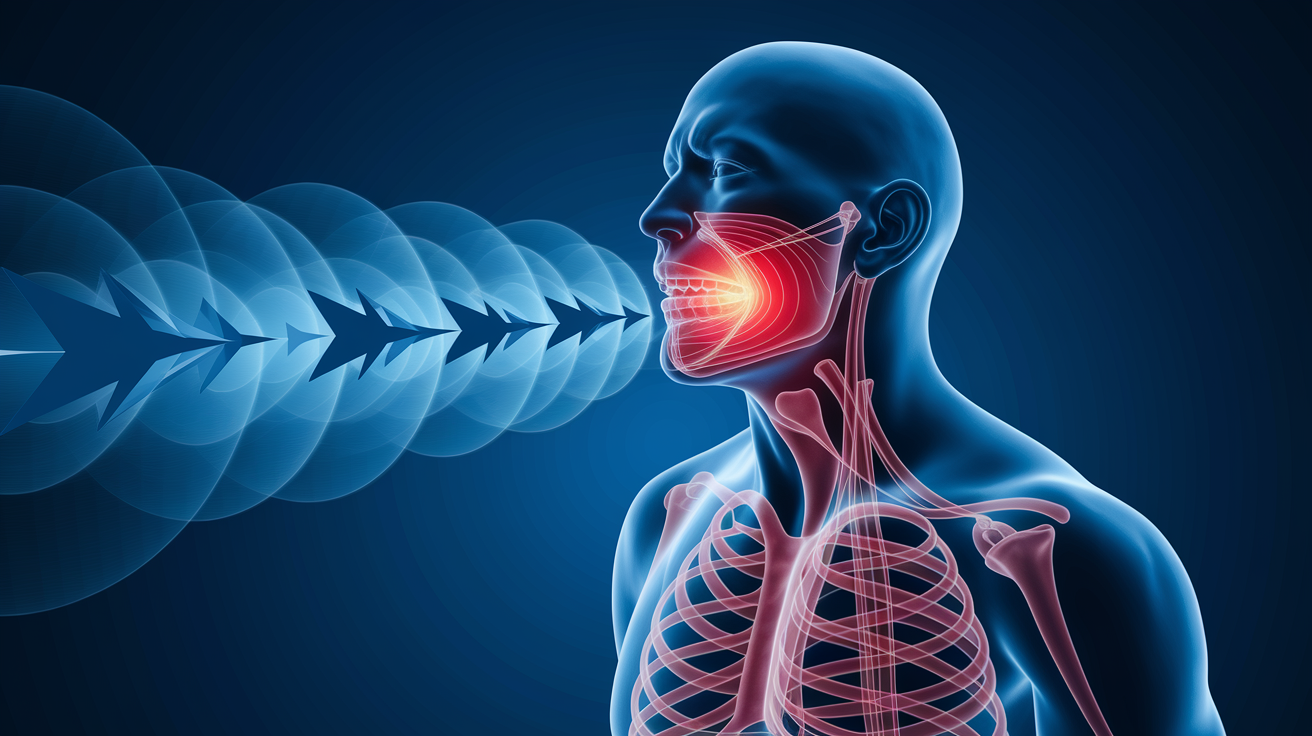
Coughing is your body’s way of forcing air out to clear mucus, germs, or whatever else doesn’t belong in your lungs. Every time you cough, your chest muscles contract hard, pressure spikes inside your airways, and your throat lining vibrates. That force strains the muscles between your ribs, jostles inflamed lung tissue, and scrapes throat surfaces that might already be raw.
When your airways are inflamed (from infection, allergies, or acid reflux), each cough rubs those swollen tissues together. Your chest muscles get sore the same way any overworked muscle does. Meanwhile, your throat swells from post-nasal drip, viral invasion, or stomach acid burns, so coughing feels like dragging sandpaper across an open wound.
Pain when you cough usually points to one of these:
Muscle strain from hard, repeated coughing. You’ll feel localized soreness that gets worse when you press on your ribs or twist.
Airway inflammation from viral or bacterial infections, like bronchitis or pneumonia. Inflamed bronchial tubes hurt with every breath and cough.
Pleural irritation (pleurisy), where the thin membrane lining your lungs rubs painfully against your chest wall. This produces sharp, stabbing pain that spikes when you cough or take a deep breath.
Acid reflux (GERD), which burns behind your breastbone and irritates your throat. Flares when stomach acid travels upward, especially after meals or when you’re lying down.
Throat infections like pharyngitis, tonsillitis, or laryngitis make swallowing and coughing painful.
Asthma or chronic lung disease that narrows airways, builds up mucus, and creates chest tightness that worsens when you cough.
Common Medical Causes of Chest and Throat Pain When Coughing
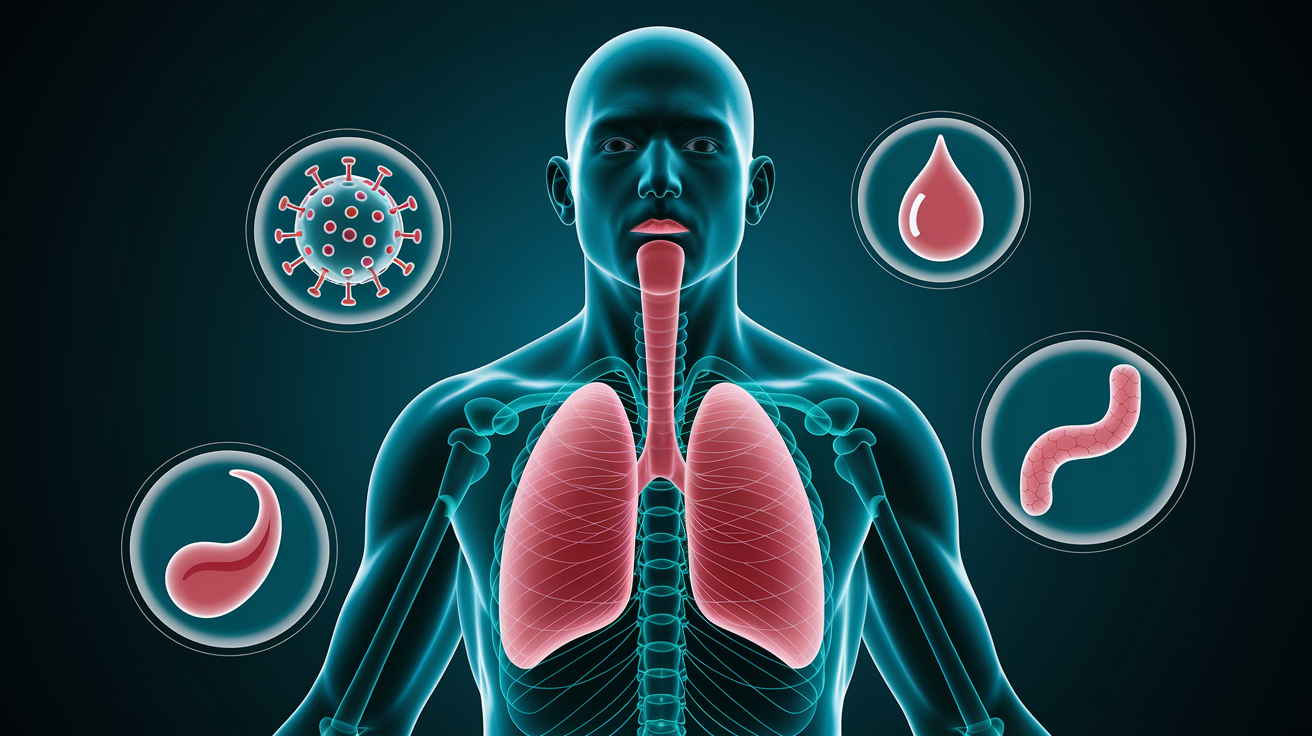
A handful of conditions produce this symptom combo on a regular basis. Most are mild and resolve on their own. But some need quick medical attention.
Viral upper respiratory infection (common cold or flu) inflames your nose, throat, and bronchial tubes, creating thick mucus that drips into your throat and triggers coughing. Your throat becomes raw, chest muscles ache from repetitive coughing. Symptoms typically improve in 5 to 10 days, though a lingering cough can hang around for 2 or 3 weeks.
Acute bronchitis is inflammation of the larger airways in your lungs, usually from a virus. You’ll develop a persistent cough that might start dry and later bring up mucus. Chest soreness from coughing is common. Symptoms often last 1 to 3 weeks and usually get better without antibiotics.
Post-nasal drip and allergic rhinitis send mucus from inflamed nasal passages down the back of your throat, especially at night. This irritates your throat and causes a chronic cough. You might feel a scratchy throat and mild chest discomfort from coughing. The problem can be seasonal or year-round.
Gastroesophageal reflux disease (GERD) lets stomach acid flow backward into your esophagus and throat, creating a burning sensation behind your breastbone and throat pain. The acid irritates your vocal cords and airways, triggering a chronic dry cough. Symptoms often worsen after meals, when bending over, or lying flat at night.
Muscle strain from coughing happens when forceful, prolonged coughing strains the intercostal muscles between your ribs and chest wall muscles. You’ll feel localized tenderness that gets worse when you cough, twist, or press on the sore spot. Pain can stick around for days to weeks and improves with rest and anti-inflammatory medication.
Pneumonia is an infection of the lung tissue itself, caused by bacteria, viruses, or fungi. Symptoms include high fever, shortness of breath, productive cough with discolored mucus, and sharp chest pain that worsens with coughing or deep breathing. Bacterial pneumonia requires antibiotics. Get medical evaluation if you suspect pneumonia.
Pleurisy (pleural inflammation) affects the thin two-layer membrane wrapping your lungs and lining your chest cavity. Inflammation from infection, autoimmune disease, or other causes produces sharp, stabbing chest pain that spikes with each cough, sneeze, or deep breath. You might also feel short of breath.
Asthma flare narrows your airways through inflammation and muscle spasm, causing wheezing, chest tightness, and difficulty catching your breath. Coughing often gets triggered by allergens, cold air, exercise, or respiratory infections. The effort of coughing through narrowed airways produces chest soreness and throat irritation from forced air movement.
Costochondritis is inflammation of the cartilage connecting your ribs to your breastbone. It causes sharp or aching chest pain, usually on one side. Pain worsens with coughing, movement, or pressure on the chest. Often follows a viral infection or repetitive strain and usually resolves within a few weeks.
Why Chest and Throat Pain Often Happen Together
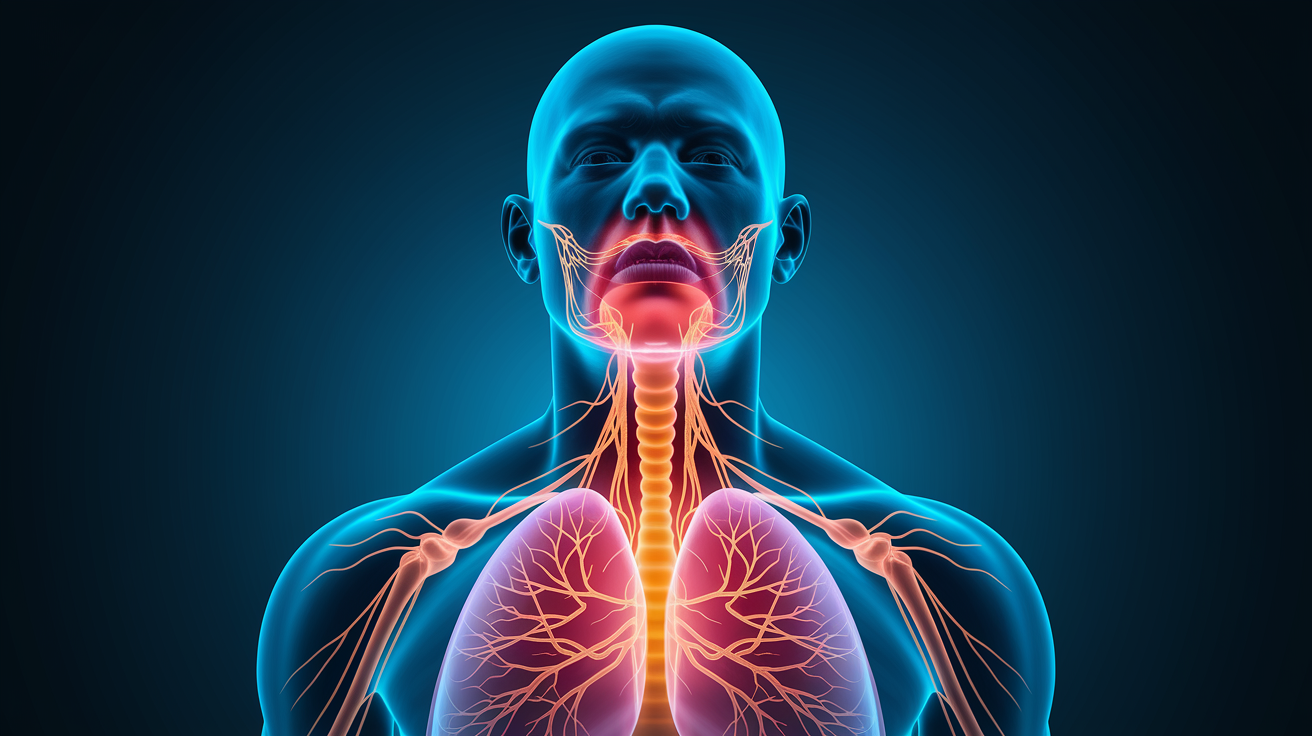
Your respiratory tract is one continuous tube running from your nose and mouth down through your throat, voice box, windpipe, and into the branching airways of your lungs. Inflammation or irritation anywhere along that pathway can travel or be felt in neighboring areas. When a virus infects your upper throat, it often spreads downward into your bronchi. You end up with both sore throat and chest discomfort.
Coughing itself is violent. Each cough forces air upward at high speed, vibrating your vocal cords and throat lining while simultaneously contracting the muscles around your ribs and diaphragm. If your throat’s already inflamed from infection or post-nasal drip, that rush of air scrapes and irritates it more. Your chest wall muscles bear the repeated strain, becoming tender and sore.
Shared nerve pathways play a role too. Sensory nerves in your airways detect irritation and send pain signals to your brain, sometimes making it hard to pinpoint exactly where the discomfort starts. That’s why a deep lung infection can produce throat pain, and severe throat inflammation can radiate into your upper chest.
Red-Flag Symptoms That Require Emergency Care

Most cases of chest and throat pain from coughing aren’t dangerous. But certain warning signs mean you need immediate medical attention.
Difficulty breathing or shortness of breath at rest. If you can’t catch your breath, speak in full sentences, or feel like you’re suffocating, call 911 or go to an emergency room right away. This can signal severe pneumonia, asthma attack, or a blood clot in your lung.
Coughing up blood. Any amount of bright red blood or repeated blood-tinged sputum requires urgent evaluation to rule out serious lung or airway injury, infection, or clot.
Severe, sudden chest pain. Sharp, crushing, or radiating chest pain that spreads to your jaw, neck, or arm may indicate a heart problem, pulmonary embolism, or other emergency.
High fever that won’t break. Fever above 103°F (39.4°C) in adults, or any fever in a newborn under 3 months, needs same-day medical evaluation.
Confusion, fainting, or extreme weakness. These signs can indicate low oxygen levels, sepsis, or severe infection, especially in older adults or people with chronic illness.
Blue or gray lips, face, or fingernails. This is a sign of critically low oxygen and requires immediate emergency care.
Symptoms lasting longer than 3 weeks without improvement. Persistent cough and chest pain that don’t respond to home care or worsen over time may signal chronic infection, lung disease, or another serious condition.
At-Home Relief for Chest and Throat Pain When Coughing

When symptoms are mild and you don’t have red-flag warning signs, several home strategies can ease discomfort and support your body’s natural healing.
Drink warm fluids throughout the day. Warm water, herbal tea, or broth can soothe throat irritation, thin mucus, and keep you hydrated. Aim for about 8 to 12 cups of nonalcoholic fluids daily. Adding a teaspoon of honey to warm tea (for anyone over age 1) coats your throat and may reduce cough frequency. Never give honey to infants under 12 months because of botulism risk.
Rest your body and skip strenuous activity until your symptoms improve. Your immune system works best when you’re well rested. Use a cool-mist humidifier in your bedroom at night or inhale steam over a bowl of hot water for 10 minutes, 2 to 3 times daily. Moist air loosens mucus and calms irritated airways.
Warm saline gargles. Dissolve 1/4 to 1/2 teaspoon of salt in 8 ounces of warm water and gargle several times a day to reduce throat swelling and wash away mucus.
Throat lozenges or hard candy. Sucking on a lozenge every 2 to 3 hours stimulates saliva production and coats your throat, reducing scratchiness.
Over-the-counter pain relievers. Acetaminophen (500 to 1,000 mg every 4 to 6 hours, not exceeding 3,000 mg per day without doctor guidance) or ibuprofen (200 to 400 mg every 4 to 6 hours) can ease chest soreness and reduce fever. Follow label instructions and use pediatric dosing charts for children.
Nasal saline spray or rinse. Use 1 to 2 times daily to clear post-nasal drip and reduce the irritation triggering your cough.
Elevate the head of your bed. Raise it by 6 to 8 inches to prevent acid reflux from flowing into your throat overnight.
Avoid smoke and irritants. Stay away from tobacco smoke, strong perfumes, and air pollution. All of these can worsen airway inflammation.
Stay home when contagious. Rest at home until your fever breaks and symptoms improve to avoid spreading infection and give your body time to heal.
Use honey at bedtime. One to two teaspoons (5 to 10 mL) before sleep can quiet nighttime coughing in anyone over age 1.
When to See a Doctor for Chest and Throat Pain

If your symptoms don’t improve with home care or meet certain thresholds, schedule a medical evaluation.
See a doctor if your cough or chest pain lasts longer than 10 to 14 days without improvement, or if symptoms start getting better and then suddenly worsen. Seek same-day or next-day evaluation if you develop a fever that persists beyond 48 to 72 hours, cough up green, yellow, or bloody mucus, or experience new shortness of breath.
You have underlying chronic disease. People with asthma, COPD, heart disease, diabetes, or weakened immune systems should seek earlier evaluation when respiratory symptoms appear.
You’re very young or older. Infants, young children, and adults over 65 are at higher risk for complications and should be seen sooner.
Your symptoms aren’t responding to over-the-counter remedies. If pain worsens despite rest, fluids, and medication, a doctor can investigate other causes.
You develop new confusion or behavior changes. This is especially concerning in older adults and may signal low oxygen or serious infection.
You notice leg pain or swelling. This can be a sign of a blood clot that may travel to your lungs, causing chest pain and shortness of breath.
Diagnostic Tests Doctors May Use

When you visit a clinician with chest and throat pain from coughing, they’ll take a detailed history, listen to your lungs, examine your throat, and check your vital signs. Depending on findings, they may order tests to pinpoint the cause and rule out serious conditions.
| Test Name | What It Detects | When It’s Used |
|---|---|---|
| Chest X-ray | Pneumonia, pleural fluid, lung masses, or inflammation | Persistent cough, fever, shortness of breath, or suspected pneumonia |
| Throat swab (rapid strep or culture) | Bacterial throat infections such as strep | Severe sore throat, fever, swollen lymph nodes, or white patches on tonsils |
| Pulse oximetry | Oxygen saturation level in your blood | Shortness of breath, suspected low oxygen, or respiratory distress |
| Spirometry or pulmonary function tests | Airflow obstruction, asthma, or COPD | Chronic cough, wheezing, or known lung disease flare |
| CT scan (chest) | Detailed images of lungs, blood vessels, and chest structures | Suspected pulmonary embolism, complex pneumonia, or unexplained chronic symptoms |
| Complete blood count (CBC) and inflammatory markers | Infection, inflammation, or immune response | Fever, suspected bacterial infection, or worsening symptoms |
In some cases, your doctor may also order sputum culture if you’re coughing up mucus, an electrocardiogram (ECG) if heart-related chest pain is a concern, or upper endoscopy and acid-suppression trials if GERD is suspected. The choice of tests depends on your symptoms, exam findings, and medical history.
Final Words
You now know why chest and throat hurt when you cough: coughing strains the throat, inflames airways, and can pull on chest muscles. Causes range from mild colds or reflux to bronchitis, pneumonia, or pleurisy.
Try warm drinks, humidified air, lozenges, and over-the-counter pain medicine. Watch for red flags like high fever, trouble breathing, or coughing up blood.
If chest and throat hurts when i cough and you have severe symptoms or no improvement in 10 to 14 days, see a clinician. Most people improve with basic care, so stay calm and get help when needed.
FAQ
Q: What does it mean when you cough and it hurts your chest and throat?
A: When you cough and it hurts your chest and throat, it usually means the cough is irritating and straining airway lining and chest muscles. Common causes include viral infection, bronchitis, acid reflux, or less often pneumonia.
Q: What are 5 symptoms of bronchitis and how to tell if bronchitis is turning into pneumonia?
A: Bronchitis commonly causes a cough (may produce mucus), wheeze, chest tightness, sore throat, and mild fever. Signs it’s progressing to pneumonia are high fever, worsening breathlessness, sharp chest pain, or coughing up blood.
Q: What does a pneumonia cough sound like?
A: A pneumonia cough often sounds deep and productive, with green or rusty mucus; breath may be wet, crackly, or rattling, and coughing can be frequent with short, rapid breaths.