


Think a dry cough that hurts your chest always signals something serious?
It rarely does, but it can feel scary.
Repeated coughing strains the muscles between your ribs and rubs the thin lung lining, so the pain can be a dull ache or a sharp jab, like overworking a muscle at the gym.
In this post you’ll get clear, practical answers: common causes, simple home relief that often helps, what to track, and the warning signs that mean see a clinician right away.
Why a Dry Cough Can Hurt Your Chest (Immediate Answers for What You’re Feeling)

A dry cough that causes chest pain usually isn’t dangerous, but it can feel alarming. The pain happens because repeated coughing strains the muscles between your ribs (intercostal muscles) and the muscles in your chest wall. Each cough is a forceful contraction. When you cough over and over, those muscles get sore and tender, just like they would after an intense workout. A dry cough also creates more friction inside your airways than a wet cough does, because there’s no mucus to cushion the tissues. That friction can irritate the pleura, the thin membrane lining your lungs and chest cavity, which creates a sharp, stabbing pain that gets worse when you breathe deeply or cough again.
Coughs get classified by how long they last: acute coughs stick around for less than 3 weeks, subacute coughs last between 3 and 8 weeks, and chronic coughs hang on for more than 8 weeks. Most viral acute bronchitis starts with a dry cough early on and typically lasts 1 to 3 weeks. The pain you feel with acute coughs is often a dull ache that shows up in the front or sides of your chest. It tends to be worse when you move, twist, or press on the area. Pleuritic pain, caused by inflammation of the pleura, feels sharper and often shows up on one side. It gets worse when you take a deep breath or cough. If you’ve been coughing hard for days, you might also develop chest wall tenderness that you can pinpoint with your finger.
Another reason dry coughs hurt is that coughing increases pressure inside your chest. That extra pressure can make existing conditions like asthma or acid reflux feel worse, and it can aggravate any inflammation already present in your airways. Most of the time, the pain is temporary and will fade as the cough improves. But understanding why it’s happening and what patterns to watch for can help you decide when to care for it at home and when to call a doctor.
Common Conditions That Link a Dry Cough and Chest Pain
Viral and Respiratory Infections
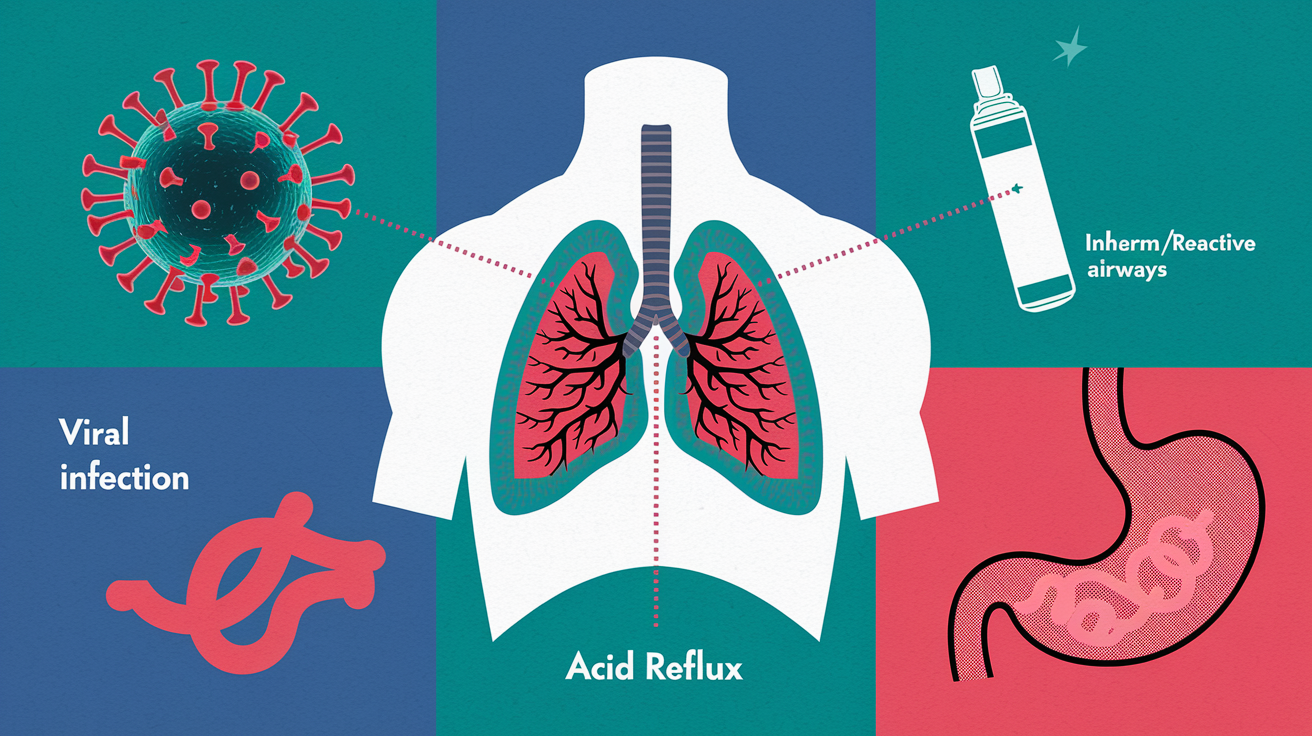
The most common cause of a dry cough with chest pain is a viral infection, like acute bronchitis, the common cold, or the flu. These infections inflame the lining of your airways, which triggers a cough reflex. Early in a viral illness, the cough is usually dry because your body hasn’t started producing much mucus yet. The repeated coughing irritates your chest wall muscles and can make your ribs feel sore. COVID-19 also commonly starts with a dry cough, and it can come with fever, sore throat, and loss of smell or taste. Post-viral cough is also common and can linger for up to 8 weeks after the initial infection clears, leaving you with an ongoing dry cough and chest discomfort even after other symptoms are gone.
Asthma and Reactive Airways
Asthma often causes a dry cough, especially at night or after exercise. The airways in asthma narrow and become inflamed, which can trigger coughing that feels like it won’t stop. You might also notice wheezing or a feeling of tightness in your chest. The cough itself strains your chest muscles, and the airway inflammation can create a deep ache or pressure sensation. Some people with asthma only have a cough as their main symptom, without obvious wheezing, which can make the diagnosis less clear. If you have asthma and your chest pain is worsening or your inhaler isn’t helping, that’s a sign to get medical attention quickly.
Reflux and Upper Airway Causes
Gastroesophageal reflux disease (GERD) is a common and often overlooked cause of chronic dry cough and chest pain. When stomach acid moves up into your esophagus or throat, it can irritate your airways and trigger a cough reflex. This cough is usually worse at night or after meals, and you may also notice heartburn or a sour taste in your mouth. Postnasal drip from allergies or a sinus infection can also cause a persistent dry cough that irritates your throat and chest. Laryngitis, or inflammation of the voice box, can create a dry, scratchy cough along with hoarseness. If hoarseness lasts more than 2 weeks, mention it to a doctor.
Pneumonia and Other Lung Infections
Pneumonia can start with a dry cough before it becomes productive. It’s more likely to be pneumonia if you also have a fever (often 100.4°F or higher), chills, rapid breathing, and fatigue. Doctors often hear focal crackles when they listen to your lungs, and a chest X-ray will show an abnormal area of consolidation or infiltrate. Pertussis, also called whooping cough, causes severe, prolonged fits of coughing that can be violent enough to strain your chest muscles or even crack a rib. These paroxysmal coughs can last for weeks and are especially concerning in young children and unvaccinated adults.
Serious but Less Common Causes (PE, Pneumothorax, Cardiac)
A few urgent or life-threatening conditions can cause a dry cough with chest pain. A pulmonary embolism (PE) is a blood clot in the lungs that typically presents with sudden shortness of breath, sharp chest pain that worsens when you breathe or cough, a rapid or irregular heartbeat, and sometimes coughing up blood. PE is a medical emergency. A pneumothorax, or collapsed lung, causes sudden, severe chest pain on one side and difficulty breathing. It can happen spontaneously or after chest trauma, and it requires immediate medical care. Heart problems, like a heart attack or pericarditis (inflammation of the lining around the heart), can also cause chest pain that gets worse with coughing. If you have crushing chest pain that radiates to your jaw, arm, or back, along with sweating, nausea, or lightheadedness, call emergency services immediately.
Environmental Irritants and Smoking
Breathing in smoke, pollution, cold air, chemical fumes, or strong odors can trigger a dry cough and airway irritation. The cough can persist as long as you’re exposed to the irritant, and it often comes with chest tightness or a scratchy throat. Smoking is a major cause of chronic dry cough and progressive chest pain. Long-term smoking damages the airways and can lead to chronic obstructive pulmonary disease (COPD) or lung cancer. Even secondhand smoke can irritate airways enough to cause a persistent dry cough. Some medications, especially ACE inhibitors used for high blood pressure, cause a chronic dry cough in about 5 to 20 percent of people who take them. If you started a new medication and developed a dry cough shortly after, talk to the doctor who prescribed it.
Quick-reference distinguishing signs:
Viral infection: recent cold symptoms, cough lasting 1 to 3 weeks, low-grade fever, general fatigue
Asthma: wheeze, nighttime or exercise-triggered cough, tightness in chest, responds to inhaler
GERD: cough worse at night or after meals, heartburn, sour taste in mouth
Pneumonia: high fever, chills, rapid breathing, productive cough or crackles on exam
Pulmonary embolism: sudden severe shortness of breath, sharp chest pain, rapid heart rate, possible coughing up blood
Pneumothorax: sudden one-sided chest pain, difficulty breathing, recent trauma or spontaneous onset
ACE inhibitor cough: chronic dry cough started after beginning medication, no other clear cause
Smoking: chronic cough, history of tobacco use, progressive symptoms over months or years
Lesser-Known Reasons Dry Cough Can Trigger Chest Discomfort

Some causes of chest pain from a dry cough aren’t immediately obvious. Prolonged or violent coughing can cause small fractures or microfractures in the ribs, especially in older adults or people with osteoporosis. This kind of injury creates severe, localized pain that gets much worse with movement, deep breathing, or touch. You might not realize a rib is fractured until the pain doesn’t improve after the cough settles. Pleurisy, or inflammation of the pleura, can also develop without a clear infection and create sharp pain that makes every cough feel unbearable. Even mild pleural irritation that wouldn’t normally bother you can become very noticeable when you’re coughing frequently.
Bronchospasm, a sudden tightening of the muscles around your airways, can happen without the classic wheeze you expect with asthma. This can occur with exercise, cold air, or stress, and the cough it triggers can feel dry and relentless. The constant coughing then irritates the airway lining further, creating a cycle of cough and discomfort. Another subtle thing happening is microtrauma to the airway tissues. A dry cough creates more friction because there’s no mucus to lubricate the airways, and repeated friction can cause tiny areas of irritation and inflammation that contribute to ongoing chest soreness.
Here are four uncommon things that can make a dry cough hurt your chest:
- Bronchospasm without audible wheeze, often triggered by cold air, exercise, or strong emotions, leading to relentless dry coughing and airway irritation.
- Rib microfractures or stress fractures in older adults or those with bone-density issues, causing severe localized pain that worsens with movement or palpation.
- Heightened pleural sensitivity due to mild inflammation or irritation that isn’t severe enough to show up on imaging but creates sharp pain with each cough.
- Friction-related airway microtrauma from repeated dry coughing, which inflames the mucosal lining and prolongs discomfort even after the initial trigger resolves.
Diagnosing Chest Pain from a Dry Cough: What Doctors Look For

When you see a doctor for a dry cough with chest pain, they’ll start by asking about your symptoms: when the cough started, what makes it better or worse, whether you have fever or shortness of breath, and whether you can pinpoint the pain or if it’s more spread out. They’ll listen to your lungs with a stethoscope to check for wheezing, crackles, or decreased breath sounds. They may press gently on your chest wall to see if the pain is reproducible, which suggests muscle strain or costochondritis rather than a problem inside your lungs or heart. They’ll also check your oxygen saturation with a pulse oximeter. If your oxygen level is below 92 percent, that’s a red flag and you may need further testing or treatment right away.
If the doctor is concerned about pneumonia, a lung infection, or a structural problem like a rib fracture or pneumothorax, they’ll likely order a chest X-ray. This quick imaging test can show areas of infiltrate or consolidation in the lungs, fluid around the lungs, or a collapsed lung. If your symptoms suggest a pulmonary embolism, you may need a CT scan with contrast (called a CT pulmonary angiography) to look for blood clots in the lung arteries. Blood tests like a complete blood count (CBC) or C-reactive protein (CRP) can help identify infection or inflammation. If asthma or another breathing condition is suspected, spirometry tests how well air moves in and out of your lungs and can show airway obstruction that improves with a bronchodilator. Rapid viral tests or PCR testing for COVID-19, flu, or other respiratory viruses may also be done.
| Test | What It Helps Identify | When It’s Used |
|---|---|---|
| Pulse Oximetry | Low oxygen saturation (concern if <92%) | Routine in any patient with cough and chest pain or shortness of breath |
| Chest X-ray | Pneumonia, pleural effusion, rib fracture, pneumothorax | Fever, focal pain, suspected infection, or trauma |
| CT Scan (Pulmonary Angiography) | Pulmonary embolism, detailed lung or chest wall abnormalities | Sudden severe dyspnea, high PE risk, or unexplained chest pain |
| Spirometry | Asthma, COPD, reversible airway obstruction | Chronic cough, wheeze, or suspected asthma or reactive airways |
| Blood Tests (CBC, CRP, D-dimer) | Infection markers, inflammation, clot risk | Fever, suspected bacterial infection, or PE risk assessment |
Treatments for a Dry Cough That Hurts Your Chest
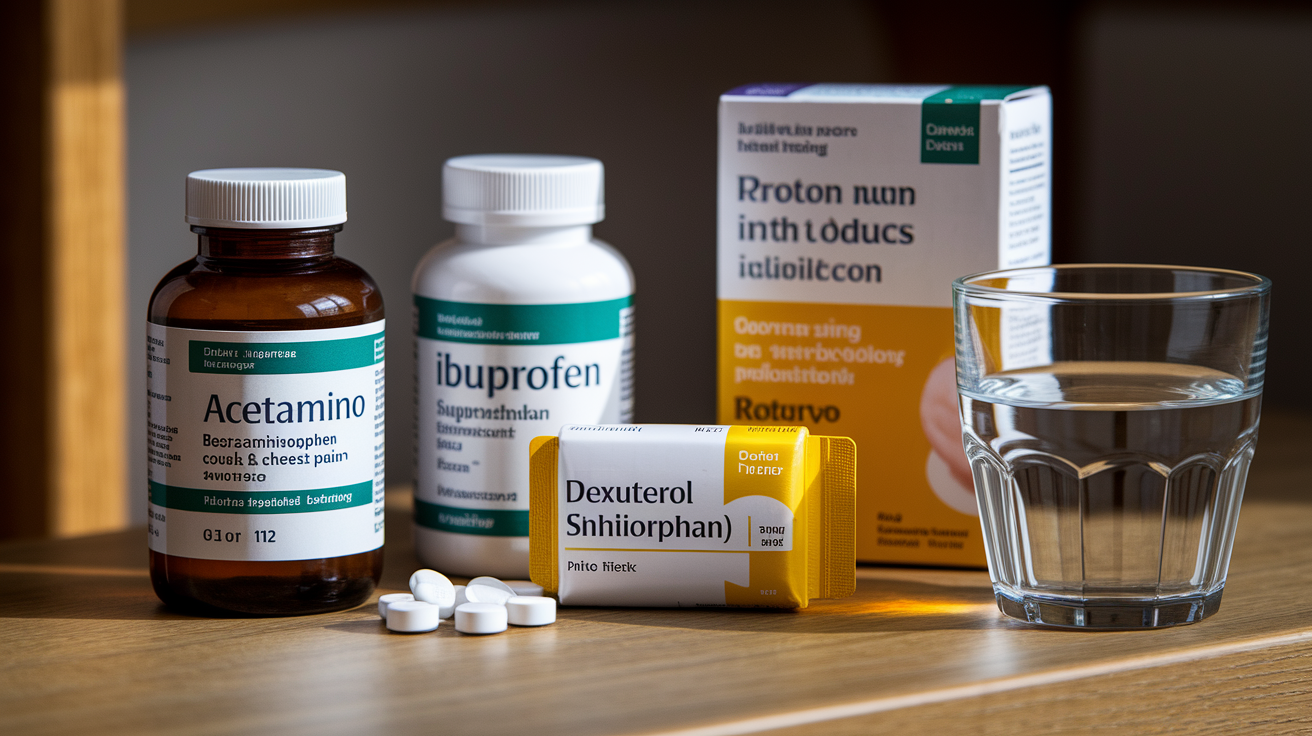
Treatment depends on what’s causing the cough and how severe your symptoms are. For most viral infections, supportive care is all you need: rest, fluids, and over-the-counter medications to manage pain and suppress the cough. Over-the-counter pain relievers like acetaminophen can help with chest muscle soreness and fever. The typical adult dose is 500 to 1,000 mg every 4 to 6 hours, and you shouldn’t exceed about 3,000 mg in a day without guidance from a doctor. Ibuprofen, a nonsteroidal anti-inflammatory drug (NSAID), can also reduce pain and inflammation. The usual dose is 200 to 400 mg every 4 to 6 hours, with a maximum of 1,200 mg per day for over-the-counter use. If your cough is dry and keeping you awake, a cough suppressant like dextromethorphan may help. The typical dose is 10 to 20 mg every 4 hours or 30 mg every 6 to 8 hours, with a usual maximum of about 120 mg per day. If your cough starts producing mucus, an expectorant like guaifenesin (200 to 400 mg every 4 hours, up to 2,400 mg per day) can help thin the mucus and make it easier to clear.
If you have asthma or reactive airways, your doctor may prescribe or recommend a short-acting bronchodilator inhaler, like albuterol. A typical dose is 2 puffs (90 micrograms per puff) every 4 to 6 hours as needed, or a nebulized treatment of 2.5 mg in 3 mL of saline. For more severe asthma flare-ups, a short course of oral corticosteroids like prednisone (often 40 to 60 mg once daily for 3 to 5 days) may be needed. If a bacterial infection like pneumonia or pertussis is diagnosed or strongly suspected, antibiotics will be prescribed. For example, azithromycin is sometimes used for pneumonia or pertussis, with a common adult regimen of 500 mg on day 1 followed by 250 mg daily for days 2 through 5. Antibiotics aren’t helpful for viral infections and should only be used when a doctor determines they’re necessary.
If GERD is causing your cough, your doctor may recommend a proton pump inhibitor (PPI) like omeprazole or a histamine-2 blocker to reduce stomach acid. Lifestyle changes like elevating the head of your bed and avoiding late-night meals can also help. For chest pain caused by muscle strain, rest and avoiding heavy lifting for a few days can prevent further irritation. If a serious condition like pulmonary embolism or pneumothorax is found, you’ll need urgent hospital-based treatment, which may include oxygen, anticoagulation, or even surgery depending on the situation.
Treatment summary:
Over-the-counter pain relief: acetaminophen or ibuprofen for muscle soreness and fever
Cough suppressants: dextromethorphan for dry, unproductive cough
Expectorants: guaifenesin if the cough becomes productive
Bronchodilators: short-acting inhaler for asthma or reactive airways
Corticosteroids: oral prednisone for asthma flare-ups (doctor-prescribed)
Antibiotics: only when bacterial infection is confirmed or highly suspected (doctor-prescribed)
Home Remedies for Dry Cough and Chest Soreness

Simple home measures can ease a dry cough and reduce chest discomfort while your body heals. Staying well-hydrated is one of the most important steps. Aim to drink about 8 to 12 cups of fluids per day (roughly 2 to 3 liters), unless you have a medical reason to limit fluids. Water, warm tea, broth, and other clear liquids help keep your throat moist and can thin any mucus that starts to develop. Honey is a natural cough suppressant that can soothe irritation. Adults and children over 1 year old can take 1 to 2 teaspoons (5 to 10 mL) of honey at bedtime to reduce nighttime coughing. Never give honey to infants under 12 months, because it can cause a serious illness called infant botulism.
Using a humidifier in your bedroom can add moisture to the air and prevent your throat and airways from drying out. Try to keep indoor humidity between 30 and 50 percent. You can also breathe in steam from a hot shower or a bowl of hot water for 5 to 10 minutes to temporarily ease airway irritation. Be careful to avoid burns. For chest muscle pain, applying ice for 10 to 15 minutes every few hours during the first 24 to 48 hours can reduce inflammation. After that, a warm compress or heating pad may feel better and help relax sore muscles. Resting your chest by avoiding heavy lifting and strenuous upper-body activity for a few days gives strained muscles time to recover.
At-home care checklist:
Hydrate with 8 to 12 cups of fluids daily (water, warm tea, broth)
Use a humidifier to keep indoor humidity around 30 to 50 percent
Try 1 to 2 teaspoons of honey at bedtime (not for infants under 1 year)
Breathe in steam for 5 to 10 minutes to ease airway dryness
Apply ice for 10 to 15 minutes every few hours during the first 1 to 2 days for muscle strain
Switch to warm compresses after the first 48 hours if it feels better
Avoid smoke, strong fumes, and other airway irritants
When a Dry Cough and Chest Pain Need Emergency Care

Most dry coughs with chest pain aren’t emergencies, but certain symptoms mean you should seek immediate medical attention or call emergency services. If you have severe or crushing chest pain, especially if it spreads to your jaw, arm, or back, that could be a sign of a heart attack. Other red flags include sudden or worsening shortness of breath, an oxygen saturation below 92 percent on a pulse oximeter, a respiratory rate consistently above 30 breaths per minute, or a heart rate over 120 beats per minute at rest. Coughing up blood, even a small amount, is never normal and should be evaluated urgently.
High fever combined with worsening symptoms is another warning sign. If your fever is above 103°F (about 39.4°C) and doesn’t improve with medication, or if you have a persistent fever with chills and rapid breathing, you may have a serious infection like pneumonia that needs prompt treatment. Sudden chest pain on one side with trouble breathing can suggest a pneumothorax, which is a medical emergency. If you feel confused, lightheaded, or like you might faint, or if you notice your lips or fingernails turning blue, get emergency help immediately. These signs can indicate dangerously low oxygen levels or a serious cardiac or pulmonary event.
Emergency red flags (seek immediate care or call emergency services):
- Severe or crushing chest pain, especially with radiation to arm, jaw, or back
- Sudden or rapidly worsening shortness of breath or difficulty speaking
- Oxygen saturation below 92 percent on a pulse oximeter
- Respiratory rate above 30 breaths per minute or heart rate above 120 beats per minute at rest
- Coughing up blood (any amount, pink or red sputum)
- High fever above 103°F that persists or worsens despite medication
- Sudden one-sided chest pain with trouble breathing (possible pneumothorax)
- Confusion, fainting, near-fainting, or blue lips or nails (signs of severe oxygen deprivation)
Managing Ongoing or Chronic Dry Cough with Chest Discomfort

If your dry cough lasts longer than 3 weeks or enters the chronic phase (more than 8 weeks), it’s time to see a doctor for a more thorough evaluation. Chronic cough can have many causes, including post-viral cough that lingers for weeks after an infection clears, undiagnosed asthma, chronic reflux, medication side effects, or environmental exposures. Post-viral cough can persist for up to 8 weeks and often improves slowly on its own, but it’s frustrating and can keep irritating your chest muscles. If you’re taking an ACE inhibitor for high blood pressure and you’ve developed a chronic dry cough, talk to your doctor. ACE inhibitors cause a persistent dry cough in about 5 to 20 percent of users, and switching to a different medication may resolve the problem.
For ongoing cough, your doctor may refer you to a pulmonologist or an ear, nose, and throat specialist for more detailed testing. Long-term management often focuses on treating the underlying cause, whether that’s controlling asthma with daily inhalers, managing reflux with medication and lifestyle changes, or removing environmental irritants from your home or workplace. In the meantime, continue supportive care like hydration, humidification, and avoiding triggers. Keep track of when your cough is worst, what seems to make it better or worse, and any new symptoms that develop. That information will help your doctor narrow down the cause and find the most effective treatment.
Final Words
You cough and your chest hurts, often from muscle strain, pleural irritation, or airway inflammation after repeated dry coughing. The article explains acute, subacute, and chronic timelines and what each feels like.
It covers common causes (viruses, asthma, reflux), likely tests, treatments, home remedies, and red flags that need urgent care.
If your dry cough hurts chest, track when it started, what helps or worsens it, and any new symptoms. Only a clinician can confirm the cause, but most people improve with rest and simple care.
FAQ
Q: Why does my chest hurt with a dry cough?
A: The chest hurts with a dry cough because repeated coughing can strain chest muscles, irritate the pleura (lung lining), or inflame airways, raising chest pressure and causing sharp or aching pain. See a clinician if severe.
Q: What are 5 symptoms of bronchitis?
A: Five symptoms of bronchitis are a persistent cough (often with phlegm), chest soreness or tightness, wheeze, mild fever or chills, and tiredness or shortness of breath.
Q: How do I know if my dry cough is serious?
A: You know a dry cough is serious if it causes sudden or severe shortness of breath, high fever, fainting or confusion, severe chest pain, or coughing up blood — seek urgent care right away.
Q: How do I get rid of a dry chest cough?
A: To get rid of a dry chest cough, use humidified air, warm fluids, honey for ages over 1 year, lozenges, or OTC cough suppressants; see your clinician for inhalers, antibiotics, or reflux treatment if it persists.