


Think albuterol will stop any cough? Not so fast.
Albuterol can help, but only when coughing comes from tight airways (bronchospasm, when airway muscles squeeze tight), like in asthma or certain COPD flares.
It relaxes the muscles around your airways so you can breathe and the cough often eases as a result.
It won’t help colds, post-nasal drip, acid reflux, or coughs caused by some blood pressure medicines.
If a puff doesn’t help within 5 to 15 minutes, bronchospasm is less likely.
See a clinician to find the real cause.
When Albuterol Can and Cannot Help a Cough
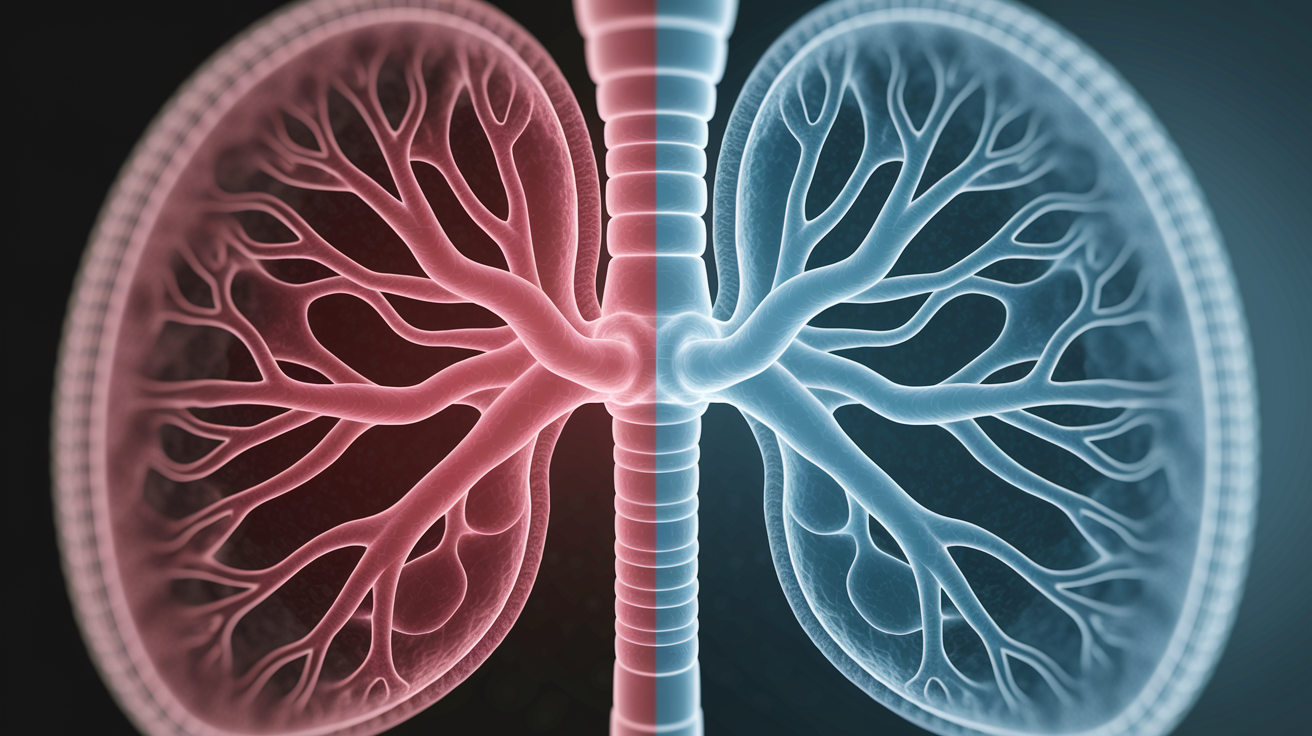
Albuterol helps a cough only when bronchospasm is what’s causing it. Bronchospasm means the muscles around your airways are squeezing tight. When that happens, albuterol relaxes them and opens things back up. You’ll feel relief from wheezing and chest tightness, usually within minutes. The cough often eases too, but not because albuterol treats coughing directly. It’s fixing the tight airways that were triggering the cough in the first place.
If your cough comes from asthma, a COPD flare, or bronchitis with wheezing, albuterol can make breathing easier fast. But it won’t do anything for coughs caused by a cold, sinus drainage, acid reflux, or side effects from blood pressure meds. In those cases, your airways aren’t constricted, so a bronchodilator has nothing to open.
Albuterol works best when there’s reversible airway obstruction. Think asthma (including the kind where cough is your main symptom), COPD exacerbations, or bronchitis with documented wheeze. Inflammation or irritation makes the smooth muscle around your airways tighten up, narrowing the tubes and setting off a dry cough, shortness of breath, and that telltale wheeze. Albuterol loosens that muscle. Air flows better. The urge to cough drops.
You’ll usually feel it kick in between 5 and 15 minutes after you inhale. It peaks around 30 minutes and lasts about 4 to 6 hours. If your cough doesn’t budge in that window, bronchospasm probably isn’t the problem. Other common causes that won’t respond include:
- Viral colds without wheeze
- Post-nasal drip from congestion or allergies
- GERD, where stomach acid irritates your throat
- Chronic cough from smoking
- That dry cough some blood pressure meds cause (ACE inhibitors)
- Pertussis (whooping cough)
How Albuterol Works in the Airways to Ease Cough

Albuterol is a short-acting beta-2 agonist. That’s a type of bronchodilator that zeroes in on specific receptors sitting on the smooth muscle cells in your airways. When you breathe it in, it locks onto those beta-2 receptors and sets off a chain reaction. A molecule called cyclic AMP starts building up inside the muscle cells. More cAMP tells the muscle to chill out and relax. The airways widen. More air gets through. That tight, obstructed feeling fades, and the coughing fits usually calm down too.
Here’s what albuterol doesn’t do: thin mucus, break down phlegm, or clear out your nose. It only opens the airways. If you’ve got thick mucus stuck in your lungs, albuterol might make it easier to cough up by improving airflow and reducing resistance, but it’s not working like an expectorant or mucolytic. That difference matters when you’re trying to figure out if albuterol will actually help your cough.
The whole process happens in three steps:
- Albuterol particles land on the bronchial smooth muscle and grab onto beta-2 receptors.
- The receptors flip on, cAMP rises, and muscle contraction gets blocked.
- Airways open up (bronchodilation), airflow improves, and symptoms like wheeze, tightness, and cough start easing within minutes.
Identifying Bronchospastic Cough: Diagnostic Signs and Clinical Testing

A bronchospastic cough usually comes with a pattern. Wheezing, chest tightness, trouble breathing. Symptoms that get worse at night, during exercise, or when you’re exposed to cold air or allergens. These clues help doctors tell the difference between reversible airway obstruction and other common reasons you might be coughing. If your cough gets better after you use albuterol or gets worse when you stop, that response is a strong hint that bronchospasm is involved.
Doctors figure out whether albuterol will help by looking at when your symptoms happen, listening for wheeze during an exam, and sometimes ordering spirometry. That’s a test where you blow into a machine to measure how much air you can push out and how fast. A bronchodilator response test involves checking your lung function, then giving you albuterol and checking again 15 to 30 minutes later. If airflow jumps by 12% or more and at least 200 milliliters in volume, the test confirms reversible obstruction. That means albuterol should help. Tracking peak flow at home can also show day-to-day swings that point to reactive airways.
Not every cough responds to bronchodilators, even if you’re coughing up stuff or it’s lasted for weeks. Post-nasal drip, GERD, and viral infections can all cause persistent coughing without any airway constriction. In those situations, albuterol typically does nothing. Continuing it just wastes time while the real problem sits there untreated. Sometimes a therapeutic trial (using albuterol for a few days and watching what happens) can clarify things when testing isn’t immediately available.
Interpreting Symptoms: Wheezing, Chest Tightness, and Shortness of Breath
Bronchospastic coughs tend to show up with a recognizable cluster of symptoms. Wheezing is that high-pitched whistling you hear when you breathe, especially on the exhale. It’s air squeezing through narrowed airways. Chest tightness feels like someone wrapped a band around your ribs, or like you can’t quite fill your lungs all the way. Shortness of breath ranges from mild breathlessness to full-on air hunger. Waking up coughing or wheezing between midnight and early morning is classic asthma behavior. Exercise-triggered cough that starts during or right after activity points to exercise-induced bronchoconstriction. If you notice clear improvement with bronchodilators, either relief you can feel or gains you can measure in lung function, that confirms the airways were constricted and albuterol is appropriate.
| Cough Feature | Suggests Bronchospasm? | Diagnostic Approach |
|---|---|---|
| Dry or minimally productive cough with audible wheeze | Yes | Physical exam for wheeze; trial of albuterol; spirometry if diagnosis uncertain |
| Wet cough with thick yellow-green mucus, no wheeze, post-nasal drip symptoms | No | Evaluate for sinusitis, upper airway cough syndrome, or viral bronchitis without obstruction |
| Cough worse at night or triggered by cold air, exercise, or allergens | Likely | Suspect asthma or reactive airways; consider bronchodilator response test or methacholine challenge |
| Persistent cough after starting ACE inhibitor, no wheeze | No | Medication review; discontinue or switch ACE inhibitor; cough typically resolves in days to weeks |
Using Albuterol: Inhaler vs. Nebulizer for Cough Relief
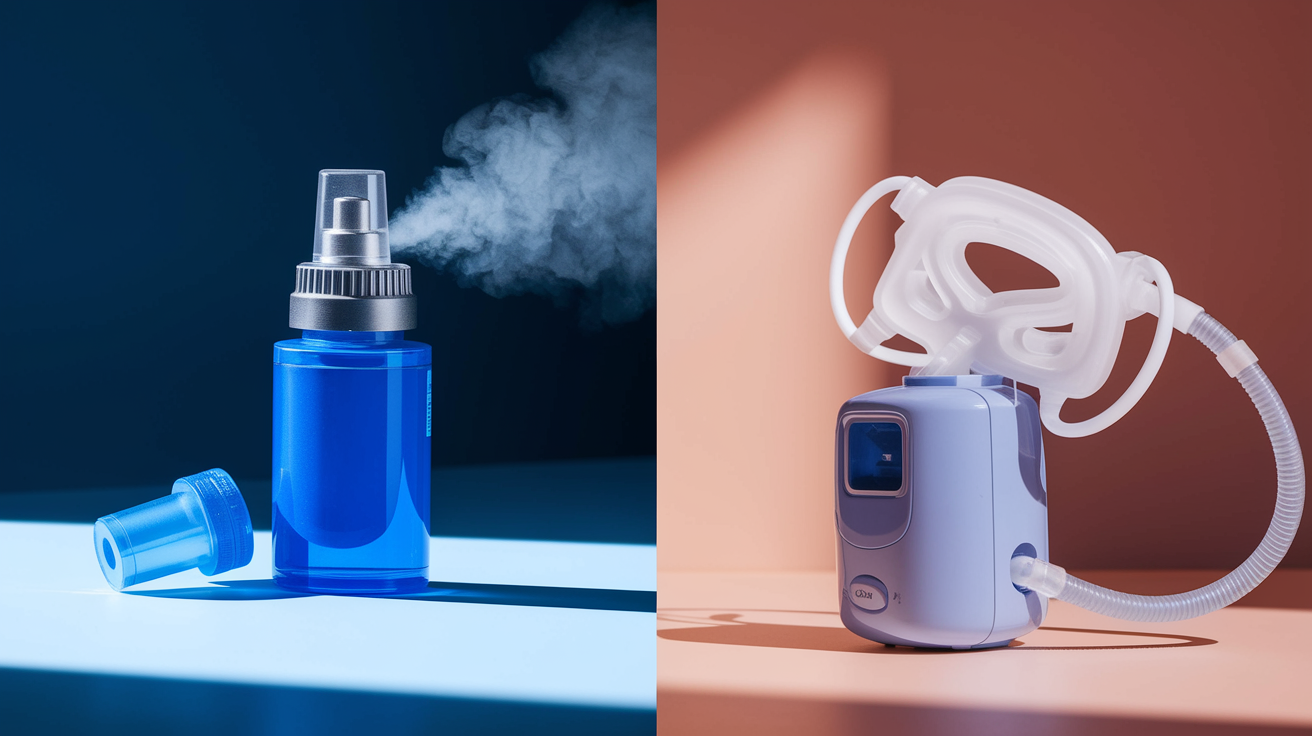
Albuterol comes in two main forms: metered-dose inhalers (MDIs) and nebulizer solutions. Both deliver the same drug to your lungs. The choice depends on your age, how bad your symptoms are, whether you can coordinate your breathing, and where you’re getting treated. A metered-dose inhaler gives you a measured puff of albuterol, typically 90 micrograms per spray. You press the canister, breathe in slowly and deeply, then hold your breath for about 10 seconds so the medication can settle in your airways. It usually starts working within 5 minutes.
Nebulizers turn liquid albuterol into a fine mist that you breathe through a mask or mouthpiece over 5 to 10 minutes. The typical adult dose is 2.5 milligrams in 3 milliliters of saline. Nebulizers are easier for young kids, older adults who have trouble with coordination, or anyone in acute distress who can’t time a deep breath with an inhaler puff. Hospitals and urgent care centers lean on nebulizers for severe bronchospasm because they deliver medication continuously and don’t require perfect technique.
A spacer (a tube or chamber that attaches to an MDI) improves drug delivery and takes the pressure off timing everything perfectly. It holds the mist so you can inhale at your own pace, and it cuts down on medication landing in your mouth and throat instead of your lungs. Spacers help kids especially, and anyone who struggles with the press-and-breathe motion.
Which delivery method works best depends on a few things:
- Mild symptoms and solid technique: MDI alone usually does the job for routine rescue use.
- Kids under 5 or adults with coordination issues: nebulizer or MDI with spacer.
- Severe acute bronchospasm: nebulizer in medical settings for continuous or repeated dosing.
- Convenience and portability: pocket-sized MDI for relief on the go.
- Cost and insurance: MDIs are often cheaper; nebulizer machines need an upfront purchase or rental.
Albuterol Dosage, Frequency, and Safe Maximum Use for Cough

Typical instructions for a metered-dose inhaler at home are 2 puffs (180 micrograms total) every 4 to 6 hours as needed for symptoms like cough, wheeze, or shortness of breath. Most guidelines say don’t go over about 8 puffs in 24 hours without checking in with your doctor, because needing it that often signals worsening asthma or COPD. You might need more controller medication or urgent evaluation. For nebulizer use at home, the standard adult dose is 2.5 milligrams every 4 to 6 hours as needed. Kids usually get 0.1 to 0.15 milligrams per kilogram per treatment, with many protocols capping a single dose around 2.5 milligrams.
In urgent or emergency settings (like a severe asthma flare or COPD exacerbation), protocols can get more aggressive: 2.5 to 5 milligrams nebulized every 20 minutes for up to three doses, then reassess. Some hospitals use continuous nebulization at 5 to 15 milligrams per hour under close monitoring for patients in severe distress. Those higher-frequency regimens aren’t for routine home use. They should only happen under direct medical supervision.
Key dosing rules:
- Start with the lowest effective dose (usually 2 puffs from an MDI) and wait 5 to 15 minutes to see if it helps before you repeat.
- Don’t exceed the daily maximum your doctor gave you. Overuse can build tolerance, make symptoms worse, and delay recognition of a serious exacerbation.
- If you’re reaching for albuterol more than twice a week for symptom relief (not counting pre-exercise use), your underlying condition isn’t well controlled. Schedule a follow-up to adjust your treatment plan.
- Track how many puffs are left in your inhaler and replace it before it runs out, so you’re not caught empty during a flare.
Side Effects of Albuterol When Used for Cough
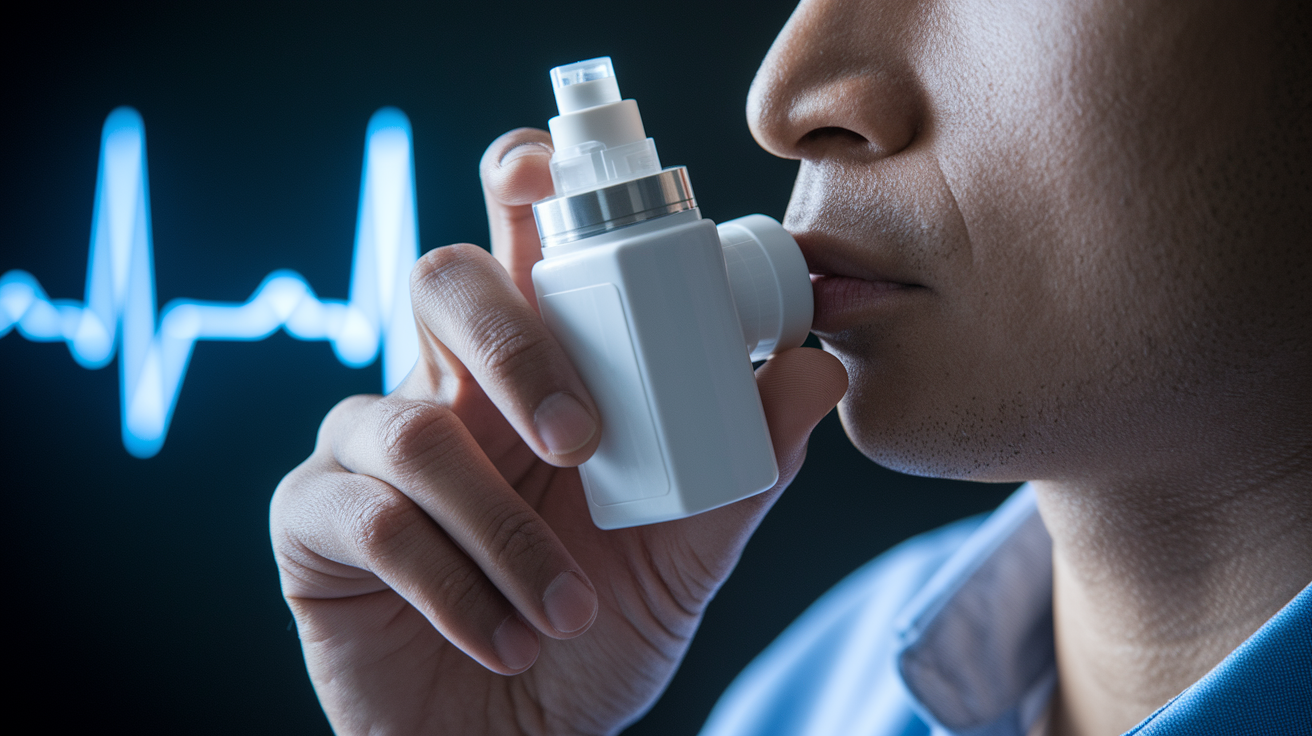
Albuterol hits beta-2 receptors not just in your lungs but in other tissues too, which leads to predictable and usually mild side effects. Tremor, especially a fine shake in your hands, is common. It happens because beta-2 activation affects skeletal muscle. You might feel nervous or jittery. Some people notice palpitations or a sensation of rapid heartbeat (tachycardia), since albuterol affects the heart a little. Headache is another frequent complaint. These effects are typically short-lived and fade as the medication wears off.
Less common but more serious reactions include arrhythmia (irregular heartbeat), particularly in people who already have heart problems, and paradoxical bronchospasm. That’s a rare situation where the inhaler actually makes airway constriction worse instead of better. High or continuous dosing can cause hypokalemia, a drop in blood potassium that might trigger muscle cramps or heart rhythm issues. If you have cardiovascular disease, arrhythmias, uncontrolled thyroid problems, or severe high blood pressure, use albuterol cautiously and under close medical guidance.
Beta-blocker medications, especially non-selective ones like propranolol, can blunt albuterol’s effectiveness. In some cases they increase the risk of bronchospasm. If you’re on a beta-blocker for your heart or blood pressure, let your doctor know before starting albuterol. Drug interactions are relatively few, but combining albuterol with other stimulant medications can amplify side effects like tremor and rapid heart rate.
Common side effects you might notice:
- Fine hand tremor
- Nervousness or feeling “revved up”
- Rapid or pounding heartbeat
- Headache
- Muscle cramps, especially with frequent use
- Dry mouth or throat irritation
When Albuterol Is Not Appropriate for Cough

If your cough comes from a viral upper respiratory infection (a common cold) without wheezing or documented bronchospasm, albuterol won’t speed recovery or reduce coughing. Same goes for post-nasal drip, where mucus drains from your sinuses down the back of your throat and triggers a reflex cough. Albuterol targets the lower airways in your lungs, not your nasal passages or upper throat. GERD causes cough when stomach acid irritates your esophagus and throat. That irritation isn’t relieved by opening your airways.
ACE inhibitor medications (used to treat high blood pressure and heart failure) can cause a persistent dry cough in up to 10% to 20% of users. That cough is due to a buildup of bradykinin, not airway constriction, so albuterol doesn’t help. Switching to a different blood pressure med, like an angiotensin receptor blocker (ARB), usually resolves the cough within a few days to weeks. Pertussis (whooping cough) involves severe coughing fits but no reversible bronchospasm that responds to beta-agonists. Isolated nasal congestion from allergies or a sinus infection also doesn’t improve with albuterol.
Lack of response to albuterol is itself a diagnostic clue. If you try a short course and notice zero improvement in breathing, wheezing, or cough intensity, the problem isn’t bronchospasm. Continuing albuterol in that scenario wastes time and delays finding the real cause, whether it’s reflux, sinus disease, a lung infection, or something else. Schedule a follow-up to investigate other triggers and treatments.
Common conditions where albuterol doesn’t help:
- Viral colds and uncomplicated acute bronchitis without wheeze
- Post-nasal drip or upper airway cough syndrome
- GERD or acid reflux
- ACE inhibitor–related dry cough
Alternatives to Albuterol for Managing Cough

When albuterol doesn’t help or isn’t the right fit, other medications and strategies can address the underlying cause of your cough. Mucolytics like guaifenesin (Mucinex) thin mucus and make it easier to cough up. There’s no drug interaction between guaifenesin and albuterol, so using both together is safe and sometimes helpful if you’ve got thick phlegm and bronchospasm at the same time. Decongestants like pseudoephedrine or phenylephrine relieve nasal blockage and post-nasal drip, though they can raise blood pressure. Use them cautiously if you have hypertension or heart disease.
Inhaled corticosteroids like fluticasone or budesonide reduce airway inflammation in asthma. They’re often prescribed as daily controller medications to prevent symptoms, not for immediate relief. If you’re needing albuterol frequently, adding an inhaled steroid can cut down on flare frequency and improve long-term control. Cough suppressants containing dextromethorphan can quiet a dry, hacking cough, though they don’t treat the cause. Combination inhalers that include both a long-acting bronchodilator and a corticosteroid are standard for moderate to severe asthma and COPD.
Home remedies support symptom relief without medication. Staying well hydrated keeps mucus thinner and easier to clear. Using a cool-mist humidifier or breathing steam from a hot shower can soothe irritated airways and loosen secretions. Honey (for kids over 1 year and adults) can coat the throat and reduce cough reflex. Avoiding irritants like cigarette smoke, strong perfumes, and cold dry air helps prevent airway irritation that can trigger coughing.
Options when albuterol isn’t the answer:
- Guaifenesin (expectorant) to thin mucus
- Decongestants for nasal congestion and post-nasal drip
- Inhaled corticosteroids for inflammation-driven cough
- Antihistamines for allergy-related cough
- Proton pump inhibitors or H2 blockers for GERD-related cough
- Hydration, humidification, and avoiding irritants
Red Flags: When a Cough Needs Medical or Emergency Evaluation

Some coughs signal urgent or serious conditions that need immediate evaluation. Severe shortness of breath that makes it hard to speak in full sentences, cyanosis (blue tint to lips or fingernails), stridor (a harsh, high-pitched sound when breathing in), or a measured oxygen saturation below 90% are all reasons to call 911 or go to an emergency room. Chest pain, difficulty swallowing, or altered mental status alongside a cough also warrant emergency care.
See a doctor promptly (within a day or two) if your cough lasts more than 2 to 3 weeks, especially if it started suddenly and hasn’t improved. Coughing up blood (hemoptysis), even small streaks, needs evaluation to rule out infection, clot, or other serious lung conditions. High fever above 101.3°F (38.5°C) that sticks around for more than a couple of days, unintentional weight loss, or drenching night sweats can point to pneumonia, tuberculosis, or other infections. If you’re using your albuterol inhaler more frequently than usual (especially more than every 4 hours or exceeding 8 to 12 puffs per day), that signals worsening control. You need reassessment and likely additional medication.
Seek medical or emergency evaluation if you notice:
- Severe difficulty breathing or inability to speak
- Blue lips, fingernails, or skin (cyanosis)
- Stridor or noisy, labored breathing
- Oxygen saturation below 90% on home monitoring
- Coughing up blood or rust-colored mucus
- High fever over 101.3°F lasting more than 2 days
- Unintentional weight loss or night sweats
Final Words
We showed when albuterol helps a cough and when it doesn’t. Albuterol opens narrow airways, so it’s helpful for asthma, COPD, and wheezy bronchitis. We also covered inhaler and nebulizer use, dosing, side effects, and red flags that need medical care.
If you wonder, does albuterol help with cough? Short answer: yes, but only if bronchospasm is the cause. If your cough doesn’t improve, seek evaluation. There are other safe options, and many causes are treatable.
FAQ
Q: Will albuterol break up a cough?
A: Albuterol will break up a cough only when the cough is caused by bronchospasm (airway tightening), such as in asthma, COPD, or wheezy bronchitis; it won’t help coughs from colds, reflux, or post‑nasal drip.
Q: How do I stop uncontrollable coughing?
A: Stopping uncontrollable coughing involves using prescribed bronchodilators (airway-opening inhalers) for bronchospasm, sipping warm fluids, avoiding irritants, and seeking urgent care for severe breathlessness, throat tightness, or coughing blood.
Q: When should you take albuterol for a cough?
A: You should take albuterol for a cough when it’s caused by bronchospasm—signs include wheeze, chest tightness, or shortness of breath—or when a clinician prescribes it; onset is 5–15 minutes, peak about 30 minutes.