


Can prednisone make you cough?
Short answer: usually not, because it treats cough by lowering airway inflammation, but it also lowers your immune defenses (your body’s germ-fighting system).
That means prednisone often eases cough from asthma or inflamed airways, yet it can make you more likely to catch a new infection that brings coughing.
This piece explains how prednisone affects cough, what signs point to infection rather than the drug, and when to contact your doctor.
Understanding Whether Prednisone Can Cause Coughing

Prednisone doesn’t usually cause cough on its own. Doctors prescribe it to stop coughing caused by inflamed airways, especially with asthma flares, COPD episodes, and stubborn post-viral coughs. It works by quieting your immune response and dialing down inflammation in your lungs and airways, which calms a cough driven by swelling or irritation. You’ll notice improvement within a few days after starting treatment, even though the drug hits peak levels in your blood in about two hours.
Here’s where it gets tricky. Prednisone doesn’t create a cough directly, but it can set you up for one. The same immune-suppressing action that treats inflammatory coughs also drops your defenses against respiratory infections. When you’re on prednisone, your body’s ability to fend off viruses, bacteria, and fungi gets turned down. So you’re more likely to catch something that brings coughing along with it.
If you develop a new cough or your existing cough worsens after starting prednisone, the likely culprit is a fresh respiratory infection rather than the medication itself. Your doctor will check timing, fever, mucus changes, and other clues to figure out whether inflammation is settling but infection has crept in. Report any worsening symptoms right away. A new cough while on prednisone usually means something infectious is brewing, not that the drug is backfiring.
How Prednisone Works in the Body and Why It Can Influence Cough Symptoms

Prednisone is a corticosteroid that quiets the immune system’s inflammatory response. It stops your body from overreacting to triggers that cause airway swelling, mucus buildup, and the cough reflex. This immune-calming effect is why it helps conditions like asthma and inflammatory lung disease. But when you dial down the immune system, you also weaken your ability to fight off new infections. That trade-off is key to understanding why cough can still show up, or even get worse, while you’re taking prednisone.
Several things can contribute to cough symptoms during prednisone therapy:
- Increased susceptibility to viral respiratory infections like colds, flu, and other viruses that commonly cause cough
- Higher risk of bacterial lung infections including pneumonia and bronchitis, which can take hold when the immune system can’t clear bacteria effectively
- Potential for fungal respiratory infections in people on higher doses or longer courses, especially those with other immune risks
- Masking of infection symptoms so a brewing infection may not show typical early warning signs like fever until it’s further along
- Altered white blood cell distribution in the bloodstream, which can make lab work look misleadingly normal even when infection risk is elevated
Situations Where Prednisone Might Improve a Cough vs Worsen a Cough

Prednisone helps cough when inflammation is the main problem. Doctors commonly prescribe it for asthma exacerbations where airways tighten and swell, COPD flare-ups with increased airway inflammation, and lingering post-viral coughs that stick around due to airway irritation after the infection has cleared. In these situations, prednisone reduces the swelling and hypersensitivity that trigger the cough reflex. Patients often notice improvement within a few days. The medication doesn’t work instantly. Cough relief builds as inflammation comes down.
Prednisone can worsen a cough or fail to help when the root cause is bacterial infection or when a new infection develops while you’re taking it. Prednisone doesn’t kill bacteria. It can actually make bacterial infections harder to clear because it suppresses the immune cells that fight those germs. If someone starts prednisone thinking they have a simple post-viral cough but actually has bacterial pneumonia or sinusitis, the cough may continue or get worse. Stopping prednisone abruptly without a taper can also cause inflammation to rebound, bringing the cough back or making it worse than before treatment started. Always follow your doctor’s instructions about tapering off prednisone, especially if you’ve been on it for more than a few days.
Common scenarios where cough worsens despite being on prednisone:
- Developing a new respiratory infection (viral or bacterial) while your immune defenses are lowered
- Undiagnosed bacterial pneumonia or bronchitis that needs antibiotics, not steroids alone
- Abrupt discontinuation of prednisone leading to inflammatory rebound and return of cough symptoms
Prednisone Side Effects That Can Mimic or Trigger Cough-Like Symptoms

Prednisone can cause throat and mouth changes that feel similar to the irritation that makes you cough. Some people notice throat dryness, a scratchy sensation, or mild hoarseness while taking the medication. These effects don’t usually produce a true productive cough, but they can lead to frequent throat clearing or a sensation that something is stuck, which might feel like a mild cough. Increased sweating and changes in fluid balance can also dry out mucous membranes slightly, adding to that scratchy feeling.
Sleep disturbance is another indirect trigger. Prednisone can make it hard to fall asleep or stay asleep through the night. Most people need about 7 to 9 hours of sleep, and prednisone often interferes with that. Poor sleep can make any existing cough feel worse and lower your overall resistance to infection. Mood changes, restlessness, and a “revved engine” sensation are common in the first few days of treatment, all of which can amplify awareness of minor throat sensations.
Common irritation symptoms that might be mistaken for a new cough problem:
- Dry, scratchy throat that triggers throat clearing
- Mild hoarseness or voice changes from mucosal dryness
- Increased sweating leading to nighttime mouth dryness
- Restlessness and difficulty sleeping, which makes any throat or airway discomfort feel more pronounced
Cough Caused by Infections While on Prednisone: What Readers Should Know

Because prednisone suppresses the immune system, it increases your chance of catching respiratory infections. Those infections are the most common reason for a new or worsening cough while you’re taking the medication. This can range from everyday colds and upper respiratory infections to more serious lower respiratory infections like bacterial pneumonia. The immune suppression also raises the risk of ear infections, sinus infections, and even opportunistic infections caused by fungi that healthy immune systems normally keep in check.
Infection-related cough often comes with other clues: fever, colored mucus, worsening congestion, shortness of breath, or chest discomfort. In one documented case, a 2-year-old on prednisone 15 mg twice daily developed worsening nighttime cough, vomited twice, spiked a fever of 104°F, and showed increased congestion. The treating physician noted that steroids can mask or worsen infections and recommended a respiratory PCR test to identify the exact infectious cause. That case shows an important point. Prednisone can hide early infection signs, so by the time symptoms become obvious, the infection may already be progressing.
| Infection Type | Typical Symptoms | Why Risk Increases on Prednisone |
|---|---|---|
| Viral upper respiratory infection (common cold) | Runny nose, sore throat, mild cough, congestion, low-grade fever or none | Immune cells that normally limit viral replication are suppressed, allowing viruses to spread more easily |
| Bacterial pneumonia | Productive cough, fever, chest pain, shortness of breath, fatigue | Prednisone reduces white blood cell activity needed to fight bacteria in the lungs |
| Fungal lung infection (e.g., Aspergillus, Pneumocystis) | Dry cough, fever, progressive shortness of breath, sometimes no early symptoms | Suppressed immune system can’t control fungi that are usually harmless; risk is higher in long-term or high-dose steroid use |
| Acute bronchitis | Persistent wet or dry cough, chest discomfort, sometimes wheezing, mucus production | Weakened immune response allows bacterial or viral pathogens to inflame bronchial tubes |
Timing matters. If your cough starts within a few days of beginning prednisone and you also develop fever, new mucus, or feel generally worse, treat it as a possible infection and contact your doctor. Don’t assume the medication is simply “not working.” You may need antibiotics, antiviral therapy, or a different diagnostic workup.
When a Cough on Prednisone Requires Medical Evaluation

A cough that appears or worsens while you’re taking prednisone deserves prompt medical attention, especially if it’s accompanied by other warning signs. Because prednisone can mask early symptoms of serious infections, doctors often recommend a lower threshold for evaluation. Your provider may order a chest X-ray, pulmonary function tests, or a respiratory PCR panel to identify viruses or bacteria causing the cough. Early testing can catch infections before they become severe and helps guide whether you need antibiotics, antivirals, or adjustments to your steroid dose.
Never stop prednisone suddenly on your own, even if your cough worsens. Abrupt discontinuation can trigger adrenal insufficiency, a dangerous condition where your body can’t produce enough cortisol. It may also cause a rebound flare of the original inflammatory condition. If you’re concerned about side effects or worsening symptoms, contact your doctor for guidance on safe next steps. They may taper your dose more quickly, add another medication, or switch you to a different treatment depending on what’s causing the cough.
Red-flag symptoms that mean you should contact a healthcare provider right away:
- New fever or fever that climbs above 100.4°F, especially with chills or sweating
- Cough that produces thick, colored, or blood-tinged mucus
- Shortness of breath or difficulty breathing, even at rest or with light activity
- Chest pain or tightness that doesn’t go away
- Repeated vomiting, significant new swelling in the legs or abdomen, or sudden weight gain
- Severe mood changes, confusion, extreme fatigue, or suicidal thoughts
Managing Cough Symptoms Safely While Taking Prednisone

If you develop a mild cough while on prednisone and your doctor has ruled out serious infection, there are safe ways to manage the symptom at home. Over-the-counter expectorants like guaifenesin can help thin mucus, making it easier to clear. Cough suppressants containing dextromethorphan may quiet a dry, irritating cough, especially at night. Prescription options like benzonatate (a non-narcotic cough suppressant) or antihistamines such as promethazine may be added depending on the cough’s cause and your other medications. If wheezing or bronchospasm is part of the picture, your provider might prescribe a bronchodilator inhaler to use alongside prednisone.
Always check with your doctor or pharmacist before adding any new medication, even over-the-counter products. Some combinations can raise blood pressure, affect blood sugar, or interact with prednisone’s effects. For example, certain antihistamines can cause drowsiness that adds to prednisone’s sleep disruption, and decongestants can elevate blood pressure, which prednisone may already be pushing higher.
Practical home strategies to support symptom relief and reduce infection risk:
- Stay well hydrated. Drink water throughout the day to keep mucus thin and throat moist
- Take your full prednisone dose in the morning with breakfast to reduce nighttime sleep problems and stomach upset
- Follow a low-salt diet to minimize fluid retention and help control blood pressure
- Eat balanced meals with fruits, vegetables, whole grains, and low-fat protein to support stable blood sugar
- Practice good hand hygiene, avoid close contact with sick people, and don’t smoke or expose yourself to secondhand smoke
Factors That Increase the Chance of Developing a Cough While on Prednisone

Several factors make it more likely you’ll develop a cough during prednisone treatment. Higher doses and longer treatment courses, especially courses lasting more than one month, substantially increase the risk of infections and other side effects. If you’re on 40 mg per day or more, or if you’ve been taking prednisone for weeks, your immune system is more suppressed, and respiratory infections become more common. Smoking or exposure to poor air quality compounds the problem, irritating airways that are already more vulnerable.
Pre-existing lung conditions like asthma, COPD, or a history of frequent respiratory infections also raise the baseline risk. Older adults and people with diabetes, heart disease, or other chronic illnesses face higher chances of infection-related cough because their immune defenses may already be less robust. Prednisone’s effects on blood sugar and blood pressure add extra stress to the body, which can indirectly make it harder to fight off infections. If you fall into any of these higher-risk categories, your doctor will usually monitor you more closely, watch for early infection signs, and may prescribe preventive measures or lower the steroid dose as quickly as the underlying condition allows.
Alternatives to Prednisone for Conditions Where Cough Is a Major Symptom
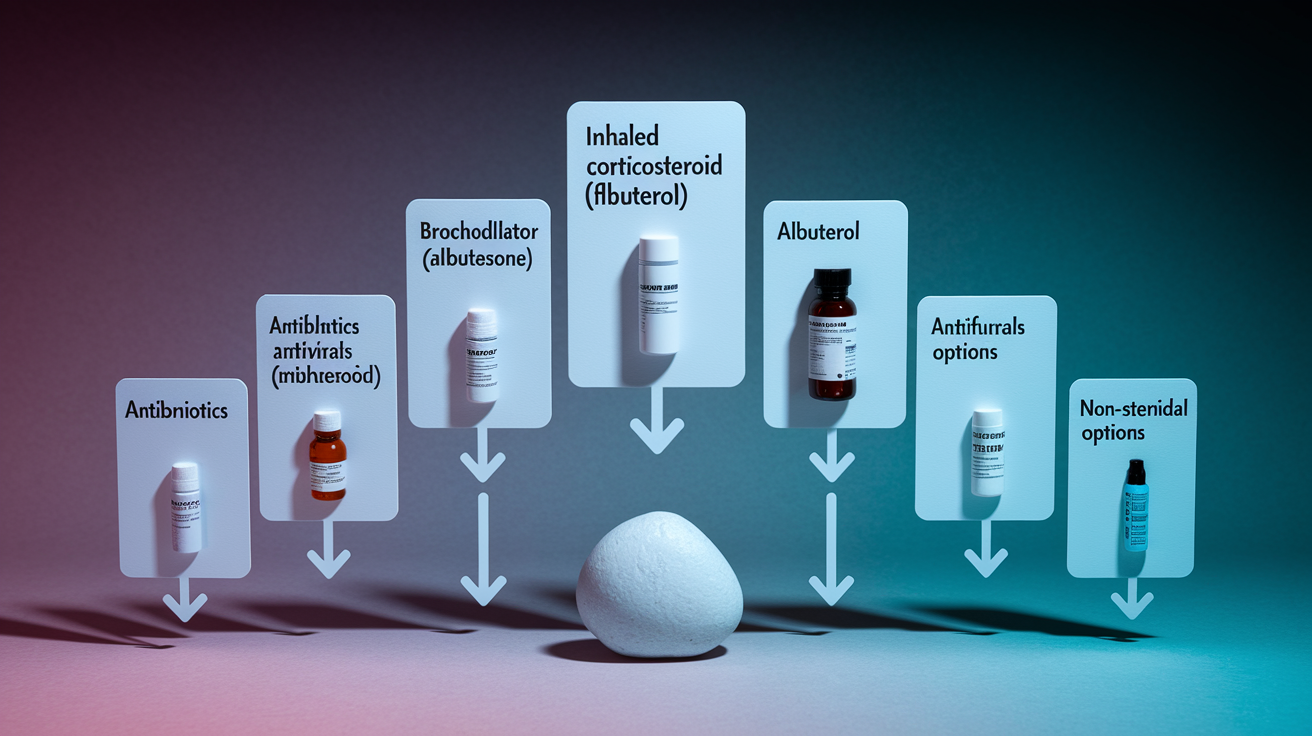
If prednisone is causing problematic side effects or increasing infection risk, your doctor may consider switching to a different corticosteroid or changing the route of administration. Other oral steroids like dexamethasone or methylprednisolone work similarly but have different dosing schedules. Methylprednisolone is sometimes given as a prepackaged taper (for example, a 6-day Medrol dose pack starting with 6 tablets on day one, then stepping down each day). Inhaled corticosteroids such as fluticasone deliver the anti-inflammatory effect directly to the airways with less impact on the rest of the body, reducing systemic side effects like immune suppression, though they can still cause local throat irritation or hoarseness.
Non-steroidal options depend on what’s causing the cough. If infection is present or suspected, antibiotics target bacteria, antivirals address certain viruses, and antifungals treat fungal infections. For symptomatic cough relief, options range from simple expectorants and cough suppressants to prescription antihistamines or combination products. Each alternative has its own profile of benefits and risks. The right choice depends on your specific diagnosis, symptom pattern, and overall health.
| Option | How It Works | When It’s Used |
|---|---|---|
| Inhaled corticosteroids (e.g., fluticasone) | Delivers anti-inflammatory medication directly to the airways, reducing local inflammation with less systemic absorption | Chronic asthma, COPD maintenance, or when long-term anti-inflammatory treatment is needed with fewer whole-body side effects |
| Other oral corticosteroids (dexamethasone, methylprednisolone) | Similar immune suppression and anti-inflammatory action as prednisone, but with different dosing or duration profiles | Short bursts for acute flares, or when a different taper schedule or potency is preferred |
| Bronchodilators (e.g., albuterol inhaler) | Relaxes airway smooth muscle to open breathing passages, does not reduce inflammation | Acute wheezing or shortness of breath in asthma or COPD; often used alongside steroids |
| Antibiotics, antivirals, or antifungals | Targets the specific infectious organism causing or contributing to the cough | When testing or clinical signs indicate bacterial, viral, or fungal respiratory infection |
Final Words
Prednisone often lowers the inflammation that causes cough, so it can help with asthma or a post-viral cough. But it can also cause throat dryness, rebound cough after stopping, or raise infection risk that leads to a new cough.
Keep a short log of when the cough started, how it changes, and any fever or breathing trouble. Seek care for red flags.
If you’re asking can prednisone make you cough, the short answer is: not usually directly; immune effects or irritation sometimes do. Talk with your clinician. Most coughs improve with the right steps.
FAQ
Q: Can prednisone cause dry cough?
A: Prednisone can cause a dry cough indirectly: it rarely lists cough as a direct side effect but can dry or irritate the throat, and immune changes may increase infection risk that produces cough.
Q: What are the side effects of prednisone on the lungs?
A: Prednisone’s lung-related side effects include higher risk of respiratory infections, masking infection signs, and rare bacterial or fungal lung infections; it may also cause throat dryness, hoarseness, or subtle breathing changes.
Q: How soon can prednisone side effects start?
A: Prednisone side effects can begin within hours for mood or sleep changes, often days for throat dryness or cough-like irritation, and days to weeks for increased infection risk or metabolic effects.
Q: How long does prednisone take to get rid of a cough?
A: Prednisone typically starts easing inflammation-related cough within hours, but noticeable cough relief often takes a few days and depends on the cough’s cause, presence of infection, and treatment dose.