


Could your nightly cough actually be acid reflux sneaking up while you sleep?
When you lie down, stomach acid can move up into the esophagus (the tube between your throat and stomach) and irritate your throat, triggering a dry, persistent cough that wakes you and leaves you tired.
This guide explains why reflux gets worse at night, how to spot the signs that link your cough to reflux, simple bed and food changes that help, over-the-counter and prescription options, and when to see a clinician.
By the end you’ll have clear, practical steps to reduce coughing and protect sleep.
Why Nighttime Acid Reflux Causes a Cough

When you lie down, stomach acid moves upward way more easily than when you’re standing or sitting. Gravity usually keeps digestive juices where they belong, but lying flat takes away that natural help. Acid can slip through the lower esophageal sphincter (that muscular ring at the base of your throat), climb into your esophagus, and sometimes reach your upper throat and vocal cords. Your body responds with a reflexive cough. If reflux symptoms happen two or more times a week, you might be dealing with GERD (gastroesophageal reflux disease), a chronic condition that affects millions of people.
Nighttime makes things worse in several ways. Your body produces less saliva while you sleep, so there’s less natural acid neutralization happening. You swallow less often at night, which means acid that enters your esophagus just sits there instead of getting cleared back down. Stomach emptying slows during sleep hours. In some people, stomach acidity actually goes up overnight. The pressures in your lower and upper esophageal sphincters drop when you’re lying down, making it easier for acid to slip through. Up to 25% of people with GERD deal with frequent sleep disruptions from these nighttime symptoms.
The result? A cycle where acid irritates delicate throat tissue, causing coughing, throat clearing, and sometimes a choking sensation. You might wake with a sour or bitter taste in your mouth, feel a burning sensation in your chest or throat, or notice your voice sounds hoarse in the morning. For some people, acid reflux cough at night becomes the main symptom, even without classic heartburn. When acid reaches the upper esophagus or throat while you’re lying down, it can directly inflame airways and vocal cords. You end up with a dry, persistent cough that disrupts sleep and leaves you tired the next day.
Recognizing Symptoms That Suggest Your Night Cough Is From Reflux
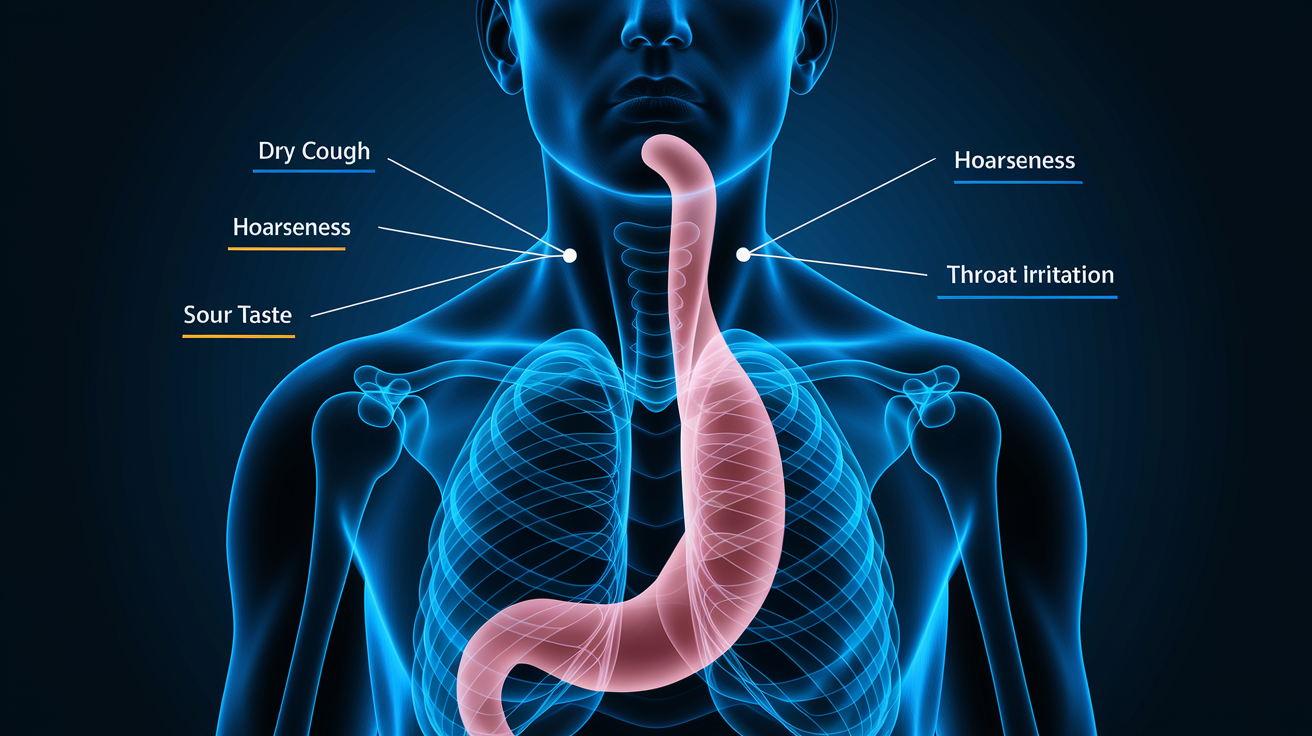
A GERD nighttime cough typically shows up as a dry, hacking cough that gets worse when you lie down and can stick around for more than 8 weeks. It often starts an hour or two after you go to bed, right when stomach contents have had time to move upward. Unlike a cough from a cold or sinus infection, reflux cough doesn’t usually come with a runny nose, sneezing, or thick mucus. Instead, you might notice a burning feeling in your chest, regurgitation of small amounts of food or liquid, or frequent throat clearing even when you don’t feel congested.
Postnasal drip can look similar to reflux symptoms, but there are differences. Postnasal drip often gets better when you sit up and tends to produce more mucus and a “tickle” sensation high in the throat or nasal passages. Reflux cough may actually get worse immediately after lying flat, and it’s often accompanied by other digestive clues. Silent reflux can happen without any heartburn at all. A nighttime cough becomes the only noticeable sign.
Common signs that point to reflux as the cause of your cough after lying down:
- Dry cough that starts or worsens at night, especially within 1 to 2 hours of lying down
- Sour, bitter, or acidic taste in your mouth when you wake or during the night
- Hoarseness or a raspy voice in the morning that improves as the day goes on
- Persistent throat clearing, even without mucus or congestion
- Sensation of a lump in your throat or difficulty swallowing
- Nighttime regurgitation or waking up coughing with liquid in your throat
Nighttime Positions and Bed Adjustments to Reduce a Reflux Cough

Changing how you position your body at night can make a real difference in nocturnal regurgitation and coughing. Raising the head of your bed by 6 to 8 inches helps gravity keep stomach contents down where they belong. Use bed risers under the legs at the head of your bed, or get an adjustable bed frame. A wedge pillow designed for reflux can also work, but stacking regular pillows is less effective because it bends your body at the waist and can actually increase abdominal pressure.
Sleeping on your left side has been shown to reduce the likelihood of acid flowing back into your esophagus. This position keeps the stomach below the esophageal opening because of how your digestive anatomy is arranged. Right-side sleeping, by contrast, can allow the lower esophageal sphincter to relax more and may increase reflux episodes for some people. If you tend to roll onto your back during the night, try placing a body pillow behind you to encourage side sleeping.
| Position or Method | Expected Benefit |
|---|---|
| Left-side sleeping | Reduces acid flow into esophagus due to stomach anatomy positioning |
| Right-side sleeping | May increase reflux risk; sphincter relaxes more in this position |
| Elevation with wedge pillow | Uses gravity to keep acid down; maintains spinal alignment better than stacked pillows |
| Elevation with bed risers | Raises entire upper body evenly; most effective method for consistent gravity assistance |
Evening Habits and Food Triggers That Worsen a Reflux Cough at Night

What you eat and when you eat it directly affect how much acid reflux you experience overnight. Heavy meals put more pressure on your stomach. Lying down before your stomach has emptied gives acid an easy path upward. Aim to finish eating at least 2 to 3 hours before bedtime. If you need a small snack later in the evening, keep it light and low in fat. Eating slowly also helps, since rushed meals can lead to swallowing more air and incomplete digestion.
Certain foods are well-known reflux triggers. Spicy food, chocolate, mint, citrus fruits, tomato-based sauces, fried and fatty meals, caffeinated drinks (including coffee, tea, and soda), and alcohol all relax the lower esophageal sphincter or increase stomach acid production. A late-night snack of pizza or a spicy burrito can set you up for a rough night. Carbonated beverages add extra pressure by creating gas. Alcohol and nocturnal reflux often go hand in hand because alcohol irritates the esophageal lining and impairs the sphincter’s ability to stay closed.
Everyone’s body reacts a little differently, so keeping a food diary can help you identify your personal triggers. Write down what you ate, when you ate it, and whether you had symptoms that night. Over a week or two, patterns usually become clear.
Foods and behaviors that commonly worsen a reflux cough at night:
- Spicy dishes (hot peppers, curries, heavily seasoned meals)
- Fatty or fried foods (burgers, fries, creamy sauces)
- Chocolate and mint (both relax the esophageal sphincter)
- Citrus fruits and juices (oranges, lemons, grapefruit)
- Tomato sauce and tomato-based products
- Caffeinated drinks (coffee, black tea, energy drinks, cola)
- Alcohol (wine, beer, spirits)
- Large meals or eating within 2 to 3 hours of bedtime
OTC and Prescription Treatments for a Reflux-Related Nighttime Cough

Over-the-counter medications can provide relief for many people dealing with acid reflux cough at night. Antacids work quickly to neutralize stomach acid and can help when you need fast relief from occasional heartburn or a sudden reflux episode. They don’t prevent acid production, so they’re best for short-term use or as-needed doses. H2 blockers (such as famotidine) reduce the amount of acid your stomach produces and can be taken before meals or at bedtime to prevent nighttime symptoms. Proton pump inhibitors, or PPIs (such as omeprazole or esomeprazole), are stronger acid reducers that work over several days to suppress acid production more completely.
Some people benefit from alginate-based products, which form a protective barrier on top of stomach contents to reduce reflux. Supplements such as probiotics, psyllium husk (a soluble fiber), and ginger have shown some evidence of symptom improvement in certain individuals, though results vary. If you’re pregnant, taking other medications, or managing a chronic condition, check with a pharmacist or clinician before starting any new over-the-counter remedy.
When lifestyle changes and OTC treatments don’t provide enough relief, prescription medications may be necessary. Stronger PPIs, prescription H2 blockers, or prokinetic agents (which help the stomach empty faster) can be considered. For severe or refractory GERD that doesn’t respond to medication, surgical options such as fundoplication (wrapping the top of the stomach around the lower esophagus to strengthen the sphincter) or newer endoscopic procedures may be recommended by a gastroenterologist.
Common medication classes and options:
- Antacids (calcium carbonate, magnesium hydroxide) for quick, short-term relief
- H2 blockers (famotidine, ranitidine alternatives) to reduce nighttime acid production
- Proton pump inhibitors (omeprazole, esomeprazole, lansoprazole) for stronger, longer-lasting acid suppression
- Alginate therapy (sodium alginate formulations) to create a physical barrier against reflux
- Prescription options and surgical procedures for persistent or complicated GERD cases
When a Nighttime Cough Requires Medical Evaluation

If your cough happens multiple times per week, disrupts your sleep regularly, or doesn’t improve after a few weeks of lifestyle adjustments and over-the-counter treatments, it’s time to see a healthcare provider. A chronic night cough can signal that acid is causing ongoing irritation or that another condition is at play. Your clinician can perform tests such as an upper endoscopy, pH monitoring, or esophageal manometry to confirm a diagnosis and check for complications like esophagitis (inflammation of the esophageal lining) or Barrett’s esophagus (changes to esophageal cells that can increase cancer risk over time).
Certain red-flag symptoms should prompt you to seek care right away. These warning signs may indicate severe reflux damage, aspiration (when stomach contents enter the lungs), or another serious condition that needs immediate evaluation. Don’t wait if you notice any of the following:
Severe chest pain or pressure, especially if it spreads to your arm, jaw, or back (this can mimic heart problems and should be evaluated urgently). Difficulty swallowing (dysphagia) or a sensation that food is getting stuck in your throat or chest. Unexplained weight loss, which may suggest chronic inflammation or a more serious underlying issue. Coughing up blood or dark material, which could indicate bleeding in the esophagus or airways. Symptoms of aspiration pneumonia, such as fever, shortness of breath, or a wet, productive cough after reflux episodes.
Long-Term Lifestyle Strategies to Prevent a Reflux Cough at Night

Maintaining a healthy weight is one of the most effective long-term steps you can take to reduce nighttime reflux. Extra weight, especially around the abdomen, increases pressure on your stomach and pushes acid upward. Even a modest weight loss of 5 to 10 percent of your body weight can lead to noticeable symptom improvement for many people. Combine this with regular physical activity, which helps with digestion and overall health. But avoid vigorous exercise right after meals since it can temporarily worsen reflux.
Quitting smoking is another major protective step. Smoking weakens the lower esophageal sphincter, reduces saliva production, and irritates the lining of your throat and esophagus. All of which make reflux and coughing worse. It also increases your risk of serious complications like esophageal cancer. If you smoke, talk to your healthcare provider about cessation programs and medications that can help. Wearing loose-fitting clothing, especially around your waist and abdomen, can also reduce pressure on your stomach. Tight belts, waistbands, and shapewear all compress the abdomen and can push stomach contents upward at night.
Building a calming bedtime routine that includes stress-reduction habits such as deep diaphragmatic breathing, gentle stretching, or mindfulness exercises may also help. Stress doesn’t directly cause reflux, but it can worsen symptoms and interfere with digestion. Increasing your daily fiber intake through whole grains, vegetables, and fruits can improve digestive health and reduce constipation, which sometimes contributes to increased abdominal pressure. Low-fiber, high-sugar diets and a sedentary lifestyle are both linked to higher GERD risk, so small, consistent improvements in diet quality and activity level can pay off over time.
Final Words
You’ve seen why lying flat lets stomach acid move upward, how reduced saliva and slower digestion make the throat sensitive, and why that can trigger a dry nighttime cough.
You also learned how to spot reflux-related signs, simple bed and diet fixes, over-the-counter and prescription options, and when to seek medical review.
Try small steps first: raise the head of the bed, avoid late meals, note triggers, and talk with a clinician if symptoms continue. With steady habits and the right care, you can reduce acid reflux cough at night and sleep more comfortably.
FAQ
Q: How can I stop coughing from acid reflux at night?
A: Stopping a nighttime cough from acid reflux involves raising the head of your bed 6–8 inches, avoiding food 2–3 hours before sleep, sleeping on your left side, and using OTC antacids or seeing a clinician if persistent.
Q: What does stage 4 GERD feel like?
A: Stage 4 GERD feels like severe, ongoing heartburn, frequent regurgitation, hoarseness, trouble swallowing, weight loss, or chest pain; it may reflect ulcers, scarring, or Barrett’s changes and needs prompt medical evaluation.
Q: How can I tell if my cough is from acid reflux?
A: You can tell a cough is likely from acid reflux by a dry nighttime cough, sour or bitter taste, throat clearing, hoarseness, symptoms worse after lying down, or no response to allergy medicines.
Q: What is the best medicine for acid reflux cough?
A: The best medicine for an acid reflux cough is tailored: antacids for quick relief, H2 blockers or proton pump inhibitors for ongoing acid control, and alginate for a reflux barrier; see a clinician if cough persists.