
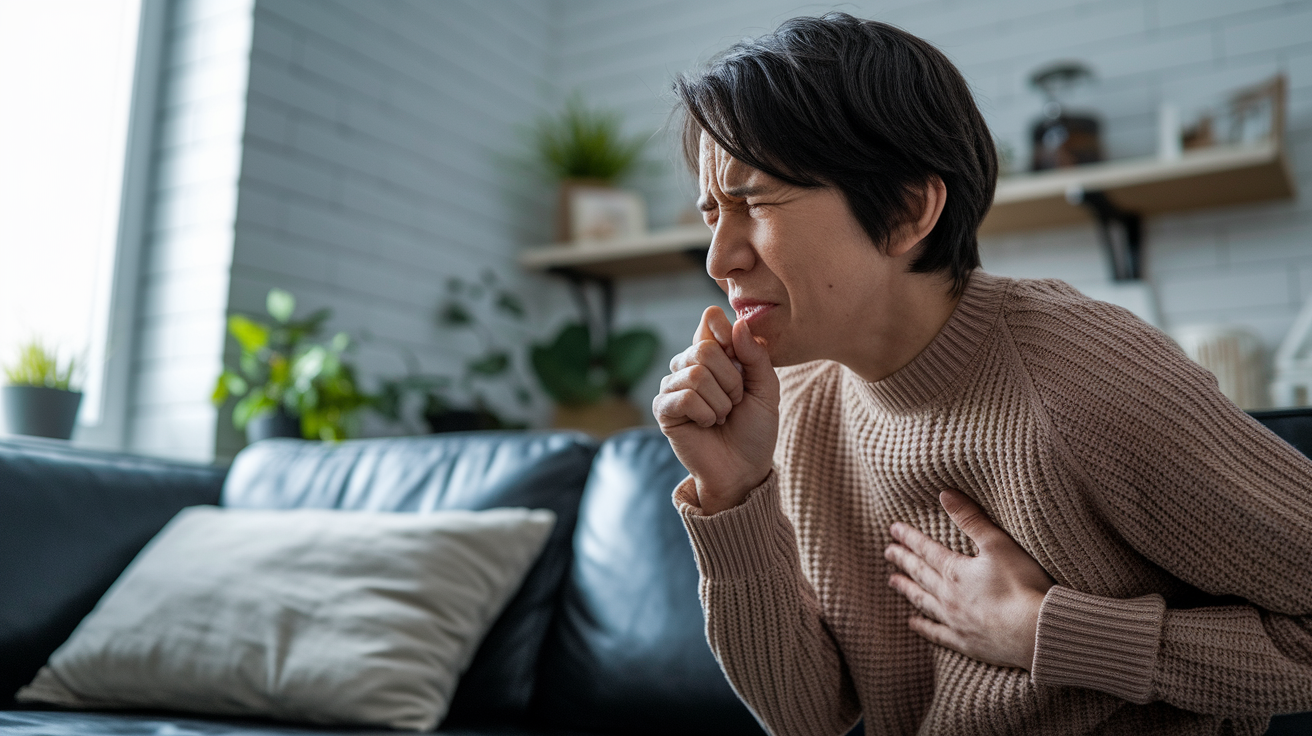

Why does my chest hurt when I cough, harmless or a warning sign?
Most of the time it’s from sore chest muscles or a mild lung infection.
This post breaks down common causes you can spot at home, like muscle strain, bronchitis, costochondritis, pleurisy, and rarer but serious problems, and the clues each one gives.
You’ll learn simple steps to ease pain and clear signs that mean you should seek urgent care.
Only a clinician can diagnose, but these tips help you know what to do next.
Common Reasons Chest Hurts When You Cough
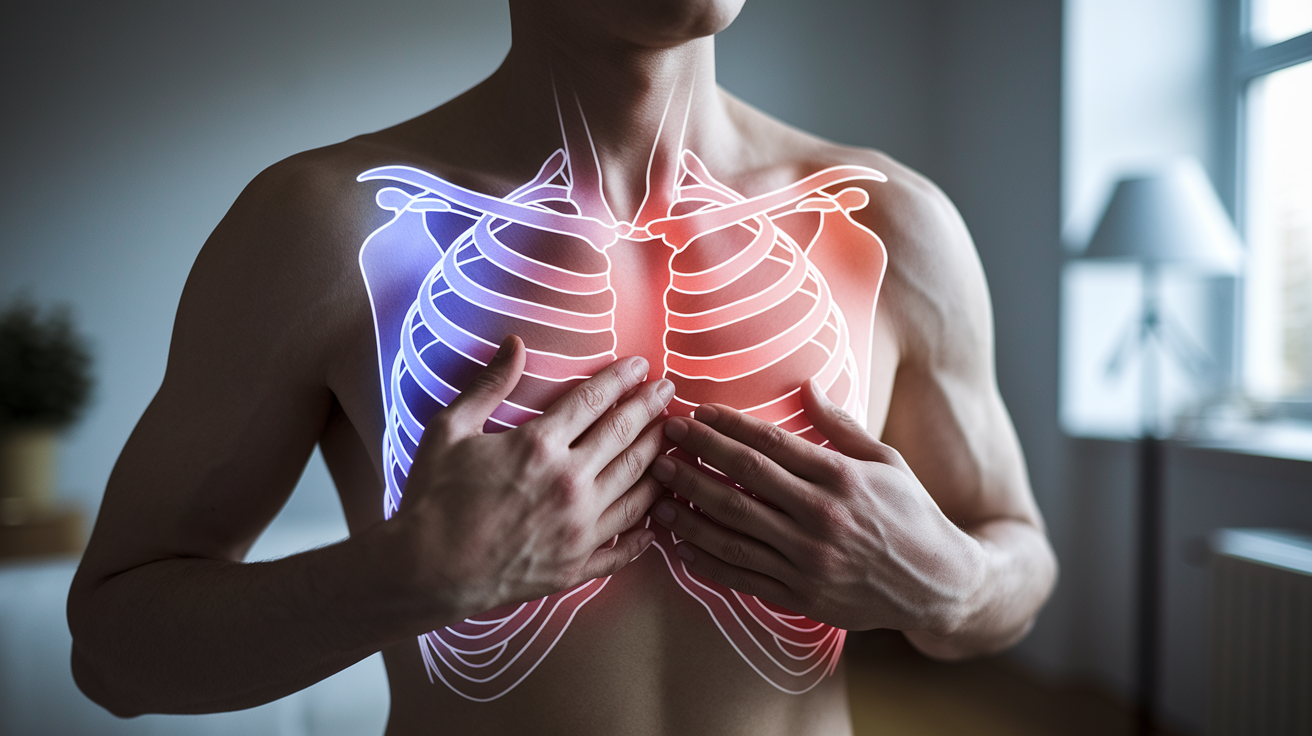
Most of the time, chest pain during coughing comes from strain on the muscles between your ribs. When you cough repeatedly or forcefully, those intercostal muscles get overworked, just like any muscle would after intense use. Respiratory infections like the common cold, flu, or acute bronchitis also irritate the airways and chest lining, making every cough feel tender or sore. Costochondritis, inflammation of the cartilage connecting your ribs to your breastbone, can cause sharp pain that worsens when you press on the area or take a deep breath. These common causes usually improve with rest and basic home care.
Sometimes chest pain when coughing signals something more serious. Pneumonia inflames the lung tissue and can produce sharp, stabbing pain that gets worse with breathing or coughing. Pleurisy, inflammation of the membrane surrounding the lungs, causes similar sharp pain. Pulmonary embolism, a blood clot in the lung, can trigger sudden severe chest pain along with shortness of breath. Heart problems like pericarditis or even a heart attack may show up as chest pain during a cough, especially if the pain spreads to your jaw, neck, or arm.
The pattern of your pain often points to the likely cause. Muscle strain and costochondritis typically produce localized tenderness you can pinpoint with your finger, and the pain gets worse when you move, twist, or press the area. Pleurisy and pneumonia cause sharp pain that spikes with each breath or cough. Heart-related pain often feels like pressure or heaviness and may come with sweating, nausea, or radiating discomfort.
Seek emergency care immediately if you experience:
- Sudden severe chest pain with shortness of breath or rapid heart rate
- Crushing or heavy chest pain that spreads to your arm, jaw, or back
- Coughing up blood or pink, frothy mucus
- Fainting, confusion, or feeling like you might pass out
Understanding the Different Types of Chest Pain When Coughing

The quality of your chest pain can help narrow down what’s causing it. Sharp, stabbing pain that hits with each cough or deep breath often points to pleurisy or a muscle strain along the chest wall. This pain feels precise, like a knife point. You might hold your breath or avoid deep breathing because it hurts too much. Dull, achy pain that spreads across the chest usually comes from inflammation in the airways, like bronchitis, or from overworked chest muscles after days of coughing.
Burning pain rising from the lower chest or upper stomach often signals acid reflux (GERD), especially if it gets worse after eating or when lying down. Tightness or squeezing sensations can indicate airway narrowing from asthma or, more seriously, heart involvement. If your chest feels like a band is wrapped around it and breathing is harder than usual, that’s different from the localized tenderness of a pulled muscle.
| Pain Type | Typical Cause | Associated Symptoms |
|---|---|---|
| Sharp, stabbing | Pleurisy, muscle strain, costochondritis | Worsens with breathing or movement; may be tender to touch |
| Dull, achy | Bronchitis, general muscle fatigue | Persistent cough, mild fever, chest soreness across wide area |
| Burning | GERD (acid reflux) | Heartburn, regurgitation, worse after meals or lying flat |
When Chest Pain From Coughing Indicates a Respiratory Issue

Acute bronchitis is one of the most common reasons your chest hurts when you cough. The airways become inflamed and irritated, usually by a virus, and you develop a persistent cough that can last two to three weeks. The chest feels sore from the inside. You might cough up clear, white, yellow, or green mucus as the infection progresses. Mild fever, body aches, and a scratchy throat often come along with it. The pain is usually a dull ache that spreads across the chest, not sharp or stabbing.
Pneumonia takes things a step further. The air sacs in your lungs fill with fluid or pus, and you’ll often notice a sharper chest pain that spikes when you breathe deeply or cough. Fever is common and can climb above 100.4°F (38°C), sometimes spiking higher. You might feel short of breath, tired, and confused if the infection is severe. The mucus you cough up can be thick, yellow, green, or rust-colored. Bacterial pneumonia usually responds to antibiotics, but viral cases need supportive care and time.
Pleurisy means the thin membrane lining your lungs and chest cavity is inflamed. This produces a very distinctive stabbing pain that gets worse every time you inhale, exhale, or cough. You might find yourself taking shallow breaths just to avoid the sharp jolt. Pleurisy can happen on its own or alongside pneumonia, a viral infection, or other lung conditions. If you also have fever, chills, or trouble breathing, that combination suggests something beyond simple muscle soreness and warrants medical evaluation.
Musculoskeletal Causes of Chest Pain When Coughing

Intense or repeated coughing puts serious strain on the muscles between your ribs. Those intercostal muscles work hard every time you cough. After days of a bad cold or bronchitis, they can become sore and fatigued, just like your legs feel after a long run. The pain is localized. You can often point to the exact spot, and it gets worse when you twist, bend, reach, or press on the area. This kind of muscle strain usually starts to improve within a few days to a couple of weeks once the cough calms down.
Costochondritis is inflammation of the cartilage where your ribs attach to your breastbone. It can develop after repeated coughing or a chest injury, or sometimes for no clear reason. The hallmark is sharp, pinpoint tenderness along the rib cage, often on the left side, which can be alarming because it might feel similar to heart pain. Pressing on the sore spot reproduces the pain, which helps distinguish it from cardiac causes.
Signs your pain is likely musculoskeletal:
- Pain worsens when you press on your chest, twist your torso, or raise your arms
- You can pinpoint the exact tender spot with one or two fingers
- Pain started after several days of hard coughing and hasn’t spread or changed location
Serious Conditions That Require Urgent Medical Attention

A pulmonary embolism (PE) is a blood clot that travels to your lungs and blocks a blood vessel. It causes sudden, sharp chest pain that often gets worse with breathing or coughing, along with rapid shortness of breath, a fast or irregular heartbeat, and sometimes coughing up blood. You might feel lightheaded or anxious, and your oxygen levels can drop quickly. PE is a medical emergency. Call 911 or go to the emergency department right away if you suspect it, especially if you’ve had recent surgery, a long flight, leg swelling, or other clot risk factors.
Pneumothorax, or a collapsed lung, happens when air leaks into the space between your lung and chest wall. You’ll feel sudden, one-sided chest pain and have trouble breathing. It can occur spontaneously in tall, thin young adults or after chest trauma. Even a small pneumothorax needs evaluation because it can worsen quickly. Heart problems, including a heart attack or pericarditis (inflammation around the heart), can also cause chest pain during coughing. Heart attack pain is typically a crushing or squeezing pressure that may spread to your left arm, jaw, neck, or back, often with sweating, nausea, and a sense of doom. Pericarditis produces sharp pain that can worsen when lying flat or taking a deep breath.
These conditions are less common than bronchitis or muscle strain, but they’re life-threatening. If your chest pain is sudden, severe, or accompanied by trouble breathing, fainting, confusion, rapid heart rate, or coughing blood, don’t wait. Seek emergency care immediately.
Home Remedies and Self-Care for Chest Pain When Coughing

For mild, non-urgent chest pain from coughing, rest is your first tool. Avoid heavy lifting, strenuous activity, and anything that strains your chest muscles while they’re sore. Drinking plenty of water helps thin mucus and keeps your airways moist, which can reduce the harshness of each cough. A warm compress on your chest for 15 to 20 minutes can relax tight muscles and ease discomfort. If the pain feels more like acute inflammation, try ice wrapped in a towel for 10 to 15 minutes instead.
Using a humidifier or breathing steam from a hot shower adds moisture to the air and soothes irritated airways. Honey in warm water or tea can coat your throat and calm a dry cough. A spoonful of honey before bed has been shown in studies to reduce nighttime coughing in both children and adults. Saltwater gargles, throat lozenges, and avoiding smoke or strong fumes also help your respiratory system recover. If your cough is keeping you awake, a short-term over-the-counter cough suppressant might provide relief, but use it only as directed and not for more than a few days without checking with a pharmacist or clinician.
Five simple home measures that can help:
- Stay hydrated (aim for clear or pale yellow urine as a hydration check)
- Apply warmth or ice to the sore area on your chest
- Run a humidifier or breathe steam to ease airway irritation
- Rest your voice and your body, avoid activities that worsen the pain
- Try honey (for adults and children over 1 year) or lozenges to soothe your throat
When to See a Doctor for Chest Pain While Coughing

Most coughs from colds or mild bronchitis get better on their own within two to three weeks. If your chest pain or cough lasts longer than that, or if it starts to get worse after initially improving, contact your clinician. Fever that won’t go away, especially if it climbs above 101.3°F (38.5°C) or lasts more than two to three days, suggests a bacterial infection that might need antibiotics. Difficulty breathing that gets progressively worse, even at rest or with light activity, is another sign you need medical evaluation.
If over-the-counter pain relievers and home remedies aren’t controlling your discomfort, or if you’re struggling to eat, drink, or sleep because of the pain, don’t wait. New leg swelling, recent surgery, long travel, pregnancy, or a history of blood clots increases your risk for pulmonary embolism, so mention those factors when you call for an appointment.
Situations requiring urgent or emergency evaluation:
- Severe chest pain with shortness of breath, sweating, nausea, or fainting
- Coughing up blood or pink, frothy mucus
- Oxygen saturation below 92% on a pulse oximeter, if you have one at home
- Sudden worsening of symptoms, confusion, or signs of shock like very low blood pressure or rapid heart rate above 100 to 120 beats per minute
Final Words
When a cough makes your chest hurt, this piece walked through the most common reasons: strained chest muscles, respiratory infections like bronchitis or pneumonia, and inflammation at the rib joints. It also explained how sharp, dull, or tight pain points to different causes.
You learned which signs are urgent and simple home steps to try while you watch symptoms: rest, fluids, warm compress, and a humidifier. Track what makes it better or worse.
If you’re still asking why chest hurts when i cough, see a clinician for lasting or severe symptoms. Most causes are treatable, and there’s help available.
FAQ
Q: What should I do if my chest hurts when I cough?
A: If your chest hurts when you cough, rest, use a warm compress, stay hydrated, and try OTC pain relief if safe. Seek urgent care for severe pain, trouble breathing, fainting, or coughing blood.