


Could a burning feeling in your chest and a stubborn cough be nothing more than heartburn or a sign of something more serious?
These symptoms often come from common problems like acid reflux (when stomach acid flows back up your esophagus) or airway irritation from bronchitis, asthma, infections, smoking, or environmental fumes, and they can overlap so it’s hard to tell which is causing the discomfort.
Read on to learn the likely causes, safe home steps you can try, and clear red flags that mean you should seek prompt medical care.
Understanding the Burning Sensation in Chest and Cough: Immediate Causes and What They Mean

When you’ve got a burning chest and a cough that won’t quit, it’s usually because something’s irritated your airways or your digestive tract. The two big culprits? Respiratory infections like bronchitis and acid reflux. Bronchitis gives you a dry cough that can drag on for weeks, gets worse at night, and comes with chest pain, fatigue, wheezing, and a low fever around 100 to 101°F. Acid reflux is what happens when stomach acid creeps back up into your esophagus. You’ll feel a burn behind your breastbone and often start coughing, especially when you lie down or bend over.
Pneumonia can also be the source. It brings higher fever, thick sputum, and rapid breathing. Asthma tightens your airways and keeps you coughing with that familiar chest tightness. Sometimes it’s not an infection at all. Cigarette smoke, chemical fumes, or heavy air pollution can inflame your airways just as easily. The burning you feel is inflamed tissue in your bronchial tubes or esophagus doing what inflamed tissue does. And honestly, the symptoms can overlap so much that it’s hard to tell if the problem’s in your lungs or your stomach without getting checked out.
Most of the time, rest, hydration, and over-the-counter help get you through. But if you’ve got sudden shortness of breath, crushing chest pain radiating to your arm or jaw, or you’re coughing up blood, that’s a different story. Those can mean a heart attack or pulmonary embolism (a blood clot in your lung). Pulmonary embolism usually includes sharp chest pain, a racing heart, and sudden breathlessness. Don’t wait on those.
The usual suspects for burning chest with cough:
- Bronchitis – your bronchial tubes get inflamed, often from a virus
- Gastroesophageal reflux disease (GERD) – stomach acid irritates your esophagus and throat
- Pneumonia – bacterial or viral infection deep in your lungs
- Asthma – chronic airway inflammation that tightens your breathing
- Environmental irritants – smoke, fumes, dust, or cold air
Common Respiratory Causes Behind Chest Burning and Cough
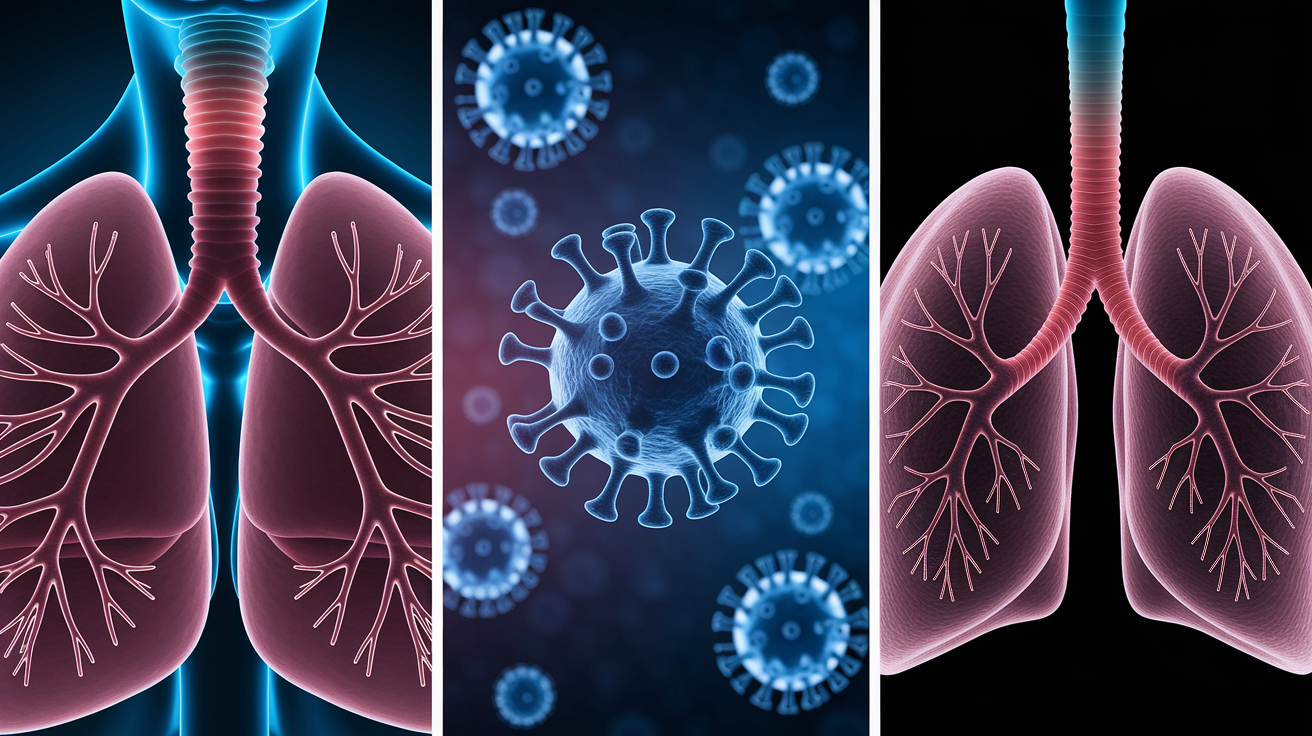
Bronchitis tops the list when we’re talking respiratory reasons for burning chest plus cough. It starts when your bronchial tubes get inflamed, usually after a cold or flu. The signature move is a dry cough that sticks around for weeks and gets worse at night. You might also notice you’re breathing harder even when you’re just sitting there. Fatigue, mild body aches, and a low fever around 100 to 101°F are common. Chest pain and tightness show up especially during deep breaths or coughing fits, and you might hear a faint wheeze when you exhale. Acute bronchitis typically wraps up in a few weeks, though the cough can linger. Chronic bronchitis is ongoing inflammation with recurrent coughing over months. It tends to hit people who’ve had long-term exposure to smoke or pollutants.
Viral respiratory infections like the common cold or flu can also set off chest burning and cough. These inflame your upper and lower airways, making mucus, nasal congestion, and a sore throat tag along with the cough. Pneumonia’s more serious. It affects the air sacs in your lungs, and symptoms ramp up fast: fever above 103°F, chills, rapid or labored breathing, and thick, foul-smelling sputum. The chest burning with pneumonia often feels sharper and more localized than the dull ache of bronchitis. Breathing discomfort can get severe.
Key differences:
- Bronchitis – weeks-long dry cough, wheeze, low fever, fatigue
- Viral infections – runny nose, sore throat, mild fever, general malaise
- Pneumonia – high fever, rapid breathing, thick or colored sputum, sharp chest pain
- Asthma – triggered by allergens or exercise, improves with inhaler use
Gastroesophageal and Reflux-Related Reasons for Chest Burning with Cough
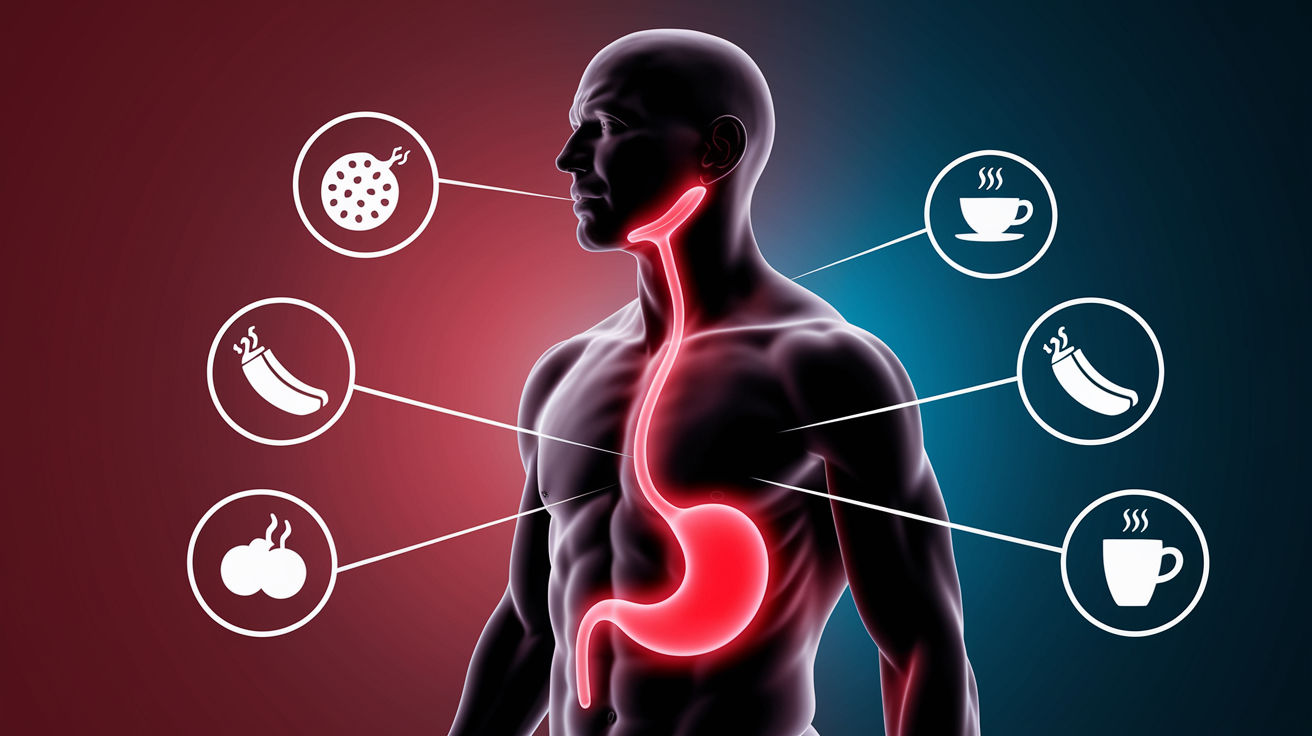
GERD happens when the muscle at the bottom of your esophagus doesn’t close right, so stomach acid flows upward. That acid irritates the lining of your esophagus and can reach your throat, creating a burn in your chest and setting off a dry cough. The burn sometimes gets mistaken for heart-related chest pain. A lot of people notice their symptoms spike after eating, especially meals with spicy foods, caffeine, alcohol, or high-fat dishes. Lying down or bending over soon after a meal makes reflux worse because gravity isn’t helping keep acid where it belongs.
GERD-related cough often shows up at night or when you recline. You might wake up coughing or feel the burn creep up your chest after going to bed. Other clues include a sour taste in your mouth, hoarseness, or the feeling that something’s stuck in your throat. Not everyone with reflux gets obvious heartburn. Some people only experience the cough and chest discomfort, which can delay figuring out what’s really going on.
Standard treatments include over-the-counter antacids that neutralize stomach acid quickly, H2 blockers that reduce acid production for several hours, and proton pump inhibitors that offer longer-lasting suppression. Lifestyle changes help too. Elevate the head of your bed by about six inches, don’t eat within two to three hours of lying down, and avoid foods and drinks that trigger your symptoms. Losing weight and quitting smoking can reduce reflux pressure.
| Trigger | Effect on Symptoms |
|---|---|
| Spicy foods, caffeine, alcohol | Relaxes esophageal sphincter, increases acid reflux |
| Large or fatty meals | Slows stomach emptying, raises pressure and reflux risk |
| Lying down after eating | Removes gravity assist, allows acid to flow back up |
| Bending or straining | Increases abdominal pressure, pushes acid upward |
| Smoking | Weakens sphincter, irritates esophagus, slows healing |
Environmental, Medication, and Lifestyle Factors Contributing to Burning Chest Sensations with Cough

Environmental exposures get overlooked a lot, but they’re a common cause of chest burning and cough. Cigarette smoke, secondhand smoke, air pollution, dust, and chemical fumes can all inflame the lining of your airways. Cold air can do the same, especially if you’re exercising outdoors in winter. When you breathe in these irritants, your bronchial tubes react by making mucus and tightening, which leads to coughing and a raw, burning feeling in your chest. People who work around fumes, sawdust, or industrial chemicals face higher risk.
Certain medications can trigger a chronic dry cough that feels like it’s coming from deep in your chest. ACE inhibitors, a class of blood pressure drugs, are notorious for this side effect. The cough typically starts a few weeks after beginning the medication and sticks around as long as you take it. If you develop a new cough after starting any prescription, mention it to your clinician. Postnasal drip from allergies or sinus issues can also irritate your throat and upper airways, causing a persistent cough and mild chest discomfort.
Lifestyle habits matter. Smoking’s the single biggest avoidable cause of chronic cough and chest burning. It damages the cilia in your airways, making it harder to clear mucus and irritants. Over time, smoking leads to chronic bronchitis and increases lung cancer risk. Even occasional exposure to heavy smoke or strong cleaning products can set off symptoms in sensitive people.
Common triggers:
- Cigarette smoke and secondhand smoke
- Air pollution, smog, and particulate matter
- Dust, mold, and pet dander
- Chemical fumes from cleaning products, paints, or industrial settings
- Cold or dry air during outdoor activity
- ACE inhibitor medications for high blood pressure
Distinguishing Chest Burning from Other Types of Chest Pain
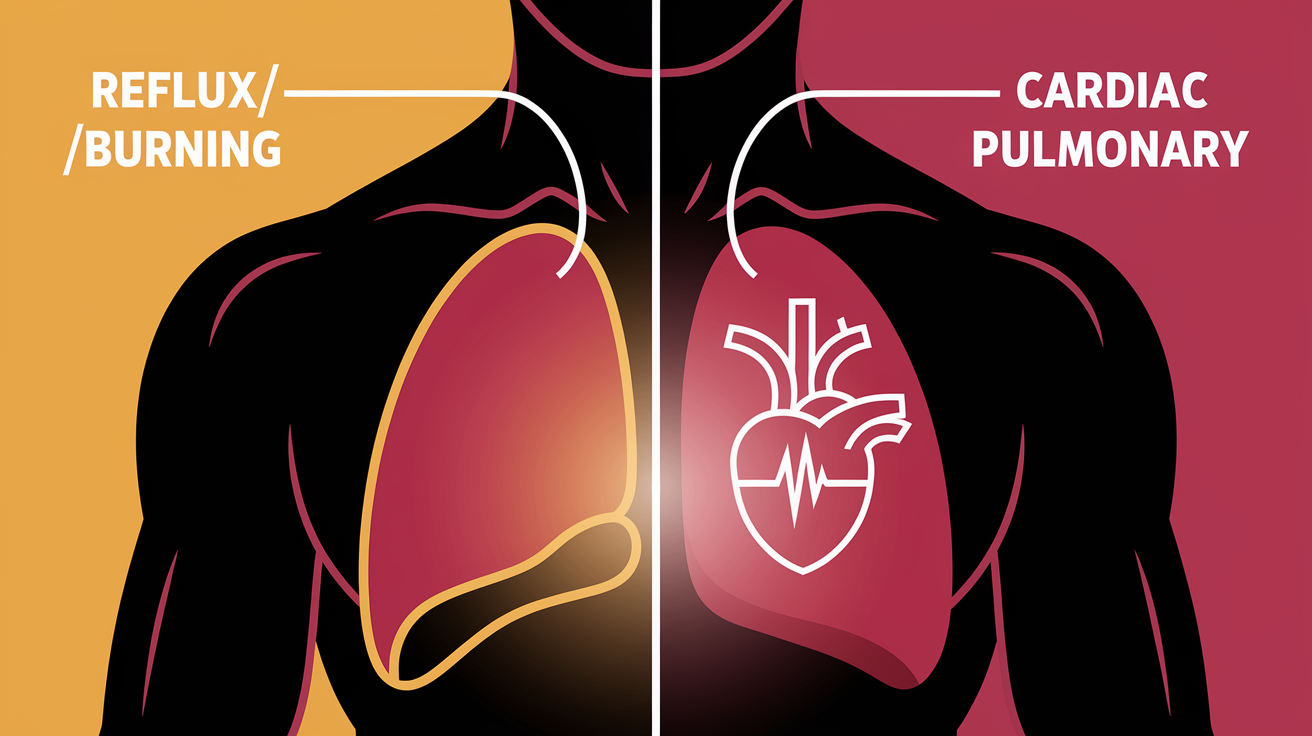
Not all chest discomfort feels the same. Recognizing the difference can help you decide how urgently you need care. Reflux-related chest burning’s usually described as a rising, warm sensation behind the breastbone, often paired with a sour taste or cough. It tends to get worse after meals or when you lie down. Bronchitis and other airway irritations produce a raw, aching burn that worsens with coughing or deep breathing. These types of chest discomfort generally aren’t life-threatening, though they can be very uncomfortable and persistent.
Cardiac chest pain’s different. It often feels like pressure, squeezing, or a heavy weight on your chest. The pain may radiate to your left arm, jaw, neck, or back. You might also feel short of breath, nauseated, lightheaded, or sweaty. Pulmonary embolism can cause sudden, sharp chest pain that gets worse when you breathe deeply, along with rapid heart rate, shortness of breath, and sometimes coughing up blood. Both are medical emergencies.
Red-flag symptoms:
- Crushing or squeezing chest pain that radiates to your arm, jaw, or back
- Sudden, severe shortness of breath or difficulty catching your breath
- Coughing up blood or pink, frothy sputum
- Rapid heart rate, dizziness, or fainting
- Chest pain that started suddenly after recent surgery, long travel, or prolonged bed rest
Diagnostic Steps for Burning Chest Sensations and Cough

When you visit a clinician for chest burning and cough, the evaluation usually starts with a detailed history. Your provider will ask when the symptoms began, what makes them better or worse, whether you have fever or sputum production, and if you’ve got a history of reflux, asthma, or heart disease. They’ll listen to your lungs with a stethoscope to check for wheezing, crackles, or decreased breath sounds that might point to bronchitis, pneumonia, or asthma.
If a respiratory infection’s suspected, a chest X-ray can help identify pneumonia or rule out other lung problems. An electrocardiogram may be ordered if there’s any concern about your heart, especially if your pain’s severe or radiates. For people with symptoms that suggest reflux, your clinician might recommend an upper endoscopy (also called an EGD) to look directly at your esophagus and stomach lining. Esophageal pH monitoring measures acid levels in your esophagus over 24 hours and can confirm GERD. Esophageal manometry checks how well the muscles in your esophagus are working and can identify motility problems that contribute to reflux.
Keeping a symptom diary before your appointment can be very helpful. Note when your cough and chest burning occur, what you were doing or eating beforehand, and any other symptoms like shortness of breath or heartburn. That record gives your clinician useful clues about triggers and patterns.
| Test | What It Detects |
|---|---|
| Chest X-ray | Pneumonia, lung masses, fluid in the chest |
| Electrocardiogram (ECG) | Heart rhythm problems, signs of heart attack |
| Upper endoscopy (EGD) | Esophageal inflammation, ulcers, Barrett’s esophagus |
| Esophageal pH monitoring | Acid reflux episodes over 24 hours |
| Pulmonary function test | Asthma, chronic obstructive pulmonary disease, airway obstruction |
Treatment Options for Burning Chest and Cough: From Home Care to Clinical Therapies
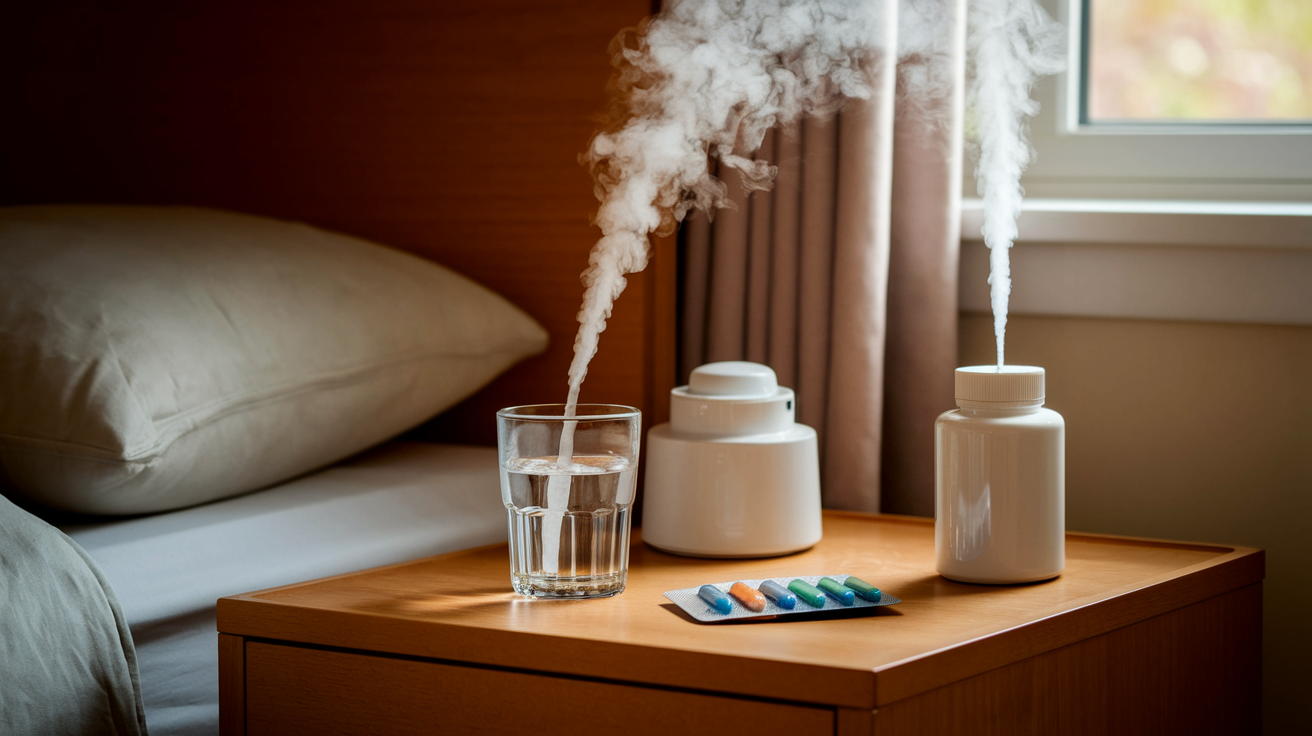
Many cases of chest burning and cough respond well to self-care and over-the-counter treatments. Drinking plenty of water helps thin mucus and keeps your throat moist. Warm salt-water gargles can soothe throat irritation. A cool-mist humidifier adds moisture to the air and can ease airway dryness, especially in winter. Rest’s important because your body needs energy to fight infection and heal inflamed tissue. Over-the-counter pain relievers like ibuprofen or acetaminophen can reduce chest discomfort and bring down mild fever. Always follow the label and check with a pharmacist if you’re pregnant, older, on other medications, or managing a chronic condition.
For reflux-related symptoms, antacids provide quick relief by neutralizing stomach acid. H2 blockers like ranitidine or famotidine reduce acid production for several hours and work well for mild to moderate GERD. Proton pump inhibitors offer longer-lasting acid suppression and are often used for more persistent or severe reflux. Lifestyle changes, like eating smaller meals, avoiding trigger foods, and elevating the head of your bed, can make a big difference.
When symptoms point to a respiratory cause, your clinician may prescribe an inhaler if asthma or airway constriction’s contributing. Bronchodilators open your airways and make breathing easier. Antibiotics are only given if a bacterial infection like pneumonia or bacterial bronchitis is confirmed or strongly suspected. Most cases of bronchitis are viral and don’t respond to antibiotics. Cough suppressants can help you rest if your cough’s dry and keeping you awake, but they should be used cautiously and not for long periods without medical advice.
Common treatments:
- Hydration and rest to support recovery
- Warm salt-water gargles for throat comfort
- Cool-mist humidifier to moisten airways
- Over-the-counter pain relievers for chest discomfort and fever
- Antacids, H2 blockers, or proton pump inhibitors for acid reflux
- Inhalers or bronchodilators for asthma or airway tightness
- Antibiotics only when bacterial infection is confirmed
When to Seek Emergency Care for Burning Chest Sensations with Cough

Some symptoms require immediate medical attention because they can signal a serious or life-threatening condition. Call 911 or go to the nearest emergency room if you experience crushing chest pain that radiates to your arm, jaw, neck, or back. That pattern’s a classic warning sign of a heart attack. Sudden, severe shortness of breath or the feeling that you can’t catch your breath also warrants emergency evaluation, especially if it comes on quickly or is paired with chest pain.
Coughing up blood or pink, frothy sputum is never normal and can indicate pulmonary embolism, severe pneumonia, or another urgent lung problem. A fever that climbs persistently above 103°F and doesn’t respond to medication, especially when combined with rapid breathing or confusion, suggests a serious infection that may need hospital care. Sudden rapid heart rate, lightheadedness, or fainting can point to a pulmonary embolism or cardiac event.
Seek emergency care now if you have:
- Crushing or radiating chest pain, especially to the arm, jaw, or back
- Sudden, severe shortness of breath or inability to catch your breath
- Coughing up blood or pink, frothy sputum
- Persistent high fever above 103°F with rapid breathing or confusion
- Sudden rapid heart rate, dizziness, fainting, or blue lips and nails
Final Words
In the action, we reviewed likely reasons for a burning chest feeling with cough—bronchitis, pneumonia, GERD/acid reflux, asthma, and irritants—and how they tend to show up.
We also covered how clinicians check things (history, exam, chest X-ray, ECG, reflux tests) and simple home care like hydration, humidifiers, and avoiding triggers.
Watch for sudden breathlessness, coughing blood, or severe chest pain—get emergency care. For most people, tracking symptoms and seeing a clinician leads to clear tests and treatments that can help the burning sensation in chest and cough improve.
FAQ
Q: Why am I coughing and my chest burns?
A: Coughing with a burning chest often means airway irritation from bronchitis, acid reflux (GERD), pneumonia, asthma, or irritants like smoke. See a clinician if you have high fever, breathlessness, or blood in sputum.
Q: What are the first warning signs of pneumonia?
A: The first warning signs of pneumonia are fever, cough producing thick or colored mucus, fast breathing, chest pain that worsens with breaths, and marked tiredness; seek prompt medical care if breathing is hard or fever is very high.
Q: Does pneumonia feel like burning in your chest and does bronchitis feel like burning?
A: Pneumonia and bronchitis can both cause a burning chest feeling; bronchitis often gives a long dry cough, mild fever, and wheeze, while pneumonia usually causes higher fever, thick sputum, and more severe breathlessness.