


Could the leg cramp you shrugged off, the sleepless nights, or the sudden heart flutters be signs you need more magnesium?
About 48% of Americans get too little, and these symptoms often look like stress or normal aging, so the deficiency can be missed.
Spotting the pattern matters because low magnesium affects muscles, sleep, mood, nerves, and the heart.
This post shows the common signs to watch, how to track them, and simple steps that may help so you can act before small issues grow.
Key Magnesium Deficiency Signs to Know

About 48% of Americans don’t get enough magnesium from their diet, which makes deficiency one of the most common nutritional gaps you’ll find. But here’s the tricky part: low magnesium levels usually fly under the radar because the symptoms look a lot like stress, aging, or a dozen other things. Spotting the signs early can help you take action before the deficit starts messing with your muscles, heart, or nervous system.
Magnesium is involved in more than 300 enzyme reactions throughout your body. It helps muscles contract and relax, keeps your heart beating steadily, produces cellular energy (ATP), and regulates neurotransmitters that control mood and sleep. When your magnesium stores drop, these systems start to falter. The result? A range of symptoms that can worsen over time.
Here are the 9 most common signs you need more magnesium:
- Muscle cramps, twitches, or spasms, especially in your legs, feet, or eyelids
- Persistent fatigue, weakness, or low energy even after rest
- Insomnia or trouble falling asleep and staying asleep
- Anxiety, irritability, or mood swings
- Frequent headaches or migraines
- Numbness, tingling, or pins and needles sensations (paresthesia)
- Heart palpitations or irregular heartbeat
- Loss of appetite, nausea, or digestive upset
- Constipation or changes in bowel habits
If you’re noticing several of these symptoms at the same time, the likelihood increases that low magnesium is involved. Tracking which symptoms you have, when they happen, and how often can help guide your next steps. Whether that’s adjusting your diet, considering a supplement, or talking with a healthcare provider.
Muscle Related Magnesium Deficiency Symptoms

Muscle cramps, spasms, and twitching are often the earliest warning signs of low magnesium. Magnesium helps balance calcium inside muscle cells. When levels drop, calcium floods in unchecked, causing muscles to contract involuntarily. This shows up as leg cramps at night, sudden calf tightness during exercise, or that annoying eyelid twitch that won’t go away.
Muscle symptoms commonly appear in these areas:
Calves and legs, especially at night or after activity. Feet and toes, causing sudden cramping or stiffness. Eyelids, producing visible twitching or fluttering. Hands or jaw, especially during stress or repetitive motion.
Magnesium also powers the production of ATP, the energy currency your muscles use to work and recover. Without enough magnesium, muscles struggle to relax after contracting. That’s why you may feel stiff, sore, or prone to sudden spasms even when you haven’t exercised.
Sleep and Mood Changes Linked to Low Magnesium

Magnesium helps calm your nervous system by supporting GABA, a neurotransmitter that signals your brain to slow down and relax. It also plays a role in melatonin production and regulation, influencing when you feel sleepy and how deeply you sleep. When magnesium levels are low, this calming system weakens. You’re left feeling wired, restless, or unable to wind down at night.
Sleep issues tied to low magnesium can look like trouble falling asleep even when you’re exhausted. Or waking up multiple times during the night. Or waking up in the morning still feeling tired. You might notice your mind races more than usual, or that small worries feel harder to set aside at bedtime.
Low magnesium also affects mood stability and stress response. Magnesium helps regulate glutamate, an excitatory neurotransmitter, and modulates your body’s stress hormone pathways. People with low levels often report feeling more anxious, irritable, or emotionally fragile. You might find yourself snapping over small things, feeling on edge for no clear reason, or noticing a low level nervousness that doesn’t match what’s happening in your day.
Headaches, Migraines, and Neurological Signs

Magnesium plays a key role in nerve transmission and helps keep blood vessels in your brain functioning smoothly. It affects how nerves fire and how blood vessels constrict or dilate. When magnesium is low, nerves become hyperexcitable and blood vessels can spasm or overreact, setting the stage for headaches and migraines.
People with migraines often have lower magnesium levels than those without migraines. Some studies show that magnesium supplementation can reduce migraine frequency. Beyond headaches, low magnesium can also cause tingling, numbness, or pins and needles sensations, usually in the hands, feet, or around the mouth. These sensations happen because magnesium helps regulate calcium and potassium flow in nerve cells. When that balance tips, nerve signals misfire.
| Symptom | Underlying Mechanism |
|---|---|
| Frequent headaches or migraines | Magnesium deficiency increases nerve hyperexcitability and vascular spasm in the brain |
| Numbness or tingling (paresthesia) | Low magnesium disrupts calcium and potassium balance in nerve cells, causing abnormal sensory signals |
| Visual disturbances or aura | Altered nerve conduction and blood flow in the visual cortex due to magnesium deficit |
Heart Rhythm and Blood Pressure Signs of Needing More Magnesium

Magnesium helps stabilize the electrical activity of your heart by regulating ion channels. These are the gates that control how sodium, potassium, and calcium move in and out of heart cells. When magnesium drops, these channels can become unstable. Your heart may beat irregularly, race for no clear reason, or produce the fluttering sensation known as palpitations.
Watch for these heart related symptoms:
Heart palpitations or the feeling your heart skipped a beat. Racing heartbeat that happens at rest or without exertion. Irregular rhythm or the sensation of extra beats. Chest discomfort or tightness, especially with activity. Higher blood pressure readings or worsening hypertension.
Magnesium also helps blood vessels relax, which is why low levels are associated with elevated blood pressure in some people. If your blood pressure has been creeping up despite lifestyle changes, magnesium status is worth checking.
If you experience severe palpitations, chest pain, fainting, shortness of breath, or a very fast or very slow heart rate, seek emergency care right away. These can be signs of a serious arrhythmia or other cardiac problem that needs immediate evaluation.
Digestive and Appetite Related Magnesium Symptoms

Magnesium influences the smooth muscle that lines your digestive tract, helping it contract and relax in the coordinated waves that move food and waste through your system. When magnesium is low, this muscle activity can slow down. You might end up with constipation, bloating, or a general feeling that your gut isn’t moving as it should.
Early magnesium deficiency can also cause nausea and a loss of appetite. These symptoms are often vague and easy to overlook, especially if they come and go. You might notice you feel slightly queasy after meals or that your usual hunger cues are absent. Over time, reduced appetite can make the problem worse. You’re eating less of the magnesium rich foods your body needs to restore balance.
Bone and Hormonal Signs of Needing More Magnesium

Magnesium is essential for bone health because it helps regulate calcium and vitamin D metabolism, and it directly contributes to the structure of bone tissue. Over months and years, low magnesium intake is linked to lower bone mineral density and a higher risk of osteoporosis. You won’t feel these changes day to day, but they show up in bone density scans or as fractures that happen more easily than expected.
Magnesium also affects hormonal balance, particularly in women. Low levels can worsen these menstrual cycle symptoms:
Stronger or more painful PMS cramps. Increased bloating and water retention before periods. Mood swings, irritability, or low mood in the premenstrual phase.
Bone symptoms develop slowly, but they matter. If you have a family history of osteoporosis, are postmenopausal, or have avoided dairy and leafy greens for years, paying attention to magnesium intake now can help protect your bones later.
Daily Magnesium Needs and Recommended Intake
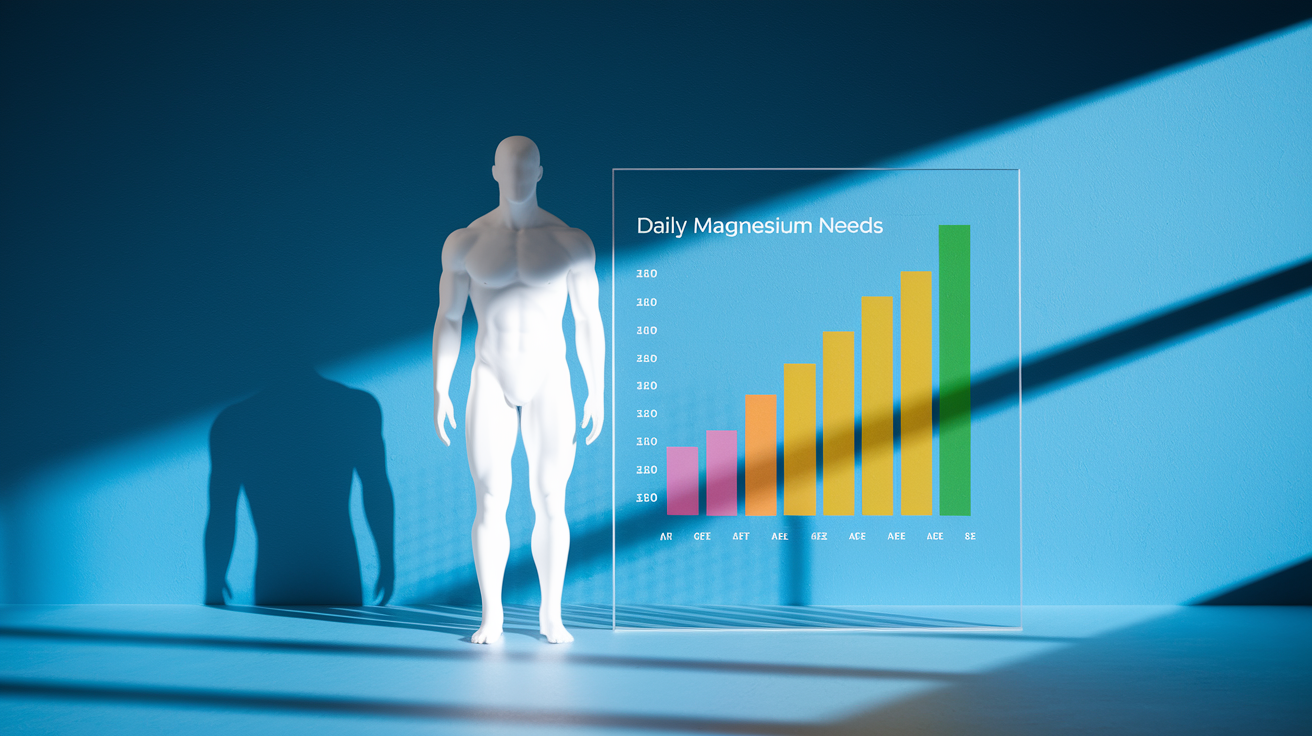
The recommended dietary allowance (RDA) for magnesium varies by age, sex, and life stage. These numbers represent the total daily intake from food and supplements combined. Meeting the RDA helps support normal muscle, nerve, heart, and bone function.
| Group | Daily Magnesium Needs (mg) |
|---|---|
| Men, 19–30 years | 400 |
| Men, 31+ years | 420 |
| Women, 19–30 years | 310 |
| Women, 31+ years | 320 |
| Pregnancy (age-dependent) | 350–360 |
| Lactation (age-dependent) | 310–320 |
The tolerable upper intake level (UL) for magnesium from supplements is 350 mg per day for adults. This limit doesn’t include magnesium from food, which has no established upper limit. Exceeding 350 mg from supplements increases the risk of diarrhea. In people with impaired kidney function, it can lead to dangerously high blood magnesium (hypermagnesemia). Some healthcare providers prescribe higher doses for specific conditions, but those regimens require monitoring.
Magnesium Rich Foods That Help Correct Deficiency

The safest and most effective first step for raising magnesium levels is adjusting your diet. Food sources provide magnesium along with other nutrients that support absorption and overall health. Dietary magnesium doesn’t carry the same risk of overdose as supplements.
Here are 8 magnesium rich foods with their approximate magnesium content per serving:
Cooked spinach, 1 cup: 150–160 mg. Roasted pumpkin seeds (pepitas), 1 oz: 150 mg. Cooked black beans, 1 cup: 120 mg. Cooked quinoa, 1 cup: 100–120 mg. Almonds, 1 oz: 75–80 mg. Cooked brown rice, 1 cup: 80–90 mg. Dark chocolate (70–85% cacao), 1 oz: 50–65 mg. Avocado, 1 medium: 50–60 mg.
You can reach approximately 300 mg of magnesium by combining a cup of cooked spinach (150 mg), an ounce of almonds (80 mg), and a cup of cooked brown rice (85 mg) in a single day. Adding one or two of these foods to each meal makes it easier to meet your daily needs without relying on supplements.
Magnesium Supplement Options and Safety

If your diet falls short or your symptoms persist despite eating magnesium rich foods, a supplement can help. Magnesium supplements come in several chemical forms, each with different absorption rates and typical uses. The key number to check on the label is elemental magnesium. That’s the actual amount of magnesium your body can use, not the total weight of the compound.
Most over the counter supplements provide 100–400 mg of elemental magnesium per dose. Common forms include citrate, which has moderate to high absorption and is often used when constipation is present. Glycinate is gentle on the stomach and commonly recommended for sleep or relaxation. Oxide contains more elemental magnesium per tablet but absorbs poorly and frequently causes diarrhea.
| Form | Absorption | Common Use | Side Effects |
|---|---|---|---|
| Magnesium citrate | Moderate–high | General deficiency; mild laxative effect useful for constipation | Diarrhea at high doses |
| Magnesium glycinate | High | Sleep support, anxiety, muscle cramps; gentler on digestion | Minimal GI upset |
| Magnesium oxide | Low | Budget option; higher elemental magnesium but poorly absorbed | Frequent diarrhea, bloating |
Don’t exceed 350 mg per day of supplemental magnesium unless directed by a healthcare provider. If you have kidney disease, heart block, or take medications that affect magnesium levels (such as diuretics, proton pump inhibitors, certain antibiotics, or digoxin), check with your clinician before starting any magnesium supplement. High magnesium levels can slow the heart or cause serious electrolyte imbalances in people with impaired kidney function.
Testing for Magnesium Deficiency and When to See a Clinician
The most common test for magnesium is a serum (blood) magnesium level, with a typical reference range of 1.7–2.2 mg/dL. This test is quick and widely available, but it has limitations. Serum magnesium reflects only about 1% of your body’s total magnesium. Most of it is stored in bones and inside cells. Your blood level can appear normal even when your body’s overall stores are low.
More specialized tests include red blood cell (RBC) magnesium, which measures the magnesium inside your cells and provides a better picture of long term status. And 24 hour urine magnesium collection, which can help assess how much magnesium your kidneys are retaining or wasting. These tests are less commonly ordered but can be useful if symptoms suggest deficiency and serum magnesium is normal.
Contact a healthcare provider if you have severe or persistent symptoms, especially heart palpitations, fainting, chest pain, seizures, severe muscle weakness, or numbness that doesn’t improve. Seek emergency care immediately for chest pain with shortness of breath, very fast or very slow heartbeat, loss of consciousness, or sudden severe confusion. These can signal a dangerous arrhythmia or other urgent problem that requires immediate evaluation. If you’re pregnant, breastfeeding, have chronic kidney disease, or take medications that interact with magnesium, discuss testing and supplementation with your clinician before making changes on your own.
Final Words
You saw the main signs of magnesium shortfall — muscle cramps and twitching, sleep and mood changes, headaches and tingling, heart palpitations, digestive complaints, bone and hormonal hints, plus daily needs and food sources.
Try food-first changes like leafy greens, seeds, nuts, beans, and consider low-dose supplements or testing if symptoms persist. Track when symptoms start, what helps, and any new medicines.
If you notice several signs you need more magnesium, bring your notes to a clinician. Only a clinician can confirm low magnesium, and many people improve with simple steps.
FAQ
Q: What are the main signs that I need more magnesium?
A: The main signs that you need more magnesium are muscle cramps or twitching, fatigue, poor sleep, anxiety or irritability, headaches or migraines, numbness/tingling, heart palpitations, and digestive changes. Several together raise the chance—see a clinician.
Q: Can magnesium deficiency cause light sensitivity?
A: Magnesium deficiency can sometimes cause light sensitivity, usually via migraines or nervous-system overactivity that heightens sensory responses. If light bothers you with headaches, vision changes, or fainting, seek same-day care or discuss testing with a clinician.