


Could a sudden, sharp belly pain be harmless, or a sign you need the emergency room right now?
Sharp abdominal pain often feels like a stabbing, knife-like shock that’s different from dull cramps and can point to serious problems.
This post lays out the clear warning signs, simple ways to rate severity, and plain rules to choose ER, urgent care, or safe home watching.
Read on to learn what to track, what to say to a clinician, and when to get help fast.
Immediate Warning Signs: When Sharp Abdominal Pain Requires Urgent Action
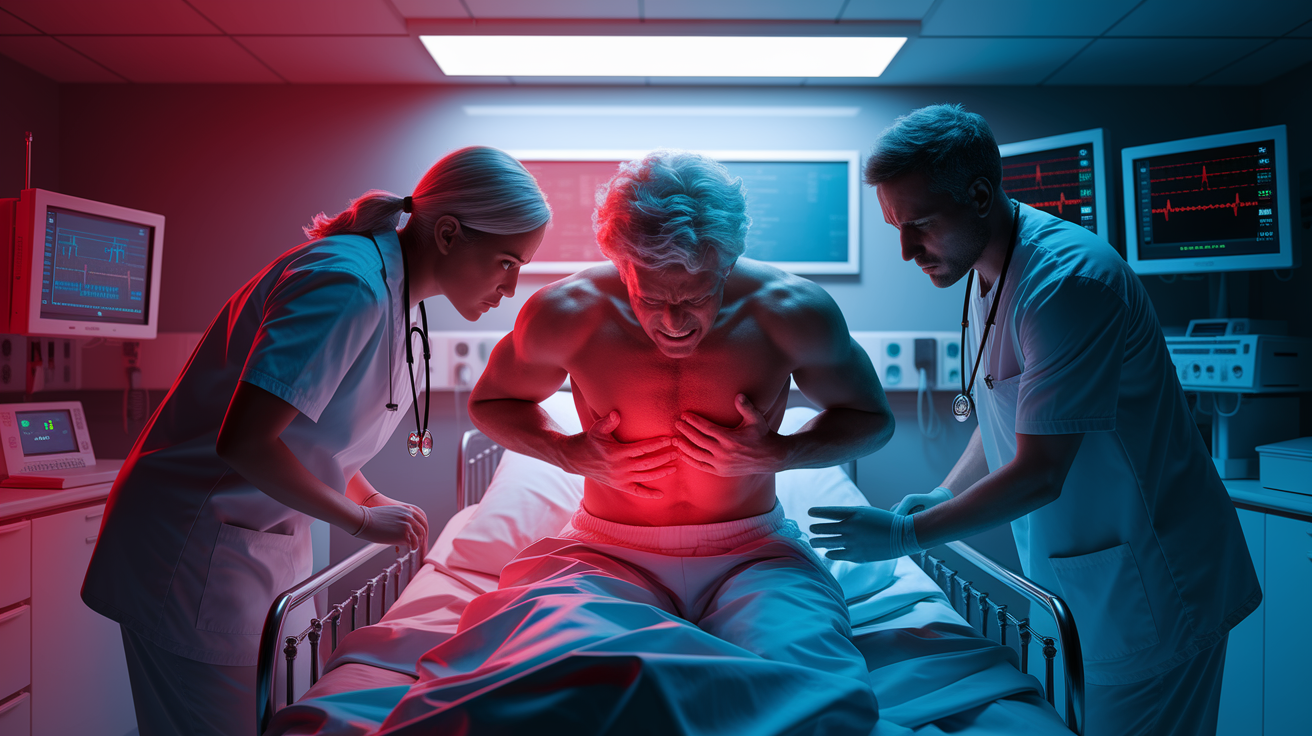
Sharp abdominal pain feels like a stabbing, knife-like, or piercing sensation that shows up suddenly. It’s completely different from dull cramping or mild discomfort. When pain hits without warning and you’d rate it a 9 or 10 out of 10, that’s often a medical emergency, even if nothing else seems wrong. Severe pain that stops you from standing, walking, or talking normally? Don’t ignore it.
Certain numbers help figure out how urgent things are. A fever over 101°F (38.3°C) plus abdominal pain raises concern for serious infection or inflammation. Heart rate faster than 100 beats per minute (tachycardia) or systolic blood pressure below 90 mmHg (hypotension) means your body’s under serious stress or losing blood. If you’re feeling faint, dizzy, cold, clammy, confused, or you notice a weak pulse, those are signs of shock. That needs emergency care right away.
Pregnancy makes everything more urgent. Any abdominal pain when you’re pregnant or might be pregnant, especially between 6 and 10 weeks after your last period, needs immediate evaluation. Why? Ectopic pregnancy. That’s when a pregnancy develops outside the uterus and can rupture, causing life-threatening bleeding. Recent abdominal trauma from a car wreck, fall, or blow also demands quick assessment, even if the pain seems mild at first. Internal injuries can get worse over hours.
Call 911 or head to the emergency room now if you notice any of these:
- Sudden, severe “worst-ever” abdominal pain that arrives within seconds or minutes
- Fever higher than 101°F (38.3°C) with abdominal pain
- Vomiting blood (red or coffee-ground appearance) or coughing up blood
- Bloody stools, bright red rectal bleeding, or black tarry stools (melena)
- Rigid, board-like abdomen that’s extremely tender when touched, or severe pain when pressure is released (rebound tenderness)
- Can’t pass stool or gas for several hours, combined with a swollen, distended abdomen and vomiting
- Fainting, near-fainting, dizziness, rapid shallow breathing, cold/clammy skin, confusion, or weak pulse
Understanding Sharp Abdominal Pain Patterns and Severity Levels
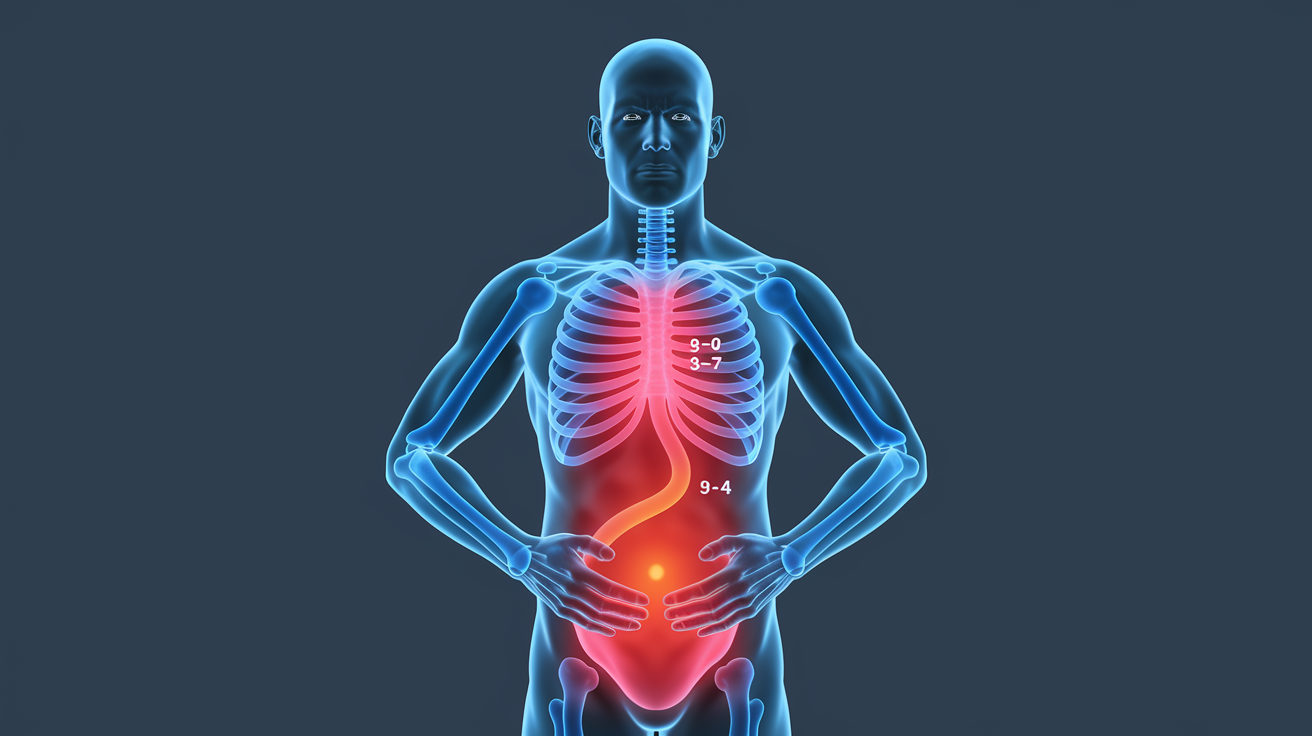
How bad the pain is helps you decide whether to seek care. A pain score of 9 or 10 out of 10 usually means the pain’s unbearable, stops you from doing anything else, and you should go to the emergency room immediately. Moderate pain in the 5 to 7 range that sticks around or gets worse over a few hours, especially if it settles in one specific spot like the right lower abdomen or right upper abdomen, usually needs a same-day doctor visit or urgent care trip.
Mild pain rated 4 or below, if it’s stable and you don’t have fever, vomiting, bloody stools, or pregnancy, might be safe to watch at home for 24 to 48 hours. During that time, if pain gets worse, new symptoms show up, or you can’t keep fluids down, get medical care right away. The pattern matters just as much as the number. Sudden onset is more worrying than pain that builds slowly over days. Pain that wakes you from sleep or stops you mid-activity deserves more urgent attention than discomfort that comes and goes with meals.
| Pain Level (0–10) | Typical Meaning |
|---|---|
| 9–10 | Severe, unbearable pain; go to ER now even without other symptoms |
| 5–7 | Moderate, persistent pain; seek same-day urgent care or doctor visit |
| 1–4 | Mild, stable pain; may monitor at home for 24–48 hours if no red flags present |
| Any level with red flags | Immediate ER evaluation required regardless of pain score |
Causes of Sharp Abdominal Pain by Location
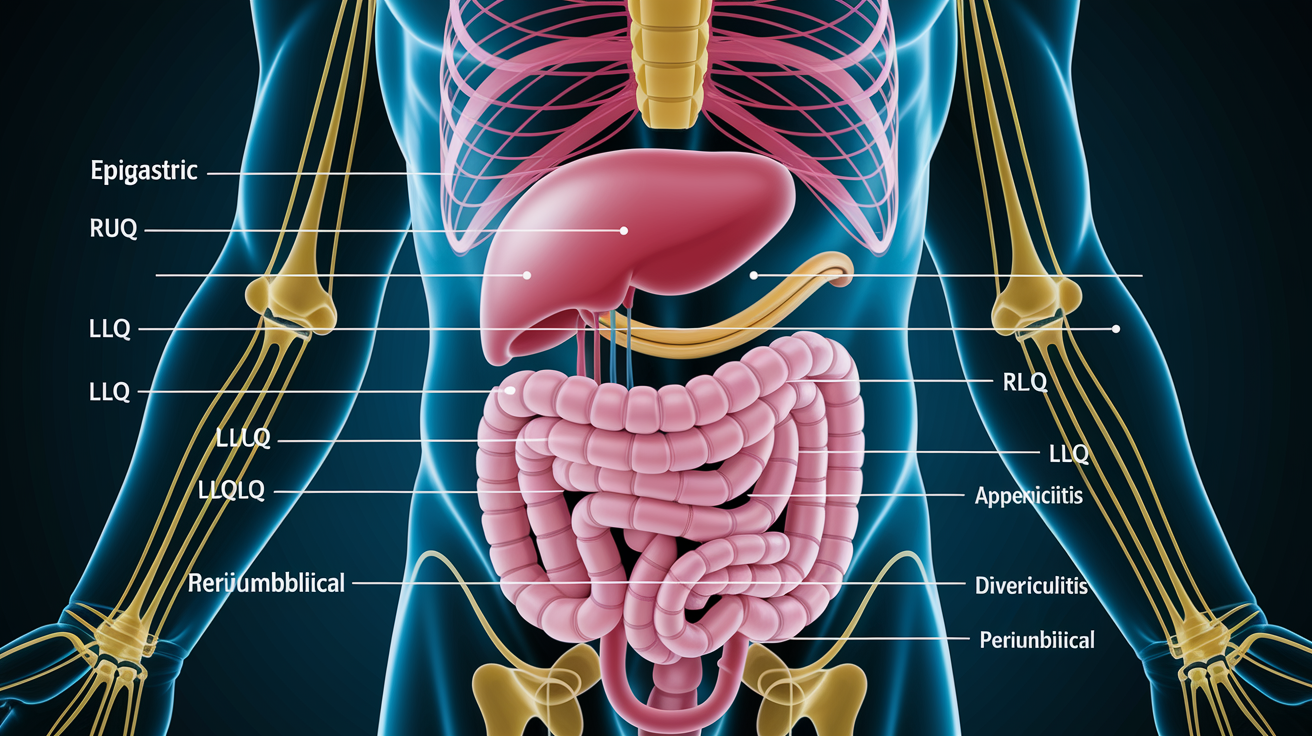
Where the sharp abdominal pain shows up can point toward specific organs or conditions. Your abdomen divides into regions: upper central (epigastric), right upper quadrant, left upper quadrant, right lower quadrant, left lower quadrant, and diffuse or around the belly button (periumbilical). Each area has typical causes that help doctors narrow down the diagnosis quickly.
Epigastric and Upper Central Abdomen
Sharp pain in the upper middle abdomen, just below the breastbone, often comes from the pancreas, stomach, or duodenum (the first part of the small intestine). Pancreatitis causes severe epigastric pain that shoots straight through to the back and gets worse after eating, especially fatty meals. Blood tests show elevated lipase and amylase enzymes. Peptic ulcer disease gives you a burning or stabbing pain in the same area, usually worse on an empty stomach or after certain foods, and sometimes relieved for a bit by eating or taking antacids. In older adults, reduced blood flow to the heart (myocardial ischemia) can feel like epigastric pain, so chest discomfort or pressure with upper abdominal pain always needs emergency evaluation.
Right Upper Quadrant
Pain in the right upper abdomen, beneath the rib cage, typically points to the gallbladder or liver. Biliary colic and cholecystitis (gallbladder inflammation) cause sharp or colicky pain that often shows up 30 minutes to a few hours after eating a fatty meal. You might also have fever, nausea, and tenderness when a doctor presses just below the right ribs during a deep breath (Murphy sign). Hepatitis or liver inflammation can produce a duller right upper quadrant ache along with yellowing of the skin or eyes (jaundice).
Left Upper Quadrant
The left upper quadrant sits beneath the left rib cage and houses the spleen, stomach, and tail of the pancreas. Splenic injury or rupture, usually after trauma like a car accident or contact sports injury, causes sharp left upper quadrant pain that may shoot to the left shoulder tip. Pancreatitis can also show up with left-sided pain if the inflammation centers on the tail of the pancreas.
Right Lower Quadrant
Sharp pain in the right lower abdomen is the classic spot for appendicitis. The pain often starts vaguely around the belly button (periumbilical) and then moves to the right lower quadrant over several hours. Fever, loss of appetite, nausea, and an elevated white blood cell count (above 10,000 to 12,000 cells per microliter) are common. In people with ovaries, sudden severe right lower pain can mean ovarian torsion (twisting of the ovary, cutting off blood supply) or a ruptured ovarian cyst. If you’re pregnant or could be pregnant and have right lower quadrant pain, ectopic pregnancy must be ruled out immediately.
Left Lower Quadrant
Left lower abdominal pain in adults over 50 often suggests diverticulitis, an infection or inflammation of small pouches (diverticula) in the colon. Fever, localized tenderness, and sometimes a change in bowel habits come with the pain. Ovarian conditions (torsion, cyst rupture, infection) can also cause left lower quadrant pain in those with ovaries.
Diffuse or Periumbilical Pain
Pain spread across the entire abdomen or centered around the belly button can come from gastroenteritis (stomach flu), which usually includes vomiting and diarrhea. Small-bowel obstruction causes crampy, diffuse pain with abdominal distension, vomiting, and inability to pass gas or stool. Mesenteric ischemia, a dangerous condition where blood flow to the intestines is reduced (more common in people over 60 or those with atrial fibrillation), produces severe pain that seems out of proportion to what the doctor finds on exam. It needs emergency imaging and intervention.
When to Choose ER, Urgent Care, or Same-Day Doctor Visit for Abdominal Pain
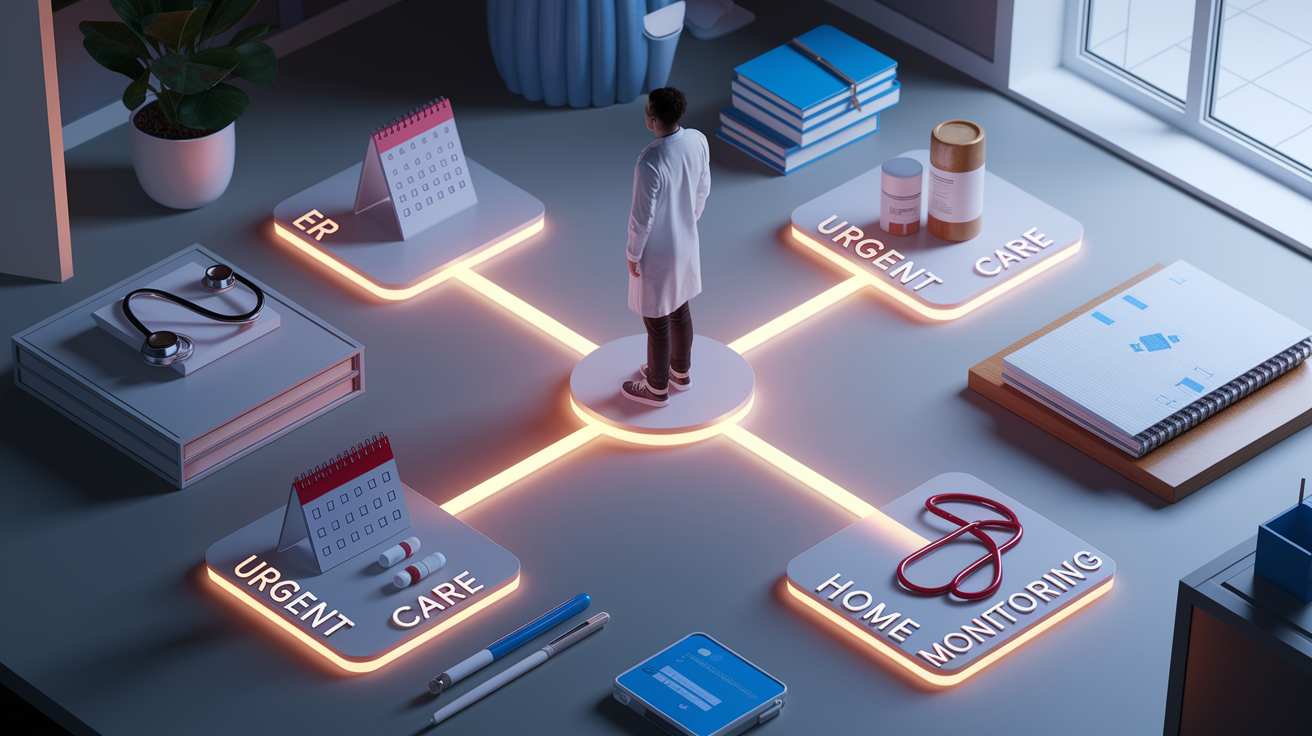
Deciding where to go depends on how the pain affects your ability to function and whether red-flag signs are present. If pain stops you from walking, standing upright, or speaking in full sentences, or if you’re experiencing any of the emergency warning signs covered earlier, go directly to an emergency room. The ER operates 24 hours a day and has immediate access to CT scans, ultrasounds, surgeons, and specialists.
Urgent care or a same-day appointment with your primary care doctor makes sense when pain is moderate, persistent, and clearly getting worse over several hours but you can still move, drink fluids, and speak normally. For example, if you develop localized right lower quadrant tenderness without fever or vomiting, or if you have new urinary symptoms with blood in your urine and flank pain suggesting a kidney stone, same-day evaluation is appropriate. Urgent care centers typically operate from 7:00 a.m. to 8:00 p.m. and can handle many non-life-threatening abdominal issues, including ordering lab work, X-rays, and sometimes ultrasounds.
Watching and waiting at home is safe only when pain is mild (rated 4 or below), stable, not getting worse, and you have none of the red-flag symptoms. Even then, set a clear timeframe: check in with yourself after 24 to 48 hours. If pain worsens, fever develops, you start vomiting repeatedly, or you can’t keep fluids down, go to urgent or emergency care immediately.
Use these rules to guide your choice:
- If pain messes with walking, standing, or basic movement, or if any red-flag symptom is present, go to the ER now
- If pain is moderate but you can function, it’s getting worse over hours, or it’s focused in one area (like RLQ or RUQ), seek same-day urgent care or doctor visit
- If you’ve had recent abdominal surgery, a colostomy, gastric bypass, or you’re immunosuppressed, lower your threshold and seek urgent evaluation earlier
- If you’re pregnant or could be pregnant with any abdominal pain, immediate ER evaluation required
- If pain is mild, stable, and not accompanied by fever, vomiting, bleeding, or pregnancy, you may monitor at home for 24 to 48 hours with a clear plan to get care if symptoms change
- If you’re not sure which level of care is right and there’s a combined ER/urgent care facility available near you, go there. Staff will triage you to the correct service level
Diagnostic Tests Commonly Used for Sharp Abdominal Pain Evaluation
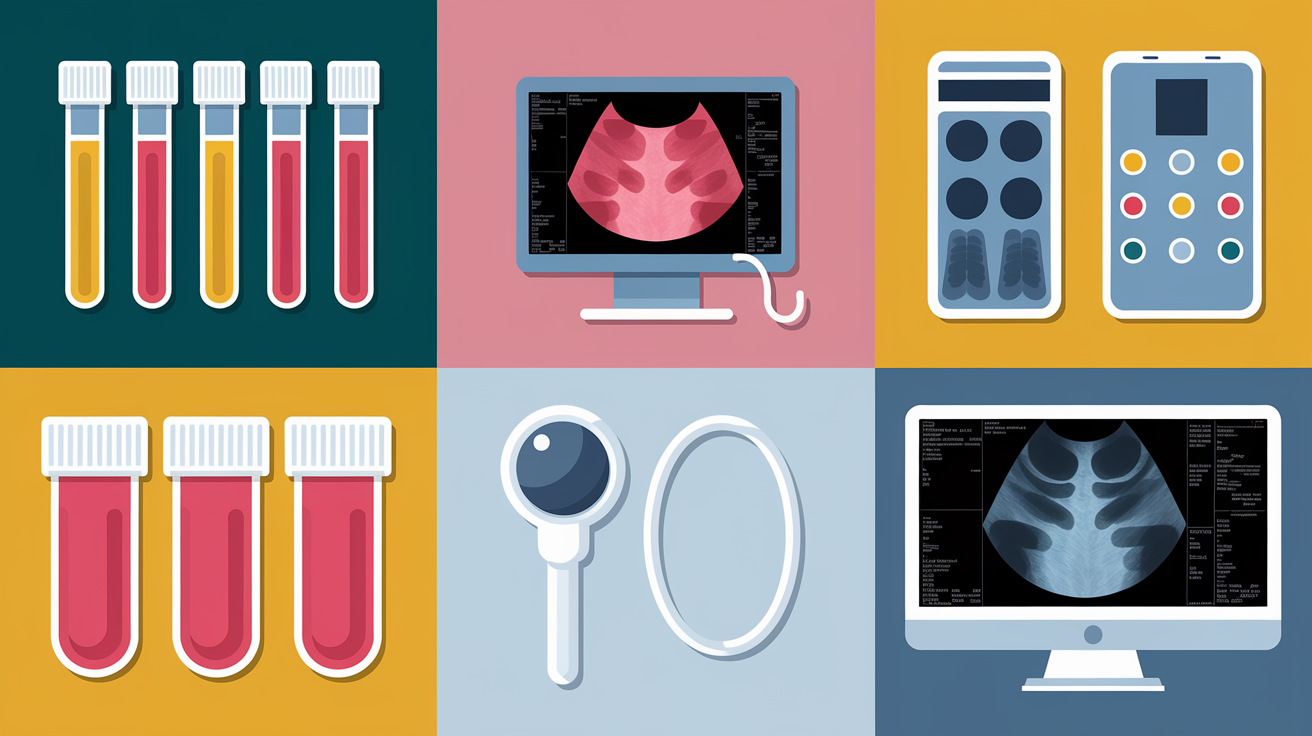
When you arrive at an emergency room, urgent care center, or same-day clinic with sharp abdominal pain, doctors will typically order a combination of blood tests, urine tests, and imaging studies to identify the cause. A pregnancy test is performed on all patients who could biologically be pregnant, because pregnancy changes the diagnostic approach and raises the urgency for conditions like ectopic pregnancy.
Blood work usually includes a complete blood count (CBC) to check white blood cell count (elevated in infection or inflammation) and hemoglobin/hematocrit (low if bleeding is occurring). A comprehensive metabolic panel (CMP) checks liver and kidney function, electrolytes, and glucose. Lipase and amylase levels help diagnose pancreatitis. Lactate can show poor tissue perfusion or ischemia. Urinalysis looks for signs of urinary tract infection, kidney stones (blood in urine), or other kidney problems.
Imaging choices depend on the suspected cause and location of pain. Abdominal ultrasound is preferred for checking the gallbladder, liver, and reproductive organs. It’s also the first choice in pregnant patients because it avoids radiation. CT scan of the abdomen and pelvis with intravenous contrast is commonly used for suspected appendicitis, diverticulitis, bowel obstruction, or other complex conditions. It provides detailed images of all abdominal organs. For suspected ovarian torsion or ectopic pregnancy, a pelvic exam and transvaginal ultrasound are often performed. Plain X-rays may be ordered if bowel obstruction or perforation is suspected, though CT is usually more definitive.
Key diagnostic steps to expect:
- Pregnancy test (urine or blood) for anyone of childbearing potential
- CBC, CMP, lipase, lactate, and other blood tests depending on symptoms
- Urinalysis and sometimes urine culture
- Abdominal ultrasound for gallbladder, liver, or pregnancy-related concerns
- CT abdomen/pelvis with contrast for suspected appendicitis, diverticulitis, obstruction, or complex abdominal pathology
Special Considerations for Children, Pregnant People, and Older Adults With Sharp Abdominal Pain

Certain groups face higher risks or show up differently when sharp abdominal pain occurs, requiring extra caution and often a lower threshold for urgent evaluation.
Pregnant People
Any abdominal pain when you’re pregnant or might be pregnant needs immediate medical evaluation. Ectopic pregnancy, where the fertilized egg implants outside the uterus (most commonly in a fallopian tube), is a life-threatening emergency if the tube ruptures. Ectopic pregnancy most often happens between 6 and 10 weeks after the last menstrual period, but it can occur earlier or later. Even mild abdominal pain or vaginal bleeding during pregnancy should be checked the same day. Other pregnancy-related causes of abdominal pain include miscarriage, ovarian torsion (pregnancy increases ovarian torsion risk), appendicitis (which can be harder to diagnose during pregnancy because the appendix moves as the uterus grows), and preeclampsia-related liver issues in later pregnancy.
Children
Kids, especially infants and toddlers, can’t always describe pain clearly, so caregivers need to watch for behavioral signs: drawing the legs up repeatedly, inconsolable crying, refusal to eat, vomiting, or lethargy. Intussusception, where one segment of intestine telescopes into another, is a common cause of severe abdominal pain in infants and young children. It often shows up with intermittent cramping pain, vomiting, and sometimes “currant jelly” stools (bloody mucus). Appendicitis is the most common surgical emergency in older children and teens, and it can look similar to adults (pain starting near the belly button and moving to the right lower abdomen, fever, vomiting). Any sharp or severe abdominal pain in a child, especially if it comes with fever, vomiting, or refusal to move, should prompt same-day or emergency evaluation.
Older Adults
People over 65 often show up with unusual or muted symptoms, even when a serious abdominal condition is present. Older adults may have a lower fever response, less obvious pain, and vague complaints that don’t match how serious the underlying problem is. Conditions like appendicitis, diverticulitis, bowel obstruction, and mesenteric ischemia carry higher death rates in the elderly. Doctors typically use a lower threshold for ordering imaging and admitting older patients for observation. Recent abdominal surgery, a history of gastric bypass or bowel resection, or being immunosuppressed (from medications like steroids or chemotherapy, or conditions like HIV or diabetes) also increase the danger of complications, so those patients should seek urgent evaluation sooner rather than later.
At-Home Care: When Monitoring Sharp Abdominal Pain Is Safe

Home monitoring works only when pain is mild (4 or below on a 10-point scale), stable, not getting worse, and you have none of the red-flag symptoms: no fever, no vomiting, no bloody stools, no pregnancy, no recent trauma, and no signs of shock or severe illness. In these cases, the pain might be from mild gastroenteritis, gas, constipation, menstrual cramps, or stress-related stomach upset.
Start by resting and staying hydrated. Sip clear fluids like water, broth, or an oral rehydration solution. Skip solid food for a few hours if you feel nauseated, then bring back bland, easy-to-digest foods like plain crackers, toast, white rice, bananas, or plain cooked chicken. Stay away from spicy, fatty, fried, or heavily sugary foods and drinks, which can make stomach upset worse. Over-the-counter antacids (like calcium carbonate or magnesium hydroxide) may give temporary relief if the pain feels like heartburn or indigestion. Peppermint tea or peppermint capsules can soothe some types of cramping.
Set a clear timeframe for checking in: look at how you’re doing after 24 hours. If pain hasn’t improved, or if it gets worse at any point, or if new symptoms show up (fever, vomiting, can’t keep fluids down, dizziness, bloody stools), go to urgent or emergency care. Don’t take aspirin, ibuprofen, or other nonsteroidal anti-inflammatory drugs (NSAIDs) if you think you have a stomach ulcer or have a history of gastrointestinal bleeding, because these medications can make bleeding worse. Acetaminophen (Tylenol) is safer for pain relief in those situations, but follow package directions and don’t go over the maximum daily dose.
Safe steps for mild, stable abdominal pain at home:
- Rest and limit physical activity for 24 hours
- Drink clear fluids frequently. Aim for small, frequent sips if you’re nauseated
- Start with bland foods (crackers, toast, rice, bananas) once you feel ready to eat
- Avoid alcohol, caffeine, spicy foods, fatty foods, and sugary drinks
- Check in after 24 hours. Seek care immediately if pain worsens or red-flag symptoms appear
Quick-Reference Checklist for Sharp Abdominal Pain: When to Worry
Use this table to quickly figure out your next step. If any “ER Now” situation applies, don’t wait. For “Same-Day Doctor” situations, call your primary care provider or go to urgent care within hours that same day. “Monitor at Home” applies only when pain is mild, stable, and no concerning features are present.
| Situation | What It Means | Action |
|---|---|---|
| Pain rated 9–10/10, or any red-flag symptom from Section 1 | Possible life-threatening emergency (perforation, rupture, bleeding, obstruction, ectopic pregnancy, shock) | Go to ER now or call 911 |
| Moderate pain (5–7/10) that’s persistent, localized (RLQ, LLQ, RUQ), or worsening over hours | Likely needs same-day evaluation for conditions like appendicitis, diverticulitis, kidney stone, or infection | Call doctor or visit urgent care same day |
| New urinary symptoms (blood in urine, severe flank pain, burning with fever) | Possible kidney stone, pyelonephritis, or complicated urinary tract infection | Seek same-day urgent care |
| Recent abdominal surgery, gastric bypass, colostomy, or immunosuppression | Higher risk of serious complications; lower threshold for urgent evaluation | Contact surgeon or go to ER if symptoms worsen |
| Pregnant or could be pregnant, with any abdominal pain or vaginal bleeding | Risk of ectopic pregnancy, miscarriage, or other pregnancy complication | Go to ER now for immediate evaluation |
| Mild pain (≤4/10), stable, no fever, no vomiting, no bleeding, tolerating fluids | May be gastroenteritis, gas, mild constipation, menstrual cramps, or stress-related upset | Monitor at home for 24–48 hours; escalate if pain worsens or new symptoms appear |
Final Words
You now know which sudden, severe signs mean go to the ER: fever over 101°F, a rigid belly, vomiting blood, fainting, or pregnancy with pain. We also covered how pain location, basic tests, and high-risk groups change what doctors will look for.
We gave simple triage steps—ER, same-day visit, or watchful waiting—and safe home-care tips like staying hydrated, resting, and rechecking within 24-48 hours.
Use the quick checklist to decide next steps. If you’re still unsure about sharp abdominal pain when to worry, call your clinician. You’re taking the right steps.
FAQ
Q: When should I go to the ER for abdominal pain?
A: You should go to the ER for abdominal pain when it’s sudden and severe (9–10/10), or if you have fever over 101°F, vomit blood, pass bloody stool, a rigid belly, heart rate >100, or systolic BP <90.
Q: What are the four types of stomach pain?
A: The four types of stomach pain are visceral (deep organ pain), somatic (sharp pain from the abdominal wall), referred (pain felt away from the source), and colicky (intense cramping that comes in waves).
Q: What is a intense stomach pain that comes and goes in waves?
A: The intense stomach pain that comes and goes in waves is called colicky pain; it often occurs with kidney stones, gallstones, intestinal blockage, or muscle cramps and may need same-day evaluation if severe.
Q: What can cause sharp pain in the lower left abdomen?
A: Sharp pain in the lower left abdomen can be caused by diverticulitis (more common over age 50), ovarian problems, kidney stones, hernia, or bowel obstruction; seek urgent care for fever, vomiting, or bleeding.