

Could that stomach pain be harmless—or something that needs emergency care?
About 45 million Americans seek care for belly pain each year, and a small share have conditions that need fast treatment.
This short guide shows the key warning signs to watch for, how pain timing and location help identify danger, and clear next steps so you’ll know when to call 911, go to the ER, get same-day care, or see your doctor soon.
Key Warning Signs That Severe Stomach Pain Requires a Doctor’s Evaluation
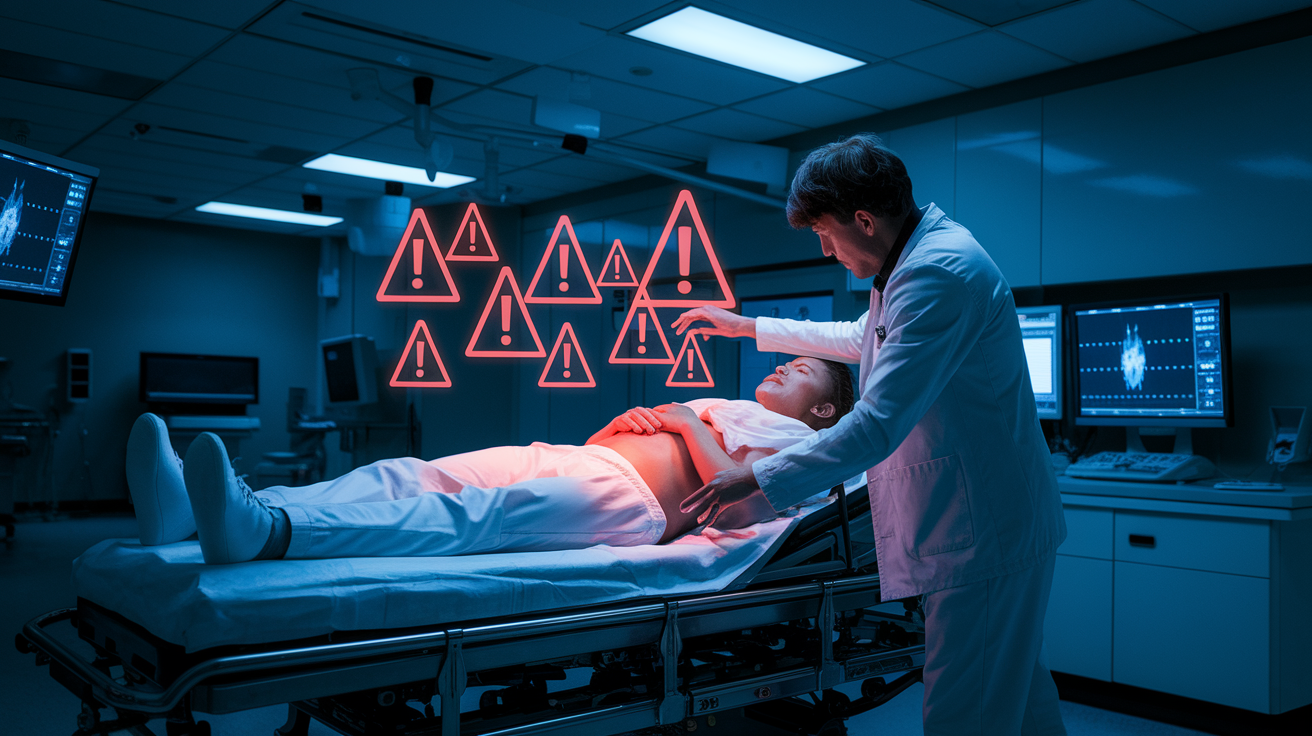
Each year, about 45.1 million people in the United States visit a doctor or emergency room for stomach pain. Most of those visits involve cramping or discomfort that gets better with rest or over-the-counter medication, but some involve conditions that need immediate medical intervention. The difference between a mild ache and a medical emergency often comes down to intensity, how fast the pain started, and what other symptoms show up with it.
Your body uses pain as a warning system. Sudden, severe abdominal pain that makes it hard to stand upright or that arrives out of nowhere isn’t something to watch overnight. The same goes for pain that comes with symptoms pointing to internal bleeding, organ rupture, or infection spreading beyond one area. Pain severity and how fast it worsens guide urgency. Slow-building discomfort over a few weeks is different from pain that peaks in minutes and doesn’t let up.
Call 911 or go to an emergency room right away if you notice any of these red flags:
- Blood in your stool, urine, or vomit
- Vomiting blood or passing black, tarry stools
- Sudden, severe pain that feels like “the worst stomach pain of your life”
- A rigid or swollen abdomen that’s tender to the touch
- Chest pain that spreads to your jaw, back, or shoulder, especially with shortness of breath
- Persistent fever over 101°F that doesn’t come down with medication
- Ongoing, uncontrolled vomiting that leaves you unable to keep fluids down
- Dizziness, confusion, or feeling like you might pass out
If you’re pregnant and experience sudden lower abdominal pain, seek emergency care immediately. Severe pain during pregnancy can signal an ectopic pregnancy or other urgent complications that need rapid assessment. Any combination of these symptoms raises concern for life-threatening causes like a perforated ulcer, appendicitis, ovarian torsion, or active gastrointestinal bleeding. Don’t wait to see if symptoms improve on their own.
How Pain Location Helps Identify the Cause of Severe Stomach Pain

Where you feel the pain offers important clues about which organ or system may be involved. Upper abdominal pain that spreads to the chest, jaw, or back may suggest a heart problem rather than a digestive one, especially in people with diabetes, high blood pressure, or a history of heart disease. Right-side pain that starts after a fatty meal and lasts 30 to 60 minutes often points to a gallbladder attack. Lower-right pain that begins near the belly button and then moves and sharpens is classic for appendicitis, which peaks in people aged 5 to 20 but can happen at any age. Flank pain that wraps around to the lower abdomen and feels knife-like usually signals kidney stones or a kidney infection.
Lower-left pain that worsens with movement can indicate diverticulitis, an inflammation of small pouches in the colon wall. In women, sudden sharp pain on one side of the lower abdomen may be a ruptured ovarian cyst or ovarian torsion. Both require urgent evaluation. Mid-abdominal pain that’s sudden and severe, especially in people who take aspirin or ibuprofen regularly, raises concern for a perforated ulcer, which can lead to infection spreading into the abdominal cavity.
| Location | Possible Cause | Urgency Level |
|---|---|---|
| Upper abdomen with chest symptoms | Heart attack, severe GERD, pancreatitis | Emergency (call 911) |
| Right upper abdomen after fatty meal | Gallbladder attack | Urgent care or ER same day |
| Lower right abdomen | Appendicitis | Emergency (ER) |
| Flank or wrapping lower pain | Kidney stones, kidney infection | Urgent care or ER same day |
| Lower left abdomen | Diverticulitis | Urgent care or ER same day |
Understanding How Severity and Duration Determine When to Seek Care for Abdominal Pain
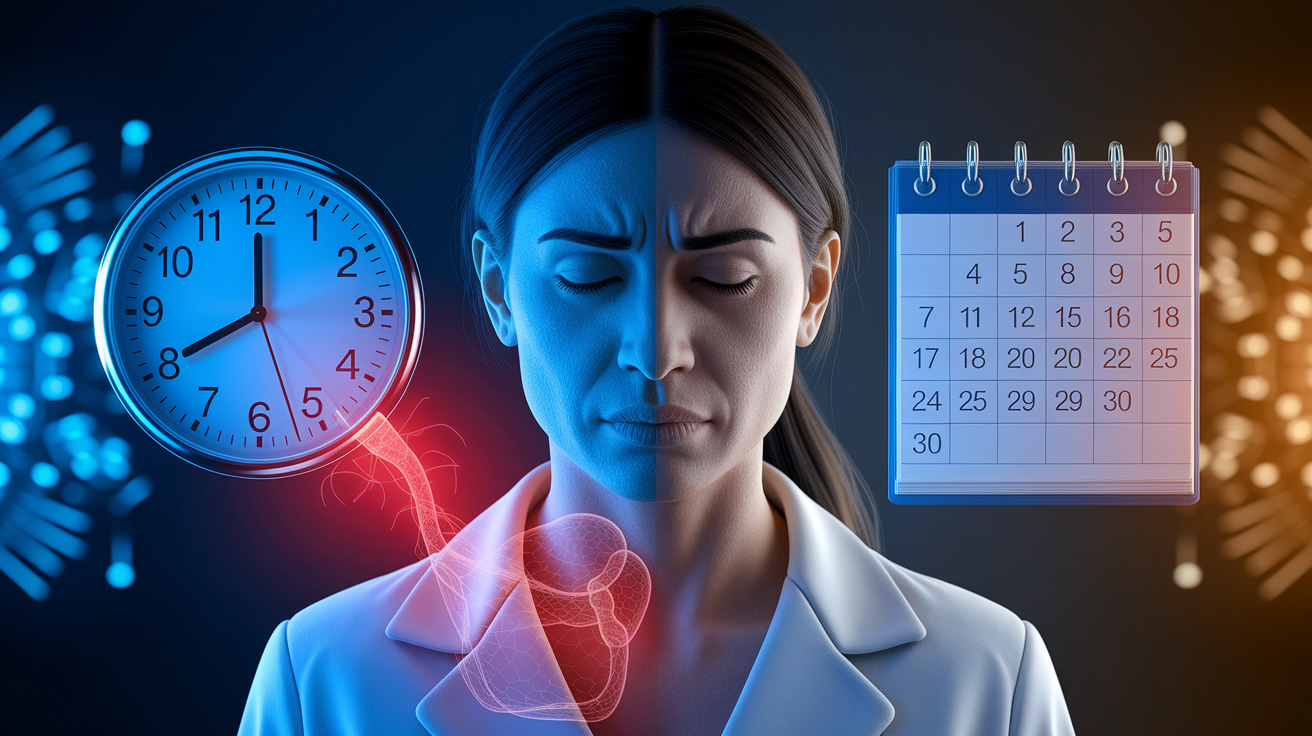
Mild cramping that eases after a bowel movement or a brief rest usually isn’t a cause for alarm. Short-lived pain from gas, mild indigestion, or a stomach bug often resolves within a few hours to a couple of days with fluids and bland foods. If discomfort lingers for more than a few days, returns frequently, or gets worse instead of better, that pattern signals the need for a doctor’s visit. Pain that repeatedly comes back at least twice a month for three months in a row, even if it’s not severe each time, points to a chronic condition that needs a formal diagnosis and a management plan.
Intensity matters as much as timing. Colicky pain that arrives in waves and makes you double over (common with kidney stones) is severe enough to warrant same-day urgent care or an emergency room visit. Localized pain that starts mild but sharpens and becomes constant over hours, especially in the lower right abdomen, fits the pattern of appendicitis and shouldn’t be ignored. If you find yourself using over-the-counter antacids every day to control heartburn or upper abdominal pain, schedule an appointment with a gastroenterologist rather than continuing to self-treat. Daily reliance on acid reducers can mask more serious conditions like ulcers or chronic reflux that need proper evaluation and treatment.
The biggest risk is dismissing pain that steadily worsens or that comes with fever, nausea, vomiting, or changes in bowel habits. Worsening localized pain often means inflammation or infection is progressing, and waiting too long raises the chance of complications like rupture or sepsis. If pain makes it hard to stand upright, disrupts sleep, or keeps you from eating or drinking, get medical attention that day.
Conditions Commonly Responsible for Severe Stomach Pain
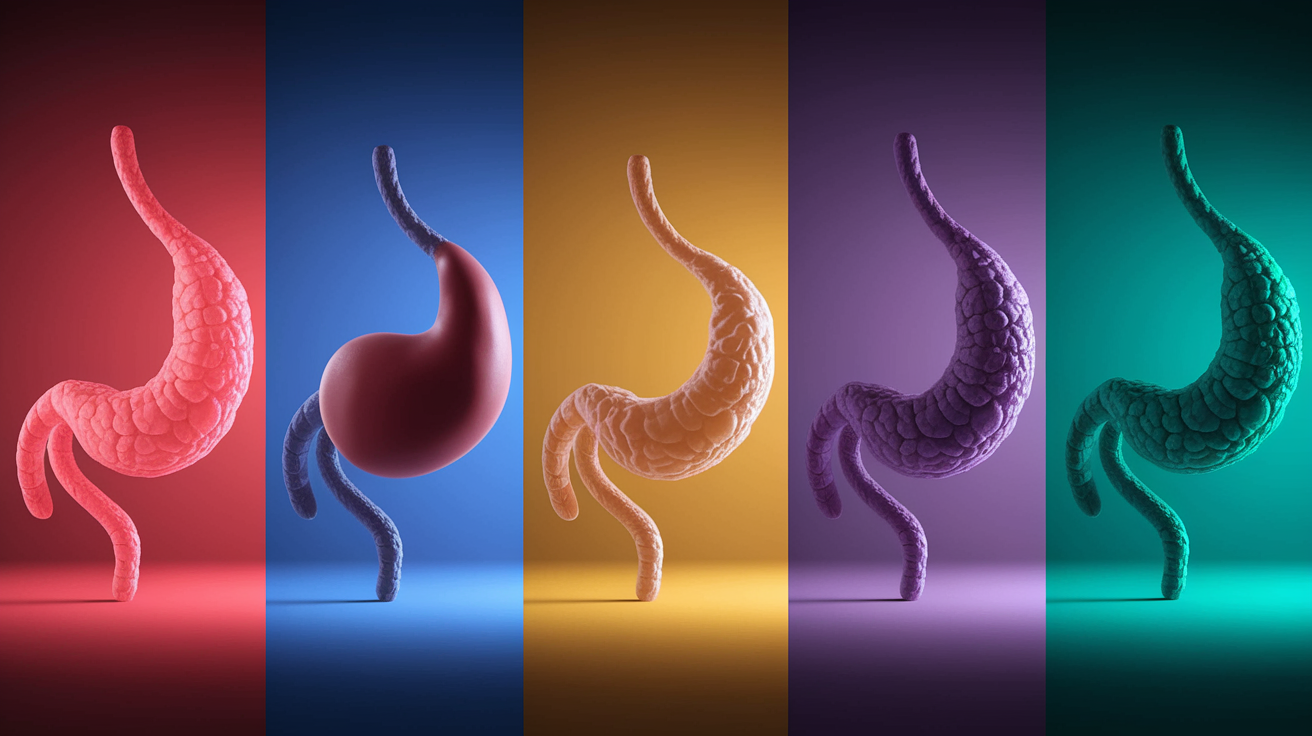
Several digestive and abdominal conditions cause pain intense enough to send people to the emergency room or urgent care. Appendicitis is one of the most common surgical emergencies, especially in children and young adults between ages 5 and 20. It usually starts with vague discomfort near the belly button that migrates to the lower right abdomen and becomes sharper over several hours. Fever, nausea, vomiting, and tenderness when pressing on the right side are typical. If the appendix ruptures, pain may briefly ease and then return more severely as infection spreads.
Gallbladder attacks happen when a stone blocks the duct that drains bile from the gallbladder. Pain typically strikes in the right upper abdomen 30 to 60 minutes after a high-fat meal and can last for hours. The pain may radiate to the back or right shoulder blade. Overweight women in their 40s are at higher risk, but gallstones can form in anyone. Kidney stones cause sharp, wave-like pain that starts in the flank and wraps around to the lower abdomen or groin. The pain can be so intense that it causes nausea, vomiting, and sweating. Small stones may pass on their own, but larger stones may need medical intervention.
Peptic ulcer disease involves open sores in the lining of the stomach or upper small intestine. People who take aspirin, ibuprofen, or other NSAIDs regularly are at higher risk. If an ulcer perforates, stomach acid leaks into the abdominal cavity, causing sudden, severe mid-abdominal pain, a rigid belly, fever, and signs of shock. This is a surgical emergency. Diverticulitis occurs when small pouches in the colon wall become inflamed or infected, causing steady lower-left abdominal pain that worsens with movement, along with fever, nausea, and changes in bowel habits. Traditional treatment included antibiotics, but recent research suggests mild cases may not always need them.
Irritable bowel syndrome affects about 15 percent of people in the United States and causes crampy lower abdominal pain, bloating, and alternating diarrhea or constipation. IBS isn’t life-threatening but can significantly disrupt daily life. In women, sudden one-sided lower abdominal pain may signal a ruptured ovarian cyst or ovarian torsion. Both can cause internal bleeding or loss of blood supply to the ovary and require emergency surgery. Heart-related causes can also present as upper abdominal pain. Women in particular may experience a heart attack with nausea, vague upper belly discomfort, back or jaw pain, and shortness of breath rather than classic chest pressure.
- Infections: gastroenteritis, kidney infection, diverticulitis
- Inflammatory conditions: pancreatitis, inflammatory bowel disease, appendicitis
- Obstruction or rupture: bowel obstruction, perforated ulcer, ruptured ovarian cyst
- Stone-related pain: kidney stones, gallstones
- Cardiac causes: heart attack presenting with upper abdominal symptoms
- Other urgent issues: ectopic pregnancy, ovarian torsion, hernia complication
Diagnostic Tests Doctors Use for Severe Abdominal Pain
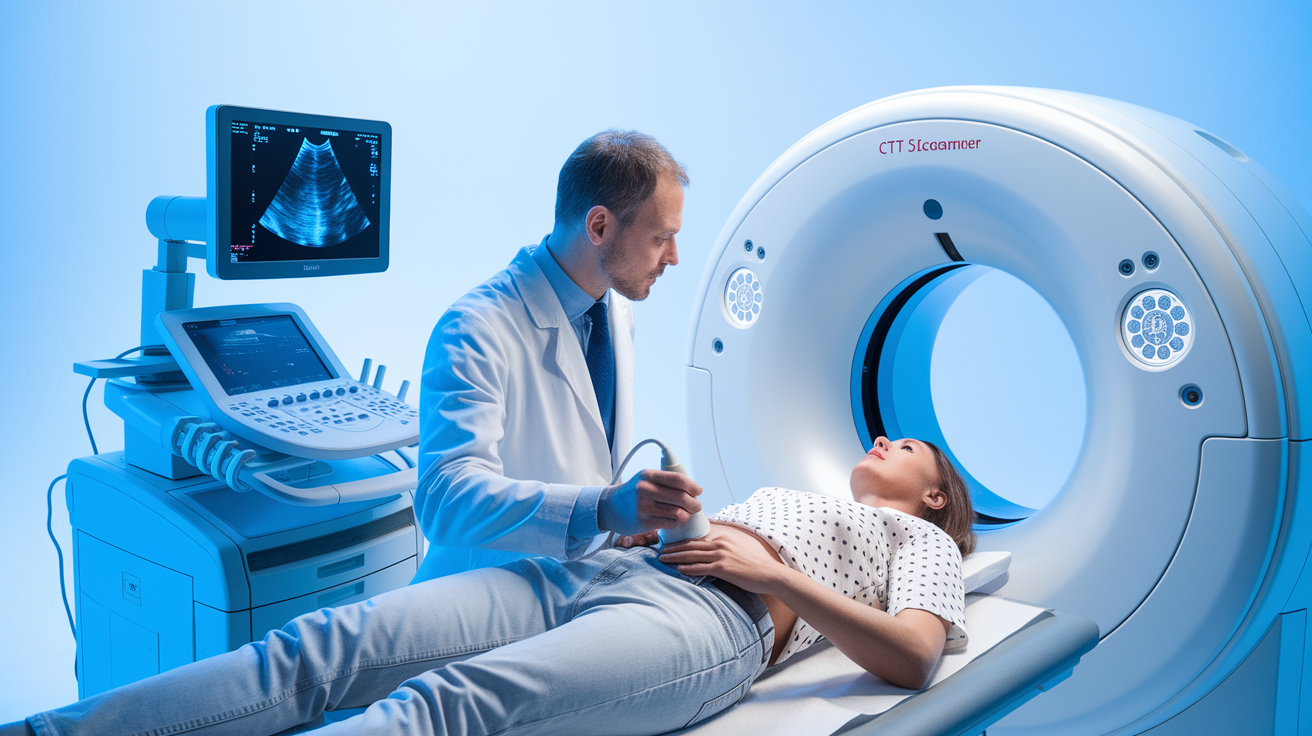
When you arrive at urgent care or the emergency room with severe stomach pain, the medical team will start with a detailed history and physical exam. They’ll ask when the pain started, where it hurts, what makes it better or worse, and whether you have fever, vomiting, diarrhea, or blood in your stool or urine. They’ll press gently on your abdomen to check for tenderness, swelling, or a rigid belly. Depending on your answers and exam findings, they’ll order tests to confirm or rule out urgent causes.
Blood work checks for signs of infection, inflammation, anemia from bleeding, and organ function. An elevated white blood cell count suggests infection or inflammation. Cardiac markers and an electrocardiogram (ECG) help rule out a heart attack if you have upper abdominal pain with chest symptoms. Imaging tests like ultrasound or CT scans let doctors see the gallbladder, appendix, kidneys, ovaries, and intestines in detail. Ultrasound is often the first choice for gallbladder and ovarian issues, while CT scans are more sensitive for appendicitis, kidney stones, diverticulitis, and bowel obstruction. Urine tests detect kidney stones, urinary tract infections, or blood in the urine. Stool samples check for infections or hidden blood that may indicate gastrointestinal bleeding. Endoscopy, a procedure that uses a thin flexible tube with a camera, allows doctors to look directly at the esophagus, stomach, and upper small intestine to diagnose ulcers, inflammation, or bleeding sources.
- Medical history and physical exam to map symptoms and check for tenderness or swelling
- Blood tests to measure infection markers, organ function, and cardiac enzymes if heart-related causes are suspected
- Imaging (ultrasound, CT scan, or X-ray) to visualize organs and detect stones, inflammation, rupture, or obstruction
- Urine and stool tests to identify infection, blood, or markers of kidney stones
- Endoscopy or colonoscopy if ulcers, chronic bleeding, or inflammatory bowel disease are suspected
Where to Seek Care: ER, Urgent Care, or Primary Care for Severe Stomach Pain
Knowing which type of facility to visit saves time and ensures you get the right level of care. Emergency rooms are equipped to handle life-threatening conditions 24 hours a day. They have on-site specialists, operating rooms, and advanced imaging. If you’re unsure whether your symptoms are urgent enough for the ER, you can call a 24/7 nurse advice line (many health systems offer a number like 1-800-675-6368) to talk through your symptoms and get triage guidance. Some hospitals and large health networks serve over 2 million patients a year and perform thousands of procedures, so emergency and urgent-care resources are often available around the clock.
Urgent care centers bridge the gap between your primary care office and the emergency room. They handle conditions that need prompt attention but aren’t immediately life-threatening. Most urgent care centers are open evenings and weekends, accept walk-ins, and have on-site lab and basic imaging capabilities. They can order blood work, urine tests, and X-rays, and some have ultrasound. If your condition turns out to be more serious than initially thought, urgent care staff will arrange transport to an emergency room. Primary care appointments are appropriate for ongoing or recurrent symptoms that aren’t acute. If you’ve been managing stomach pain at home and it keeps coming back, or if you’re relying on antacids daily, schedule a visit with your primary care doctor or a gastroenterologist for a full evaluation and long-term management plan.
- Emergency Room: Go here if you have sudden severe pain, chest pain with shortness of breath, vomiting or passing blood, signs of shock (rapid heart rate, confusion, cold skin), a rigid or swollen abdomen, high fever that doesn’t respond to medication, or symptoms during pregnancy. The ER has surgical backup and can stabilize life-threatening conditions immediately.
- Urgent Care: Choose urgent care for pain that started suddenly but isn’t severe enough to suggest rupture or internal bleeding, mild to moderate vomiting that hasn’t caused dehydration, pain that’s lasted a few hours without improvement, or if you need same-day evaluation but your primary doctor isn’t available. Urgent care can run basic tests, provide IV fluids, prescribe medications, and refer you to the ER if needed.
- Schedule a Doctor: Make an appointment with your primary care provider or a gastroenterologist if pain recurs at least twice a month for three months, if certain foods trigger discomfort, if you have chronic diarrhea or constipation with cramping, or if you need colon cancer screening (recommended starting at age 45 or earlier based on risk factors). Specialist follow-up is also appropriate if you’ve been diagnosed with a chronic condition like IBS, GERD, or inflammatory bowel disease and need medication adjustments or lifestyle counseling.
Daily Habits and Prevention Strategies to Reduce Future Severe Stomach Pain Episodes

Many causes of recurrent stomach pain can be reduced or managed with changes to diet, stress levels, and daily habits. Eating smaller, more frequent meals instead of large, heavy meals helps prevent gallbladder attacks and reduces acid reflux. Limiting high-fat foods, fried foods, and foods that trigger gas or cramping can ease symptoms of IBS and gallbladder disease. Drinking plenty of water throughout the day helps prevent kidney stones and keeps the digestive system moving smoothly. If you take aspirin, ibuprofen, or other NSAIDs regularly for headaches or joint pain, talk to your doctor about safer alternatives or protective medications to reduce ulcer risk.
Stress and anxiety directly affect gut function. Chronic stress can worsen IBS, trigger acid reflux, and increase muscle tension in the abdomen. Simple stress-management practices like regular exercise, deep breathing, or short daily walks can make a noticeable difference. If you’ve been diagnosed with a chronic digestive condition, staying on top of follow-up appointments and medication refills helps prevent flare-ups. Don’t skip doses of prescribed medications for GERD, inflammatory bowel disease, or other chronic conditions, and report new or worsening symptoms to your doctor early rather than waiting for a crisis.
- Eat smaller, lower-fat meals and avoid foods that trigger your symptoms
- Stay hydrated and limit caffeine and alcohol if they worsen reflux or cramping
- Reduce or avoid long-term NSAID use. Ask your doctor about alternatives if you need pain relief
- Manage stress through regular physical activity, adequate sleep, and relaxation techniques
Final Words
If you’re deciding whether to get help now, focus on red flags first: high fever, blood in stool or vomit, uncontrolled vomiting, the worst pain of your life, chest pain, fainting, or a hard belly. These signs need emergency care.
Where the pain is and how long it lasts help point to causes. Doctors use exams, blood work, scans, and urine or stool tests. Track what makes it better or worse.
Use this guide to know severe stomach pain when to see a doctor and feel ready to get the care you need.
FAQ
Q: When should stomach pain be concerning?
A: Stomach pain should be concerning when it is sudden or severe, lasts more than a few hours, or comes with fever, vomiting, fainting, blood in stool or vomit, chest pain, or a rigid belly.
Q: What does trapped gas feel like?
A: Trapped gas feels like sharp, moving cramps or pressure in the belly, often relieved by burping or passing gas; it can come after eating and usually changes location or eases within hours.
Q: What to do if your stomach hurts really bad?
A: If your stomach hurts really bad, call emergency services now if you have fainting, blood, chest pain, or uncontrolled vomiting; otherwise get same-day medical or urgent care promptly.
Q: Why do stomach aches hurt so bad?
A: Stomach aches hurt so bad because inflammation, blocked organs, stretched tissue, or trapped gas send strong nerve signals; pain worsens with sudden damage, infection, or rising pressure inside the abdomen.