


What if we could stop most sickness before it ever starts?
Primary prevention does exactly that, and it means taking action to block disease or injury before it starts.
This post lays out clear primary prevention examples you can see in real life, like vaccines that build immunity, clean water and handwashing that cut infections, seatbelts and helmets that prevent injuries, and policies such as tobacco taxes and safer food rules that lower long term risks.
Read on to learn how these proven strategies work, who they protect, and simple steps communities and families can take.
Clear Overview of Primary Prevention with Representative Examples

Primary prevention means taking action before disease or injury happens. The goal is stopping the initial onset entirely, not detecting problems early or managing complications later. These interventions reduce exposure to hazards, change risky behaviors, or build resistance to illness through biological or environmental measures. By focusing upstream, before a condition develops, primary prevention protects entire populations and individuals who’ve never experienced the health problem in question.
Across health domains, primary prevention looks like immunization campaigns that build immunity before infection, hygiene programs that remove pathogens before transmission, dietary guidance that lowers risk factors before disease, and safety laws that prevent injuries before they occur. It includes population wide policies such as fluoridation of drinking water to stop dental decay, environmental controls like lead paint remediation to block toxic exposure, and educational initiatives that encourage movement and discourage tobacco use. Each measure shares a core characteristic. It targets the moment before onset, not after.
Eight broad types of primary prevention strategies appear across public health practice:
- Vaccination programs to induce immunity against infectious diseases
- Promotion of regular physical movement to reduce chronic disease risk
- Guidance on nutritious eating patterns to prevent metabolic conditions
- Hand hygiene and sanitation infrastructure to eliminate pathogen transmission
- Safety regulations and equipment use to prevent traumatic injuries
- Environmental controls that reduce toxic exposures in water, air, or housing
- Policy interventions such as age restrictions and taxes on harmful products
- Educational campaigns that build knowledge and shape health behaviors before risk exposure
Primary Prevention Explained Through Infectious Disease Measures

Immunization remains the most visible infectious disease prevention tool. Routine childhood vaccination schedules prevent initial infection by inducing immunity long before exposure. MMR gets delivered as a two dose series typically starting at 12 to 15 months and again at 4 to 6 years. HPV vaccination follows a two dose schedule when started between ages 9 and 14, or a three dose series if begun at 15 or older, blocking the virus that leads to cervical and other cancers. Annual influenza immunization, administered as one dose each season, reduces the risk of primary infection and limits community transmission. These programs work not only for the individual but also create herd immunity, protecting those who can’t be vaccinated.
Beyond vaccines, infectious disease prevention includes hygiene and sanitation measures. Hand hygiene using alcohol based rubs with at least 60 percent alcohol content removes or kills pathogens before they enter the body. It’s particularly effective in healthcare, schools, and public facilities. Safe drinking water achieved through chlorination or filtration prevents waterborne infections such as cholera and giardiasis before anyone becomes ill. Installing handwashing stations in schools and community centers further reduces transmission by making hygiene practices accessible and routine.
| Measure | Target Group | Prevention Mechanism |
|---|---|---|
| MMR vaccination (2 doses) | Children starting at 12 months | Induces immunity before exposure to measles, mumps, or rubella |
| HPV vaccination (2 or 3 doses) | Adolescents ages 9–26 | Prevents initial HPV infection that can cause cervical and oropharyngeal cancers |
| Annual influenza vaccine | General population, especially high-risk groups | Reduces primary flu infection and community spread each season |
| Hand hygiene (≥60% alcohol rub) | Healthcare workers, school children, public facility users | Removes pathogens before transmission to mucous membranes |
| Water chlorination and filtration | Entire communities using municipal water | Eliminates waterborne pathogens before consumption and infection |
Lifestyle and Chronic Disease Primary Prevention Examples
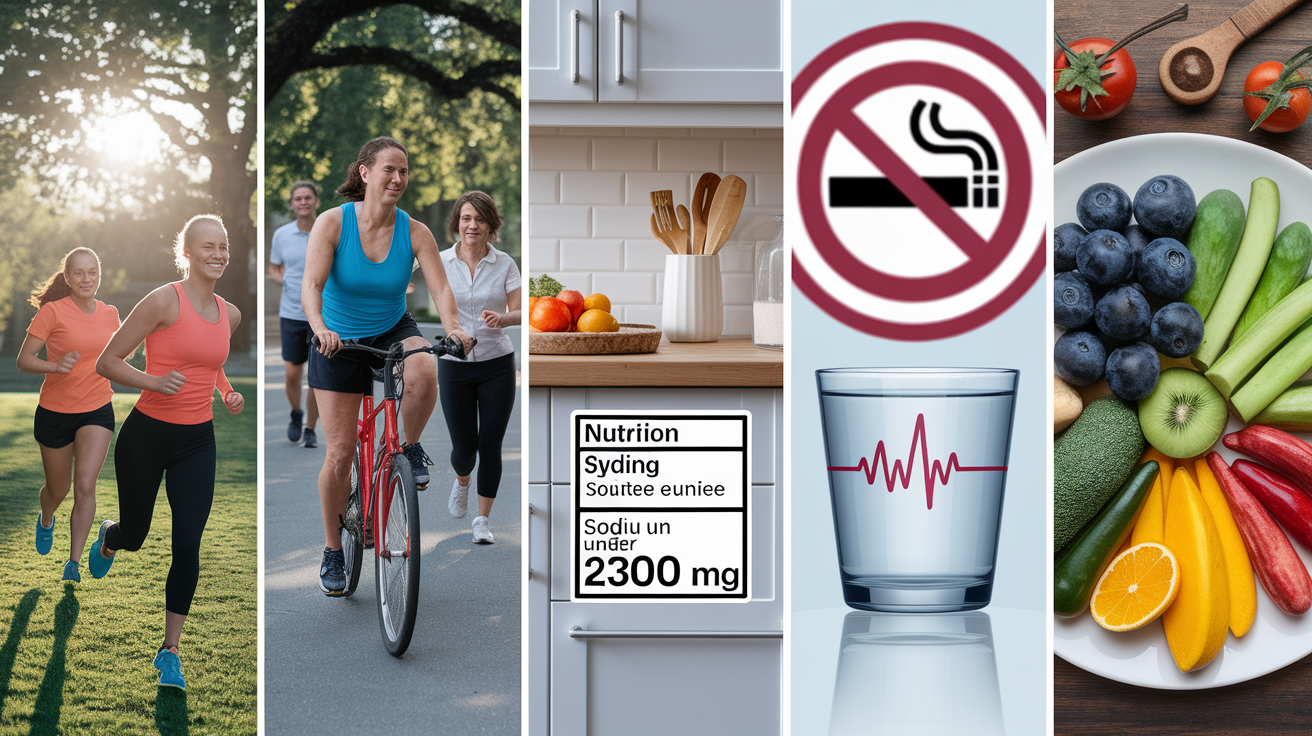
Physical activity guidelines target at least 150 minutes per week of moderate intensity aerobic exercise, or 75 minutes of vigorous activity, to reduce the risk of cardiovascular disease, type 2 diabetes, and certain cancers before they develop. Meeting this threshold means taking a brisk 30 minute walk five days a week. Or cycling, swimming, or dancing at a pace that raises heart rate but still allows conversation. Regular movement lowers blood pressure, improves insulin sensitivity, and reduces inflammation, all before disease onset. Community programs that build walking trails, offer free exercise classes, or integrate movement into school schedules make these targets more achievable across populations.
Dietary sodium limits set at less than 2,300 milligrams per day for adults help prevent hypertension and the cardiovascular events that follow. Reading food labels, choosing fresh or minimally processed foods, and limiting restaurant meals high in hidden sodium are practical steps that lower cumulative exposure over time. Nutrition education in schools and workplaces, combined with reformulation efforts by food manufacturers, can shift intake patterns before blood pressure rises. Promoting diets rich in fruits, vegetables, whole grains, and lean proteins addresses obesity, metabolic syndrome, and certain cancers by reducing risk factors long before clinical thresholds are crossed.
Tobacco prevention measures include age restrictions, such as a minimum purchase age of 21, along with taxation and advertising limits that reduce initiation rates, especially among adolescents. Smoke free indoor air laws protect non users from secondhand exposure and decrease social normalization of smoking. Alcohol moderation guidance recommends up to one standard drink per day for women and up to two for men, reducing the risk of liver disease, certain cancers, and alcohol related injuries before harm occurs.
Five key lifestyle and chronic disease primary prevention strategies:
- Physical activity targets – at least 150 minutes per week moderate exercise to prevent cardiovascular disease, diabetes, and some cancers
- Sodium reduction – daily intake below 2,300 mg to lower hypertension risk before it develops
- Tobacco control policies – age 21 minimum purchase, taxes, and advertising restrictions to prevent smoking initiation
- Alcohol moderation limits – 1 drink/day for women, 2 for men, to reduce risk of alcohol related disease onset
- Nutrition guidance – promote whole foods, fruits, vegetables, and limit processed items to prevent obesity and metabolic conditions
Injury Prevention as a Form of Primary Prevention

Injury prevention measures stop harm before the first occurrence. Universal seatbelt use, enforced through primary seatbelt laws that allow officers to stop vehicles solely for non compliance, prevents death and severe injury in crashes by keeping occupants restrained during impact. Bicycle and motorcycle helmet laws, often required for riders under age 18, reduce the risk of traumatic brain injury in the event of a fall or collision. Child passenger safety regulations mandate age and size appropriate car seats and booster seats until children reach recommended heights or weights, typically around 4 feet 9 inches or age 8 to 12, depending on jurisdiction. These restraints and helmets don’t treat injuries after they happen. They block the forces that cause injury in the first place.
Falls prevention programs for older adults include home safety assessments that remove tripping hazards, strength and balance training to improve stability, and medication reviews to reduce side effects that increase fall risk. Installing grab bars in bathrooms, improving lighting, and securing rugs are simple changes that prevent the initial fall and the fractures or head injuries that follow. Smoke alarm distribution and drowning prevention measures, such as pool fencing and swim lessons for young children, work the same way. Intervening before the injury event.
High impact safety interventions include:
- Seatbelt laws and enforcement to prevent crash related injury and death
- Helmet mandates for youth cyclists and motorcyclists to block traumatic brain injury
- Child safety seats and boosters matched to age, weight, and height
- Home modifications and balance training for older adults to stop falls before they happen
Environmental and Policy Based Primary Prevention Examples

Environmental controls reduce or eliminate hazards before exposure occurs. Lead hazard remediation in housing built before 1978 involves removing or sealing lead based paint and contaminated dust to prevent childhood lead poisoning, which can cause developmental delays and cognitive impairment. Water fluoridation at a concentration of approximately 0.7 milligrams per liter strengthens tooth enamel across entire communities, preventing dental caries from early childhood through adulthood. Sanitation infrastructure, including sewage treatment plants and protected drinking water sources, stops transmission of diseases such as typhoid, hepatitis A, and parasitic infections by blocking fecal oral routes.
Smoke free indoor air laws eliminate secondhand smoke exposure in workplaces, restaurants, and public buildings, protecting non smokers from respiratory and cardiovascular harm and reducing social cues that normalize smoking. Age restrictions for tobacco and alcohol purchases prevent initial use during adolescence, the period when lifetime patterns often form. Clean air policies that limit industrial emissions and vehicle exhaust reduce asthma triggers, cardiovascular stress, and cancer risk before disease develops. Building codes that require ventilation, radon mitigation, and safe materials protect occupants from chronic exposures over decades.
Policy interventions operate at the population level, shaping environments and norms so that healthier choices become the default. School entry vaccine mandates ensure high immunization coverage, preventing outbreaks before they start. Zoning rules that separate residential areas from industrial pollution sources, or that require sidewalks and bike lanes, encourage physical activity and limit toxic exposures without requiring individual behavior change. These upstream actions often reach more people with less effort than individual counseling or clinical services.
| Intervention | Hazard Addressed | Prevention Mechanism |
|---|---|---|
| Lead paint remediation in pre-1978 housing | Lead exposure | Removes or seals contaminated paint and dust to prevent childhood lead poisoning and developmental harm |
| Water fluoridation at 0.7 mg/L | Dental caries | Strengthens enamel across the population, preventing initial cavity formation |
| Sanitation infrastructure (sewage treatment, protected water) | Waterborne pathogens | Blocks fecal oral transmission routes, preventing typhoid, hepatitis A, and parasitic infections |
| Smoke free indoor air laws | Secondhand smoke | Eliminates involuntary exposure in public places, reducing respiratory and cardiovascular disease risk |
| School entry vaccine mandates | Vaccine-preventable diseases | Ensures high coverage and herd immunity, preventing outbreaks before exposure |
How Primary Prevention Differs from Secondary and Tertiary Prevention
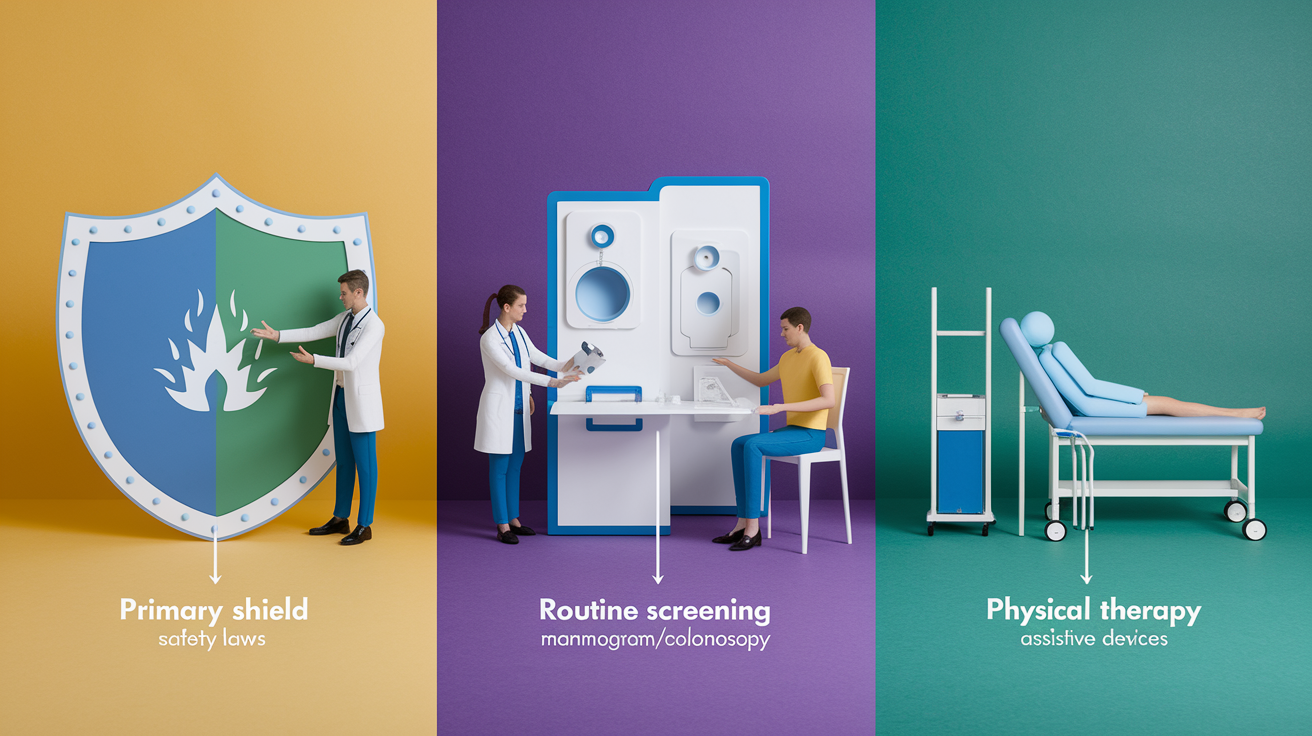
Prevention operates across three levels, each addressing a different stage in the disease timeline. Primary prevention targets people who’ve never had the condition, using interventions such as vaccination, safety laws, or dietary guidance to stop disease or injury before it starts. Secondary prevention focuses on early detection and intervention in individuals who already have the condition but show no symptoms or only mild signs. Using screenings like mammograms, colonoscopies, or blood pressure checks to catch problems early when treatment is most effective. Tertiary prevention manages established disease to prevent complications, slow progression, or support recovery, with examples including cardiac rehabilitation after a heart attack, insulin therapy for diabetes, or physical therapy following a stroke.
The distinction lies in timing and target population. A community wide campaign promoting 150 minutes of weekly exercise and sodium intake below 2,300 milligrams per day aims to prevent cardiovascular disease before it develops. That’s primary prevention. Routine cholesterol screening in middle aged adults without symptoms identifies elevated lipids early, allowing treatment before a heart attack, which is secondary prevention. A stroke survivor attending rehabilitation to regain mobility and prevent another stroke is receiving tertiary prevention. Only the first example stops the condition before onset, the hallmark of primary prevention.
Quick Comparison of Three Prevention Levels
Primary prevention might look like a school requiring HPV vaccination before enrollment, creating immunity before any exposure to the virus. Secondary prevention could be annual skin exams for someone with a family history of melanoma, catching abnormal moles before they become invasive cancer. Tertiary prevention includes a diabetes management program teaching insulin use, diet, and foot care to prevent complications like neuropathy or amputation in someone already diagnosed.
Why Primary Prevention Matters
Upstream interventions often prove more cost effective than treatment after disease develops. Preventing one case of measles through a two dose MMR series costing under 50 dollars avoids hospitalization, lost productivity, and potential long term complications that can run into tens of thousands of dollars. Fluoridating water at 0.7 milligrams per liter costs about one dollar per person per year, yet reduces dental treatment needs across entire populations. By stopping disease before it starts, primary prevention reduces healthcare spending, improves quality of life, and allows resources to focus on conditions that can’t yet be prevented.
Final Words
We walked through what primary prevention is and gave clear, usable examples you can spot in daily life.
You saw infectious disease measures like vaccines and hand hygiene, lifestyle steps such as healthy eating and regular activity, injury-prevention rules, and environmental or policy actions.
Use these sections to pick small actions, note what to track, and plan questions for your clinician. Primary prevention examples show how simple, steady steps can lower risk and protect health—small changes add up.
FAQ
Q: What are examples of primary prevention?
A: Examples of primary prevention are actions that stop disease or injury before it starts, like vaccination, handwashing, healthy eating, regular physical activity, clean water and sanitation, smoke-free laws, and helmet and seatbelt use.
Q: What are three examples of secondary prevention?
A: Three examples of secondary prevention are screening tests that detect disease early (for example, mammograms), early treatment after a positive screen, and contact tracing to identify exposed people quickly.
Q: What are 5 prevention strategies?
A: Five prevention strategies are immunization, healthy diet promotion, regular exercise encouragement, screening programs for early detection, and environmental or policy changes like smoke-free laws and safety standards.
Q: What is meant by primary and secondary prevention?
A: Primary prevention means preventing the initial onset of disease or injury. Secondary prevention means detecting disease early to stop or slow its progress through screening and prompt treatment.