

Could your new blood pressure pill be the reason you can’t stop coughing?
A dry, stubborn cough that starts after a new medicine is often medication-induced.
It often appears weeks after a prescription change and doesn’t act like a cold.
Some drugs, especially ACE inhibitors (blood pressure meds), raise airway chemicals that trigger a cough.
Others irritate the throat or inflame lung tissue.
This article explains the main trigger drugs, how they make you cough, and what to watch for so you and your clinician can decide next steps.
Key Medication-Induced Cough Causes and What They Mean

You start coughing a few weeks after your doctor changes your blood pressure pill. It’s dry, annoying, and won’t quit. Cough drops don’t touch it. Cold medicine makes no difference.
That’s medication-induced cough. It’s tied to the timing of a new drug or dose bump, and it doesn’t act like a normal cold or allergy cough.
ACE inhibitors cause more persistent dry cough than any other medication class. Studies peg the rate somewhere between 5% and 20%, though older reports pushed it as high as 35%. Other triggers include inhaled meds that scratch your airways, chemo drugs that inflame lung tissue, and certain antibiotics or heart medications that can slowly damage your lungs.
The way ACE inhibitors cause cough comes down to a chemical called bradykinin. Normally an enzyme breaks it down. ACE inhibitors block that enzyme. Bradykinin builds up in your airways and sets off nerve endings that tell your brain to cough. It’s not the same as the irritation you get from an inhaler or the lung inflammation some cancer drugs create.
Medications that commonly trigger cough:
- ACE inhibitors (lisinopril, enalapril, ramipril, captopril). Dry, won’t-quit cough from bradykinin piling up
- Inhaled therapies (metered-dose inhalers, dry-powder inhalers). Throat and airway irritation from particles or poor technique
- Chemotherapy agents (bleomycin, methotrexate, busulfan). Inflammatory lung injury and scarring
- Antiarrhythmics and antibiotics (amiodarone, nitrofurantoin). Drug-triggered pneumonitis or interstitial lung disease
- Neprilysin inhibitors (sacubitril combinations). Can raise bradykinin levels, though less often than ACE inhibitors
ACE Inhibitors as Leading Medication-Related Cough Causes

ACE inhibitors are the poster child for drug-related cough because it happens so often and follows such a predictable script. Lisinopril, enalapril, ramipril, captopril… they all work the same way. Switching from one to another almost never fixes the problem. If lisinopril makes you cough, enalapril will probably do the same thing within a day or two.
The cough usually gets better one to four weeks after you stop the ACE inhibitor. Some people need up to three months before it’s completely gone. If you try the drug again, the cough often comes roaring back within 24 to 72 hours. That clear on-off pattern makes the diagnosis pretty obvious. It also separates ACE cough from viral infections or seasonal allergies, which follow totally different timelines.
Why ACE Inhibitors Trigger Cough
ACE stands for angiotensin-converting enzyme, but that same enzyme also breaks down bradykinin and another compound called substance P. Block the enzyme, and both chemicals start piling up in your airways. They activate sensory fibers in the bronchial walls, which ping the vagus nerve, which tells your brainstem to cough. Prostaglandins released by inflamed nerve endings crank up the sensitivity even more. It’s a feedback loop that keeps the cough going and makes it really hard to suppress.
Other Medications That Cause Cough and How They Differ

Inhaled medications like metered-dose inhalers and dry-powder devices cause cough through direct irritation, not chemical buildup. Propellants, fillers, and the dry powder itself can scratch or inflame your throat and upper airways. This gets worse if you don’t use a spacer or rinse your mouth after each dose. Sometimes switching from a metered-dose to a dry-powder inhaler, or the other way around, fixes the problem because different formulations carry different irritants.
Chemotherapy agents like bleomycin, methotrexate, and busulfan can cause drug-induced pneumonitis or pulmonary fibrosis. This isn’t simple irritation. The drugs set off an inflammatory or hypersensitivity reaction in the lung tissue itself. You get a cough along with worsening shortness of breath, low oxygen levels, and sometimes fever. Amiodarone and nitrofurantoin can do the same thing. Amiodarone lung toxicity hits roughly 1% to 10% of patients depending on dose and how long you’ve been on it, and it can be life-threatening if you don’t catch it early.
NSAIDs and aspirin cause cough in people with aspirin-exacerbated respiratory disease, a condition affecting about 5% to 20% of adults with asthma. These drugs trigger bronchospasm and mucus production rather than the dry tickle typical of ACE inhibitors. The cough usually comes with wheezing and chest tightness, and it happens within minutes to hours after you take the pill.
Drug groups and their cough triggers:
- Beta-blockers (especially nonselective ones). Bronchospasm in people with reactive airways
- IV opioids (rapid fentanyl bolus). Immediate reflex cough in 18% to 65% of cases
- Angiotensin receptor blockers (ARBs). Very low risk (under 1–2%), used as replacement for ACE inhibitors
- Checkpoint inhibitors and targeted cancer therapies. Immune-mediated pneumonitis
- Aspirin and NSAIDs. Bronchospasm in aspirin-sensitive individuals
- Inhaled corticosteroids. Local throat irritation and thrush if you don’t rinse your mouth
Mechanisms Behind Medication-Induced Cough

Airway hypersensitivity from inhaled particles works differently than bradykinin accumulation. Dry powder, propellants, or preservatives in inhalers can directly activate irritant receptors in your throat and large airways. Poor inhaler technique makes this worse because more drug slams into the back of your throat instead of reaching your lungs. Over time, repeated irritation can lower your cough threshold. Then even cold air or talking sets you off.
Vagal-nerve–mediated cough happens when sensory nerve endings in the airways send signals through the vagus nerve to the brainstem cough center. Lots of triggers share this pathway: bradykinin, capsaicin from spicy food, mechanical irritation. Medications that ramp up vagal sensitivity or directly stimulate those nerve fibers produce a cough reflex even without visible airway inflammation or mucus. That’s why ACE inhibitor cough is typically dry and nonproductive. There’s no infection or mucus buildup, just hyperactive nerve signaling.
Inflammatory and fibrotic lung injury from drugs like bleomycin, methotrexate, amiodarone, and nitrofurantoin involves immune activation and collagen buildup in the lung tissue. The process can be sudden or slow. Acute hypersensitivity pneumonitis shows up within days to weeks with fever, cough, and new spots on chest X-ray. Chronic interstitial fibrosis develops over months to years, causing progressive dry cough, reduced lung volumes on pulmonary function tests, and a restrictive pattern with low diffusion capacity. This type of cough doesn’t vanish quickly after you stop the drug because structural lung damage takes time to stabilize or improve.
| Mechanism | How It Causes Cough |
|---|---|
| Bradykinin and neuropeptide accumulation | Increased bradykinin and substance P sensitize airway sensory nerves, triggering vagal cough reflex |
| Direct airway irritation | Inhaled particles, propellants, or excipients activate irritant receptors in throat and bronchi |
| Inflammatory lung injury | Immune-mediated or toxic damage to alveoli and interstitium causes persistent dry cough and dyspnea |
Onset Timing and Cough Patterns Linked to Medications
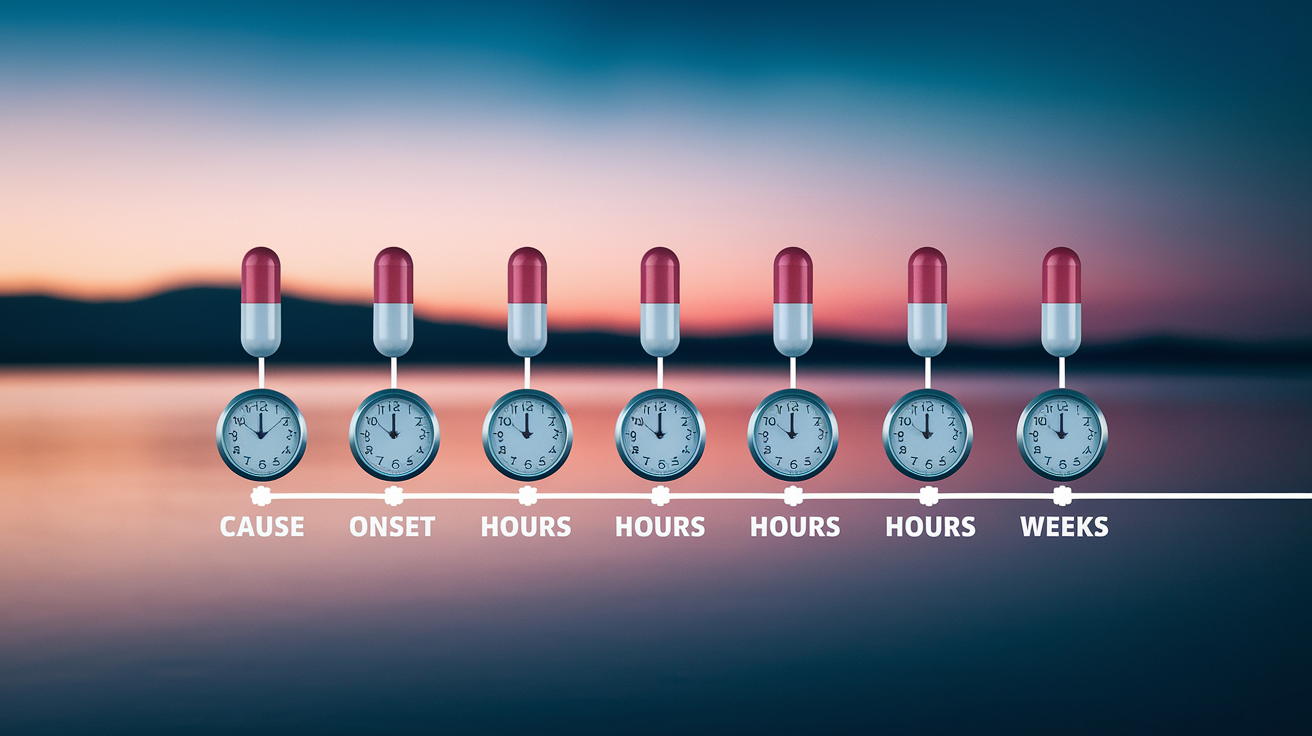
Onset timing varies a lot depending on the drug and the mechanism. ACE inhibitor cough commonly begins within one to four weeks after you start therapy, though it can show up within hours or emerge after six months. Inhaler-related irritant cough often starts immediately or within the first few doses because the irritation is direct and mechanical. Drug-induced pneumonitis from agents like amiodarone or methotrexate typically develops over weeks to months, sometimes years, because the inflammatory and fibrotic process builds gradually.
Dry versus productive cough patterns help narrow the cause. ACE inhibitor cough is almost always dry and nonproductive. There’s no phlegm or chest congestion, just a persistent tickle or urge to cough. Drug-induced pneumonitis can be dry or minimally productive, often with shortness of breath and sometimes low-grade fever. Inhaler irritation may produce a small amount of clear mucus if your throat is inflamed, but it lacks the thick yellow or green sputum typical of bacterial infection.
Cough characteristics by medication trigger:
- ACE inhibitor cough. Dry, persistent, often worse at night or when lying down
- Inhaler irritation. Immediate or early onset, dry or minimally productive, improves with technique correction or spacer use
- Drug-induced pneumonitis. Dry cough with progressive dyspnea, sometimes fever, abnormal chest imaging
- IV opioid reflex cough. Abrupt onset within seconds to minutes after rapid bolus, self-limited
Risk Factors That Increase Likelihood of Medication-Induced Cough

Women get ACE inhibitor cough more often than men. Some studies show nearly double the incidence. The reasons aren’t totally clear, but differences in bradykinin metabolism, airway nerve sensitivity, or hormone-related factors may play a role. Older age also seems to increase risk in some populations, possibly because cumulative medication exposure or age-related changes in cough reflex sensitivity make the airways more reactive.
Certain ethnicities show higher ACE inhibitor cough rates in observational studies. Some research suggests people of Asian descent may experience ACE-related cough more frequently than other groups, though findings are inconsistent across studies and populations. Smoking status can modify risk too. Current smokers may have chronically irritated airways that amplify medication-induced cough. Or conversely, smoking-related nerve damage might blunt cough sensitivity in some individuals.
Prior history of cough with similar medications is one of the strongest predictors. If you developed a cough on one ACE inhibitor and switch to another, the likelihood of it happening again is very high because all drugs in the class share the same mechanism. This cross-reactivity doesn’t usually extend to ARBs, which work on a different enzyme and rarely cause cough. Your personal medication history is a valuable diagnostic clue.
Clinical Clues and Diagnosis of Medication-Induced Cough

The timing between starting a medication and the onset of cough is the most important diagnostic clue. A new persistent dry cough that begins days to weeks after starting lisinopril strongly suggests the drug as the cause. Especially if you have no fever, no upper respiratory symptoms, and no history of asthma or chronic lung disease. Lack of response to over-the-counter cough medicines or antibiotics further supports a medication-related cause because those treatments target infection or mucus production, not neuropeptide-driven nerve hypersensitivity.
Chest X-ray and pulmonary function tests help rule out alternative causes and identify drug-induced lung injury. A normal chest X-ray in someone with isolated dry cough after starting an ACE inhibitor supports the diagnosis of medication-induced cough. New infiltrates, ground-glass opacities, or interstitial changes on imaging raise concern for drug-induced pneumonitis. Especially if you’re on amiodarone, methotrexate, or bleomycin. Spirometry showing a restrictive pattern or reduced diffusion capacity suggests interstitial lung disease rather than simple airway irritation.
Key Diagnostic Steps
Start with a careful medication review. List all prescription and over-the-counter drugs, supplements, and any recent changes in dose or formulation. Document the exact date each medication was started or adjusted, then compare that timeline to when the cough began. If the cough started within hours to weeks of a medication change, that drug moves to the top of the suspect list.
- Review medication timeline. Identify all new or dose-changed drugs within six months of cough onset
- Check for classic patterns. Dry, nonproductive cough without fever or purulent sputum suggests ACE inhibitor or similar drug
- Order chest X-ray and spirometry if indicated. Look for infiltrates, interstitial changes, or restrictive lung function if pneumonitis is suspected
- Trial discontinuation and observation. Stop the suspected drug (with prescriber guidance) and monitor for improvement over one to four weeks. Rechallenge if clinically necessary but expect rapid recurrence if drug was the cause
Management of Cough Caused by Medications
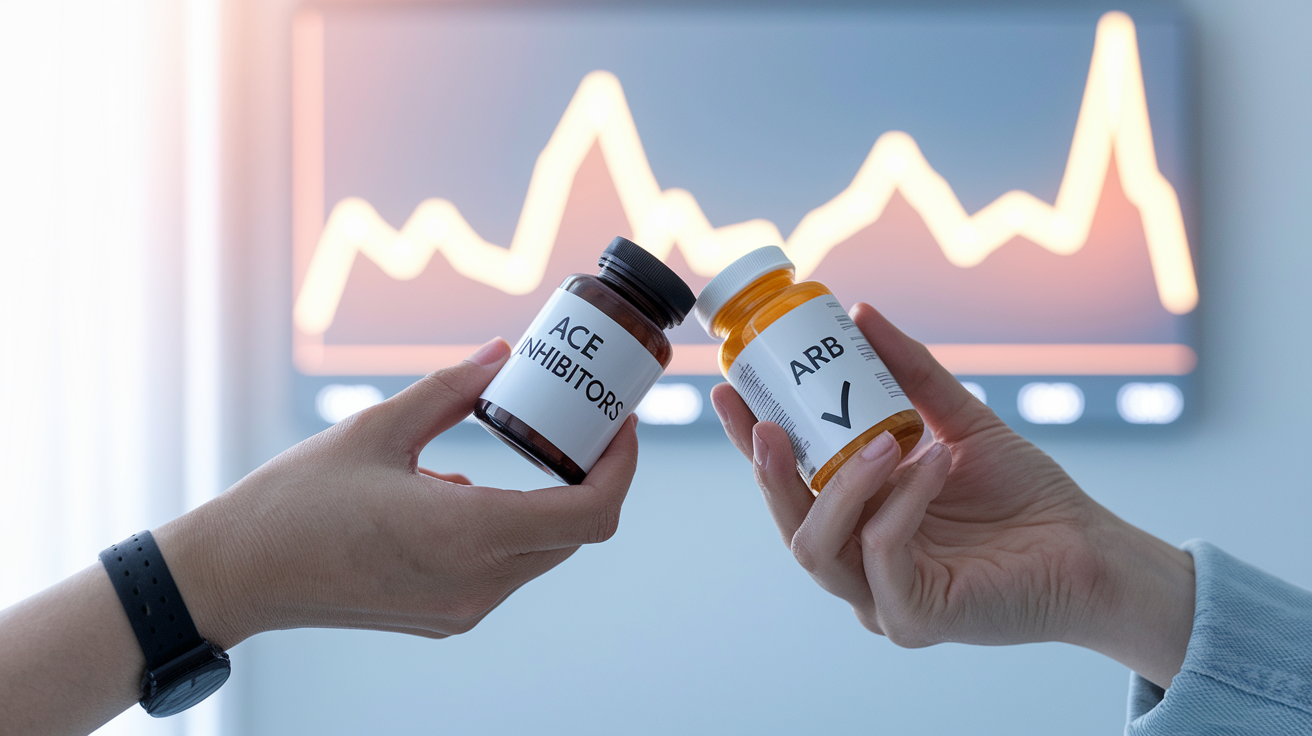
First-line treatment for medication-induced cough is stopping or substituting the offending drug when it’s safe to do so. For ACE inhibitor cough, switching to an angiotensin receptor blocker like losartan, valsartan, or candesartan is the standard approach. ARBs have a cough incidence below 1% to 2%, far lower than ACE inhibitors, because they don’t block the breakdown of bradykinin. Most patients who switch from an ACE inhibitor to an ARB see their cough resolve within one to four weeks.
For inhaler-related cough, practical adjustments often solve the problem without changing the medication itself. Using a spacer with a metered-dose inhaler reduces throat deposition and irritation. Switching from a dry-powder to a metered-dose device, or vice versa, may help if one formulation irritates your airway less than the other. Rinsing your mouth and gargling after using an inhaled corticosteroid reduces local throat irritation and the risk of oral thrush, which can also cause throat discomfort and cough.
Symptomatic cough treatments like dextromethorphan or benzonatate provide limited benefit for medication-induced cough because they don’t address the underlying mechanism. Lozenges and humidified air may ease throat irritation from inhalers, but they won’t stop bradykinin-mediated nerve sensitization. If the drug causing the cough can’t be stopped (for example, a chemotherapy agent essential for cancer treatment), short-term antitussives, low-dose gabapentin, or other neuromodulators may be tried under specialist guidance, though evidence for efficacy is mixed.
| Approach | Use Case | Expected Timeline |
|---|---|---|
| Stop offending drug | ACE inhibitor cough, drug-induced pneumonitis | Improvement usually within 1–4 weeks; up to 3 months for full resolution |
| Switch to ARB (losartan, valsartan, candesartan) | ACE inhibitor cough in patients needing renin-angiotensin blockade | Cough resolves within 1–4 weeks after switch |
| Adjust inhaler technique or device | Cough from metered-dose or dry-powder inhaler irritation | Immediate to several days as throat irritation heals |
When to Seek Medical Care for Medication-Related Cough

Cough that persists for more than two to four weeks after starting a new medication warrants medical evaluation. Especially if it’s not improving or getting worse. Persistent cough can signal drug-induced lung injury, and early detection improves outcomes. If you’ve already stopped the suspected drug and the cough is still there after a month, your clinician may need to order imaging or refer you to a pulmonologist to rule out interstitial lung disease or other causes.
Red flag symptoms require urgent or emergency evaluation because they suggest serious complications like drug-induced pneumonitis, pulmonary fibrosis, or angioedema. Don’t wait if you develop any of the following alongside your cough.
Red flag symptoms requiring prompt medical attention:
- New or worsening shortness of breath, especially with exertion or at rest
- Low oxygen levels (if you have a pulse oximeter at home, readings below 92% on room air)
- Fever, chills, or night sweats
- Coughing up blood (hemoptysis), even small amounts
- Chest pain, pressure, or tightness
- Sudden facial, lip, or tongue swelling, difficulty swallowing, or throat tightness (signs of angioedema; call 911 immediately)
Final Words
We jumped straight into what medication‑induced cough is, the top drug culprits (ACE inhibitors lead the list), and the main ways medicines make you cough, like airway irritation or inflammation.
You learned about timing and patterns, common risk factors, how clinicians check for a drug cause, and practical steps: review meds, consider stopping or switching, and use simple symptom relief. Seek care for breathlessness, fever, blood in sputum, or swelling.
If you’re worried about medication induced cough causes, bring a list of your meds to your clinician—many people improve after a safe change.
FAQ
Q: How do you treat a drug induced cough?
A: A drug-induced cough is treated by stopping or switching the suspected medicine with your clinician’s help, often substituting (for example, an ARB), and using short-term symptom relief like lozenges or antitussives.
Q: What medications can trigger coughing? / What drugs cause constant coughing?
A: Medications that trigger coughing include ACE inhibitors (lisinopril, enalapril), inhaled irritants, certain chemotherapies (bleomycin, methotrexate), amiodarone, and nitrofurantoin; ACE-related cough can be persistent.
Q: How do you get rid of bradykinin cough?
A: A bradykinin cough is relieved by stopping the ACE inhibitor and switching to an ARB with medical guidance; most improve within weeks, though some take up to three months for full resolution.