

What if that dull ache in your lower right belly is actually a race against time?
Lower right abdominal pain can be anything from mild gas to appendicitis (an inflamed appendix) that needs surgery within hours.
This guide tells you the emergency signs that should send you to the hospital now, which symptoms you can safely watch at home, and when to call for same‑day care.
Read on to learn clear, practical steps so you know what to do fast and avoid dangerous delays.
Immediate Guidance for Assessing Lower Right Abdominal Pain

Lower right abdominal pain can be anything from gas to a life threatening emergency that needs surgery within hours. The key is knowing which symptoms demand immediate action and which ones you can watch for a bit.
Get emergency care right now if you have any of these:
- Sudden, severe pain that shows up fast and keeps getting worse within minutes to hours
- High fever (over 101°F or 38.3°C) plus persistent abdominal pain
- Vomiting repeatedly so you can’t keep fluids down for more than a few hours
- Black, tarry stools or you’re vomiting blood
- Blood in your urine or stool that appears out of nowhere
- Severe dizziness, fainting, or you feel like you might pass out
- Rapid pulse, pale skin, or other shock signs
- Severe pain with shortness of breath or chest pressure
- For women who could be pregnant: missed period plus sharp pelvic pain, vaginal bleeding, or shoulder pain (could be ectopic pregnancy)
- Painful bulge in the groin or lower abdomen that turns red, tender, or can’t be pushed back in
Contact your doctor for a same day appointment if your lower right abdominal pain is moderate but won’t go away, especially if it’s lasted beyond 12 to 24 hours even without the severe stuff. Other reasons to call include tenderness that gets worse when you press and release the area, low grade fever (under 101°F) with steady pain, new nausea and loss of appetite, or pain that stops you from walking, eating, or doing daily activities. If you can see or feel a lump in your lower abdomen or groin, get it checked the same day.
Watching things at home for 24 to 48 hours makes sense if your pain is mild, comes and goes, and you can eat, drink, pass gas, and have normal bowel movements. You should be able to move around without major discomfort, and symptoms should either stay the same or slowly get better. Seek care sooner if pain gets worse within 2 to 6 hours, new worrying symptoms show up, or mild symptoms stick around beyond 48 hours without any improvement.
Common Medical Conditions Associated with Lower Right Abdominal Pain
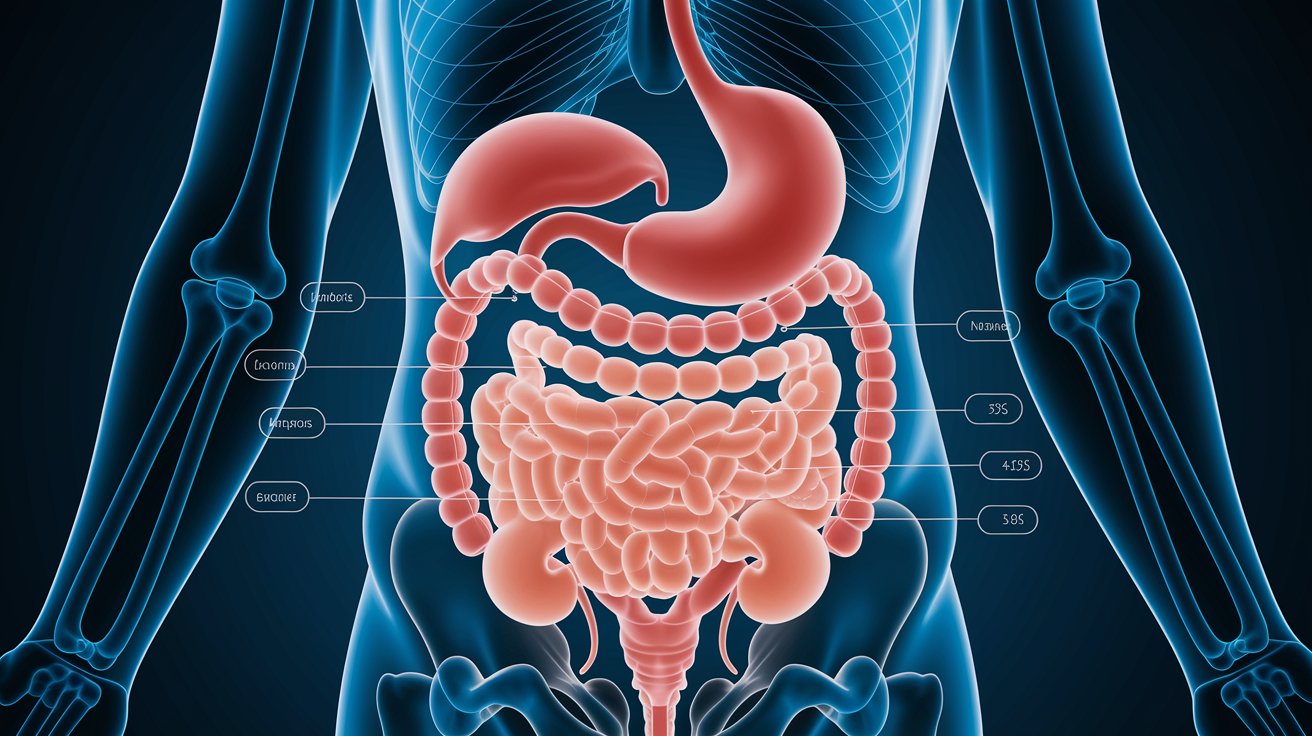
Urgent surgical causes include appendicitis, ovarian torsion, ruptured ovarian cyst, strangulated hernia, and ectopic pregnancy. Appendicitis typically starts as vague discomfort around the belly button and then moves to sharp, focused pain in the lower right abdomen over 12 to 24 hours. Without treatment, the appendix can rupture within roughly 36 to 72 hours of your first symptoms, spreading infection throughout your abdominal cavity. Ovarian torsion happens when an ovary twists on its supporting ligaments and cuts off blood supply. It causes sudden, severe one sided pelvic pain within minutes to a few hours, often with nausea and vomiting. A strangulated hernia is when a loop of intestine gets trapped in a weak spot in the abdominal wall and loses blood supply. This creates severe pain, a tender bulge, vomiting, and sometimes you can’t pass stool or gas.
Organ related non surgical causes include kidney stones, kidney infections, and urinary tract infections. A kidney stone on the right side creates intense, wave like flank pain that moves down toward the groin and lower abdomen. You might notice dark, cloudy, or bloody urine and feel sick to your stomach. Pain often comes in severe bursts lasting 20 to 60 minutes. Kidney infections show up with steady flank or lower back pain, fever, chills, and urinary symptoms like burning or frequent trips to the bathroom. Gallbladder issues usually cause upper right pain but can sometimes send discomfort lower, especially after you eat fatty meals.
Chronic and inflammatory causes include Crohn’s disease, irritable bowel syndrome, and pelvic inflammatory disease. Crohn’s disease is an inflammatory bowel condition that often hits the end of the small intestine in the lower right abdomen. Symptoms develop slowly over weeks to months and include ongoing cramping, diarrhea, weight loss, tiredness, and sometimes mouth sores or blood in stool. Pelvic inflammatory disease (PID) is a bacterial infection of the reproductive organs that brings lower abdominal pain, abnormal vaginal discharge, fever, and pain during sex. Left untreated, it can cause long term problems including infertility in up to 10 percent of affected people.
Symptom Patterns That Point to Specific Diagnoses

Classic appendicitis starts with a dull ache around the belly button or upper abdomen that slowly moves to the lower right side over several hours. As inflammation gets worse, the pain becomes sharper and more focused. You lose your appetite, feel nauseated, and may develop a low grade fever that climbs as infection progresses. Rebound tenderness is a telltale sign. Pressing gently on the lower right abdomen and then quickly releasing causes a sharp spike of pain. This combo of moving pain, loss of appetite, nausea, fever, and right lower area tenderness strongly points to appendicitis and you need immediate evaluation. Symptoms typically evolve over 12 to 48 hours, and rupture risk goes up significantly if you don’t get treatment beyond 36 hours.
Reproductive related conditions in women create distinct patterns. Ovarian torsion causes sudden, severe, one sided pelvic pain that peaks within one to three hours and often comes with vomiting and you can’t find a comfortable position. The pain may spread to your lower back or thigh. A ruptured ovarian cyst looks similar but may also include vaginal bleeding or spotting. Ectopic pregnancy (when implantation happens outside the uterus) combines a missed period, sharp pelvic pain on one side, vaginal bleeding, dizziness, and sometimes shoulder pain from internal bleeding irritating the diaphragm. This group of symptoms is a medical emergency that needs immediate care.
Urinary and gastrointestinal causes have their own signatures. Kidney stones create intense, cramping flank pain that comes in waves as the stone moves, often starting in the back and wrapping around to the lower abdomen and groin. You may see blood in your urine and feel sick during pain episodes. Crohn’s disease shows up with chronic or recurring right lower abdominal pain, often after meals, paired with diarrhea that may have blood or mucus, unplanned weight loss, and exhaustion. Intestinal obstruction causes crampy abdominal pain that builds, bloating, vomiting, and you can’t pass gas or stool. Symptoms get progressively worse over hours and you need urgent hospital evaluation.
Safe Self‑Care and Monitoring Steps

If your symptoms are mild and you decide to watch things at home, focus on staying hydrated, resting, and observing carefully. Drink clear fluids like water, diluted electrolyte drinks, or herbal tea. Take small sips every few minutes if you’re nauseated. Skip solid food for the first few hours to let your digestive system settle and to better judge whether symptoms improve or get worse. Stick to bland, easy to digest foods like bananas, rice, applesauce, or toast if you do eat. Apply a warm compress to the lower right abdomen if it helps, but avoid heat if you think it might be appendicitis or another acute inflammatory problem. Cut back on physical activity and rest in a comfortable position. Don’t take NSAIDs like ibuprofen or aspirin without medical guidance. These can hide symptoms, irritate your stomach lining, or make certain abdominal emergencies worse.
Track your symptoms carefully so you can make informed decisions and give clear information to a doctor if needed. Note the exact time pain started, where it is, and whether it’s moved or changed in strength. Pay attention to related symptoms like fever, vomiting, changes in bowel habits, urination patterns, and any vaginal bleeding or discharge. Keep a simple log every two to four hours documenting pain level (mild, moderate, severe), your ability to eat and drink, presence of fever, and any new symptoms.
Use these monitoring steps to decide when to get more help:
- Check your pain level and overall condition every 2 hours during the first 12 hours of symptoms.
- Get same day care if pain steadily increases despite rest, hydration, and not eating.
- Go to the emergency room right away if you develop any red flag symptoms: high fever, vomiting that won’t stop, blood in stool or vomit, severe dizziness, or pain that becomes unbearable.
- Contact a doctor if mild symptoms hang around beyond 24 to 48 hours without improvement, even if they haven’t gotten dramatically worse.
- For women of childbearing age with lower right pelvic pain, take a home pregnancy test and treat any positive result with one sided pain as urgent.
Final Words
In the action: sudden severe lower right belly pain needs prompt attention. This article covered emergency red flags, common causes like appendicitis, ovarian torsion, and kidney stones, symptom patterns that point to each, and safe self-care steps.
Use the time rules we gave: reassess every 2 hours, seek same-day care if pain lasts 12-24 hours, and go to emergency care if it worsens within 2-6 hours. As a quick rule of thumb, remember lower right abdominal pain when to see doctor, and err on the side of prompt evaluation. Getting checked usually leads to faster treatment and peace of mind.
FAQ
Q: How to know if lower right abdominal pain is serious?
A: Lower right abdominal pain is serious when it starts suddenly or gets steadily worse within 2–6 hours, or if you have fever, repeated vomiting, fainting, blood, or trouble breathing—seek emergency care.
Q: When should I go to the doctor for abdominal pain on the right side?
A: You should see a doctor the same day if right‑side abdominal pain lasts more than 12–24 hours, is getting worse, or comes with fever, vomiting, inability to pass gas, or urinary symptoms; go to emergency care for severe signs.
Q: What is a red flag for abdominal pain?
A: A red flag for abdominal pain is any sudden or severely worsening pain, especially with fever, fainting, vomiting blood or black stools, low blood pressure, or trouble breathing—seek emergency care immediately.
Q: What does appendicitis pain feel like at first?
A: Appendicitis pain at first often feels like a dull, crampy ache near the belly button that gradually shifts to sharp, steady pain in the lower right abdomen over 12–24 hours, often with nausea or low fever.