
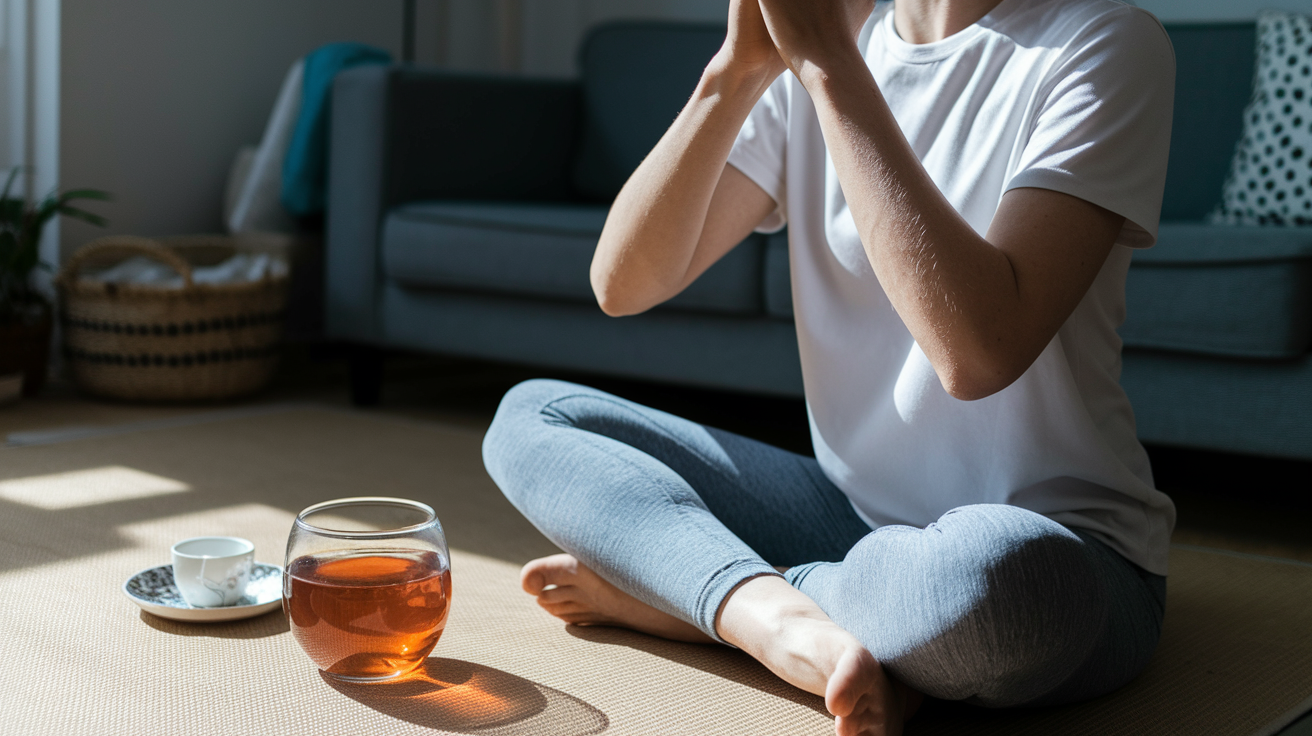

What if the best way to fight stress isn’t a pill but small daily habits you can start today?
Stress floods your body, makes your heart race, and steals your focus.
But tiny changes—short breathing breaks, a five minute walk, a two minute mindfulness pause—calm your nervous system fast and add up over time.
This post gives simple, natural tools you can use immediately and habits you can build so stress becomes easier to handle day to day.
No special equipment. No long routines. Just practical steps that work.
Immediate Natural Techniques to Reduce Stress Quickly

When stress hits, your body floods with adrenaline. Heart pounds, muscles tense, mind races. You can interrupt that spike in minutes with quick natural resets that don’t need a prescription or special equipment. The fastest methods work because they shift your nervous system from fight or flight back to calm.
Box breathing uses a simple four count rhythm: inhale for 4 counts, hold for 4, exhale slowly for 4, then repeat for a few minutes until your shoulders drop and your breathing settles. A 5-4-3-2-1 sensory grounding exercise pulls your attention into the present by naming 5 things you see, 4 you feel, 3 you hear, 2 you smell, and 1 you taste. It anchors you in the room instead of the worry loop. Short meditation (even 60 seconds) means sitting comfortably, closing your eyes, taking three deep breaths, and then letting your breathing return to normal while you just notice it. A brisk 5 minute walk around the block, up the stairs, or through a hallway releases endorphins and shifts your perspective. Progressive muscle relaxation works too: tense your shoulders hard for five seconds, then release. Repeat with your fists, then your calves. It signals your body to let go of stress it’s holding.
No single method works for everyone every time. If box breathing feels too controlled when you’re wound up, try the walk. If you can’t get outside, try grounding. The key is having a handful of quick tools ready so you can match the method to the moment.
Quick on the spot stress relief methods:
- Box breathing – inhale 4, hold 4, exhale 4, repeat
- 5-4-3-2-1 grounding – name what you sense to anchor attention
- 60 second meditation – close eyes, focus on breath, let thoughts pass
- 5 minute brisk walk – move your body to release tension and reset
- Muscle tensing and release – tighten then relax major muscle groups
- Call or text a friend – brief social connection buffers stress reactivity
Breathing Practices That Naturally Reduce Stress

Deep breathing lowers your heart rate, blood pressure, and cortisol levels within minutes because it activates your body’s built in relaxation response. When you slow your breath and make your exhale longer than your inhale, you signal your nervous system that it’s safe to stand down. These techniques work anywhere. At your desk, in the car before a meeting, or lying in bed when your mind won’t settle.
Breathing exercises require no special skill and take effect fast. You can practice them during a tense moment or build them into a daily two minute routine to keep baseline stress lower. The most effective methods use simple counting or rhythm to keep your mind focused and your breath steady.
Box Breathing Technique
Box breathing (sometimes called square breathing) is a four part cycle that creates calm through repetition and structure.
Sit comfortably with your feet flat on the floor. Inhale slowly through your nose for 4 counts, feeling your belly expand. Hold that breath for 4 counts without tensing. Exhale slowly through your mouth for 4 counts, emptying your lungs completely. Hold empty for 4 counts before starting the next inhale. Repeat the cycle for 2 to 5 minutes or until you feel your shoulders relax and your pulse slow.
Diaphragmatic Breathing Basics
Diaphragmatic breathing (belly breathing) uses your diaphragm instead of your chest to draw deeper, calmer breaths.
Place one hand on your chest and one on your belly. Breathe in slowly through your nose, letting your belly rise while your chest stays relatively still. Exhale slowly through your mouth, feeling your belly fall. Aim for breaths that last 4 to 6 seconds in and 6 to 8 seconds out. Practice for 3 to 5 minutes when stress builds or as part of a morning or bedtime routine.
Four mindful breathing steps to practice daily:
- Sit or lie down in a quiet spot and close your eyes
- Inhale slowly through your nose, counting to 4 or 5
- Exhale even more slowly through your mouth, counting to 6 or 8
- Focus only on the sensation of air moving in and out. Gently return attention when your mind wanders
Meditation and Mindfulness for Natural Stress Reduction
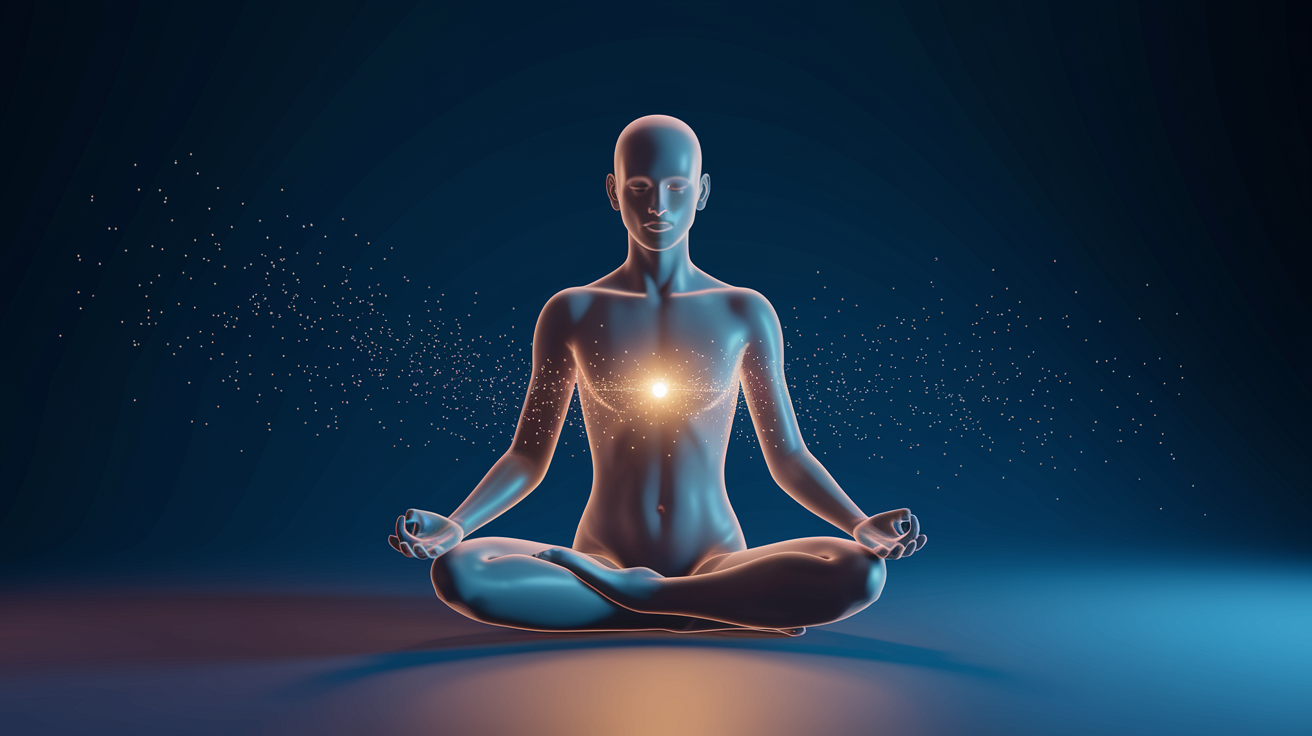
Even one minute of focused meditation can quiet a racing mind. You don’t need a special app, a quiet retreat, or years of practice. Just a willingness to pause and notice. Meditation works by giving your attention a single anchor (your breath, a word, or a body sensation) so the swirl of worries has less room to grow. To start, sit comfortably, close your eyes, and take three deep breaths. Then let your breathing return to its natural rhythm and simply notice it. When thoughts arrive (and they will), acknowledge them without judgment and bring your focus back to your breath. Set a timer for one minute if that feels manageable, or five minutes once you’re comfortable.
Mindfulness doesn’t require sitting still. It means being fully present during one ordinary task for about two minutes. Brush your teeth and feel the bristles on each tooth. Eat breakfast and notice the texture, temperature, and taste of each bite. Wash your hands and pay attention to the water temperature and the scent of the soap. These micro practices ground your attention in the present moment and reduce the reactivity that fuels stress. When you practice noticing without judging, you train your mind to observe stress without amplifying it.
Guided imagery and body scan meditation relax physical tension and shift your thinking away from stressors. In guided imagery, you close your eyes and imagine a calming place in detail. A beach at sunrise, a forest trail, a quiet room. Engage all your senses to make it vivid. Your nervous system responds to the imagined calm as if it were real. A body scan involves lying down and mentally “scanning” from your toes to the top of your head, noticing tension and consciously releasing it in each area. Both methods take 5 to 15 minutes and work especially well before bed or after a stressful event.
Five quick start mindfulness practices:
- Spend two minutes eating a snack slowly, noticing every flavor and texture
- Focus completely on brushing your teeth, feeling each stroke
- Sit outside for three minutes and count the different sounds you hear
- Hold a warm mug and pay attention to the heat in your palms
- Pause before opening your email and take three intentional breaths
Movement and Exercise as Natural Stress Relievers

Movement releases endorphins, your brain’s natural mood lifters. It gives stress hormones a physical outlet. Aerobic exercise like walking, jogging, or cycling also lowers cortisol over time and improves sleep, which in turn keeps stress from building up. You don’t need a gym or an hour long workout. Even a 10 minute walk can shift your mood and clear mental fog because the rhythmic motion and change of scenery interrupt the stress loop and give your mind something new to focus on.
Exercise works as stress relief because it mimics the physical response your body is primed for during stress: movement. When your muscles tense and your heart rate spikes, your system expects action. A brisk walk or a short jog completes that cycle, signaling your body that the “threat” is handled and it’s safe to relax. Over time, regular movement also builds resilience, so daily stressors feel more manageable and your baseline anxiety stays lower.
Short Walk Reset
A 5 to 15 minute walk outside immediately reduces feelings of overwhelm and improves relaxation.
Step outside (or walk through your building if weather or mobility is a barrier). Focus on your surroundings. Notice the sky, trees, sounds, or the feeling of air on your skin. Walk at a pace that feels brisk but comfortable, letting your arms swing naturally. Breathe steadily and let your mind follow your steps instead of looping back to stress. When you return, you’ll often find the problem feels smaller or a solution has surfaced.
Yoga and Gentle Mind Body Practices
Yoga, tai chi, and qigong combine movement, breath control, and focused attention to calm both body and mind. Hatha yoga uses gentle stretches and poses held for several breaths, which release muscle tension and quiet mental chatter. Restorative yoga uses props (pillows, blankets) to support the body in restful poses for several minutes, triggering deep relaxation. Tai chi and qigong use slow, flowing movements synchronized with breath. They’re especially helpful for people who find stillness difficult. Even 15 to 20 minutes of these practices lower stress hormones and improve mood. Forest bathing (walking slowly in a natural setting while paying close attention to sights, sounds, and scents) offers similar benefits by combining gentle movement with sensory grounding.
Six activities for quick stress relief through movement:
- A 10 minute brisk walk around your neighborhood or office building
- 15 minutes of gentle yoga stretches focusing on hips, shoulders, and neck
- Dancing to two or three favorite songs in your living room
- Gardening or yard work that keeps your hands busy
- A short swim or water aerobics session
- Tai chi or qigong practice using a beginner video
Natural Sleep Habits That Lower Daily Stress

Poor sleep and high stress fuel each other. Stress makes it harder to fall asleep and stay asleep, while inadequate rest leaves you more reactive and less able to cope the next day. Improving your sleep quality lowers cortisol levels and gives your nervous system the recovery time it needs to handle daily demands. Consistent sleep habits signal your body when it’s time to wind down, making it easier to fall asleep and wake feeling rested.
Keep your bedroom cool (around 65 to 68 degrees) and as dark as possible. Blackout curtains or an eye mask help. Limit screen time for at least 30 minutes before bed, since blue light from phones and tablets interferes with melatonin production. A white noise machine or a fan masks disruptive sounds and helps maintain deep sleep. Go to bed and wake up at the same time every day, even on weekends, to stabilize your internal clock. If your mind races at bedtime, try writing a short to do list for tomorrow or jotting down three things that went well today to clear mental clutter.
Chamomile tea about an hour before bed supports relaxation without the next day grogginess of sleep medications. A warm bath or shower 60 to 90 minutes before sleep raises your body temperature temporarily, and the cooldown afterward signals your brain that it’s time to rest. Avoid caffeine after early afternoon and limit alcohol in the evening. Both interfere with deep sleep even if they make you feel drowsy at first.
Five simple nighttime habits to improve sleep and lower stress:
- Set a consistent bedtime and wake time, including weekends
- Dim the lights an hour before bed to encourage melatonin release
- Keep a notepad by your bed to write down worries or tasks so they don’t loop in your mind
- Sip chamomile or passionflower tea as part of a calming bedtime routine
- Use a cool, dark, quiet room with minimal distractions
Diet and Nutrients That Support Natural Stress Relief

What you eat directly affects your stress hormone levels. Diets high in added sugars and saturated fats cause higher cortisol levels, while diets rich in fruits, vegetables, whole grains, and fiber keep cortisol more stable. Fiber from beans, nuts, seeds, and whole grains slows digestion and prevents blood sugar spikes that can trigger stress responses. Reducing processed foods and focusing on whole, nutrient dense options gives your body the raw materials it needs to manage stress chemically.
Caffeine increases cortisol and can amplify anxiety, especially if you’re already stressed. If you notice mood crashes, jitteriness, or trouble sleeping, try limiting intake to one cup of coffee in the morning or switching your second cup to decaf. Pay attention to hidden caffeine in tea, soda, energy drinks, and chocolate. For some people, cutting caffeine entirely for two weeks reveals how much it was contributing to baseline tension.
Omega 3 fatty acids found in fatty fish like salmon, sardines, and mackerel reduce cortisol and support brain health. Aim for two servings per week, or consider a fish oil supplement if you don’t eat fish. Magnesium helps regulate the nervous system and is often low in people under chronic stress. Foods like spinach, almonds, black beans, and dark chocolate are good sources, and magnesium supplements (200 to 400 mg daily) are widely available. Vitamin D supports mood regulation and has been linked to lower cortisol. Many people benefit from a supplement, especially in winter. B vitamins, particularly B6 and B12, support neurotransmitter production and help buffer anxiety. Find them in eggs, poultry, leafy greens, and fortified grains.
Adaptogenic herbs like ashwagandha and rhodiola are traditionally used to help the body adapt to stress. Research is still emerging, but some studies suggest they may lower cortisol and improve resilience when taken consistently over several weeks. Herbal teas like chamomile, passionflower, and lemon balm promote relaxation and can be used as part of a daily wind down routine.
Five foods and supplements associated with calmer mood:
- Fatty fish (salmon, sardines) or fish oil supplements for omega 3s
- Magnesium rich foods (spinach, almonds, black beans) or a supplement
- Chamomile or passionflower tea for gentle relaxation
- Vitamin D supplement if levels are low or sun exposure is limited
- Adaptogenic herbs like ashwagandha (consult a doctor before starting)
| Item | Benefit |
|---|---|
| Omega 3 fatty acids | Reduce cortisol levels and support brain health |
| Magnesium | Regulates nervous system and improves stress resilience |
| Chamomile tea | Promotes relaxation and supports sleep quality |
| Adaptogenic herbs | May help the body adapt to stress and lower cortisol |
Sensory and Creative Approaches to Natural Stress Reduction
Sensory grounding pulls your attention out of worry and into the present moment by engaging your five senses. The 5-4-3-2-1 technique is fast and works anywhere. Name 5 things you see, 4 things you can physically feel (your feet on the floor, the chair under you), 3 things you hear, 2 things you smell, and 1 thing you can taste. This exercise anchors you in your immediate surroundings and interrupts the mental loop of stress. Alternatively, savor a single bite of food slowly, light a candle with a favorite scent like lavender or vanilla, or listen to calming music with full attention for five minutes.
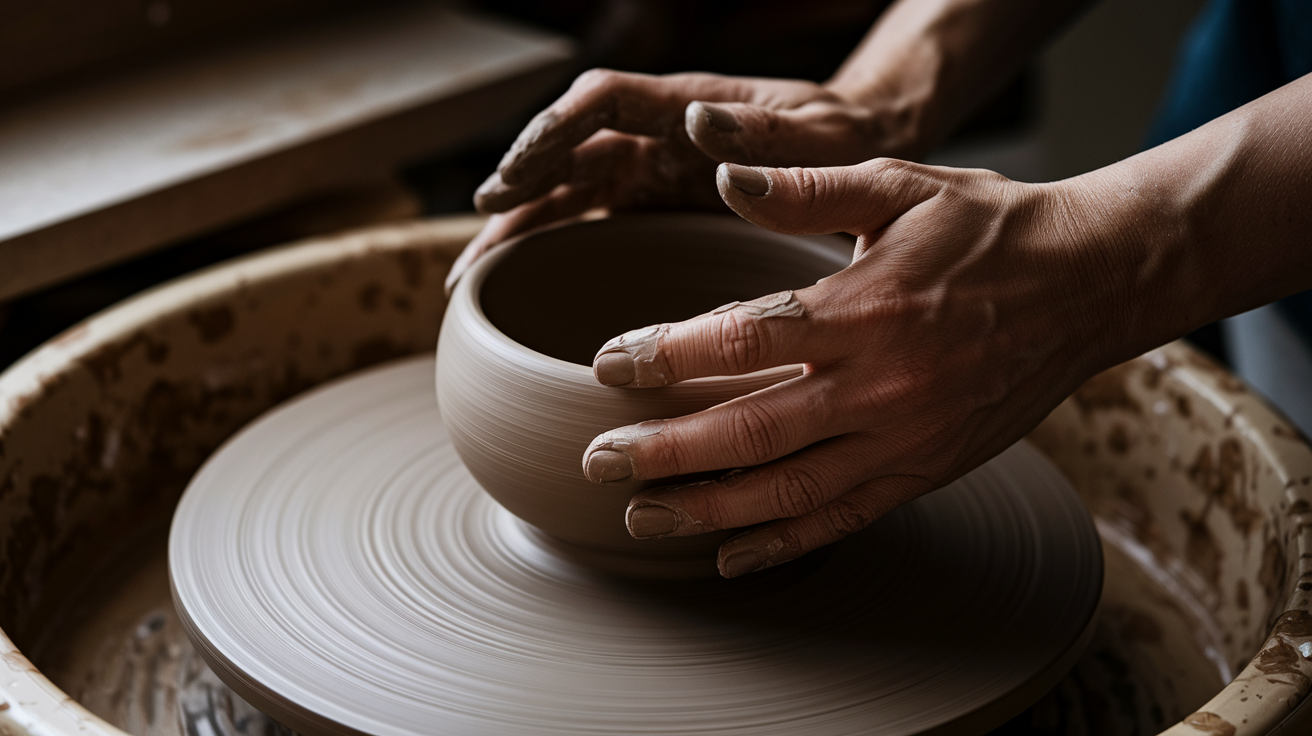
Creative activities like cooking, drawing, coloring, painting, or photography give your hands and mind a focused task that interrupts stress cycles. Making bread or rolling dough, for example, provides rhythmic, tactile engagement that’s naturally soothing. Adult coloring books, simple sketching, or arranging flowers let you create something without pressure or judgment. The goal isn’t artistic skill. It’s the focused, absorbing quality of the task that shifts your nervous system out of stress mode. Journaling with free flow writing (putting pen to paper for 10 to 20 minutes without editing or planning) helps process emotions and often surfaces solutions you couldn’t see while looping the same thoughts.
Four quick creative stress relief ideas:
- Spend 15 minutes cooking or baking something simple you enjoy
- Color in an adult coloring book or doodle freely on blank paper
- Arrange fresh flowers or rearrange a bookshelf
- Take photos of everyday objects, noticing light, color, and texture
Social Connection and Lifestyle Boundaries to Naturally Reduce Stress

Connecting with a friend or family member after a stressful event helps you unwind because human connection reduces stress reactivity. Even a 10 minute phone call, a 30 to 60 minute coffee meetup, or a shared meal provides emotional support and reminds you that you’re not handling everything alone. Quality matters more than quantity. One honest conversation often does more than hours of shallow interaction. Volunteering or joining a group activity (a book club, a walking group, a community class) builds regular connection into your schedule and reduces feelings of isolation.
Setting personal boundaries protects your time and energy. That means defining specific work hours and not checking email after a certain time, saying no to commitments that don’t align with your priorities, and letting go of guilt when you choose rest over obligation. Boundaries aren’t selfish. They’re how you preserve the mental space you need to stay calm and effective. If saying no feels hard, start small. Decline one low priority request this week and notice that the world doesn’t fall apart.
Digital detox and screen free blocks lower mental overload. Start with 30 to 60 minutes daily when you turn off notifications, put your phone in another room, and do something offline. Read, walk, cook, or just sit. Gradually increase that window as it becomes comfortable. Set a rule like no screens during meals or after 8 p.m. The constant ping of notifications keeps your nervous system on alert, so even short breaks give your brain a chance to settle.
Five boundary ideas to reduce daily stress:
- Set a firm end time for work and stop checking email afterward
- Decline one low priority invitation or request each week
- Schedule daily 30 to 60 minute screen free blocks
- Turn off non essential notifications on your phone
- Protect one evening per week for rest or a hobby with no obligations
Cognitive and Emotional Tools for Stress Reduction

Cognitive reframing helps you challenge the thoughts that amplify stress. When you catch yourself thinking “I can’t handle this” or “Everything is going wrong,” pause and ask whether that’s objectively true or whether you’re catastrophizing. Reframe the thought into something more balanced. “This is hard, but I’ve handled hard things before” or “One thing went wrong. That doesn’t mean everything will.” This isn’t positive thinking for its own sake. It’s replacing distorted thinking with accuracy, which lowers the emotional intensity of stress.
Cognitive behavioral therapy (CBT) tools teach you to identify stress amplifying thought patterns like all or nothing thinking, overgeneralization, and mind reading. You don’t need a therapist to use basic CBT techniques. When you notice a stressful thought, write it down, label the distortion (e.g., “I’m predicting the worst without evidence”), and write a more realistic alternative. Doing this regularly trains your brain to catch and correct stress fueling thoughts automatically. If stress or anxiety is interfering with daily life, a licensed clinical social worker or therapist trained in CBT can provide structured support and personalized strategies.
Expressive writing for 10 to 20 minutes without editing reduces emotional reactivity and helps you process what’s happening. Set a timer, pick up a pen, and write whatever comes to mind. Your worries, your frustrations, or even a stream of consciousness description of your day. Don’t stop to fix spelling or structure. Just let the thoughts flow onto the page. Research shows that this kind of free writing lowers stress and can even improve physical health markers over time.
Daily Gratitude Routine
Gratitude journaling shifts your brain’s bias toward noticing positives instead of dwelling on stressors. Spend 15 minutes a day (morning or evening works equally well) writing down three different things you’re grateful for. They don’t have to be big. “The coffee was good this morning,” “my neighbor waved hello,” “I finished that task I’d been avoiding.” Practicing this consistently for several weeks produces lasting changes in outlook and resilience. The key is writing three new things each day. Repetition without variety doesn’t have the same effect.
Four thought challenging techniques to reduce stress:
- Ask “Is this thought based on facts or assumptions?”
- Replace “always” and “never” with “sometimes” when describing problems
- Write down your worst case fear, then list three more likely, less catastrophic outcomes
- Imagine what you’d tell a friend in the same situation, then offer yourself that same compassion
Long Term Natural Stress Management Habits

Daily habits build cumulative stress resilience, so small consistent actions outperform occasional big efforts. Starting with one or two techniques (like three minutes of box breathing every morning plus a 10 minute evening walk) and practicing them for several weeks increases their effectiveness because your nervous system learns the pattern and responds faster. Habit stacking (attaching a new habit to an existing one, like doing a gratitude list right after brushing your teeth at night) makes consistency easier.
Resilience grows through repeated practice. Each time you use a breathing exercise during stress, complete a short walk when overwhelmed, or reframe a catastrophic thought, you’re training your brain to default to those responses instead of spiraling. Track your habits with a simple checkmark on a calendar or a notes app so you can see your progress. When a method stops working as well, rotate in a new technique from your toolkit. Variety keeps the practices effective and prevents them from becoming mechanical.
Set small, specific goals instead of vague intentions. “I’ll be less stressed” is too broad. “I’ll practice box breathing for three minutes every morning before checking my phone” is clear and measurable. SMART goals (specific, measurable, achievable, relevant, time bound) help you stay on track. Review your habits monthly and adjust based on what’s actually reducing your stress. Some techniques will fit your life better than others, and that’s fine. The goal is a personalized set of tools that work for you, not a checklist you force yourself through.
Five long term habit ideas for sustained stress reduction:
- Practice 3 to 5 minutes of deep breathing or meditation every morning
- Take a 10 to 15 minute walk at the same time each day
- Write three gratitude items nightly before bed
- Schedule one screen free hour daily, ideally in the evening
- Check in weekly on which stress relief methods are working and adjust as needed
Final Words
Try a quick breathing reset, a short walk, or a grounding trick the next time adrenaline spikes to stop stress in its tracks.
This article covered box breathing, short meditations, 5-4-3-2-1 grounding, progressive muscle relaxation, movement, sleep and diet tips, creative outlets, and boundary-setting.
Keep testing a few methods to see what helps you most. Small, steady steps show how to reduce stress naturally and bring more calm into your days.
FAQ
Q: How can I relieve stress fast or destress myself?
A: Relieving stress fast or destressing yourself usually works best with quick resets: box breathing, a 5–15 minute walk, 5-4-3-2-1 grounding, brief progressive muscle relaxation, or calling a friend.
Q: What are the 4 types of stress?
A: The four types of stress are acute (short-term), episodic acute (repeated short spikes), chronic (ongoing), and traumatic (from a major serious event).
Q: What are the 5 A’s of stress management?
A: The 5 A’s of stress management are Avoid (skip unnecessary stress), Alter (change the situation), Adapt (adjust your response), Accept (let go of what you can’t change), and Ask (seek help).