


What if simple habits—like smaller meals, elevating your bed, and ditching tight waistbands—helped your acid reflux more than reach-for-the-antacid instincts?
Many people think only pills work, but small changes often cut symptoms within days to weeks.
This post gives clear, practical steps you can start today: eating patterns, sleep tweaks, weight tips, and foods and drinks to avoid.
Try these moves for less heartburn and fewer nighttime flare-ups, and see a clinician if symptoms don’t improve.
Core GERD Lifestyle Modifications for Immediate Symptom Relief
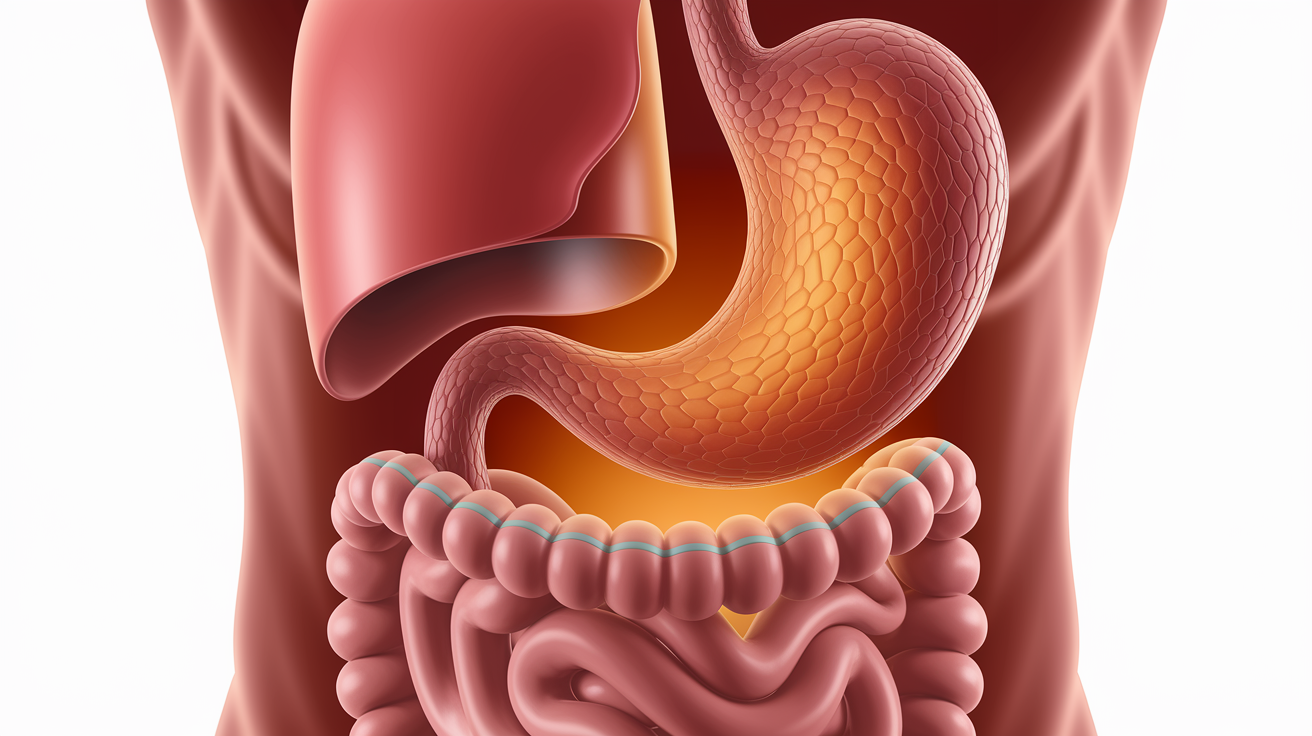
GERD happens when stomach acid flows back into your esophagus on a regular basis. You’ll typically feel heartburn, that sour or bitter taste creeping back up, and sometimes trouble swallowing. If you’re dealing with these symptoms two or more times a week, it’s probably GERD rather than just occasional reflux.
Lifestyle changes are where you start for managing mild or infrequent reflux. They target the actual mechanical and dietary reasons acid comes back up instead of just covering symptoms. Most people notice real relief within days or weeks when they stick with a few core adjustments.
The modifications below reduce pressure on your lower esophageal sphincter (the valve keeping stomach contents down) and let gravity do its job. You can start most of these today without waiting for an appointment or prescription.
Eat smaller meals more frequently throughout the day instead of two or three heavy ones. Avoid lying down within three hours of eating so your stomach has time to empty. Elevate the head of your bed by 6 to 8 inches to use gravity against nighttime reflux. Stay upright after meals for at least two to three hours. Take a short walk or just remain seated.
Identify and avoid trigger foods like spicy items, citrus, chocolate, caffeine, and fried foods. Quit smoking because nicotine weakens the muscle controlling the valve between your stomach and esophagus. Limit or cut out alcohol, especially white wine and beer, which are known reflux triggers. Wear loose fitting clothing around your waist to reduce pressure on your stomach.
Dietary GERD Modifications and Daily Eating Patterns
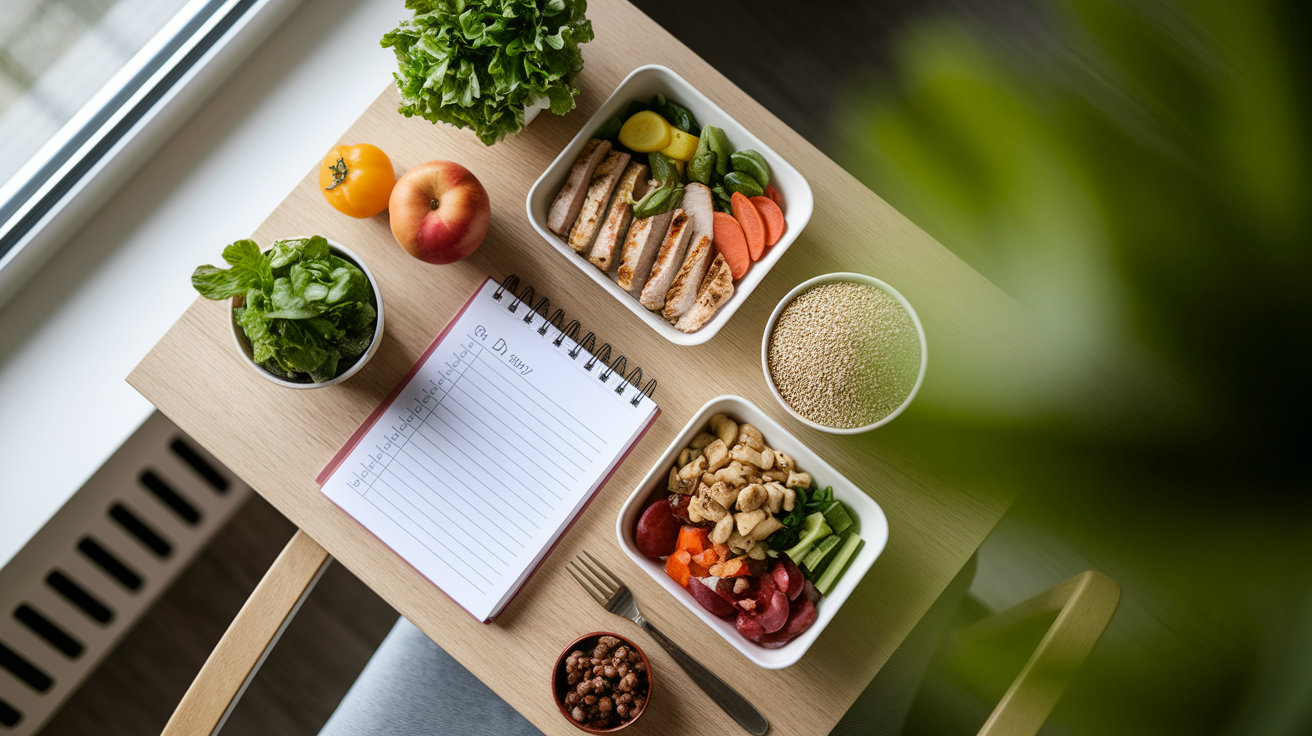
What you eat and when you eat it directly affect how often reflux happens and how severe it gets. Large meals stretch your stomach and increase pressure on the lower esophageal sphincter, making it easier for acid to escape upward. Finishing your last meal or snack at least two to three hours before bed lets your stomach empty before you lie down.
Certain foods and drinks relax the esophageal valve or directly irritate your esophagus lining. Common culprits include coffee, tea, carbonated beverages, fatty or fried items, spicy foods, citrus fruits, tomatoes, garlic, onions, peppermint, and chocolate. Alcohol, particularly white wine and beer, triggers reflux in many people.
Keeping a food diary is one of the most practical ways to identify your personal triggers. Not everyone reacts to the same foods. Tracking what you eat and how you feel afterward helps you build a customized plan. Write down the food, the time, and any symptoms that follow within a few hours.
| Food/Drink Category | Effect on GERD | Examples |
|---|---|---|
| Fatty and fried foods | Slow gastric emptying and relax the LES | French fries, fried chicken, doughnuts, fatty cuts of meat |
| Acidic foods | Irritate the esophageal lining directly | Oranges, lemons, tomatoes, tomato sauce |
| Caffeinated beverages | Relax the LES and increase acid production | Coffee, black tea, energy drinks |
| Carbonated drinks | Increase stomach pressure with gas | Soda, sparkling water, beer |
| Spicy foods | May irritate esophageal tissue and slow digestion | Hot peppers, chili powder, spicy sauces |
| Chocolate and peppermint | Relax the LES and allow acid backflow | Chocolate bars, peppermint tea, mint candies |
Mindful eating also plays a role in reducing reflux episodes. Slow down while you eat, chew your food thoroughly, and pay attention to how your body feels as you finish a meal. Eating quickly or overeating can overwhelm your stomach’s ability to process food comfortably, leading to increased pressure and reflux.
Weight Management Strategies That Reduce GERD Pressure
Carrying extra weight, especially around your abdomen, increases physical pressure on your stomach. This pressure can distort the anatomy of the valve between your stomach and esophagus, making it easier for acid to flow backward. Even modest weight loss, just 5 to 10 pounds if you’re overweight, can produce noticeable symptom improvement.
Weight loss doesn’t need to be dramatic or fast to help with reflux. Small, sustainable changes to your eating habits and activity levels often work better than restrictive diets. Regular physical activity supports weight management and also helps with stress reduction and digestion. Both influence reflux symptoms.
Take a 10 to 30 minute walk most days of the week to increase calorie burn and aid digestion. Control portion sizes by using smaller plates and eating slowly enough to recognize when you’re comfortably full. Choose baked, grilled, or steamed items instead of fried foods to reduce calorie density and fat intake.
Add more fiber rich foods like vegetables, whole grains, and legumes to help you feel satisfied with fewer calories. Track what you eat in a simple food journal or app to identify high calorie habits you can adjust. Seek guidance from a dietitian or clinician if you need a personalized plan that fits your health conditions and goals.
Nighttime GERD Modifications: Sleep Position and Bed Elevation

Nighttime reflux happens when you lie flat and gravity no longer helps keep stomach acid down. Many people wake with a sour taste, coughing, or chest discomfort because acid has moved into the esophagus while they sleep. Two simple changes can reduce or eliminate nighttime episodes: elevating the head of your bed and adjusting your sleep position.
Raising the head of your bed by 6 to 8 inches creates a gentle slope that uses gravity to keep stomach contents where they belong. This works better than stacking pillows, which can kink your body and actually increase abdominal pressure. Avoid reclining within three hours of eating to give your stomach time to empty before you lie down.
Practical Bed Elevation Methods
You have a few options for achieving the 6 to 8 inch elevation recommended for reflux relief. Bed risers are inexpensive blocks or wedges that fit under the legs at the head of your bed frame, lifting the entire upper portion. Wedge pillows are foam supports that elevate your torso without adjusting your bed frame, though they work best if they’re firm and wide enough to support your shoulders. Adjustable bed frames offer the most control and comfort but cost more upfront.
Bed risers are low cost and stable. They elevate the whole bed frame but may not suit all bed types or roommates. Wedge pillows are portable and don’t require bed modification. They can shift during sleep and may take time to get used to. Adjustable frames give you precise control and are comfortable for long term use but have a higher upfront cost.
Sleeping on your left side has been found to reduce reflux risk compared to the right side, likely due to the position of the stomach and esophagus.
Clothing, Posture, and Daily Habits That Lower Stomach Pressure
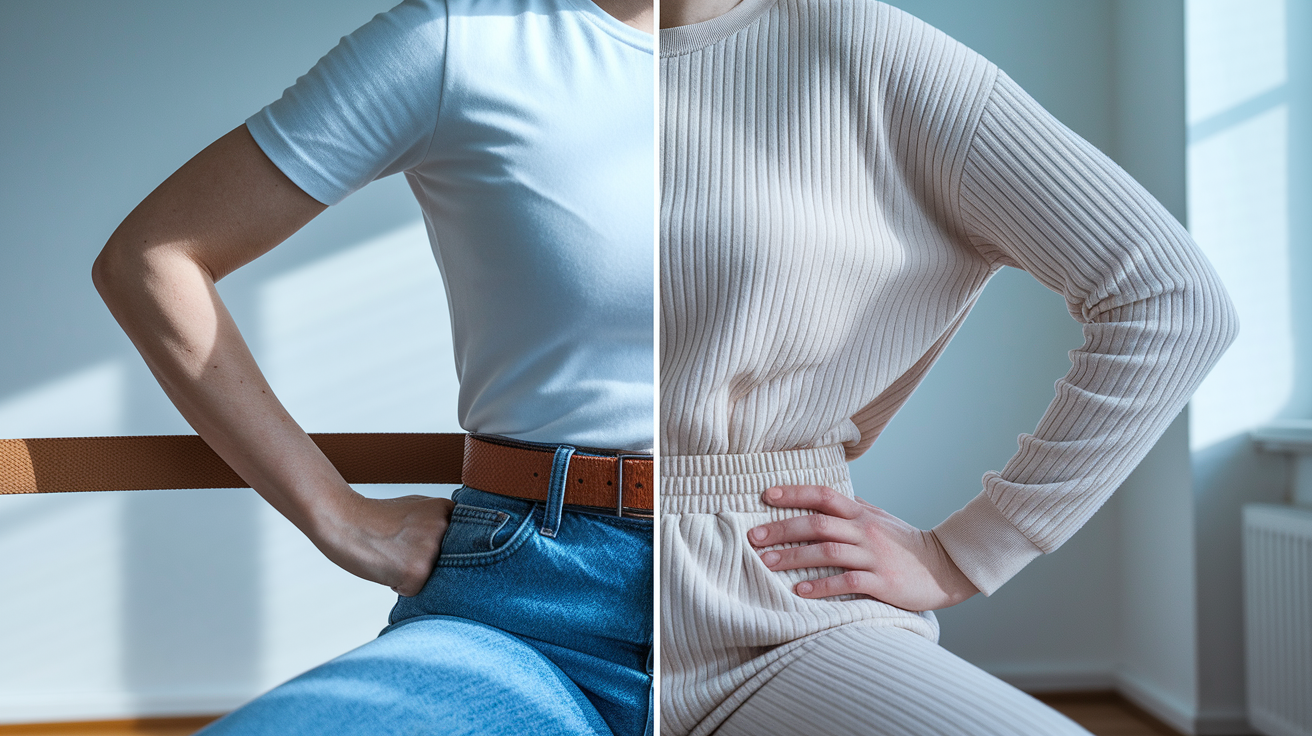
Tight belts, waistbands, and fitted clothing can squeeze your stomach and push acid upward. Wearing loose fitting clothes around your waist is a simple way to reduce unnecessary pressure throughout the day. This matters especially after meals when your stomach is fuller.
Staying upright for two to three hours after eating helps prevent reflux. Bending at the waist, slouching, or lying down soon after a meal increases the likelihood that stomach contents will move into your esophagus. If your job requires you to bend or lift, try to time those tasks for when your stomach is relatively empty.
Choose pants and skirts with elastic or adjustable waistbands rather than rigid belts or tight buttons. Sit upright while eating and for at least an hour afterward to let gravity assist digestion. Avoid heavy lifting or vigorous bending within two to three hours of meals.
If you work at a desk, adjust your chair and monitor so you sit tall without slouching forward, which compresses your abdomen.
Smoking, Alcohol, and Beverage Related GERD Triggers
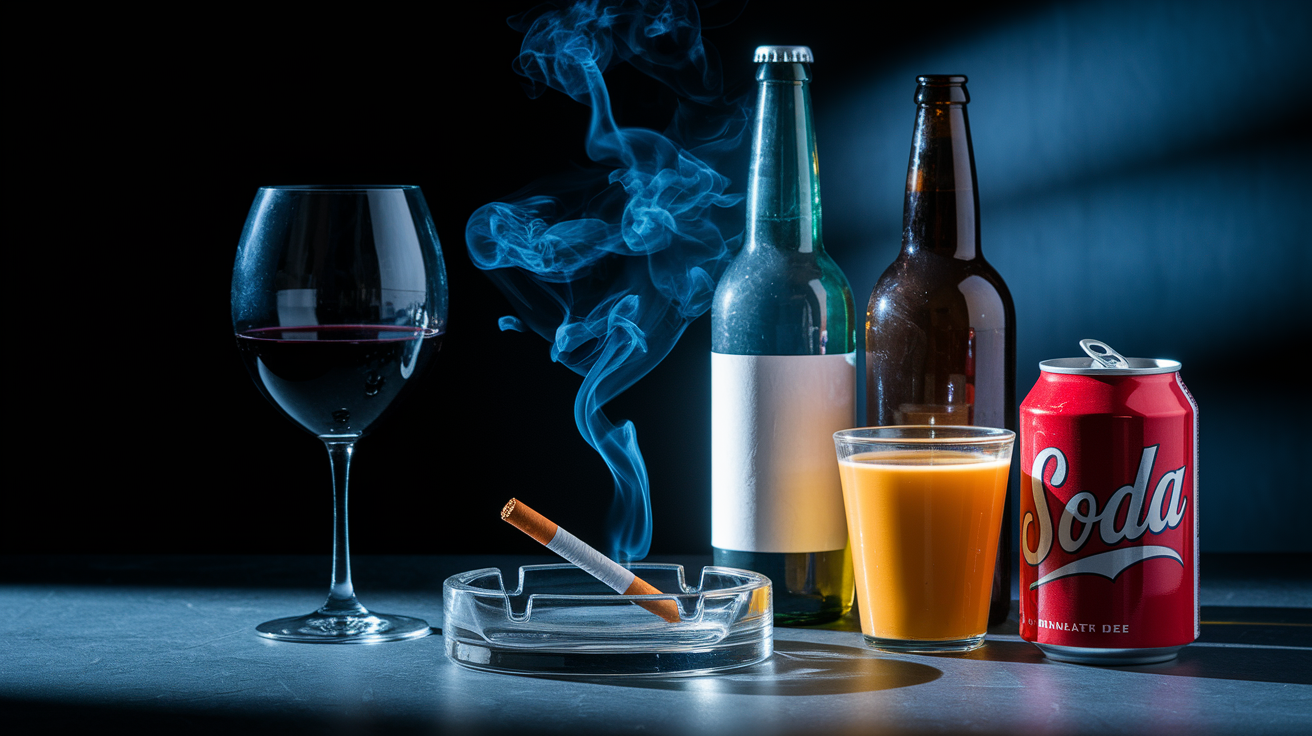
Smoking weakens the lower esophageal sphincter because nicotine relaxes the muscle that’s supposed to keep the valve closed. This makes it easier for stomach acid to escape into the esophagus. Quitting smoking is one of the highest impact changes you can make for reflux relief and for your overall health. Many people notice improvement in reflux symptoms within weeks of quitting.
Alcohol relaxes the same valve and can increase stomach acid production. White wine and beer have been especially linked to reflux episodes, though all types of alcohol can trigger symptoms. If you drink regularly and have frequent reflux, try cutting back or eliminating alcohol for a few weeks to see if your symptoms improve. Even reducing from daily drinking to occasional drinking can make a difference.
Caffeinated drinks and carbonated beverages are also common triggers. Coffee and tea relax the LES and may increase acid production. Carbonated drinks add gas to your stomach, which increases pressure and can force acid upward. If you’re not ready to eliminate these drinks entirely, try cutting back gradually. Switch to half caf coffee, limit soda to small servings, or swap carbonated water for still water during meals.
Stress Reduction and Relaxation Techniques for GERD Symptom Control

Stress doesn’t directly cause GERD, but it can worsen symptoms by increasing stomach acid production and slowing digestion. When you’re stressed or anxious, your body may also become more sensitive to the sensations of reflux, making discomfort feel more intense. Managing stress is a practical part of a complete reflux management plan.
Relaxation practices such as deep breathing exercises, meditation, and gentle yoga can reduce the physiological effects of stress and help your digestive system function more smoothly. Regular physical activity like walking or swimming supports both stress reduction and weight management. Those are two of the most effective lifestyle modifications for GERD. Aim for consistency rather than intensity. Daily 15 to 30 minute sessions are more helpful than occasional long workouts.
Practice deep breathing for 5 to 10 minutes before meals or when you notice symptoms starting. Set aside time for a calming routine each day, such as a short walk, listening to music, or reading. Try guided meditation or a meditation app if you’re new to relaxation techniques.
Include gentle stretching or yoga in your routine, avoiding poses that compress the abdomen or involve lying flat right after eating. Get regular physical activity most days of the week to reduce overall stress and support digestion.
Tracking GERD Triggers and Creating a Personalized Action Plan

Not everyone reacts to the same foods, drinks, or habits. Keeping a food and symptom diary helps you identify patterns that are specific to you. Write down what you eat, when you eat it, and any reflux symptoms that follow within the next few hours. Over time, you’ll notice which items consistently trigger discomfort and which changes give you the most relief.
You can use a simple notebook, a notes app on your phone, or a dedicated symptom tracking app. Include details like meal size, timing, stress levels, sleep position, and whether you stayed upright after eating. This information helps you refine your approach and gives you useful data to share with a clinician if you need further evaluation or treatment.
Track your meals, drinks, and symptoms for at least one to two weeks to identify clear patterns and triggers. List the modifications that make the biggest difference for you. These become your non-negotiable daily habits. Set realistic goals for changes you want to work on next, such as quitting smoking, losing a small amount of weight, or adjusting meal timing.
Review your plan every few weeks and adjust based on what’s working and what’s not. GERD management is often a process of gradual improvement.
When Lifestyle Modifications Are Not Enough: Next Steps and Red Flags

Lifestyle changes can significantly reduce the frequency and severity of reflux episodes for many people, especially those with mild or infrequent symptoms. But some people continue to have symptoms despite consistent effort. Others have reflux that’s too severe or frequent to manage with lifestyle changes alone. If you’re still experiencing symptoms twice or more per week after several weeks of modifications, it’s time to talk with a clinician.
There are red flag symptoms that require prompt medical evaluation. These include difficulty swallowing (feeling like food is getting stuck), unexplained weight loss, persistent vomiting, or chest pain. Chest pain can feel similar to heartburn but may also signal a heart problem, so it should always be checked out right away. Don’t wait if you have any of these symptoms.
Stepwise GERD management often includes over the counter medications such as antacids, H2 blockers, or proton pump inhibitors (PPIs) in addition to lifestyle changes. Your clinician may also order tests like an endoscopy to check for damage to your esophagus or other complications. Lifestyle modifications remain foundational even when medications are added. They help medications work better and may allow you to use lower doses.
Difficulty swallowing or a sensation of food getting stuck in your chest or throat needs same day or emergency care. So does chest pain, especially if it’s new, severe, or accompanied by shortness of breath or sweating. Vomiting blood or vomit that looks like coffee grounds is another red flag.
Black, tarry stools can indicate bleeding in the digestive tract. Unexplained weight loss of more than a few pounds over a short period also warrants prompt evaluation.
Final Words
Put these steps into practice now: eat smaller, more frequent meals; avoid lying down within 3 hours of eating; lift the head of your bed 6–8 inches; and watch trigger foods.
Track symptoms and food choices, work on modest weight loss, quit smoking, limit alcohol, and try stress-reduction techniques. Lifestyle changes are the first-line approach for mild reflux, but see a clinician if symptoms happen twice a week or you notice red-flag signs.
Following these gerd lifestyle modifications can reduce episodes and help you sleep better. Many people find real relief with simple changes.
FAQ
Q: How to cure GERD naturally?
A: To cure GERD naturally, focus on lifestyle changes: eat smaller, more frequent meals; avoid lying down within 3 hours of eating; raise the head of the bed; limit alcohol and smoking; identify trigger foods. See a clinician if frequent.
Q: Does GERD ever go away?
A: GERD can go away for some people after weight loss and lifestyle changes, but it’s chronic for others. Symptoms two or more times a week suggest ongoing GERD—talk to a clinician for diagnosis and a plan.
Q: How long does a GERD flare up last?
A: A GERD flare up usually lasts a few hours to a few days, depending on the trigger and treatment. If heartburn or vomiting continues beyond two weeks or you have chest pain, seek prompt care.
Q: What foods calm acid reflux?
A: Foods that calm acid reflux include oatmeal, bananas, melons, cooked vegetables, lean poultry, ginger, and low-fat yogurt. Eat small portions, avoid known triggers like coffee and fried foods, and track your responses.