
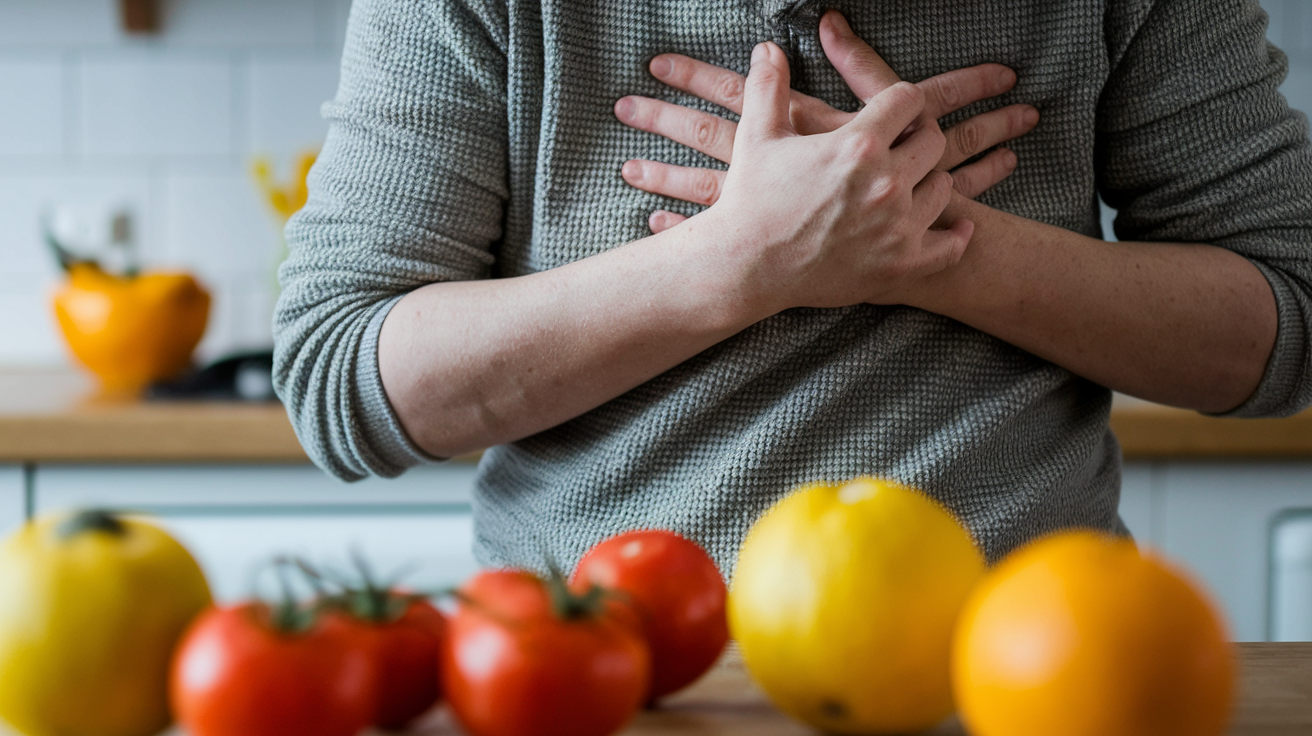

Think giving up coffee or tomatoes is enough to fix GERD?
It helps, but lasting relief comes from avoiding a wider set of foods that relax the LES (lower esophageal sphincter), increase stomach acid, slow digestion, or directly irritate the esophagus.
This post gives a clear, easy-to-scan list of common trigger categories—like fatty fried foods, acidic fruits, caffeine and chocolate, spicy dishes, carbonated drinks, alcohol, full-fat dairy, and processed items—so you can spot and swap problem foods fast.
Use the list to track your triggers and cut flare-ups.
Comprehensive Overview of GERD Trigger Foods
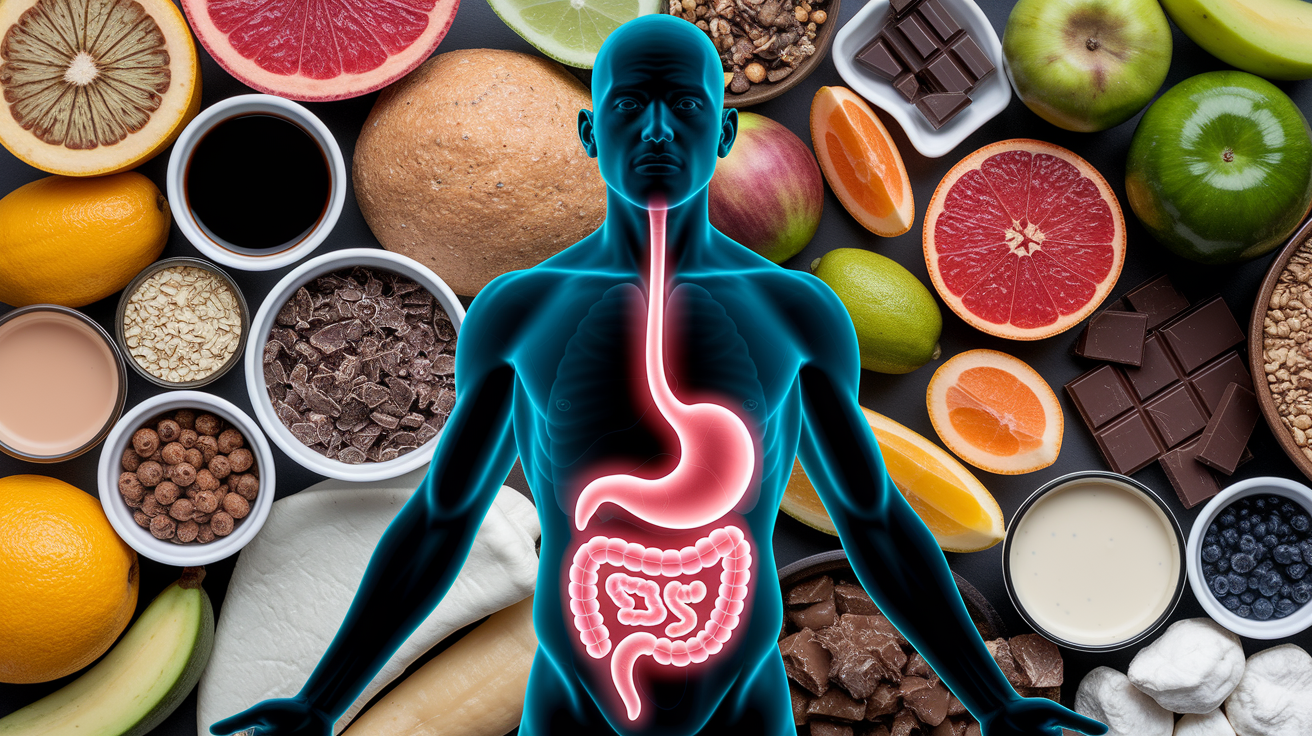
When stomach acid pushes back into your esophagus, it creates that burning sensation you know as heartburn. The lower esophageal sphincter (LES), a ring of muscle that works like a one-way valve between your stomach and throat, relaxes when it shouldn’t. In people with gastroesophageal reflux disease, this backwash happens frequently and damages delicate esophageal tissue over time.
What you eat directly influences how often reflux occurs and how severe it gets. Some foods relax the LES and let acid escape upward. Others boost stomach acid production, slow digestion (so food and acid sit longer), or irritate tissue that’s already inflamed. Understanding which foods fall into these categories helps you take real control of symptoms.
Research and patient reports point to nine major trigger categories that show up repeatedly:
- High-fat and fried foods (french fries, fast-food burgers, creamy sauces, fatty red meat)
- Acidic foods and drinks (citrus fruits, orange juice, tomatoes, tomato sauce, pineapple)
- Caffeine-containing items (coffee, caffeinated tea, energy drinks, some sodas)
- Chocolate (candy bars, chocolate milk, cocoa-based desserts)
- Spicy foods (hot salsa, chili peppers, curry dishes)
- Carbonated beverages (soda, sparkling water, carbonated energy drinks)
- Alcohol (beer, wine, spirits)
- Full-fat dairy (whole milk, 2% milk, cheese, sour cream, ice cream)
- Certain processed foods (many contain hidden fat, acid, or additives)
Everyone’s digestive system responds a little differently. One person’s safe meal can be another’s trigger. Keeping a simple log of what you eat and when symptoms flare helps you spot your personal patterns. That personalized approach, combined with general knowledge of common dietary triggers, gives you the clearest path to lasting relief.
High-Fat and Fried Foods That Commonly Worsen GERD

Fatty foods create a double problem for people with acid reflux. Fat takes longer to leave your stomach. That extended digestion time means more opportunity for acid to push up into your esophagus. Second, fat directly relaxes the lower esophageal sphincter and weakens the barrier that’s supposed to keep stomach contents down.
Fast food and deep-fried items pack the most risk. A single drive-through meal can contain enough fat to keep your stomach working for hours. The longer food sits there, the higher the pressure builds, and the more likely reflux becomes.
Common high-fat triggers include:
- French fries and onion rings
- Fried chicken, fish, and other battered proteins
- Potato chips and cheese puffs
- High-fat cuts of red meat (ribeye, prime rib)
- Creamy pasta sauces and ranch dressing
- Fast-food burgers and fried breakfast sandwiches
You don’t have to give up flavor or satisfaction. Grilled chicken instead of fried delivers the same protein without the reflux risk. Baked sweet potato wedges can replace fries. Air fryers let you get crispy textures with a fraction of the oil. Swapping creamy Alfredo for a light marinara (if tomatoes don’t bother you) or a broth-based sauce cuts fat dramatically. Choosing leaner cuts like sirloin or tenderloin, trimming visible fat, and watching portion sizes all help keep meals GERD-friendly without feeling restrictive.
Acidic Foods and Drinks That Irritate the Esophagus

Acid from your stomach damages esophageal tissue. Eating or drinking highly acidic foods adds to that acid load and directly irritates tissue that’s already inflamed. Even if your LES is working well in that moment, the acidity itself can cause a burning sensation as it moves through your digestive tract.
Citrus fruits and their juices rank at the top of acidic triggers. Oranges, grapefruits, lemons, and limes all have a pH low enough to worsen heartburn for most people with GERD. Tomatoes and tomato-based products come in second. That includes pasta sauce, ketchup, salsa, and tomato soup. Pineapple, though sweet, is surprisingly acidic and often triggers symptoms.
| Food Category | Examples | Why It Triggers GERD |
|---|---|---|
| Citrus Fruits and Juices | Oranges, grapefruit, lemon juice, orange juice | High natural acid increases stomach acidity and irritates esophageal lining |
| Tomato Products | Tomato sauce, ketchup, marinara, salsa | Concentrated acidity and often combined with fat or spices |
| Pineapple | Fresh, canned, or juiced pineapple | Contains bromelain enzyme and high acid content |
| Processed Acidic Foods | Pickles, vinegar-based dressings, canned soups | Added acids and preservatives increase irritation |
Shifting to low-acid alternatives makes meals easier on your esophagus. Bananas, melons, apples, and pears are gentle fruits that rarely cause problems. Leafy greens like spinach, kale, and romaine deliver nutrients without acidity. Cucumbers, carrots, and green beans work well as snacks or sides. If you miss the brightness citrus adds to recipes, try fresh herbs like basil or a small amount of ginger for flavor without the burn.
Caffeine and Chocolate as Reflux-Aggravating Foods

Caffeine may weaken the lower esophageal sphincter in some people, though research results are mixed. What’s consistent is that many individuals with GERD notice worse symptoms after coffee, tea, or energy drinks. Caffeinated sodas add carbonation to the mix and double the reflux risk.
Chocolate creates problems through multiple pathways. It contains methylxanthines, compounds that relax the LES and make it easier for acid to escape upward. Chocolate is also acidic and often high in fat, especially milk chocolate and creamy chocolate desserts. Many chocolate products contain caffeine, adding another layer of risk. A chocolate milkshake, for example, combines chocolate, caffeine, fat, and dairy in one reflux-triggering package.
Common sources to watch:
- Regular coffee and espresso (hot or iced)
- Black tea, green tea, and caffeinated herbal teas
- Energy drinks and caffeinated sodas
- Chocolate candy bars and truffles
- Chocolate milk, hot chocolate, and mocha drinks
Decaffeinated coffee and tea still contain trace amounts of caffeine, so they’re not completely safe for everyone. Herbal teas like chamomile, ginger, or licorice root offer warm, soothing alternatives without caffeine. For dessert, try angel food cake, fruit-based sorbets, or vanilla pudding made with low-fat milk. Carob can substitute for chocolate in some recipes, though the flavor is different. Many people find that giving up chocolate is one of the hardest changes but also one of the most effective for reducing nighttime reflux and regaining comfortable sleep.
Spicy Foods and Their Impact on Reflux Symptoms
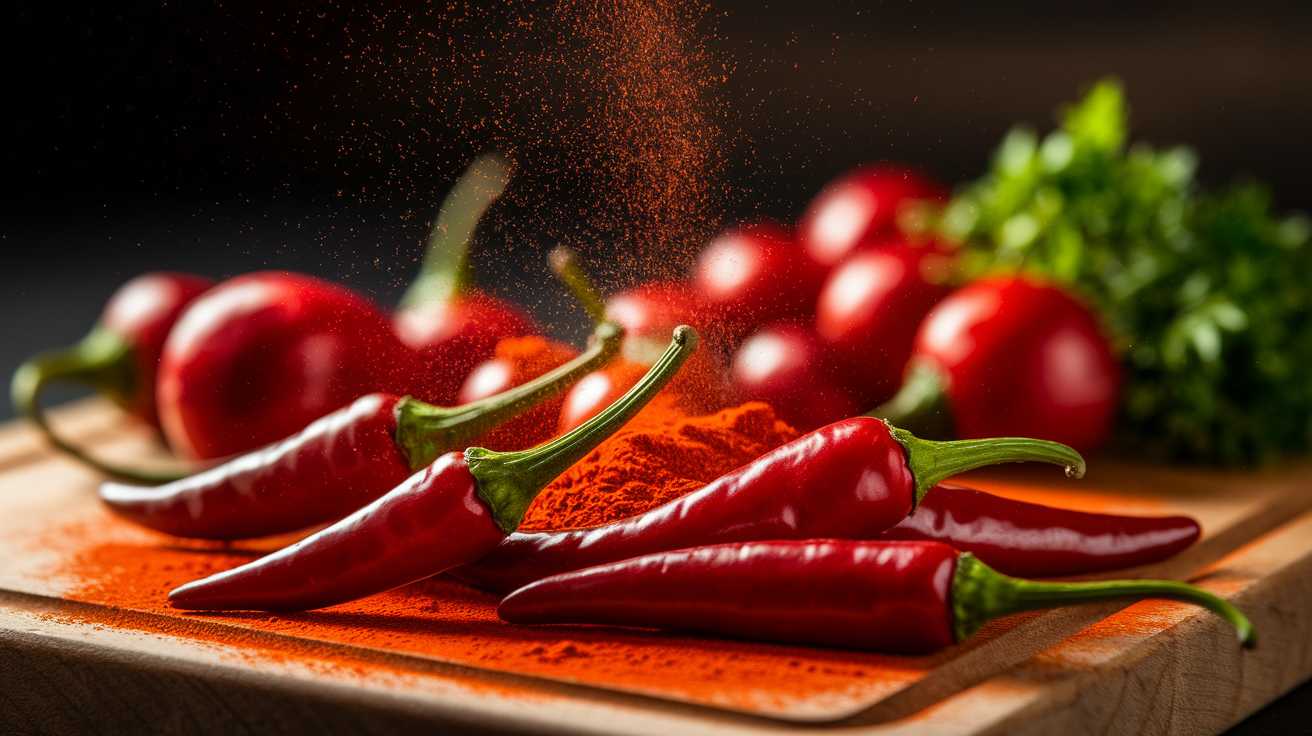
Hot peppers and spicy seasonings contain capsaicin, the compound that creates the burning sensation on your tongue. That same irritation can happen inside your esophagus. Capsaicin also slows the rate at which your stomach empties, meaning food and acid sit longer and have more time to reflux.
Some research suggests that people who regularly eat spicy food may develop a tolerance. Their digestive systems adapt over time, and symptoms become less severe. But for many people with GERD, even small amounts of spice trigger immediate heartburn, especially if reflux has already damaged esophageal tissue.
Spicy trigger foods include:
- Hot salsa and pico de gallo
- Thai curries and spicy pad Thai
- Buffalo wings and hot sauce
- Chili peppers (jalapeños, habaneros, serranos)
Flavor doesn’t have to mean fire. Fresh herbs like basil, cilantro, parsley, and dill add brightness without heat. Garlic and onion are acidic for some people, so roasted or sautéed versions may be gentler than raw. Mild spices like cumin, coriander, and paprika (not the hot kind) can season dishes without triggering reflux. Experimenting with these milder options helps you find combinations that satisfy your taste buds and your esophagus at the same time.
Carbonated Beverages and Alcohol as GERD Triggers
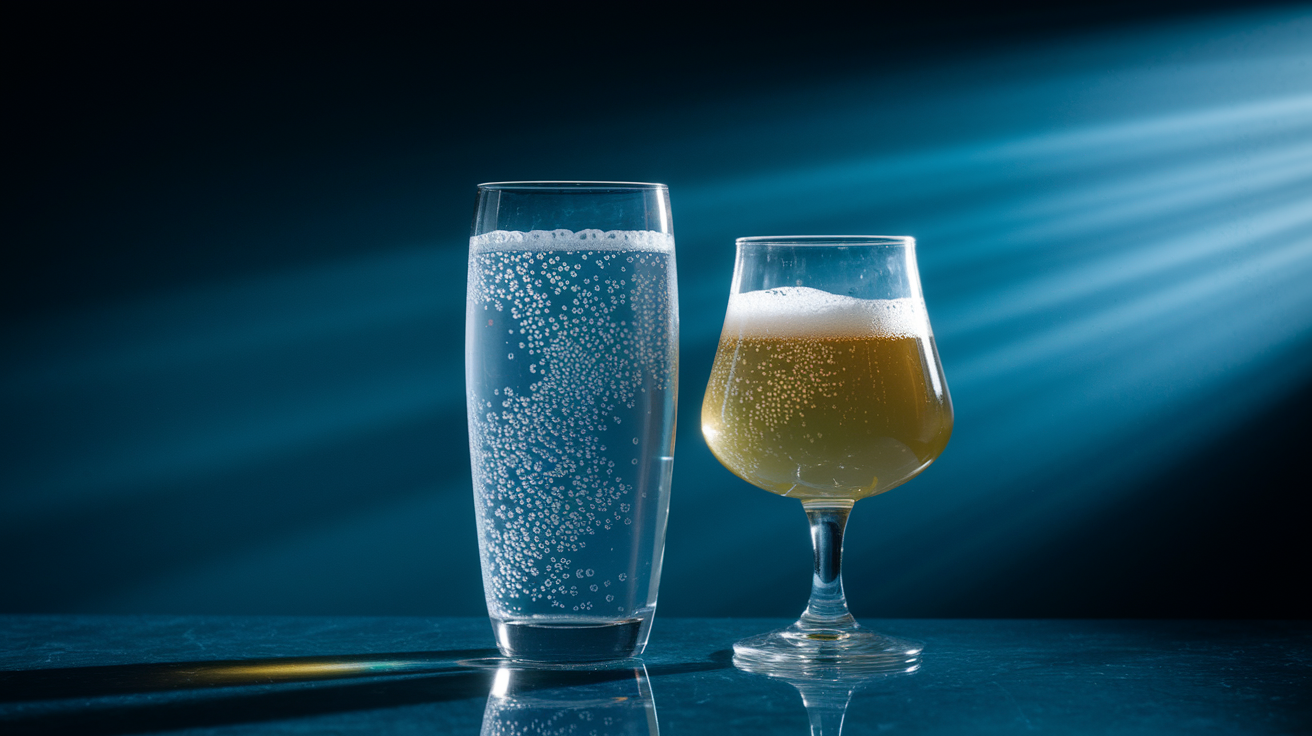
Carbonated drinks introduce gas into your stomach. That extra pressure can force the LES open, especially if you’re lying down or bending over after drinking. Belching releases some of that gas, but each belch also carries a small amount of acid up with it. Sodas, sparkling water, and carbonated energy drinks all create this effect, even if they’re sugar-free or caffeine-free.
Alcohol affects reflux through a different mechanism. It irritates and inflames the stomach lining and increases acid production. It also weakens the LES, making the valve less effective at keeping stomach contents down. Drinking alcohol close to bedtime raises the risk of nighttime reflux, when lying flat already makes it easier for acid to flow backward. Limiting intake to one drink at a time and avoiding alcohol in the hours before sleep can reduce flare-ups.
| Beverage Type | Examples | Reflux Impact |
|---|---|---|
| Carbonated Soft Drinks | Cola, lemon-lime soda, ginger ale | Gas increases stomach pressure and promotes belching with acid |
| Carbonated Water | Sparkling water, seltzer, tonic water | Even without sugar or caffeine, carbonation alone can trigger symptoms |
| Beer and Sparkling Wine | Lager, ale, champagne, prosecco | Combines alcohol’s LES-relaxing effect with carbonation |
| Spirits and Wine | Vodka, whiskey, red and white wine | Alcohol irritates stomach lining and impairs sphincter function |
Plain still water is the safest, most hydrating choice. Herbal teas (non-caffeinated) and diluted, non-citrus juices like apple or pear can add variety. If you enjoy the ritual of an evening drink, consider a small amount of low-acid juice mixed with water, served at room temperature rather than ice-cold, which some people find gentler on the stomach.
Dairy Products and Other Processed Items to Limit
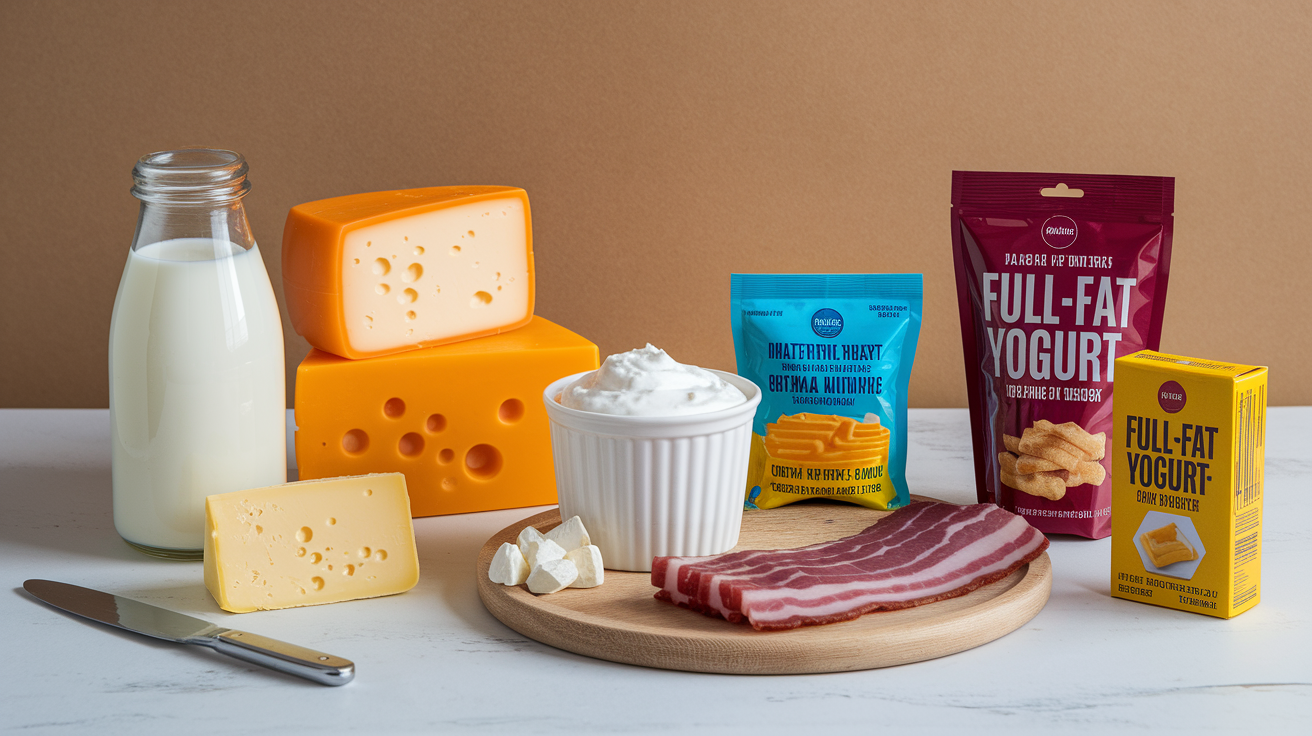
Whole milk and 2% milk contain enough fat to slow digestion and relax the LES. Full-fat yogurt, cheese, sour cream, and ice cream carry the same risks. Flavored milks like chocolate or strawberry add sugar and, in chocolate’s case, caffeine and additional acid. Milkshakes combine dairy fat, ice cream, and often chocolate or other sweet syrups in a single reflux-triggering drink.
Processed foods often hide multiple GERD triggers in one package. A frozen meal might include tomato sauce, high-fat cheese, and added preservatives. Deli meats and hot dogs are high in fat and sodium. Pre-packaged snacks like cheese crackers or buttery popcorn deliver fat and salt together.
Dairy and processed triggers to watch:
- Whole milk, 2% milk, and half-and-half
- Cheddar, mozzarella, cream cheese, and other full-fat cheeses
- Sour cream, heavy cream, and butter
- Full-fat ice cream and frozen yogurt
- Processed meats (bacon, sausage, deli slices)
- Packaged snack foods with high fat or artificial additives
Switching to low-fat or nonfat dairy reduces fat intake while keeping protein and calcium. Skim milk, reduced-fat cheese, and fat-free yogurt are gentler options. Plant-based milks like almond, soy, or oat milk work well for many people, though some varieties contain added sugar or thickeners, so check labels. Fresh, whole foods prepared at home give you the most control. Grilled chicken, steamed vegetables, plain rice, and fresh fruit let you see exactly what’s on your plate and avoid hidden triggers that processed convenience foods often contain.
Practical Ways to Identify Personal GERD Dietary Triggers

A food diary is one of the most effective tools for pinpointing what worsens your reflux. General lists give you a starting point, but your digestive system is unique. Something that bothers most people might not affect you, and a food that seems harmless might be your biggest trigger.
Start by writing down everything you eat and drink, along with the time. Note portion sizes. A small serving of cheese might be fine, but a large amount could cause problems. Record when heartburn or other symptoms appear. Over a week or two, patterns emerge. You might notice that coffee at breakfast is fine, but coffee after 3 p.m. leads to nighttime reflux. Or that tomato sauce on pasta triggers symptoms, but a small amount of ketchup doesn’t.
Once you spot a likely trigger, use a single-food elimination approach. Remove just that one item for a week and track your symptoms. If reflux improves, you’ve found a personal trigger. If symptoms don’t change, that food might not be the problem. Reintroduce it and test another suspected item. This methodical process is more accurate than eliminating multiple foods at once, which makes it hard to know which change helped.
Essential diary components include:
- Date and time of each meal or snack
- Specific foods and drinks consumed (including condiments, cooking oils, and beverages)
- Estimated portion sizes
- Time symptoms appear and their severity
- Other factors like stress, exercise, medications, or lying down soon after eating
Late-night eating deserves special attention. Eating within two to three hours of bedtime increases reflux risk because lying down removes gravity’s help in keeping stomach contents down. If your diary shows a pattern of nighttime symptoms, try finishing meals earlier. Some people also find that certain foods are safe during the day but trigger reflux if eaten in the evening. Your diary will reveal these time-based patterns along with the specific dietary triggers that affect you most.
Final Words
Put this into practice: the post showed how reflux happens and why high-fat, acidic, caffeinated, spicy, carbonated, alcoholic, dairy, and processed foods can trigger symptoms.
It also gave a clear food list, meal swaps, and ways to test your triggers like keeping a food diary and trying one food at a time.
Use the gerd foods to avoid list as your starting checklist, track meals and symptoms over a few weeks, and adjust. If problems continue, see a clinician. Small changes often help you feel better.
FAQ
Q: What foods should I eat to reduce GERD?
A: The foods you should eat to reduce GERD are low-fat, low-acid choices like oatmeal, bananas, melons, steamed vegetables, lean poultry, and noncitrus juices; smaller meals and slower eating also help.
Q: What are the worst foods to eat with GERD?
A: The worst foods to eat with GERD are high-fat and fried foods, spicy dishes, chocolate, caffeine, citrus and tomato products, carbonated drinks, alcohol, and many processed or fatty dairy items.
Q: Is ice cream good for acid reflux?
A: Ice cream is generally not good for acid reflux because it’s high in fat and dairy, which can relax the lower esophageal sphincter and slow stomach emptying; try small low-fat or dairy-free frozen treats instead.
Q: What makes GERD suddenly worse?
A: GERD can suddenly worsen because of large or high-fat meals, alcohol, caffeine, spicy foods, lying down after eating, weight gain, certain medications, or stress—track recent changes to spot triggers.