

What if regular heartburn isn’t harmless but the first step toward cancer or trouble breathing?
Gastroesophageal reflux disease (GERD) happens when stomach acid keeps coming up into the esophagus and slowly wears the lining away.
About 20% of people in the U.S. get weekly symptoms, and without care this can move from annoying to dangerous.
This post lays out the serious problems that can follow, including sores and bleeding, narrowing that makes swallowing hard, Barrett’s changes that raise cancer risk, and airway or voice problems, and tells you when to seek help.
Key Health Risks When GERD Is Left Untreated
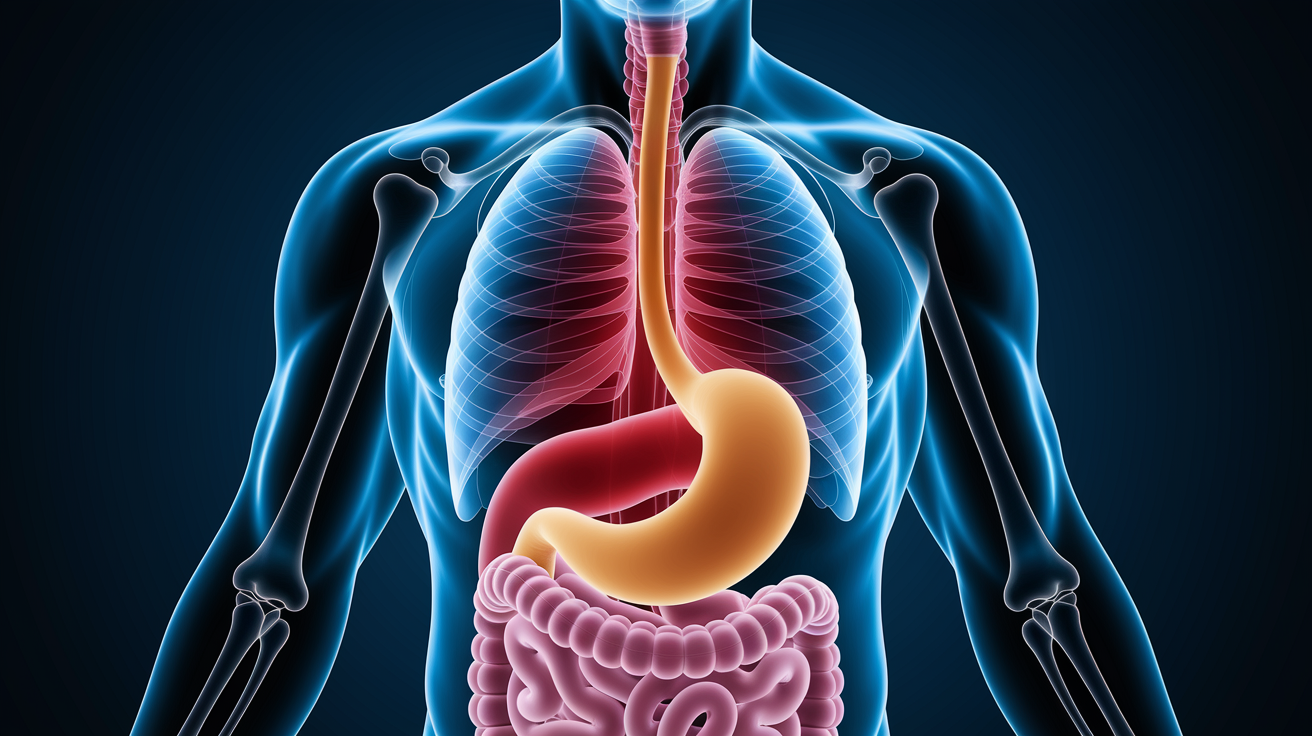
Gastroesophageal reflux disease isn’t just occasional heartburn. When acid keeps flowing from your stomach into your esophagus over weeks, months, or years, it causes progressive damage to the esophageal lining. About 20% of people in the U.S. deal with GERD symptoms every week, and without proper treatment, this chronic condition can move from mild discomfort to serious, irreversible complications. The longer you’re exposed to acid, the greater your risk of developing structural damage, cellular changes, and life threatening disease.
The health risks of untreated GERD tend to follow a predictable pattern. Early on, acid irritation causes inflammation called esophagitis, which can progress to open sores and bleeding. Over time, repeated injury leads to scar tissue formation and narrowing of the esophagus (strictures), which make swallowing difficult and can trap food. Long standing acid exposure may trigger a precancerous condition called Barrett’s esophagus, where normal esophageal cells get replaced by intestinal type tissue. This change significantly raises your risk of esophageal adenocarcinoma, a cancer that’s often diagnosed late when symptoms become severe.
Beyond the esophagus, untreated GERD can affect your respiratory system and throat. Acid that reaches the airways can cause chronic cough, worsen asthma, trigger recurrent pneumonia, and lead to persistent laryngitis. These complications often develop gradually, making it harder to connect them to reflux until damage is advanced. Here’s the key point: GERD is a progressive disease. The risk and severity of complications increase the longer it remains uncontrolled.
Esophagitis and Progressive Esophageal Damage

Esophagitis is the earliest tissue level complication of untreated GERD. When stomach acid repeatedly washes over the esophageal lining, it causes inflammation, redness, and erosion. In the beginning, this irritation may cause only intermittent heartburn or mild discomfort. Over weeks to months, though, repeated acid exposure leads to more severe inflammation, small ulcers, and bleeding. Your esophagus becomes painful. Eating and swallowing get uncomfortable. Some people notice food feels like it’s moving slowly or sticking on the way down.
Without treatment, esophagitis progresses from mild mucosal irritation to deeper tissue damage. Basal cell hyperplasia and nodular changes appear in the lining. As acid continues to erode tissue, larger ulcers form and the esophagus may bleed, leading to anemia in some patients. At this stage, symptoms worsen significantly. Chest pain becomes more frequent, heartburn is no longer controlled by over the counter antacids, and regurgitation of acid into your throat or mouth becomes common, especially at night.
Signs that esophagitis is worsening include persistent heartburn that no longer responds to antacids or lifestyle changes, pain or burning in your chest after most meals, bleeding signs like vomiting blood or passing black tarry stools, and unintentional weight loss because eating hurts or you’re afraid to eat.
Progression from initial irritation to severe erosive esophagitis typically unfolds over months to a few years, depending on how often acid refluxes and how much comes up. The damage isn’t always visible from the outside, but it steadily increases the risk of more serious complications downstream.
Esophageal Strictures and Swallowing Problems
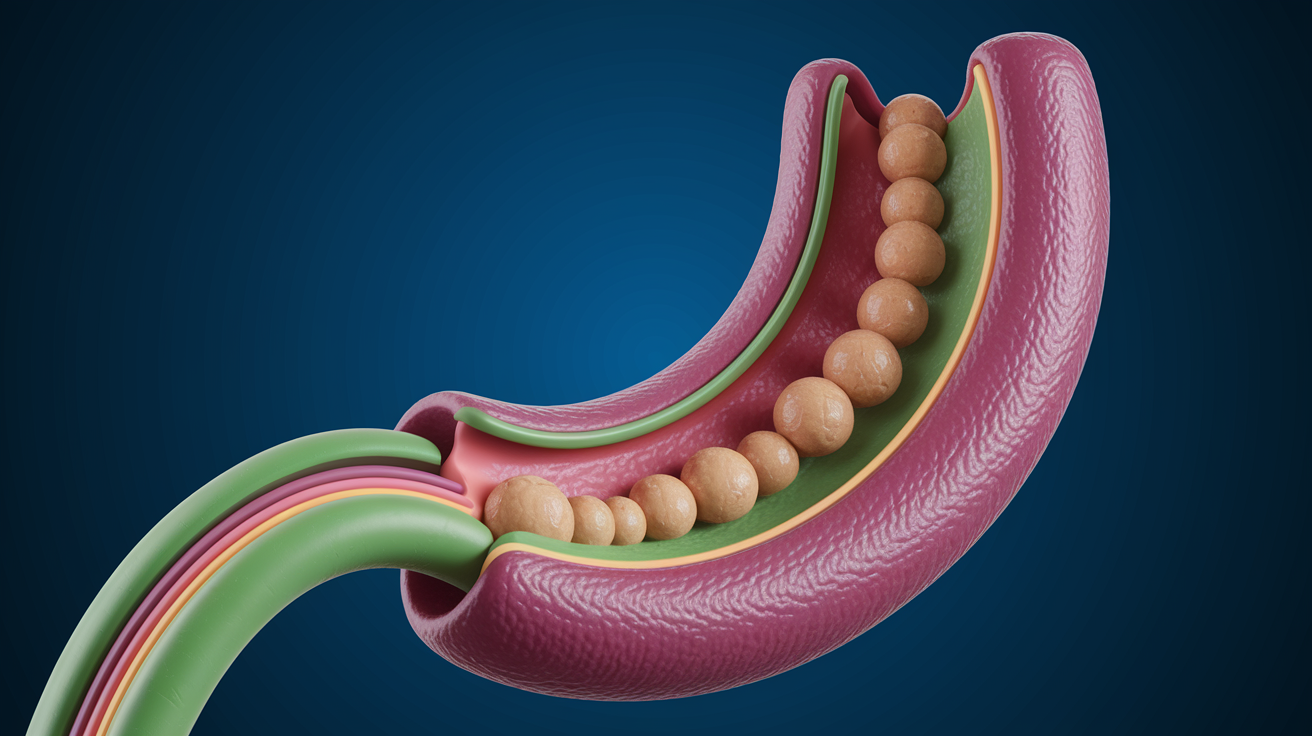
When inflammation from GERD becomes chronic, your body tries to repair the damaged tissue by forming scar tissue. Over time, this scarring causes the esophagus to narrow, creating what doctors call a peptic or benign stricture. Strictures make it harder for food and liquids to pass through the esophagus smoothly. At first, you may notice that solid foods like bread or meat feel like they’re sticking in your chest. As the narrowing worsens, even softer foods and liquids can become difficult to swallow, a condition known as dysphagia.
Strictures develop gradually, usually after months or years of uncontrolled acid reflux. The scar tissue narrows the esophageal opening, sometimes to the point where food becomes lodged. This causes a frightening episode called food impaction, which is a medical emergency requiring urgent intervention to remove the blockage. Patients with strictures often lose weight unintentionally because eating becomes painful or anxiety provoking. If you find yourself chewing food more carefully, taking smaller bites, or drinking extra water to help food go down, these are signs that a stricture may be forming. Strictures require medical treatment, often endoscopic dilation procedures to gently stretch the narrowed area and restore normal swallowing.
Barrett’s Esophagus and Changes to Esophageal Tissue

Barrett’s esophagus is a precancerous condition that develops in about 10% of people with long standing GERD. In Barrett’s, the normal squamous cells lining your esophagus are replaced by columnar epithelium, a type of tissue that looks more like the lining of your intestine. This cellular change (called metaplasia) is your body’s attempt to adapt to chronic acid exposure. The problem is that these new cells are more prone to developing dysplasia (abnormal growth patterns) and, eventually, cancer. Barrett’s esophagus itself usually causes no symptoms, which is why it’s often discovered during an endoscopy performed to investigate GERD or swallowing problems.
Once Barrett’s is diagnosed, regular surveillance with endoscopy and biopsy becomes essential. Doctors use special staining techniques during endoscopy to detect early dysplasia or precancerous changes. Most people with Barrett’s do not progress to cancer, but your risk is significantly higher than in people without the condition. Early detection through surveillance allows clinicians to monitor changes closely and intervene if high grade dysplasia appears, before cancer develops.
Risk factors that increase the likelihood of developing Barrett’s esophagus include duration and severity of GERD symptoms (especially more than 10 years of frequent reflux), older age (particularly men over 50), smoking, obesity, and family history of Barrett’s or esophageal cancer.
Barrett’s is a clear warning sign that acid exposure has caused lasting cellular damage. It underscores the importance of controlling reflux with medication, lifestyle changes, and regular medical follow up.
Esophageal Cancer Risk Associated with Chronic GERD

Esophageal adenocarcinoma is the most serious long term complication of untreated GERD. This cancer develops most often in people who’ve had Barrett’s esophagus for years, though it can occasionally occur without a prior Barrett’s diagnosis. The progression from chronic reflux to Barrett’s to cancer is slow, usually unfolding over a decade or more. But once cancer develops, it’s aggressive and often diagnosed at an advanced stage. Early esophageal cancer may cause no symptoms, but as the tumor grows, patients develop progressive difficulty swallowing, unintentional weight loss, chest pain, and persistent vomiting.
Your risk of cancer increases with the duration of uncontrolled reflux and the presence of specific risk factors. While cancer remains a relatively rare outcome even among those with GERD, it’s far more common in patients with Barrett’s esophagus. This is why clinicians emphasize early diagnosis, surveillance endoscopy, and aggressive management of reflux symptoms.
| Risk Factor | Impact on Cancer Risk |
|---|---|
| Duration of GERD (more than 10–15 years) | Increases cumulative acid exposure and likelihood of cellular metaplasia and dysplasia |
| Presence of Barrett’s esophagus | Significantly elevates risk of adenocarcinoma; surveillance recommended to detect early dysplasia |
| Family history of esophageal cancer | May indicate inherited susceptibility; family history warrants closer monitoring and earlier screening |
Respiratory and ENT Complications

GERD doesn’t always stay in the esophagus. When acid reflux reaches your throat and airways, especially during sleep, it can cause a range of respiratory and ear nose throat problems. Patients often don’t realize these symptoms are connected to reflux until a clinician asks about heartburn or regurgitation. Chronic cough is one of the most common respiratory complaints linked to GERD. The cough is usually dry, worse at night or after meals, and doesn’t respond well to typical cough medicines. Acid irritation of your larynx (voice box) leads to laryngitis, causing hoarseness, a scratchy throat, and the feeling of a lump in your throat.
In some cases, small amounts of acid are aspirated into the lungs, triggering inflammation and recurrent pneumonia. GERD can also worsen existing asthma or cause asthma like symptoms such as wheezing and shortness of breath, particularly at night. These respiratory complications develop because your esophagus and airway share a close anatomical relationship, and acid that reaches the upper esophagus or throat can easily spill over into the windpipe.
Common respiratory and ENT complications from untreated GERD include chronic dry cough (especially worse at night or when lying down), persistent hoarseness and laryngitis that doesn’t improve with rest, worsening asthma symptoms or new onset of wheezing and breathlessness, and recurrent pneumonia or lung infections due to acid aspiration.
When to Seek Immediate Medical Care

Certain symptoms signal that GERD complications have reached a dangerous level and require urgent evaluation. If you experience new or worsening difficulty swallowing, especially if it feels like food is getting stuck in your chest, seek same day medical care. Persistent or progressive dysphagia can indicate a stricture, severe inflammation, or even a tumor. Vomiting blood (which may look red or like coffee grounds) or passing black, tarry stools are signs of bleeding in the esophagus or stomach and require emergency evaluation.
Urgent warning signs that should not be ignored include severe chest pain that’s not clearly related to heartburn, especially if it radiates to your arm, neck, or jaw (call 911 to rule out a heart problem), difficulty swallowing solids or liquids that’s new or rapidly worsening, vomiting blood or material that looks like coffee grounds, and unintentional weight loss of more than 5% of your body weight over a few weeks or months without trying.
Diagnostic Options for Detecting GERD Complications

When GERD symptoms persist despite treatment, or when complications are suspected, doctors use several diagnostic tools to assess the extent of esophageal damage. Upper endoscopy (also called esophagogastroduodenoscopy or EGD) is the most common and valuable test. During endoscopy, a thin, flexible tube with a camera is passed through your mouth into your esophagus and stomach, allowing the clinician to see inflammation, ulcers, strictures, or Barrett’s changes directly. Biopsies can be taken during the procedure and examined under a microscope, often with special stains, to detect metaplasia, dysplasia, or early cancer.
Esophageal manometry measures the strength and coordination of esophageal muscle contractions and checks how well your lower esophageal sphincter is functioning. This test is especially useful when symptoms are severe but endoscopy findings are minimal. Contrast enhanced CT scans and other imaging studies, including volumetric interpolated techniques, can identify strictures, hernias, or anatomical abnormalities. pH monitoring (where a small probe measures acid levels in your esophagus over 24 hours) confirms how much acid reflux is actually occurring and helps guide treatment decisions. Doctors recommend these tests when GERD isn’t responding to standard therapy, when red flag symptoms appear, or when long term surveillance is needed for conditions like Barrett’s esophagus.
Evidence Based Treatments to Prevent GERD Complications
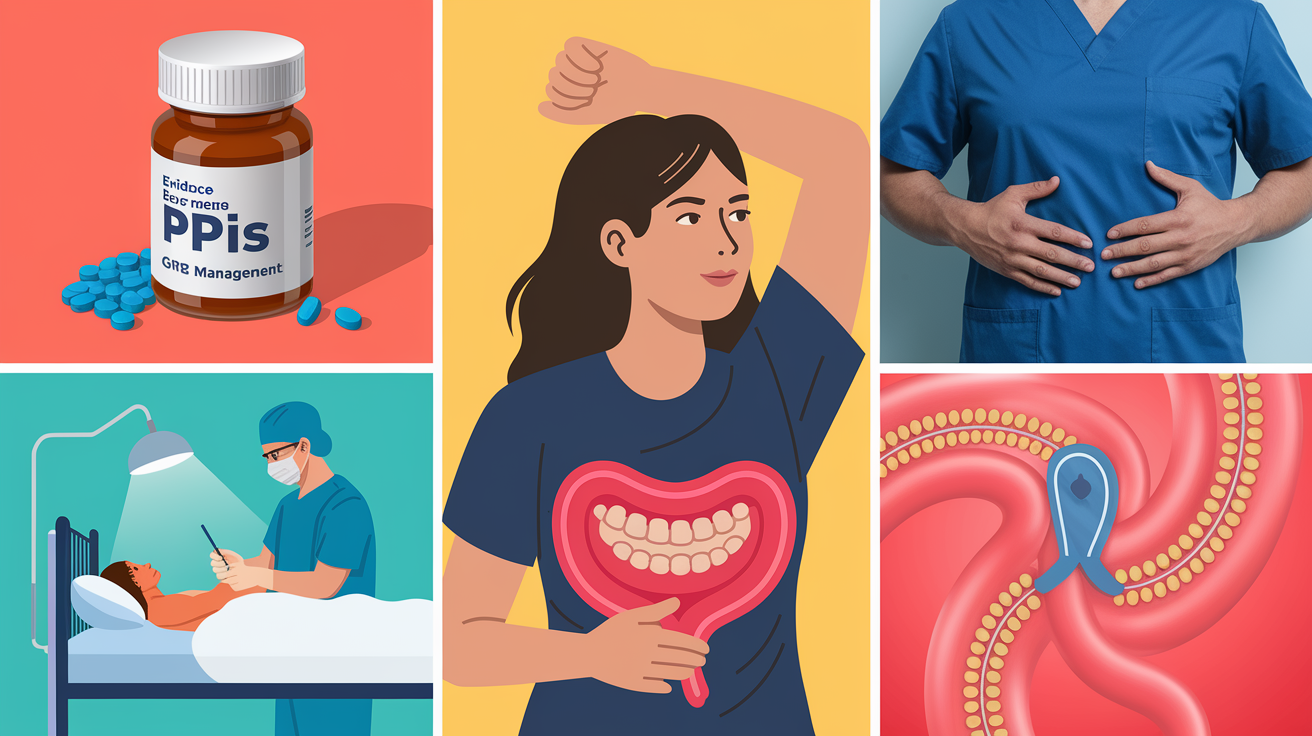
The good news is that GERD complications are largely preventable with consistent, evidence based treatment. The cornerstone of medical therapy is acid suppression using proton pump inhibitors (PPIs), which reduce stomach acid production and allow your esophageal lining to heal. PPIs are highly effective when taken correctly, usually once daily before your first meal of the day. For milder or intermittent symptoms, H2 receptor blockers (H2 blockers) provide moderate acid reduction and work well for some patients. Antacids offer quick, short term relief for occasional heartburn but don’t prevent complications because they don’t reduce acid production over time.
Lifestyle and dietary changes play a critical role in managing GERD and reducing how often reflux episodes happen. Avoiding trigger foods such as citrus, tomatoes, spicy dishes, chocolate, caffeine, and carbonated beverages helps many people. Eating smaller, more frequent meals rather than large portions reduces pressure on the lower esophageal sphincter. Timing matters too. Wait at least 2 to 3 hours after eating before lying down, and avoid eating within 3 hours of bedtime. Raising the head of your bed by 6 to 8 inches (using bed risers, not just pillows) uses gravity to keep acid in your stomach at night.
For patients with severe GERD that doesn’t respond to medication and lifestyle changes, or for those who can’t tolerate long term medication use, surgical options exist. Fundoplication is a procedure where the top of your stomach is wrapped around the lower esophagus to strengthen the sphincter and prevent reflux. Newer endoscopic therapies are also available in specialized centers. The key to preventing complications is early intervention, consistent medication use, regular follow up with a healthcare provider, and endoscopic surveillance when Barrett’s esophagus or other high risk findings are present.
Treatment options to prevent or slow GERD complications include proton pump inhibitors (PPIs) to reduce acid production and promote esophageal healing, H2 receptor blockers for moderate acid suppression in milder cases, dietary changes (avoid acidic, spicy, and fatty foods; eat smaller meals), lifestyle adjustments (elevate head of bed, wait 2 to 3 hours after eating before lying down, lose weight if overweight, quit smoking), and surgical or endoscopic interventions (fundoplication, LINX device) for severe, medication resistant reflux.
Final Words
In the action, this article laid out the main health risks from untreated GERD: esophagitis, strictures, Barrett’s changes, higher cancer risk, and breathing problems. It also covered how damage can build over time and which symptoms are red flags.
This guide explains common gerd complications without treatment and what tests and treatments can find or stop them. With timely care and simple lifestyle steps, many people keep reflux under control and protect their esophagus.
FAQ
Q: How to cure GERD permanently naturally?
A: Curing GERD permanently with only natural methods is unlikely for many people. Lifestyle changes—weight loss, avoiding triggers, elevating the head of the bed, and quitting smoking—can control symptoms; see a clinician if persistent.
Q: How long can a GERD flare up last?
A: A GERD flare-up can last a few hours to several weeks. Short episodes often last hours or days; untreated or recurrent reflux can persist for weeks. See a clinician if symptoms last more than 2 weeks.
Q: When should you go to the hospital for GERD?
A: You should go to the hospital for GERD if you have life-threatening signs. Call 911 or seek emergency care now for chest pain, trouble breathing, fainting, vomiting blood, or sudden inability to swallow.
Q: Will GERD ever go away?
A: GERD may go away for some people after lifestyle changes, medication, or surgery, but many need ongoing treatment. Talk with your clinician to find a long-term plan and regular follow-up.