


What if the small things you shrug off—extra trips to the bathroom, constant thirst, or unexplained tiredness—are early signals of diabetes?
Many people miss these signs because they come on slowly or look like normal stress.
Catching them early makes treatment simpler and lowers the chance of serious problems down the road.
This post walks through the common early symptoms, explains why they happen in plain terms, and tells you when to get checked by a healthcare provider.
Key Early Indicators That May Signal Diabetes Onset

Early symptoms of diabetes don’t announce themselves. A lot of people wave off things like peeing more often or feeling wiped out. Those changes can actually tell you something important. When your blood sugar climbs too high, your body goes into overdrive trying to deal with the extra glucose, and that effort shows up in ways you notice every day.
Some symptoms hit fast, especially with Type 1 diabetes. Others sneak in over months or even years, which makes them super easy to miss. You might spot one thing, or a handful at once. Catching these patterns early helps you manage diabetes when it’s still simpler to control and before complications get a foothold.
One symptom by itself doesn’t mean diabetes. But when a few show up together, or they hang around for weeks, it’s time to talk to a healthcare provider. Here’s what you should keep an eye on:
- Peeing a lot, especially getting up at night to use the bathroom
- Constant thirst that won’t quit even when you’re drinking plenty
- Losing weight without trying or changing what you eat
- Feeling exhausted in a way that rest doesn’t help
- Vision that gets blurry or trouble getting your eyes to focus
- Cuts, bruises, or sores that take forever to heal
- Tingling, numbness, or a burning feeling in your hands or feet
- Getting infections over and over, like UTIs, yeast infections, or gum issues
- Dark, thick patches of skin in folds like your neck, armpits, or groin
- Mood swings, getting irritable easily, or struggling to focus
How Diabetes Develops and Why Early Signs Appear
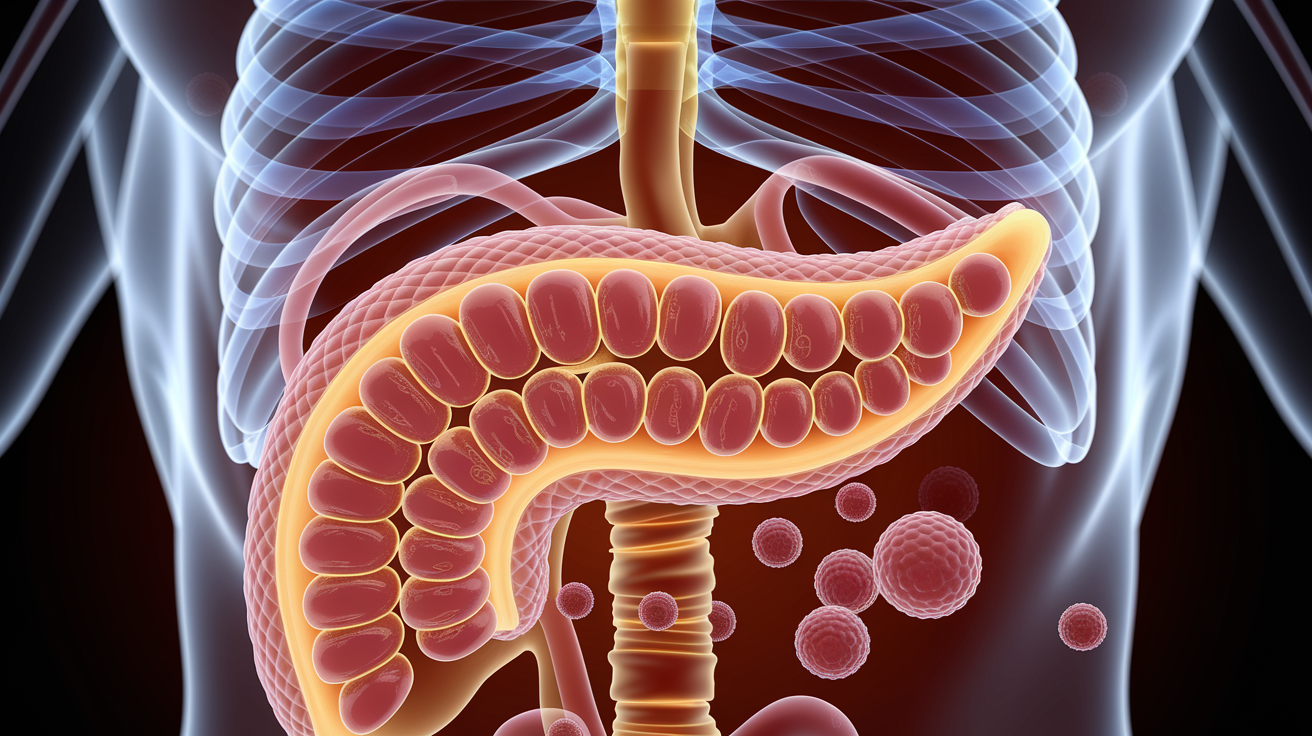
Type 1 diabetes happens when your immune system goes after the cells in your pancreas that make insulin. Without insulin, glucose can’t get into your cells for energy. It just piles up in your blood instead. This type usually shows up quickly, often in kids and teens, and symptoms can get serious within days or weeks.
Type 2 diabetes is way more common and works differently. Your body still makes insulin, but your cells start resisting it, or your pancreas can’t keep up anymore. This takes time, so symptoms tend to creep in slowly. It’s tied pretty closely to things like weight, what you eat, and how much you move, though your genes matter too. A lot of adults walk around with high blood sugar for years before they notice anything’s off.
How High Glucose Triggers Symptoms
When glucose stays too high in your blood, your kidneys jump in to filter out the extra. That extra work creates more urine, which pulls water out of your tissues and leaves you dehydrated. Cells that can’t use glucose for fuel start breaking down fat and muscle instead. That causes fatigue and weight loss. High sugar also messes with nerves, blood vessels, and your immune system, which leads to tingling, vision changes, slow healing, and more infections.
Why Early Diabetes Symptoms Occur: Physiological Explanations

Frequent Urination
Your kidneys filter blood all the time. When glucose climbs above about 180 mg/dL, your kidneys can’t reabsorb all the sugar. It spills into your urine instead. Glucose drags water along with it through osmotic pressure, so you end up making more urine than usual. That’s why you’re peeing more often, and why trips to the bathroom in the middle of the night become normal.
Excessive Thirst
Losing extra fluid through all that urination shrinks your blood volume and leaves cells a little dehydrated. Your brain picks up on this drop and kicks off the thirst response to get things back in balance. Even when you drink more, the cycle keeps going as long as blood sugar stays high and your kidneys keep flushing out glucose.
Unexplained Weight Loss
When insulin is missing or not working right, cells can’t pull glucose from your blood for energy. Your body responds by breaking down stored fat and muscle tissue to keep essential functions running. This breakdown causes weight to drop even if you’re eating the same amount or more than usual.
Persistent Fatigue
Glucose is what your cells run on. Without enough insulin or when insulin resistance is happening, that fuel can’t get into muscle and brain cells efficiently. The result is low cellular energy that just doesn’t quit. You feel tired, weak, and rest doesn’t seem to help.
Blurred Vision
High blood sugar changes the fluid balance inside your eyes. The lens swells and shifts shape when glucose levels bounce around, making it harder to focus clearly. Over time, elevated glucose can damage the tiny blood vessels in your retina too. But early blurring usually goes away once blood sugar gets stable again.
Slow Healing Wounds
Chronic high glucose stiffens blood vessel walls and reduces circulation, especially to your hands and feet. Poor blood flow means less oxygen and fewer immune cells reach injured tissue. On top of that, elevated sugar messes with white blood cell function, slowing down your body’s ability to fight infection and repair skin.
Recurrent Infections
High glucose weakens your immune system by interfering with neutrophil and macrophage activity. Bacteria and fungi also love sugar rich environments. This one two punch makes urinary tract infections, yeast infections, and skin infections more common and tougher to get rid of.
Tingling or Numbness in Hands and Feet
Long term exposure to high glucose damages the tiny blood vessels that feed peripheral nerves. Without enough oxygen and nutrients, nerve fibers start to malfunction. They send weird signals like tingling, burning, or numbness. This early nerve damage, called peripheral neuropathy, usually starts in your feet and hands.
Dark Velvety Skin Patches
Acanthosis nigricans shows up when high insulin levels in your blood stimulate skin cells to multiply faster than they should. The result is dark, thickened, velvety patches, usually in skin folds like the neck, armpits, and groin. This sign is closely tied to insulin resistance and common in people heading toward Type 2 diabetes.
Mood Changes and Mental Fog
Blood sugar swings mess with brain chemistry. High glucose changes neurotransmitter levels and slows down energy production in brain cells. That contributes to irritability, trouble concentrating, and brain fog. These shifts can feel subtle or really noticeable depending on how much and how fast your glucose levels are changing.
Early Signs in Type 1 vs Type 2 Diabetes: What’s Different
Type 1 diabetes usually shows up fast. Symptoms can appear over a few days or weeks, especially in kids and teenagers. The lack of insulin is sudden and complete, so early signs like extreme thirst, constant urination, rapid weight loss, and severe fatigue are hard to ignore. Parents often notice their kid drinking and peeing nonstop, or becoming unusually tired and cranky.
Type 2 diabetes is quieter. Symptoms develop slowly, sometimes over years, because your body’s still making some insulin. A lot of adults don’t realize anything’s wrong until a routine blood test catches it, or until complications like infections or vision changes send them to the doctor. The gradual pace makes it easier to brush off or blame on getting older or being stressed.
- Type 1: Sudden onset, often in children or young adults
- Type 1: Severe symptoms like extreme thirst and rapid weight loss show up quickly
- Type 1: Caused by autoimmune destruction, insulin production stops completely
- Type 2: Gradual onset, more common in adults over 45
- Type 2: Symptoms may be mild or absent for years, darkened skin patches and recurrent infections more common
- Type 2: Linked to insulin resistance and lifestyle factors, some insulin is still produced
Risk Factors That Increase the Likelihood of Early Diabetes Symptoms

Some people face higher odds of developing diabetes because of genetics, lifestyle, or health history. If you’re carrying extra weight, especially around your middle, your cells become less responsive to insulin. A sedentary lifestyle makes that worse. Poor diet, loaded with processed foods and added sugar, pushes your pancreas to work harder over time.
Family history counts too. If a parent or sibling has diabetes, your risk goes up. Age is another factor. Type 2 diabetes becomes more common after 45, though younger adults and even teens are getting diagnosed more often now. Certain groups, including African American, Hispanic, Native American, and Asian American communities, face higher risk because of a mix of genetic and environmental factors.
- Being overweight or obese, especially with belly fat
- Not moving much or living a sedentary lifestyle
- Family history of diabetes (parent or sibling)
- Age 45 or older
- History of gestational diabetes or delivering a baby over 9 pounds
- High blood pressure or abnormal cholesterol levels
- Polycystic ovary syndrome (PCOS)
- Prediabetes (fasting glucose 100 to 125 mg/dL or A1C 5.7 to 6.4%)
Medical Tests Used to Confirm Early Diabetes After Symptoms Appear
If you’re showing early signs, your healthcare provider will order blood tests to measure how your body handles glucose. These tests give clear cutoffs that separate normal blood sugar from prediabetes and diabetes. Results guide whether you need treatment, lifestyle changes, or closer monitoring.
Testing is also recommended for adults 45 and older, even without symptoms, and for younger adults with risk factors. Repeat testing every one to three years helps catch changes early. If your first test result is borderline, your provider may order a second test on a different day to confirm.
The three most common tests each measure glucose in a slightly different way. Your provider will choose based on your symptoms, schedule, and health history.
| Test Name | What It Measures | Diabetes Threshold |
|---|---|---|
| Hemoglobin A1C | Average blood glucose over the past 2 to 3 months | ≥ 6.5% |
| Fasting Plasma Glucose (FPG) | Blood sugar after fasting for at least 8 hours | ≥ 126 mg/dL |
| Oral Glucose Tolerance Test (OGTT) | Blood sugar 2 hours after drinking a glucose solution | ≥ 200 mg/dL |
When Early Signs of Diabetes Mean You Should See a Doctor Promptly

Most early diabetes symptoms develop gradually and don’t need emergency care. But some combinations of signs point to a more urgent problem. If you’re dealing with severe thirst along with confusion, nausea, vomiting, or extreme fatigue, don’t wait. These can signal diabetic ketoacidosis (more common in Type 1) or hyperosmolar hyperglycemic state (more common in Type 2). Both need immediate medical attention.
Even without emergency symptoms, make an appointment soon if you’re noticing frequent urination plus unexplained weight loss, persistent blurred vision, or wounds that won’t heal. Early testing and treatment prevent complications like nerve damage, kidney problems, and vision loss. The sooner you know what’s happening, the more options you have to manage it.
Red flag symptoms that mean you should get care right away:
- Severe confusion, disorientation, or trouble staying awake
- Vomiting that won’t stop or can’t keep fluids down
- Fruity smelling breath (a sign of ketones in the blood)
- Rapid breathing or shortness of breath
- Extreme weakness or fainting
Managing Early Symptoms Through Lifestyle Changes and Prevention Strategies

Catching diabetes early, especially in the prediabetes stage, gives you real power to slow or stop it from progressing. Lifestyle changes often improve blood sugar levels without medication. Losing 5 to 10 percent of your body weight can make a measurable difference in how your cells respond to insulin. Regular physical activity, like 30 minutes of walking most days, helps your muscles use glucose more efficiently and lowers blood sugar over time.
Diet matters just as much. Focusing on whole foods, lean proteins, vegetables, and healthy fats, while cutting back on sugary drinks and heavily processed snacks, stabilizes glucose and takes strain off your pancreas. Monitoring your blood sugar at home, if your provider recommends it, helps you see how food, activity, and stress affect your levels. Early detection plus consistent habits can reverse prediabetes and delay or prevent Type 2 diabetes.
Simple prevention habits to start now:
- Aim for at least 150 minutes of moderate activity each week
- Choose water, unsweetened tea, or coffee instead of sugary drinks
- Fill half your plate with non starchy vegetables at meals
- Track symptoms and share them with your healthcare provider at regular visits
Final Words
If you’ve noticed frequent urination, extra thirst, sudden weight loss, fatigue, blurred vision, or slow-healing cuts, these are common early clues to diabetes. They often start quietly and can get worse as blood glucose rises.
A quick check with a clinician and a few simple tests can confirm what’s happening. Small lifestyle steps, like more activity, healthier food, and tracking, can make a big difference.
Pay attention to early signs of diabetes and act early. You’re better off knowing and taking steps now.
FAQ
Q: What are the first warning signs of diabetes? / What are 5 common symptoms of a pre-diabetic? / How do I know if I’m starting with diabetes?
A: The first warning signs of diabetes or prediabetes include frequent urination, strong thirst, unexplained weight loss, tiredness, blurred vision, slow-healing cuts, infections, tingling in hands/feet, and darkened skin patches; see a clinician if present.
Q: What age do you get type 1 diabetes?
A: Type 1 diabetes most often begins in childhood or young adulthood, usually before age 30, but it can start at any age; testing is needed to confirm it.