


Think disease is mostly bad luck? Think again.
The World Health Organization says up to 80% of heart disease, stroke, and type 2 diabetes may be preventable, and more than a third of cancers could be avoided by changing everyday risks.
Simple steps like clean hands, timely vaccines, steady habits, and routine screening work best when layered together.
This post shows clear, practical prevention methods that actually reduce risk and help you act before small problems become big ones.
Core Disease Prevention Approaches for Everyday Health

Disease prevention methods fall into clear categories that work together to protect you from illness. Most disease spreads through predictable paths, and stopping those paths early is what works best. Unclean hands account for the majority of pathogen exposure. That’s why basic hygiene anchors every prevention plan. Beyond washing your hands, prevention includes staying current on vaccinations, building healthy daily habits, and catching problems before symptoms appear. These steps work at every stage, from keeping disease away entirely to managing conditions once they develop.
Every prevention approach fits into a broader framework. Primordial prevention removes risks before they take root in a community, like creating walkable neighborhoods or improving school meals. Primary prevention stops disease from starting by addressing modifiable risk factors. Getting immunized or eating well. Secondary prevention catches disease early through routine screenings, and tertiary prevention manages diagnosed conditions to prevent complications. The World Health Organization estimates that up to 80% of heart disease, stroke, and type 2 diabetes can be prevented by addressing shared risk factors. More than one third of cancers could also be prevented through similar measures.
The most effective prevention plans layer these approaches together. Focus on the actions that reduce exposure, strengthen your body’s defenses, and catch changes when intervention is still simple.
Core prevention tasks you can start today:
- Wash your hands thoroughly and often, especially before eating and after being in public spaces
- Stay up to date with recommended vaccines for your age and health status
- Build a balanced routine of nutritious meals, regular physical activity, and consistent sleep
- Schedule annual medical checkups and age appropriate screening tests
- Avoid tobacco, limit alcohol, and manage stress with healthy coping strategies
Prevention Methods for Infectious Diseases in Daily Life

Infectious diseases spread through close contact, contaminated surfaces, and unsafe food handling. Germs can travel 3 feet or more when you cough or sneeze, so covering your mouth and nose is essential. Use a tissue once, then throw it away immediately. If no tissue’s available, cough or sneeze into the bend of your elbow. Never into your hands. After any cough or sneeze, wash your hands with soap and water for at least 20 seconds.
Food safety and environmental hygiene are just as important. Raw meat and poultry must be prepared on separate surfaces from uncooked vegetables like salad greens. Refrigerate perishable items promptly, check expiration dates, and cook foods to safe internal temperatures. Clean kitchen and bathroom surfaces thoroughly before and after use. Disinfect high touch areas like doorknobs, light switches, and countertops regularly.
Daily infectious disease prevention steps:
- Wash your hands before and after handling raw meats, fruits, and vegetables
- Cover every cough and sneeze, then wash your hands right away
- Keep raw food preparation areas separate from ready to eat foods
- Refrigerate chilled foods quickly and keep heated foods heated until serving
- Wear a mask and maintain physical distance in crowded or required settings to reduce transmission
Lifestyle Based Disease Prevention Methods for Long Term Health

Healthy lifestyle choices prevent disease long before symptoms appear. Regular physical activity, balanced nutrition, quality sleep, and stress management address the shared risk factors behind most chronic diseases. The World Health Organization estimates that up to 80% of heart disease, stroke, and type 2 diabetes can be prevented by improving these daily habits. Over one third of cancers can also be prevented through lifestyle improvements. These methods work at the primordial and primary prevention levels, creating an environment in your body where disease struggles to take hold.
Diet quality matters more than perfection. Focus on whole foods like vegetables, fruits, whole grains, lean proteins, and healthy fats. Limit processed foods, added sugars, and excess sodium. Physical activity doesn’t require a gym membership, just consistent movement most days of the week. Aim for at least 150 minutes of moderate activity, like brisk walking, or 75 minutes of vigorous activity each week. Weight management becomes easier when you pair good nutrition with regular exercise. Both reduce your risk of developing diabetes, heart disease, and certain cancers.
Sleep and stress management are often overlooked but essential. Most adults need 7 to 9 hours of sleep each night for the body to repair and the immune system to function well. Chronic stress raises inflammation and weakens your defenses over time. Simple daily practices like deep breathing, short walks, or a few minutes of quiet time can lower stress and improve long term health. Avoid smoking entirely. If you drink alcohol, do so in moderation, no more than one drink per day for women and two for men.
| Lifestyle Habit | How It Helps | Example |
|---|---|---|
| Balanced Nutrition | Reduces inflammation, supports immune function, maintains healthy weight | Eating a variety of colorful vegetables, whole grains, and lean proteins daily |
| Regular Physical Activity | Strengthens heart, improves circulation, lowers blood sugar and blood pressure | 30 minute brisk walk five days a week or three weekly strength training sessions |
| Adequate Sleep | Allows body repair, supports memory, regulates hormones, boosts immunity | Going to bed and waking at the same time every day to get 7 to 9 hours of rest |
| Stress Management | Lowers cortisol, reduces inflammation, improves mood and focus | Practicing 10 minutes of deep breathing or meditation each morning |
Screening and Early Detection as Preventive Methods
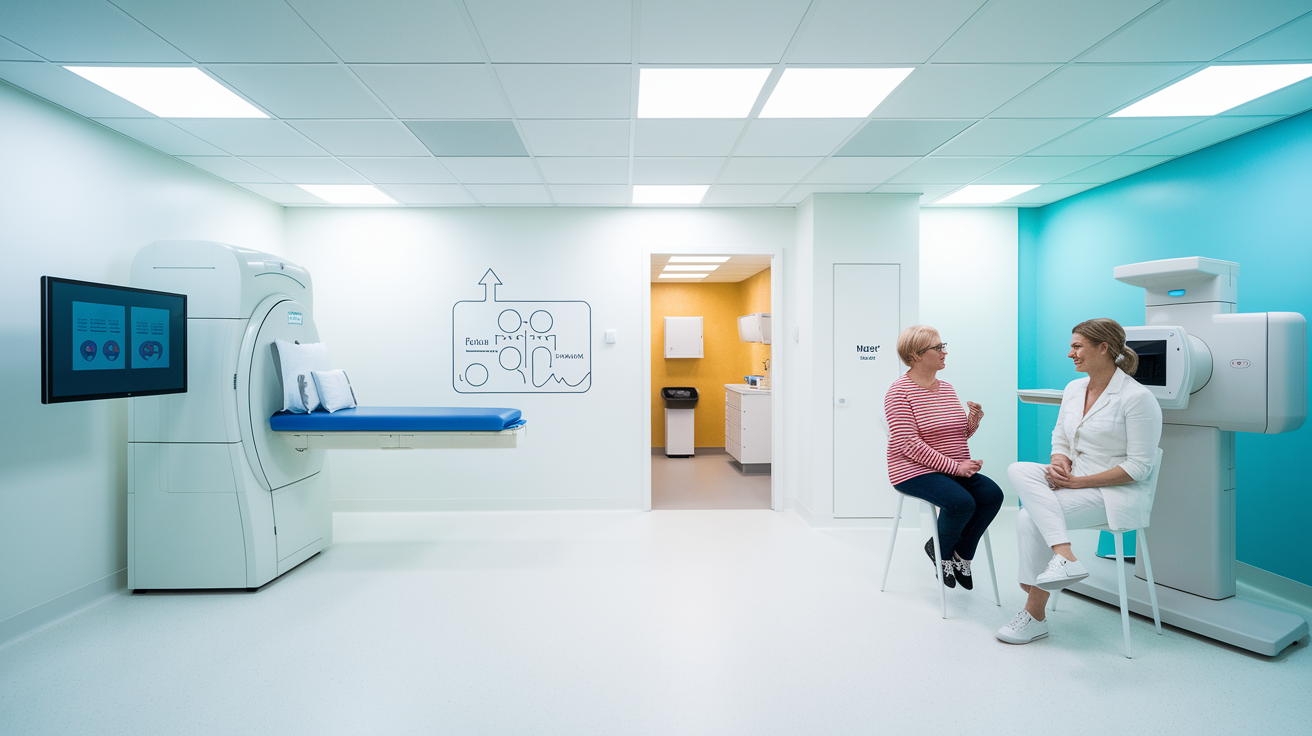
Secondary prevention relies on catching disease early, when treatment is most effective and outcomes are best. Routine screenings detect changes before you notice symptoms, often while the condition is still small, slow growing, or manageable. Common screenings include mammograms for breast cancer, colonoscopy for colorectal cancer, blood pressure checks for hypertension, and cholesterol tests to assess cardiovascular risk. These tests are simple, widely available, and proven to save lives. Schedule annual medical checkups to stay current on age appropriate screening guidelines and to discuss any new symptoms or concerns with your clinician.
At home testing has expanded access to early detection. Hormone panels can measure 11 key biomarkers related to women’s health, thyroid tests check three main thyroid hormones plus antibodies, and STI screening panels cover five common infections. One rapid PCR at home test for STIs reports results in under 30 minutes with 98% accuracy. Food sensitivity panels can test for reactions to 96 or 204 different foods. Newer multi cancer early detection blood tests can identify a signal shared by over 50 cancer types. But a gap remains. Eighty six percent of cancers aren’t detected by currently recommended screenings, which highlights the importance of combining routine tests with symptom awareness and prompt follow up when something feels off.
Common screening tests to discuss with your clinician:
- Blood pressure measurement at every visit to monitor for hypertension
- Cholesterol panel every 4 to 6 years, or more often if you have risk factors
- Mammogram starting at age 40 or 50, depending on risk and guidelines
- Colonoscopy starting at age 45, or earlier if family history suggests higher risk
- Blood sugar testing to screen for prediabetes or diabetes, especially if overweight or over 35
Multi Level Disease Prevention Methods (Primordial to Tertiary)

Disease prevention methods are organized into four levels, each targeting a different stage from before risk factors appear to managing diagnosed conditions. Understanding these levels helps you see where your efforts fit and how to layer strategies for the best protection.
Primordial Prevention
Primordial prevention removes social and environmental drivers of disease before risk factors emerge in a population. This level focuses on creating healthier communities through policy, infrastructure, and education. Examples include advocating for school lunch programs that serve whole foods instead of processed meals, designing walkable neighborhoods with safe sidewalks and parks, and launching public campaigns that discourage smoking or promote active living. These interventions shape the environment so healthy choices become the easiest choices. Primordial prevention works best when applied early in life, like encouraging nutritious eating patterns in childhood before unhealthy habits form.
Primary Prevention
Primary prevention stops disease from starting by modifying risk factors and strengthening defenses. Vaccinations are the cornerstone of primary prevention, protecting against measles, influenza, COVID 19, and other infections. Daily actions also fit here. Applying sunscreen to lower skin cancer risk, eating a balanced diet rich in vegetables and whole grains, and staying physically active to reduce the risk of diabetes and heart disease. Primary prevention is where most individual effort happens because the methods are practical, repeatable, and proven to work. If you’re not yet sick and you want to stay that way, this is the level to prioritize.
Secondary Prevention
Secondary prevention catches disease early through routine screenings, monitoring, and prompt intervention. The goal is to detect changes when treatment is still simple and outcomes are best. Mammograms, colonoscopy, blood pressure checks, and cholesterol tests are all examples of secondary prevention. Scheduling annual screenings and keeping track of your health metrics over time can stop disease from progressing. If a screening shows an abnormal result, follow up care begins immediately, often preventing serious complications. This level bridges the gap between staying healthy and managing a new diagnosis.
Tertiary Prevention
Tertiary prevention occurs after a disease is diagnosed and focuses on managing the condition, preventing complications, and improving quality of life. Cardiac rehabilitation programs after a heart attack, physical therapy following a stroke, and blood sugar monitoring with medication management for diabetes are all tertiary strategies. Individualized asthma action plans help people avoid flare ups and emergency visits. At this level, prevention means staying on your treatment plan, attending follow up appointments, and communicating regularly with your healthcare team. Good tertiary prevention can slow disease progression and reduce the risk of further health problems.
Community and Public Health Disease Prevention Methods

Public health measures protect entire populations by reducing shared risks and strengthening systems. Vaccination campaigns are among the most effective community level interventions, preventing outbreaks of measles, influenza, polio, and COVID 19. Mass immunization programs work because they create herd immunity, protecting even those who can’t be vaccinated due to age or medical conditions. Environmental design also plays a role. Walkable communities with safe sidewalks, parks, and bike lanes encourage physical activity and reduce chronic disease risk across all residents. School lunch policy changes that prioritize whole foods over processed options improve nutrition for thousands of children at once.
Infection control communication and disease surveillance keep communities safer during outbreaks. Public health agencies track disease patterns, identify outbreaks early, and issue guidance on masking, social distancing, and isolation when needed. Contact tracing helps stop transmission chains before they spread widely. Health literacy programs teach people how to recognize symptoms, practice safe food handling, and access preventive care. These efforts work best when trusted messengers deliver clear, actionable information that communities can act on immediately.
Community level prevention strategies that protect everyone:
- Organized vaccination drives that bring immunizations to schools, workplaces, and underserved neighborhoods
- Infrastructure improvements like clean water access, sanitation systems, and safe public spaces for physical activity
- Health outreach programs that provide free or low cost screenings, education, and resources to high risk populations
Final Words
We ran through the main ways to protect health: hygiene and vaccines, everyday infectious-disease precautions, lifestyle choices, routine screening, and community programs.
You saw how prevention works at four levels, from changing environments to rehab after illness, plus practical tips for home care, food safety, and screenings.
Use these disease prevention methods as a menu: pick simple steps you can keep doing. Track what helps, ask your clinician about screenings, and build habits one at a time. Small changes add up.
FAQ
Q: What are the 5 ways of preventing disease?
A: The five ways of preventing disease are practicing good hand hygiene, staying current with vaccinations, following a healthy lifestyle (diet, activity, sleep), keeping environments clean, and getting regular health screenings.
Q: What are the 4 types of disease prevention?
A: The four types of disease prevention are primordial (remove social or environmental risks), primary (stop disease before it starts with vaccines and healthy habits), secondary (early detection and screening), and tertiary (manage disease to limit harm).
Q: What are the 4 types of infection transmission?
A: The four types of infection transmission are contact (direct person-to-person or via contaminated surfaces), droplet (large respiratory drops within about 3 feet), airborne (small particles that travel farther), and vector-borne (spread by insects).