


Could erectile dysfunction or waking up parched at night be the first sign your blood sugar’s out of control?
High blood sugar often creeps in slowly, and men can miss clear clues like frequent nighttime peeing, constant thirst, sudden fatigue, blurry vision, slow-healing cuts, or new sexual problems.
This post walks you through the most urgent diabetes signs men should watch for, why they happen, and what to do next—from home checks to when you should get screened.
Spotting symptoms early can help protect your heart, nerves, kidneys, and sexual health.
Most Urgent Diabetes Warning Signs Men Need to Recognize Quickly

High blood sugar can creep along for years without getting caught, but there are quick recognition symptoms that tell you diabetes might already be messing with your body. These warning signs pop up because your kidneys, nerves, and blood vessels start struggling when glucose stays elevated. Some symptoms look the same in everyone. But men get hit with several diabetes indicators that are easier to miss or brush off.
- Frequent urination, especially waking up multiple times at night (nocturia)
- Extreme thirst or a mouth that’s always dry
- Unexplained fatigue that doesn’t get better with rest
- Blurred vision that comes and goes
- Unexplained weight loss even when you’re eating normally
- Cuts, scrapes, or sores that take weeks to heal
- New or worsening erectile dysfunction with no other obvious cause
- Recurrent genital yeast infections or itching
Erectile dysfunction is one of the most important early signals for men. Up to 75% of men with diabetes deal with some level of ED, and when it shows up suddenly in men under 45, it can be one of the first clear signs of high blood sugar. New problems with bladder control, repeated genital infections, or a sudden drop in libido are also male specific red flags you shouldn’t ignore.
If you’re seeing a combination of these symptoms, especially frequent nighttime urination, sudden vision changes, or new sexual health issues, it’s time for a blood glucose screening. Even mild versions can mean your blood sugar has been elevated long enough to start causing organ damage. The earlier diabetes gets detected, the more you can protect your heart, nerves, kidneys, and sexual health.
Male Sexual Health Changes Linked to Diabetes

Diabetes hits male sexual function in several direct ways. Most commonly through erectile dysfunction, reduced libido, and ejaculation problems. Erectile dysfunction is one of the earliest diabetes signs in men and affects anywhere from 20% to 75% of men with diabetes at some point. It often shows up years before other diabetes symptoms become obvious, especially in younger men. High blood sugar also lowers testosterone levels over time, which can reduce sex drive, energy, and muscle mass. Another less common but notable issue is retrograde ejaculation, where semen flows backward into the bladder instead of out through the penis. This happens because nerve damage disrupts the normal coordination of the muscles that control semen movement, and it can contribute to fertility problems.
Men who develop new erectile dysfunction before age 45 should be screened for diabetes even without other symptoms. ED at a younger age is often your body’s first visible signal that blood sugar is damaging small blood vessels and nerves. The same vascular and nerve damage that affects erectile function also increases your risk for heart disease, so ED can be an early warning for broader cardiovascular trouble.
Why High Blood Sugar Damages Sexual Function
Sustained high blood sugar damages both the small blood vessels that supply the penis and the nerves that control arousal, erection, and ejaculation. Blood flow to the genital area decreases, making it harder to achieve or maintain an erection. At the same time, nerve signals become unreliable. Your brain and reproductive organs don’t communicate smoothly. This combination is why diabetes related ED doesn’t always respond well to lifestyle changes alone and often requires medical treatment.
High glucose also disrupts hormones. Insulin resistance and chronic inflammation lower testosterone production, which reduces libido and can worsen erectile problems. Men with diabetes are also more likely to have coexisting conditions like high blood pressure and high cholesterol, both of which further restrict blood flow. If you’re under 45 and experiencing new sexual health problems with no clear cause, a fasting glucose test or HbA1c screening is a straightforward next step.
Physiological Explanations Behind Common Diabetes Symptoms in Men
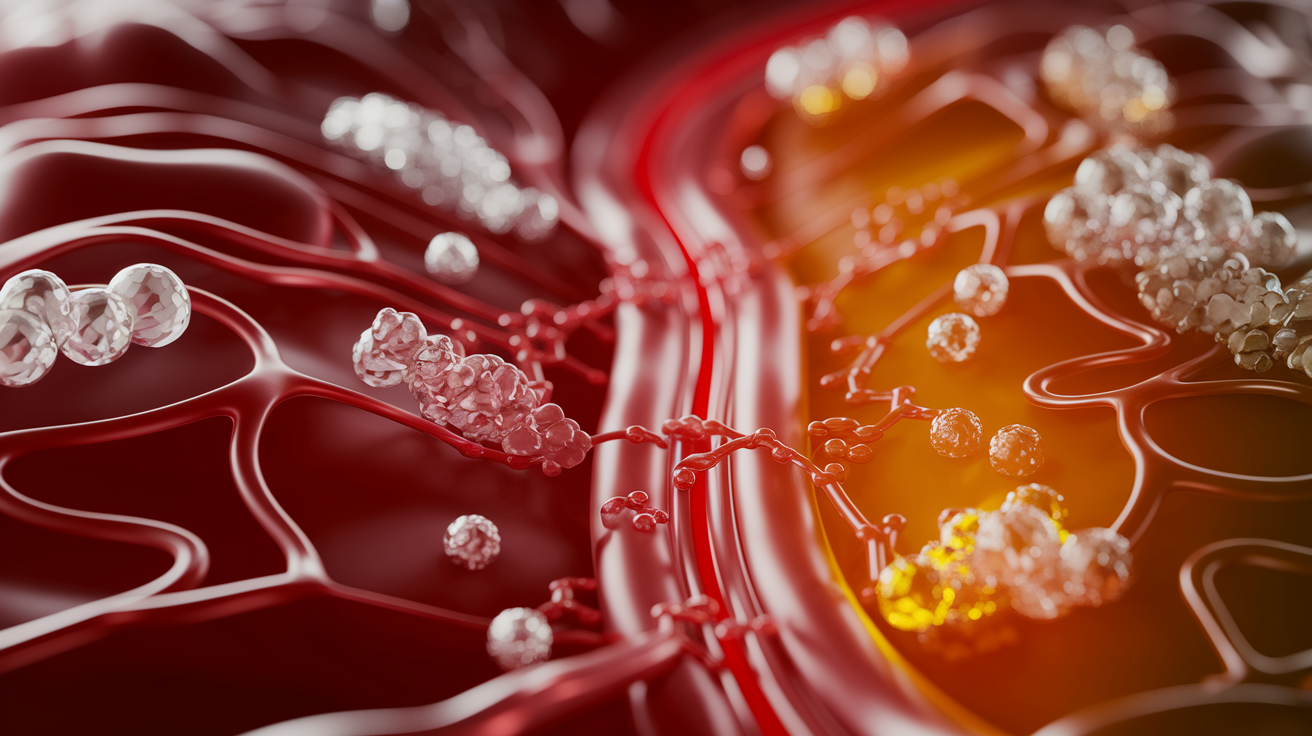
When insulin isn’t working properly, your body struggles to move glucose out of the bloodstream and into cells where it’s needed for energy. The kidneys try to compensate by filtering out excess sugar and excreting it in urine. That’s why frequent urination is often the first noticeable symptom. Some men report urinating 10 to 30 times a day when blood sugar is very high. That constant fluid loss dehydrates you, triggering severe thirst that can reach the point of drinking four liters or more per day.
| Symptom | Explanation |
|---|---|
| Frequent urination | Kidneys excrete excess glucose along with large amounts of water, leading to 10 to 30+ trips to the bathroom daily and frequent nighttime waking. |
| Unintentional weight loss | When cells can’t access glucose, the body breaks down fat and muscle for energy, leading to rapid loss of more than 5% of body weight or about 10 pounds in under six months. |
| Numbness or tingling in hands and feet | Chronic high blood sugar damages peripheral nerves (peripheral neuropathy), causing tingling, numbness, or burning sensations that often worsen at night. |
| Blurred vision | High glucose pulls fluid from the eye lens and small blood vessels, distorting vision temporarily. Vision often improves once blood sugar is controlled. |
Because your cells are starving for glucose, your brain triggers persistent, intense hunger even right after eating. This is called polyphagia. At the same time, if your body is breaking down muscle and fat to fuel itself, you can lose significant weight without trying. Men with undiagnosed diabetes often describe feeling exhausted no matter how much they sleep, since their cells aren’t getting the energy they need. Blurred vision happens when fluid shifts in and out of the eye lens in response to blood sugar swings, but it’s usually reversible once glucose levels stabilize. Numbness or tingling in the hands and feet, especially if it’s worse at night, signals that nerve damage has started. Over time, peripheral neuropathy can reduce your ability to feel pain or temperature, raising the risk of unnoticed injuries and infections.
Differences Between Type 1 and Type 2 Diabetes Symptoms in Adult Men
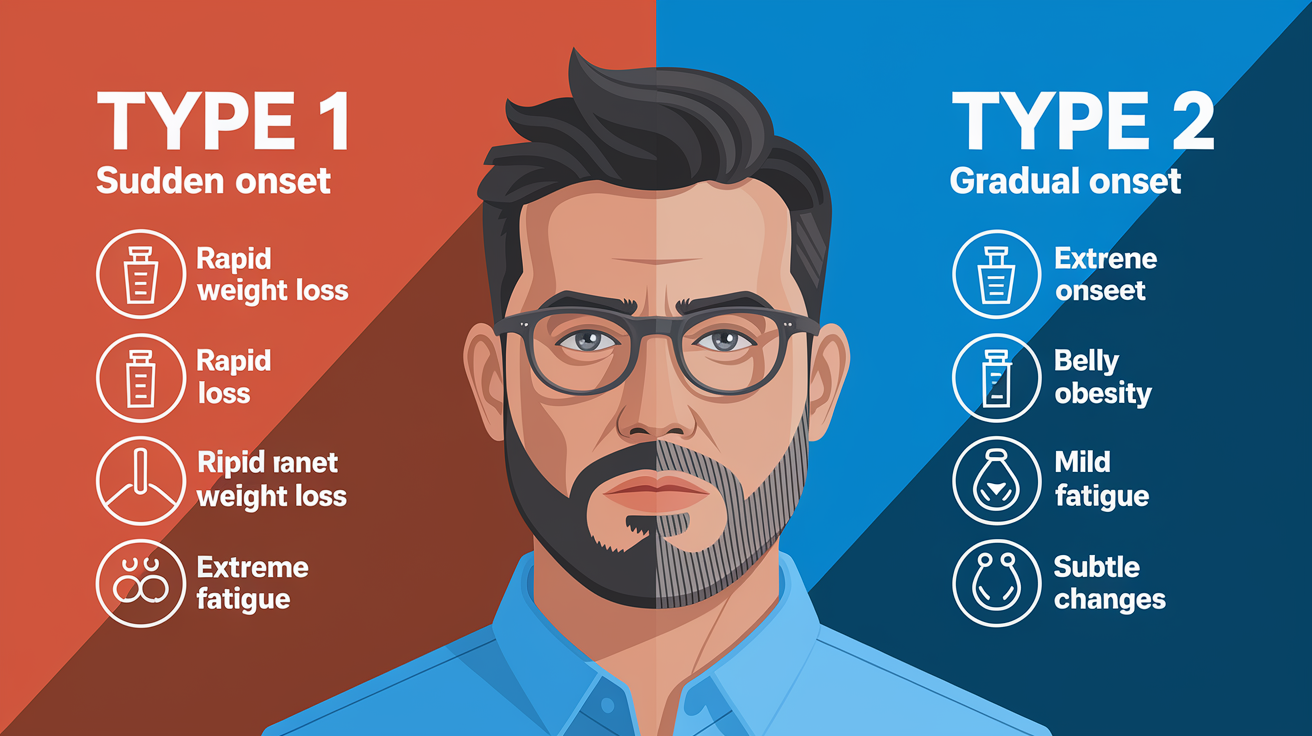
Type 1 diabetes usually has a sudden, dramatic onset. Symptoms appear over days to weeks and can include rapid weight loss, severe thirst, frequent urination, and extreme fatigue. In Type 1, the pancreas stops producing insulin, often because the immune system has attacked insulin producing cells. Men with Type 1 typically require insulin injections right away. Muscle wasting is more common in Type 1 because the body quickly shifts to breaking down muscle tissue for energy when no insulin is available.
Type 2 diabetes develops more gradually and is closely tied to lifestyle factors like poor diet, inactivity, and excess weight, especially around the abdomen. Symptoms can be mild or absent for years. That’s why one in three people with Type 2 diabetes don’t know they have it. In Type 2, the pancreas still makes insulin, but cells become resistant to it. Blood sugar rises slowly, and the early signs (fatigue, mild thirst, occasional blurry vision) are easy to dismiss as normal aging or stress.
Because Type 2 progresses silently, men often aren’t diagnosed until a routine blood test or until complications like erectile dysfunction, neuropathy, or heart disease appear. Type 2 is also more likely to coexist with metabolic syndrome, which includes high blood pressure, high cholesterol, and abdominal obesity. Even though Type 2 can be managed and sometimes reversed with diet and exercise, delayed diagnosis still allows years of damage to blood vessels, nerves, and organs. That’s why routine screening is so important for men over 40 or anyone with diabetes risk factors.
Diabetes Related Complications That Men Are More Likely to Experience
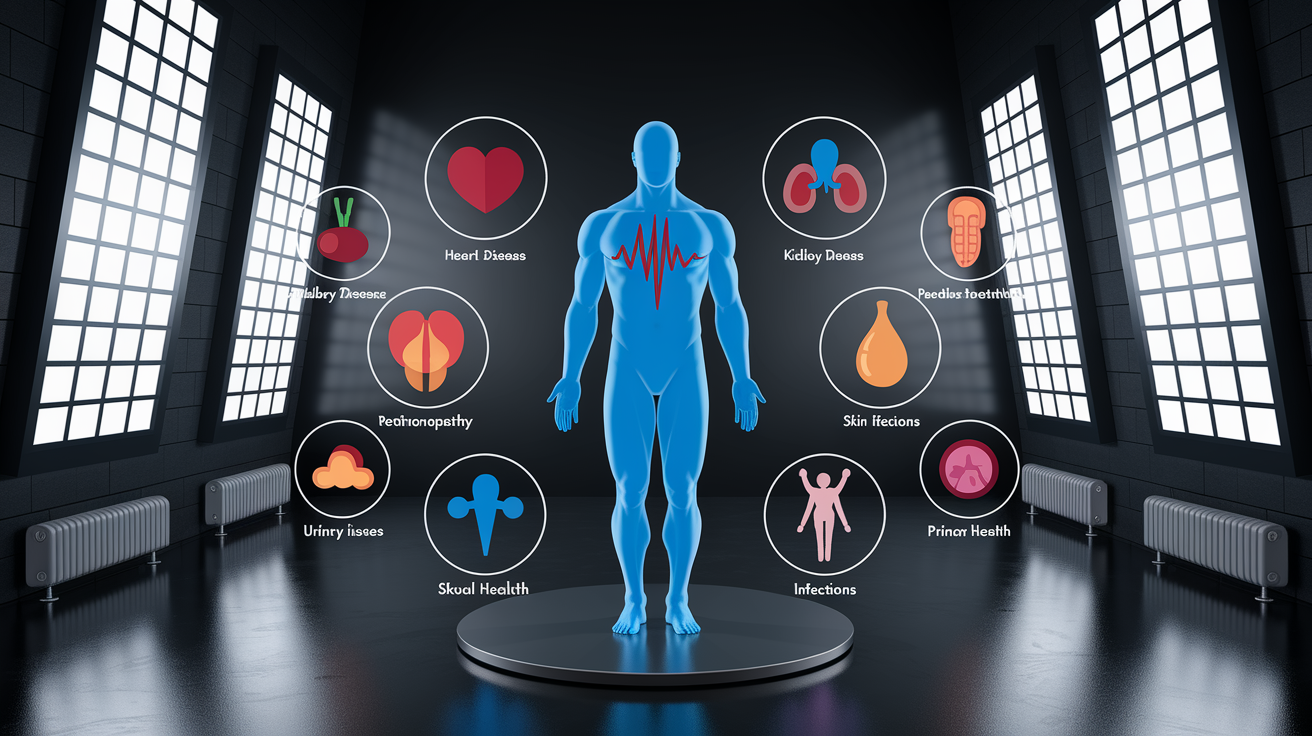
Uncontrolled blood sugar damages nearly every organ system over time, but men face a higher risk or more severe versions of certain complications. Delaying a diabetes diagnosis by just three years raises your relative risk of heart disease by 29 percent, and a six year delay raises it by 38 percent. Cardiovascular disease is the leading cause of death in men with diabetes, since high glucose accelerates plaque buildup in arteries, increasing the risk of heart attack and stroke.
Nerve damage also progresses faster in men with poorly controlled diabetes. More than half of men with diabetes develop bladder control problems, including overactive bladder, sudden urgency, incontinence, or the inability to fully empty the bladder. This happens because diabetic neuropathy disrupts the nerves that control bladder muscles. Chronic incomplete bladder emptying raises the risk of urinary tract infections and kidney complications.
- Cardiovascular disease: High blood sugar damages artery walls, raising risk for heart attack, stroke, and peripheral arterial disease in the legs and feet.
- Kidney disease (diabetic nephropathy): Elevated glucose slowly destroys the kidney’s filtering units, which can progress to chronic kidney disease and eventual renal failure.
- Vision loss (diabetic retinopathy): Damaged blood vessels in the retina can leak or bleed, leading to vision loss or blindness if untreated.
- Peripheral neuropathy: Nerve damage in the hands, feet, and legs causes pain, tingling, numbness, and increases the risk of foot ulcers and amputations.
- Sexual health complications: Erectile dysfunction, retrograde ejaculation, reduced libido, and lower testosterone levels often occur together and worsen with poor glucose control.
- Skin changes and infections: Slow wound healing, recurrent fungal or bacterial infections, and acanthosis nigricans (dark, velvety patches of skin, often in body folds) are common in men with insulin resistance or uncontrolled diabetes.
Diagnostic Tests Used to Identify Diabetes in Men

When a clinician suspects diabetes, they’ll typically order one or more blood tests to measure your blood glucose levels or your average glucose over the past two to three months. The most common test is the hemoglobin A1c, which shows your average blood sugar and doesn’t require fasting. A result of 6.5% or higher on two separate tests usually confirms diabetes. Another standard test is the fasting plasma glucose test, done after an overnight fast. A reading of 126 mg/dL or higher on two occasions indicates diabetes.
For a more detailed picture, doctors may use an oral glucose tolerance test, where you drink a sugary solution and your blood sugar is checked two hours later. A two hour result of 200 mg/dL or higher confirms diabetes. Sometimes a random plasma glucose test is used if symptoms are urgent. Any reading of 200 mg/dL or above with classic diabetes symptoms is enough for diagnosis. Urinalysis may also be ordered to check for glucose in the urine, signs of kidney damage, or infections like yeast or urinary tract infections that are common in men with high blood sugar.
- Hemoglobin A1c test: Diagnosis threshold ≥ 6.5% on two separate tests.
- Fasting plasma glucose: Diagnosis threshold ≥ 126 mg/dL after an 8 hour fast.
- Oral glucose tolerance test (OGTT): 2 hour plasma glucose ≥ 200 mg/dL.
- Random plasma glucose: ≥ 200 mg/dL with symptoms confirms diabetes immediately.
When Men Should See a Doctor About Possible Diabetes Symptoms

If you notice frequent nighttime urination, sudden unexplained weight loss, persistent fatigue, new erectile dysfunction, or any combination of the warning signs listed earlier, schedule an appointment for blood glucose testing. Don’t wait if you’re experiencing rapid vision changes, severe thirst that won’t go away, or cuts and sores that aren’t healing after a few weeks. Recurrent genital yeast infections or new bladder control problems are also clear signals that your blood sugar may be elevated and needs evaluation.
Some situations require same day urgent care or a trip to the emergency department. Signs of diabetic ketoacidosis (DKA), most common in Type 1 but possible in Type 2, include severe nausea, vomiting, abdominal pain, confusion, fruity smelling breath, and rapid breathing. Older men with very high blood sugar can develop hyperosmolar hyperglycemic state (HHS), which causes extreme dehydration, confusion, seizures, or loss of consciousness. Both DKA and HHS are medical emergencies. If you have diabetes symptoms plus confusion, difficulty staying awake, severe dehydration, or chest pain, call 911 or get emergency care immediately.
Lifestyle Strategies Men Can Use to Reduce Risk and Manage Diabetes

Even small changes in daily habits can lower your risk of developing Type 2 diabetes or help you manage blood sugar if you’ve already been diagnosed. Aim for about 30 minutes of moderate physical activity most days of the week. Walking, jogging, swimming, cycling, or any exercise that raises your heart rate and makes you breathe a bit harder will improve how your body uses insulin. Strength training is especially helpful for men because it builds muscle mass, and muscle tissue uses more glucose than fat tissue does.
Diet matters just as much as exercise. Focus on whole grains, fruits, vegetables, lean proteins like chicken or fish, and healthy fats from sources like nuts, seeds, and olive oil. Cut back on sugary drinks, processed snacks, and foods high in refined carbohydrates. Losing even a small amount of weight, especially belly fat, can significantly reduce insulin resistance and lower your diabetes risk. If you’ve been diagnosed, daily blood glucose monitoring, following your prescribed medications or insulin plan, and keeping regular follow up appointments with your doctor are essential for preventing complications.
- Get active most days: Aim for 30 minutes of moderate activity like brisk walking, swimming, or cycling.
- Add strength training: Building muscle helps your body use glucose more efficiently.
- Eat a balanced, low sugar diet: Choose whole grains, vegetables, lean protein, and healthy fats while limiting processed foods and sugary drinks.
- Lose weight if needed: Even modest weight loss, especially around the abdomen, improves insulin sensitivity.
- Monitor blood sugar daily if diagnosed: Track your levels, follow your medication or insulin plan, and attend regular check ups to catch complications early.
Final Words
In the action, we ran through the most urgent signs men should spot fast, how high blood sugar affects sexual health, the body changes behind common symptoms, and how Type 1 and Type 2 often look different.
We also covered key tests doctors use, complications men are more likely to face, when to seek care, and simple lifestyle steps to lower risk.
If you notice any diabetes symptoms in men, note when they started and see a clinician. Early steps often help. You can take control and improve your health.
FAQ
Q: What are the early signs of diabetes in a man and what are 5 warning signs of diabetes?
A: The early signs of diabetes in a man and five key warning signs include frequent urination (especially at night), extreme thirst, unexplained fatigue, blurry vision, sudden weight loss, slow‑healing sores, numbness, and new erectile dysfunction.
Q: How to bring blood sugar down?
A: To bring blood sugar down, take your prescribed diabetes medicine or insulin as directed, drink water, go for a 10–20 minute walk, and choose a low‑carb snack; seek urgent care for very high or rapid symptoms.
Q: What do diabetics need to avoid?
A: People with diabetes should avoid sugary drinks and sweets, refined carbohydrates, smoking, excessive alcohol, skipping medications, extreme crash diets, and ignoring cuts or infections; check with your clinician before changing meals or meds.