


Ever wake up coughing at 2 a.m. and wonder why it only happens at night?
You’re not imagining it.
A cough worse at night has a few predictable reasons.
Gravity pulling mucus, acid reflux (acid moving up from the stomach), airway sensitivity from asthma, and bedroom triggers like dust mites or dry air all play a role.
This post explains each cause, gives simple home steps to try tonight, and points out clear signs when you should see a clinician.
Key Nighttime Factors That Make a Cough Worse
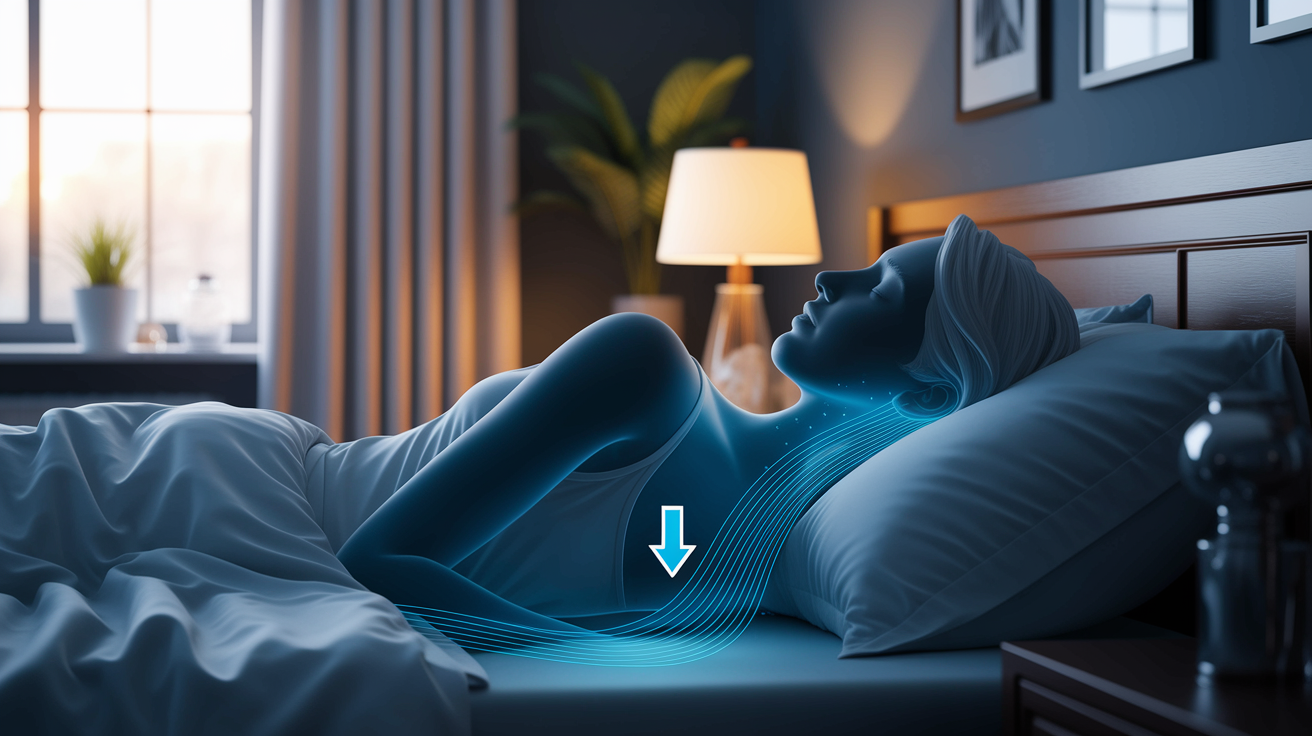
Your body changes the moment you lie down, and those shifts can turn a mild daytime cough into an all-night problem. The biggest culprit? Gravity.
When you’re upright during the day, mucus drains down into your stomach or out through your nose without much fuss. But lie flat and that same mucus pools in the back of your throat, triggering your cough reflex as your body tries to clear it. A wet cough at 2 a.m. is often just gravity doing what gravity does: letting mucus slide down the wrong way.
Your digestive system shifts gears at night too. The lower esophageal sphincter (the valve keeping stomach acid where it belongs) relaxes when you sleep. Without gravity holding acid down, it can creep upward into your esophagus and throat, irritating sensitive tissue and setting off a cough even if you never feel heartburn. Your airways get touchier overnight as well, partly from natural shifts in your nervous system and hormones, partly because cooler, drier bedroom air makes mucus thicker and more irritating.
For people with asthma, nighttime is rough. Airway inflammation can ramp up overnight. Lung function dips slightly in the early morning hours. And allergens in bedding (dust mites, pet dander, pollen carried in on clothes) add extra triggers right when your defenses are lowest. Even without asthma, those same bedroom allergens can provoke coughing in anyone with sensitive airways or allergies.
- Gravity driven mucus pooling and postnasal drip get worse when lying flat, causing throat irritation and coughing
- Acid reflux in the supine position lets stomach contents reach the esophagus and throat, triggering a dry or wet cough
- Increased airway sensitivity overnight from nervous system shifts and cooler bedroom temperatures
- Bedroom allergen exposure including dust mites in bedding, pet dander on sheets, and residual pollen
- Asthma worsening at night driven by inflammation, lower lung function, and accumulated mucus
Postnasal Drip and Sinus-Related Reasons for Nighttime Cough
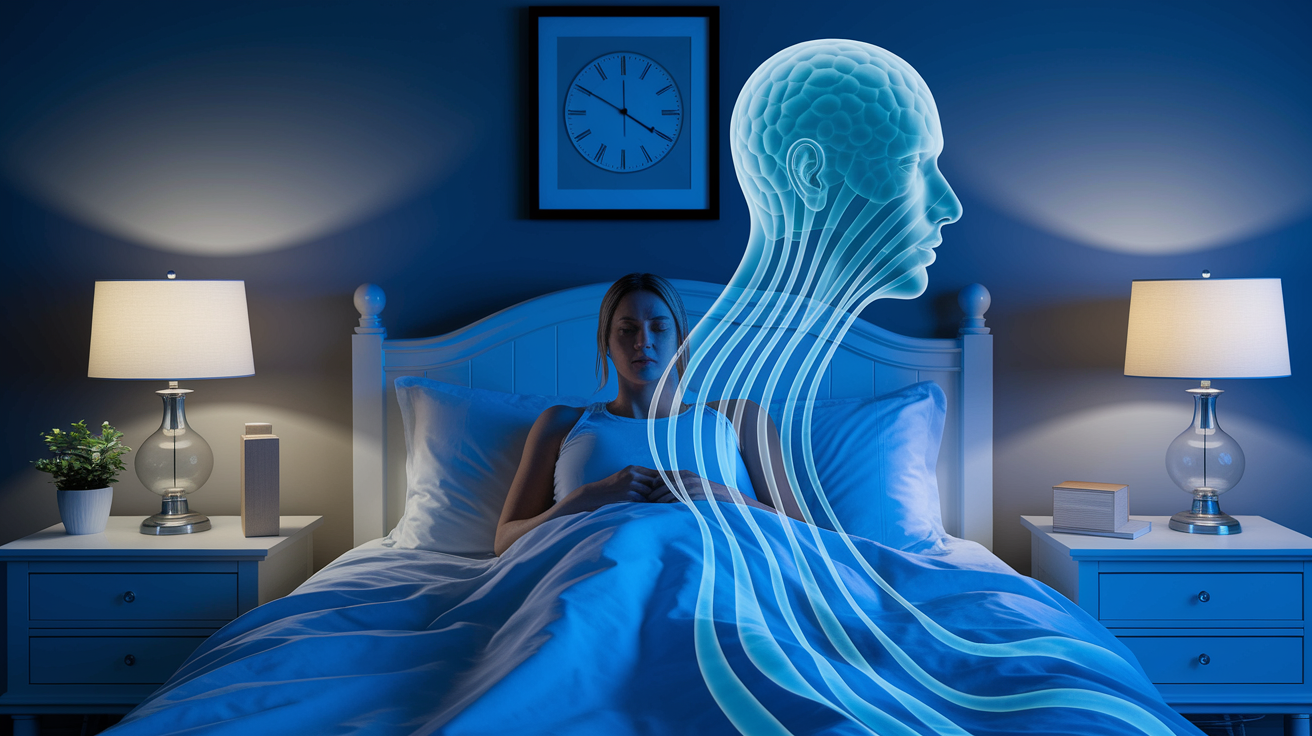
During the day, mucus from your sinuses drains downward through your nose or into your stomach. You barely notice. At night, when you lie flat, that drainage shifts direction. Instead of flowing out the front of your nose, mucus slides down the back of your throat, pooling where it can tickle nerve endings and start a cough.
If you’ve got allergies, a cold, or sinusitis (inflammation or infection in the sinus cavities), your body produces even more mucus. And that mucus may be thicker, which makes the pooling and dripping much worse once your head hits the pillow. That persistent throat tickle is often the reason people wake up coughing multiple times each night or can’t fall asleep in the first place.
Sinus congestion makes everything harder. When your nasal passages are swollen or blocked, you can’t clear mucus well. It sits in your sinuses, thickens, and eventually drips backward. Some people start mouth breathing at night when their nose is congested, which dries out the throat and makes the tickle even more irritating. Sinusitis adds infection or inflammation into the mix, producing thick, colored mucus that’s more likely to stick in the throat and provoke coughing when it finally moves.
| Cause | How It Worsens at Night | Typical Symptoms |
|---|---|---|
| Postnasal drip | Lying flat redirects mucus drainage toward the throat; gravity no longer pulls it through the nose | Wet or dry throat cough, frequent throat clearing, sore throat in the morning |
| Sinusitis | Inflamed sinuses produce thicker mucus that pools when horizontal; infection increases mucus volume | Facial pressure, colored mucus, nighttime cough with mucus, bad breath |
| Nasal congestion | Blocked nasal passages force mouth breathing, drying the throat; mucus cannot clear normally | Stuffy nose, mouth breathing, dry irritating cough, morning sore throat |
Acid Reflux and GERD as Reasons a Cough Gets Worse at Night
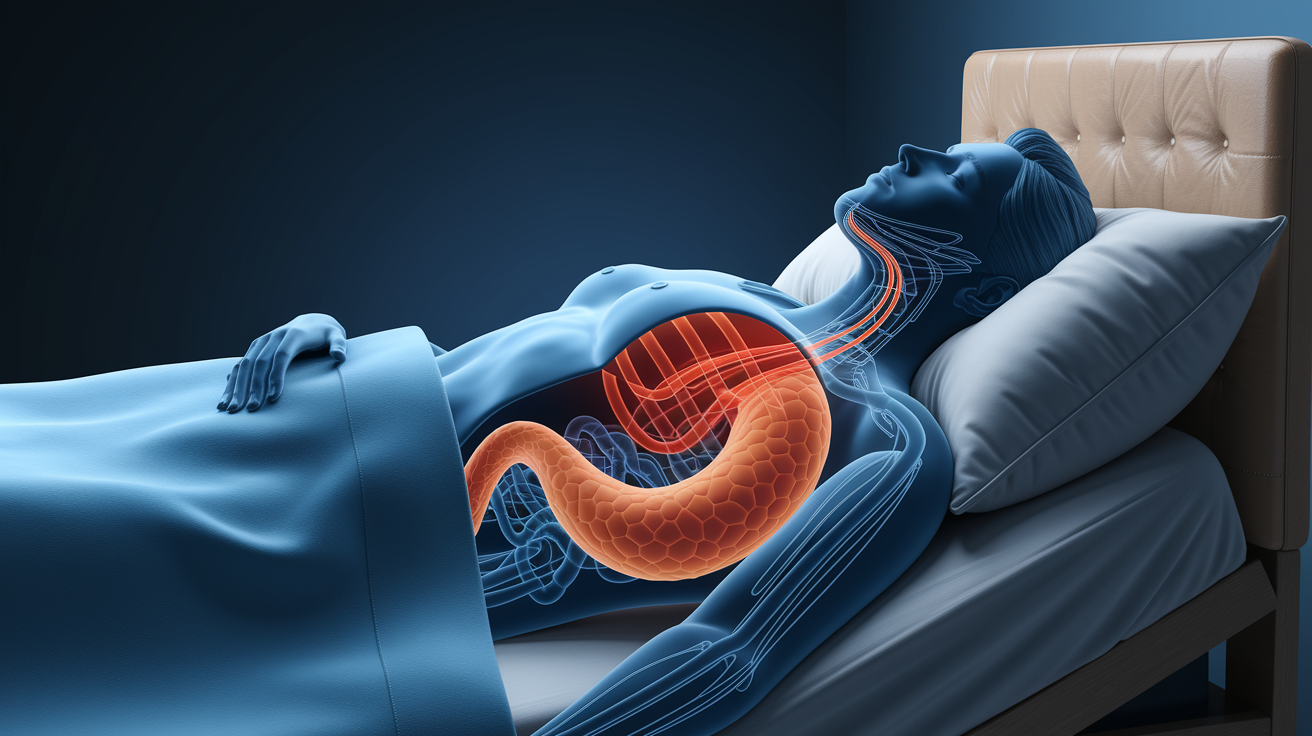
Gastroesophageal reflux disease (GERD) is one of the most common but least expected reasons for a nighttime cough. When you lie down, gravity no longer helps keep stomach acid in your stomach. The valve at the top of the stomach, called the lower esophageal sphincter, relaxes during sleep. Acid or even small amounts of bile can back up into the esophagus. That acid irritates the lining of the esophagus and sometimes reaches the throat or even the airways, triggering coughing as your body tries to protect the lungs.
You may never feel classic heartburn. Especially in a form of reflux called silent reflux (laryngopharyngeal reflux), where the acid irritates the voice box and throat without causing a burning sensation in the chest. Silent reflux earned its name because it can cause coughing, hoarseness, and throat clearing without the heartburn most people expect.
Timing matters. Eating a large meal late in the evening fills the stomach right before bed, increasing the chance that acid will push upward as you lie down. Alcohol, caffeine, chocolate, and fatty or spicy foods all relax the lower esophageal sphincter or increase stomach acid production, making reflux more likely. People who sleep flat on their back are especially vulnerable, because nothing stops the acid from creeping upward. Even if you don’t feel pain, you may notice a dry, persistent cough, a sour taste in your mouth on waking, a feeling of something stuck in your throat, or hoarseness first thing in the morning.
Managing reflux can cut down nighttime cough significantly. Here are practical steps that often help:
- Elevate the head of your bed or use a wedge pillow to keep your upper body higher than your stomach, so gravity helps hold acid down
- Avoid eating within 2 to 3 hours of bedtime to give your stomach time to empty before you lie down
- Limit alcohol, caffeine, chocolate, fatty foods, and acidic foods in the evening, especially if you notice coughing after consuming them
- Talk to a clinician if symptoms persist, because prescription medications that reduce stomach acid or treat reflux may be needed for longer term control
Asthma-Related Nighttime Cough Triggers
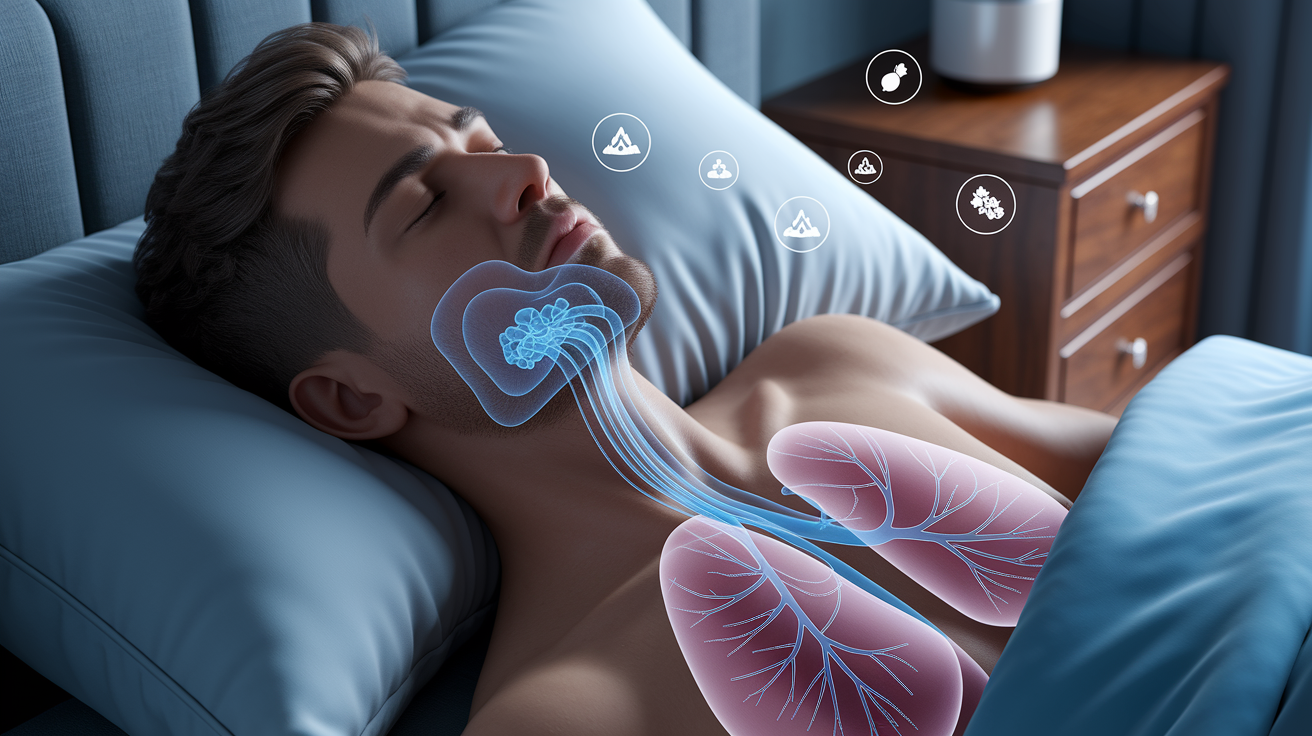
Asthma is a chronic condition in which the airways become inflamed and narrow. For many people with asthma, symptoms get significantly worse overnight. Airway sensitivity naturally increases during the night and early morning hours, partly because of shifts in hormones and nervous system activity that affect lung function. Cooler bedroom air can also cause airways to tighten, especially if you breathe through your mouth while sleeping.
Mucus tends to build up overnight when you’re not moving around or taking deep breaths. That mucus can clog narrowed airways, triggering coughing, wheezing, and shortness of breath. If you wake up coughing frequently at night, or if you notice your chest feels tight or wheezy when you lie down, poorly controlled asthma may be the reason.
Nocturnal asthma (nighttime worsening of asthma) is common enough that clinicians specifically ask about nighttime symptoms when assessing asthma control. If you’re using a rescue inhaler more than twice a week at night, or if coughing regularly disrupts your sleep, it’s a sign that your asthma treatment plan may need adjustment. Identifying and managing the specific triggers in your bedroom can help reduce nighttime asthma coughing.
Common nocturnal asthma triggers include:
- Allergens in bedding and the bedroom, especially dust mites in pillows and mattresses, pet dander on sheets, or pollen carried in on clothing
- Cold or dry air at night, which can irritate sensitive airways and cause them to tighten
- Poor indoor air quality, including exposure to smoke, strong cleaning products, air fresheners, or mold
- Respiratory infections like a cold or sinus infection, which increase inflammation and mucus production in already sensitive airways
Environmental and Bedroom Triggers Behind a Nighttime Cough

Your bedroom itself can be a major source of nighttime cough, especially if you have allergies or sensitive airways. Dust mites are microscopic bugs that live in mattresses, pillows, blankets, and sheets, feeding on dead skin cells. Their waste and body fragments are common allergens that can irritate your nose, throat, and lungs.
Pet dander works the same way. Tiny flakes of skin and dried saliva from cats, dogs, or other pets settle into bedding and float in the air when you move around in bed. If your pet sleeps in your room or on your bed, you’re breathing in dander all night long. Even if you don’t have noticeable allergy symptoms during the day, overnight exposure in a confined space can be enough to trigger coughing.
Air quality and humidity play a big role too. Many bedrooms have dry air, especially during winter when heating systems run constantly or in climates with low humidity. Dry air dries out the mucus membranes in your nose and throat, thickening mucus and making your airway more irritable. Cooler nighttime temperatures can have a similar effect, causing your airways to tighten slightly and making you more prone to coughing. Dust, whether from the room itself or stirred up from bedding, adds another irritant layer. Some people also react to strong scents from laundry detergent, fabric softener, or air fresheners used in the bedroom.
Reducing bedroom allergens and improving air quality can make a real difference. Try these steps:
- Wash sheets, pillowcases, and blankets in hot water once a week to kill dust mites and remove accumulated allergens
- Use allergen proof covers on mattresses and pillows to create a barrier between you and dust mites
- Keep pets out of the bedroom, or at minimum off the bed, to reduce dander exposure while you sleep
- Run a humidifier at night to add moisture to dry air, aiming for indoor humidity between 30 and 50 percent
Medication-Related Reasons for a Cough That Worsens at Night

Certain medications can cause a persistent dry cough as a side effect. That cough often becomes more noticeable at night when you’re lying still and have fewer distractions. The most common culprits are ACE inhibitors (angiotensin converting enzyme inhibitors), a class of blood pressure medications that includes drugs like lisinopril, enalapril, and ramipril.
ACE inhibitors work by blocking an enzyme that narrows blood vessels, but they also affect a substance in the lungs called bradykinin, which can irritate the airways and throat. The result is a dry, tickling cough that doesn’t produce mucus and doesn’t respond to typical cough suppressants. Not everyone on an ACE inhibitor develops a cough. It happens in roughly 10 to 20 percent of people taking these medications. But when it does occur, it can be frustrating and disruptive, especially at night.
If you started a new medication in the past few weeks or months and then developed a nighttime cough that doesn’t seem connected to a cold, allergies, or other clear cause, it’s worth reviewing your medication list with a clinician or pharmacist. Switching to a different class of blood pressure medication, such as an ARB (angiotensin receptor blocker), often resolves the cough within a few days to weeks. Never stop or change a prescribed medication on your own, but do bring up the cough so your healthcare provider can help you find a solution that controls your blood pressure without the side effect.
Nighttime Cough in Children, Toddlers, and Infants

Babies, toddlers, and young children tend to experience worse nighttime coughing than adults for several reasons. Their airways are smaller, so even a little bit of mucus or swelling can cause more noticeable symptoms. Young children also produce more mucus when they’re sick, and they’re less able to clear it by coughing or blowing their nose.
When a child lies down to sleep, mucus pools in the throat just as it does in adults. But because their cough reflex is still developing and their ability to expectorate mucus is limited, they often cough more frequently and more forcefully at night. Infants who can’t yet sit up or turn over on their own have an even harder time managing mucus drainage.
Common causes of nighttime cough in young children include colds and other respiratory infections, which are extremely common in early childhood as the immune system is still learning to fight off viruses. Allergies and asthma also start to appear in toddlers and preschoolers, and both can cause significant nighttime coughing. Gastroesophageal reflux isn’t just an adult problem. Infants and young children can have reflux too, and lying flat can worsen it, leading to coughing or fussiness overnight. Croup, a viral infection that causes swelling in the upper airway, typically produces a barking cough that gets worse at night and may come with noisy breathing.
Parents can try several safe approaches to ease nighttime coughing in children. Elevating the head of the crib or bed slightly (for toddlers and older children, not infants under 12 months) can help mucus drain. Running a cool mist humidifier in the child’s room adds moisture to dry air and can soothe irritated airways. Making sure the child drinks plenty of fluids during the day helps thin mucus. Keeping the bedroom free of smoke, strong scents, and pet dander reduces irritation.
Common child specific nighttime cough triggers include:
- Viral respiratory infections such as colds, flu, RSV, and croup, which cause mucus buildup and airway inflammation
- Asthma and allergies, which often first appear in early childhood and frequently worsen overnight
- Gastroesophageal reflux, especially in infants and toddlers, which can irritate the throat and trigger coughing when lying flat
- Environmental irritants and allergens, including secondhand smoke, dust, pet dander, and strong cleaning or fragrance products in the home
Nighttime Cough in Older Adults

As people age, several changes in the body can make nighttime cough more common and sometimes more serious. Chronic lung conditions such as chronic obstructive pulmonary disease (COPD), chronic bronchitis, and pulmonary fibrosis become more prevalent with age. All of them can cause increased mucus production, airway inflammation, and worsening symptoms at night.
Heart related issues play a role too. Congestive heart failure can lead to fluid backing up into the lungs (pulmonary edema), which often causes coughing that gets worse when lying flat, especially at night. That cough may come with shortness of breath, wheezing, or a feeling of not being able to catch your breath. Older adults are also more likely to take multiple medications, increasing the chance of drug interactions or side effects like ACE inhibitor cough.
Gastroesophageal reflux is common in older adults, partly because the lower esophageal sphincter weakens with age. Lying flat at night worsens reflux, and the resulting throat irritation can trigger persistent coughing. Older adults may also have weaker immune systems, making respiratory infections more likely and recovery slower, with lingering nighttime cough even after other symptoms improve.
Because so many different conditions can cause or contribute to nighttime cough in this age group, it’s important not to dismiss a persistent cough as “just part of getting older.” Prompt evaluation can identify treatable causes and prevent complications.
| Condition | Typical Nighttime Symptoms | When to Seek Care |
|---|---|---|
| Chronic lung disease (COPD, chronic bronchitis, pulmonary fibrosis) | Persistent cough with mucus, wheezing, shortness of breath that worsens when lying down | If cough significantly worsens, if you develop new shortness of breath, or if mucus changes color or increases in volume |
| Gastroesophageal reflux (GERD) | Dry cough, sour taste on waking, throat clearing, hoarseness in the morning | If symptoms persist despite lifestyle changes or over the counter antacids, or if you have difficulty swallowing |
| Heart-related causes (congestive heart failure, pulmonary edema) | Cough with frothy or pink-tinged mucus, shortness of breath, swelling in legs or ankles, waking up gasping for air | Seek same-day or emergency care if you have sudden shortness of breath, chest discomfort, leg swelling, or coughing up pink or bloody mucus |
Home Strategies and Lifestyle Changes to Reduce Nighttime Cough

Simple changes to your sleep setup and evening routine can cut down nighttime coughing for many common causes. Elevating the head of your bed or sleeping with an extra pillow helps counteract gravity, reducing postnasal drip and keeping stomach acid where it belongs. If one pillow isn’t enough, try a wedge pillow that elevates your entire upper body, or prop up the head of your bed frame by placing blocks or books under the legs. This small adjustment can make a big difference for cough caused by sinus drainage or reflux. Gravity is free medicine; use it by sleeping at an angle instead of flat.
Adding moisture to the air in your bedroom helps prevent mucus from thickening and soothes irritated airways. A cool mist humidifier is a safe option for all ages and works well in dry climates or during winter when indoor heating lowers humidity. Clean the humidifier regularly to prevent mold or bacteria buildup.
Staying well hydrated throughout the day also thins mucus, making it easier to clear and less likely to pool in your throat overnight. Warm fluids in the evening (such as herbal tea with honey for children over 1 year and adults, or warm water with lemon) can be especially soothing and help loosen mucus before bed.
Reducing allergens in your bedroom is important if dust mites, pet dander, or pollen are contributing to your cough. Wash your sheets and pillowcases in hot water at least once a week, and consider using allergen proof covers on your mattress and pillows. Keep pets out of the bedroom if possible, and vacuum or damp mop floors regularly to reduce dust. If you have sinus congestion, a saline nasal rinse before bed can clear out mucus and allergens, reducing postnasal drip overnight.
Here are six practical steps to ease nighttime cough at home:
- Elevate your head and upper body with extra pillows or a wedge pillow to reduce mucus drainage and acid reflux
- Use a cool mist humidifier in your bedroom to add moisture and prevent airways from drying out
- Stay hydrated during the day to keep mucus thin and easier to clear
- Reduce bedroom allergens by washing bedding weekly in hot water, using allergen proof mattress and pillow covers, and keeping pets out of the sleeping area
- Drink warm fluids in the evening, such as herbal tea or warm water with honey, to soothe the throat and loosen mucus
- Use a saline nasal rinse before bed to clear sinuses and reduce postnasal drip overnight
When Nighttime Cough Signals a More Serious Condition

Most nighttime coughs are caused by common, manageable issues like postnasal drip, reflux, or allergies. But certain symptoms mean it’s time to see a clinician promptly. A cough that lasts more than three weeks without improvement, even if it’s not severe, warrants evaluation because it may signal an underlying condition that needs treatment. Chronic sinusitis, uncontrolled asthma, GERD, or in rare cases, something more serious. If your nighttime cough is getting worse instead of better, or if it’s severe enough that you can’t sleep or function normally during the day, don’t wait.
Red flag symptoms require same day or emergency care. Difficulty breathing, shortness of breath that’s new or worsening, or a feeling that you can’t get enough air are urgent signs, especially if they happen along with coughing. Coughing up blood or pink tinged mucus is always a reason to seek immediate medical evaluation. High fever (especially a fever over 103°F or 39.4°C in adults, or a fever that lasts more than a few days) alongside a nighttime cough may indicate pneumonia or another serious infection. Chest pain or pressure that occurs with coughing should be evaluated right away to rule out heart or lung issues. Unexplained weight loss, night sweats, or extreme fatigue combined with a persistent cough can be signs of chronic infections or other conditions that need diagnosis and treatment.
When you see a clinician for persistent or worrisome nighttime cough, the evaluation will typically start with a detailed history of your symptoms. When the cough started, what makes it better or worse, what it sounds like, whether you’re bringing up mucus, and what other symptoms you’ve noticed. A physical exam will include listening to your lungs and checking your throat, sinuses, and overall health.
Depending on what the clinician finds, diagnostic tests may include a chest X-ray to look for pneumonia, fluid, or other lung problems; spirometry (a breathing test) to check for asthma or COPD; allergy testing if allergies are suspected; or referral to a specialist such as an ear, nose, and throat doctor or a pulmonologist for further evaluation.
Watch for these five red flag symptoms that mean you should seek medical care promptly:
- Shortness of breath or difficulty breathing, especially if it’s new, worsening, or happens suddenly
- Coughing up blood or pink, frothy mucus, which can indicate a serious lung or heart issue
- High fever (over 103°F or 39.4°C) lasting more than a couple of days, or any fever with severe cough in an older adult or someone with a weakened immune system
- Chest pain or pressure that occurs with coughing or breathing
- Unexplained weight loss, night sweats, or extreme fatigue along with a persistent cough lasting weeks
Final Words
We covered the main reasons night coughs get worse: gravity‑driven mucus, reflux when lying flat, airway sensitivity from asthma, bedroom allergens, and medication effects. We also touched on child and older‑adult differences, home steps to feel better, and warning signs that need quick care.
Track when the cough happens, what makes it better or worse, and any new medicines to tell your clinician. Knowing common cough worse at night reasons gives you simple steps to try and more confidence about when to get help.
FAQ
Q: What type of cough gets worse at night?
A: The type of cough that gets worse at night is often one caused by postnasal drip, acid reflux, asthma, or bedroom allergens—usually a dry, tickly, or recurring cough that worsens when you lie down.
Q: Why does my cough get worse when I lie down at night?
A: A cough gets worse when you lie down because gravity lets mucus pool in the throat, stomach acid can move up the esophagus, and airways become more sensitive during sleep.
Q: Could acid reflux make my cough worse at night?
A: Acid reflux can make a cough worse at night because lying flat lets stomach acid irritate the throat; silent reflux may cause coughing without obvious heartburn.
Q: Can allergies or bedroom triggers cause a nighttime cough?
A: Allergies or bedroom triggers can cause a nighttime cough because dust mites, pet dander, and dry air in bedding irritate airways or increase mucus, making coughs worse in bed.
Q: When should I see a doctor for a cough that’s worse at night?
A: You should see a doctor if a nighttime cough comes with fever, trouble breathing, coughing up blood, lasts more than three weeks, or greatly disrupts sleep.
Q: What home steps can reduce a cough that gets worse at night?
A: Home steps to reduce a nighttime cough include elevating your head, using a humidifier, staying hydrated, doing saline nasal rinses, avoiding late meals, and cutting bedroom allergens.