


Is that stubborn cough just bronchitis, or is it pneumonia that needs faster care?
Both cause coughing, but they behave differently and call for different steps.
In this post you’ll learn simple, practical clues to tell them apart by the sound of the cough, the color and thickness of what you spit up, and how sick you feel overall.
You’ll also get clear red flags: when to try home care, when to call your doctor, and when to seek urgent help.
Cough Differences Explained: Key Ways to Tell Bronchitis and Pneumonia Apart
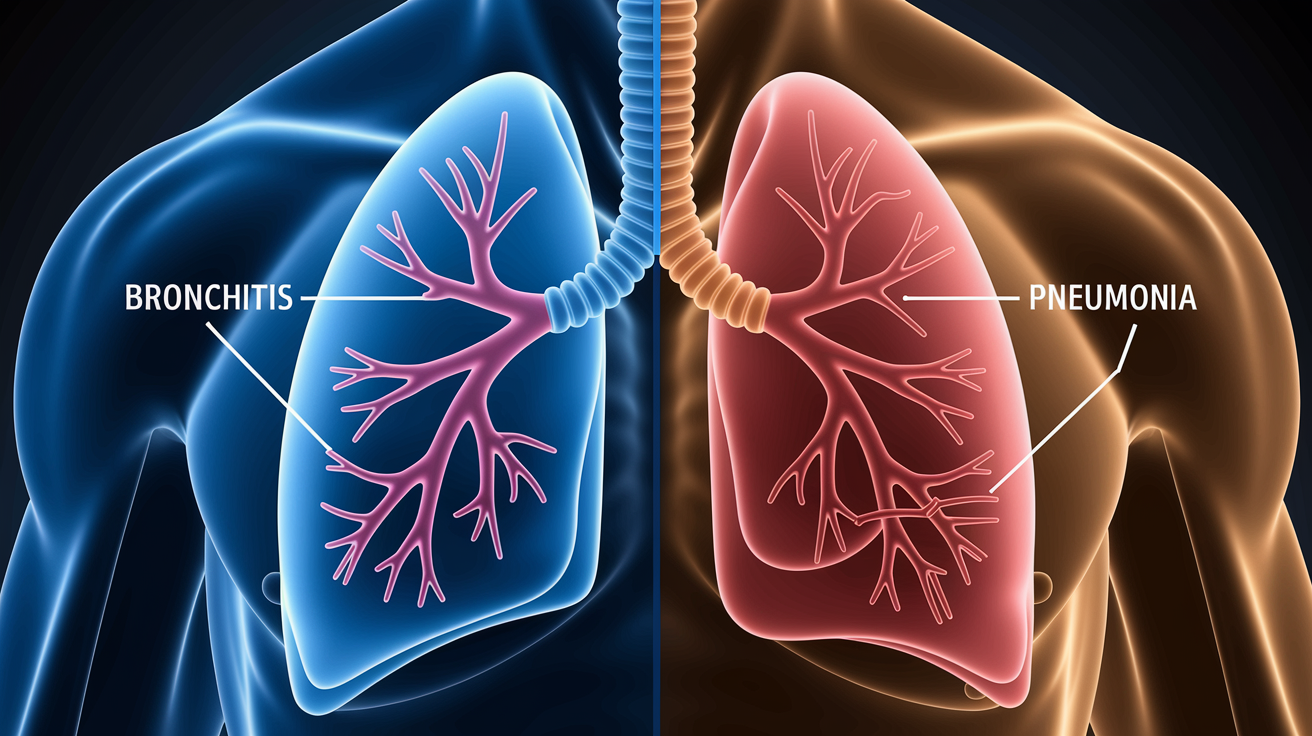
The fastest way to know if you’re dealing with bronchitis or pneumonia? Look at your cough, check what you’re coughing up, and pay attention to how the rest of your body feels. Bronchitis usually shows up as a hacking, persistent cough that brings up mucus. That mucus starts clear or white, then turns yellow as your airways get more irritated. The cough wears you out, sure. But you don’t feel dangerously sick. Most people run a mild fever, deal with a stuffy nose, and maybe feel some chest tightness or light wheezing. The whole thing wraps up in about 10 to 14 days, though the cough can stick around for three weeks.
Pneumonia hits harder. The cough brings up thick, yellow-green mucus or even blood streaks. You’re more likely to feel sharp chest pain when you cough or breathe deeply. Your body reacts more severely: high fever that can climb near 105°F (40°C), shaking chills, confusion, rapid breathing, and a sense that your lungs are struggling. Shortness of breath is common. You feel genuinely sick in a way that keeps you in bed. The cough from pneumonia can linger for weeks, even after the infection starts clearing. If your cough comes with any of these heavier symptoms (especially trouble breathing, high fever for several days, or chest pain), get evaluated soon.
| Feature | Bronchitis | Pneumonia |
|---|---|---|
| Type of cough | Productive, often wet and hacking | Productive or persistent; may be severe |
| Mucus color | Clear to yellow; sometimes greenish as it worsens | Thick yellow-green; may have blood streaks |
| Typical duration | 10–14 days; cough can linger up to 3 weeks | Acute illness for days to weeks; cough may persist for weeks after |
| Severity | Usually mild to moderate; tiring but manageable | Often severe; can require hospitalization |
| Fever | Low-grade or none | High, often above 100.4°F (38°C); can reach ~105°F (40°C) |
| Escalation symptoms | Rare; watch for worsening shortness of breath or prolonged symptoms | Shortness of breath, rapid breathing, chest pain, confusion, and chills are common |
Bronchitis Cough Patterns and Related Symptoms

Acute bronchitis shows up when the bronchial tubes (the airways carrying air from your windpipe into your lungs) get inflamed and start making extra mucus. It usually follows a cold or flu, so you might notice a few days of sniffles and sore throat before the cough really kicks in. The cough is the main event. It’s often wet and productive, meaning you’re bringing up phlegm. That mucus tends to start clear or whitish, then shift to yellow or even greenish as the inflammation peaks. The color change doesn’t automatically mean bacteria. It’s often just a sign that your immune system is working and shedding debris. Most cases of acute bronchitis are caused by viruses, so antibiotics won’t help. The whole illness typically lasts around 10 to 14 days, but it’s normal for the cough to stick around for up to three weeks while your airways finish healing.
The cough is front and center, but you’ll usually have a handful of other mild symptoms. A runny or stuffy nose is common, since bronchitis often tags along with an upper respiratory infection. You might run a low fever, feel achy and tired, and notice some chest discomfort or tightness when you cough. Some people hear a little wheeze when they breathe, especially if the airways are swollen or clogged with mucus. If you have asthma or another lung condition, bronchitis can make those symptoms flare.
Chronic bronchitis is a different story. It’s defined as a cough that produces mucus for at least three months and comes back year after year. Chronic bronchitis is a form of chronic obstructive pulmonary disease (COPD), usually caused by long-term exposure to irritants like cigarette smoke, air pollution, or chemical fumes. The cough in chronic bronchitis doesn’t follow a viral infection. It’s persistent and tied to ongoing airway damage. Treatment focuses on managing symptoms, avoiding triggers, and sometimes using inhalers or medications to open the airways and reduce inflammation.
Common symptoms that come with acute bronchitis:
- Runny or stuffy nose
- Low-grade fever (if any)
- Sore or scratchy throat
- Mild wheezing or chest tightness
Pneumonia Cough Features and Systemic Warning Signs
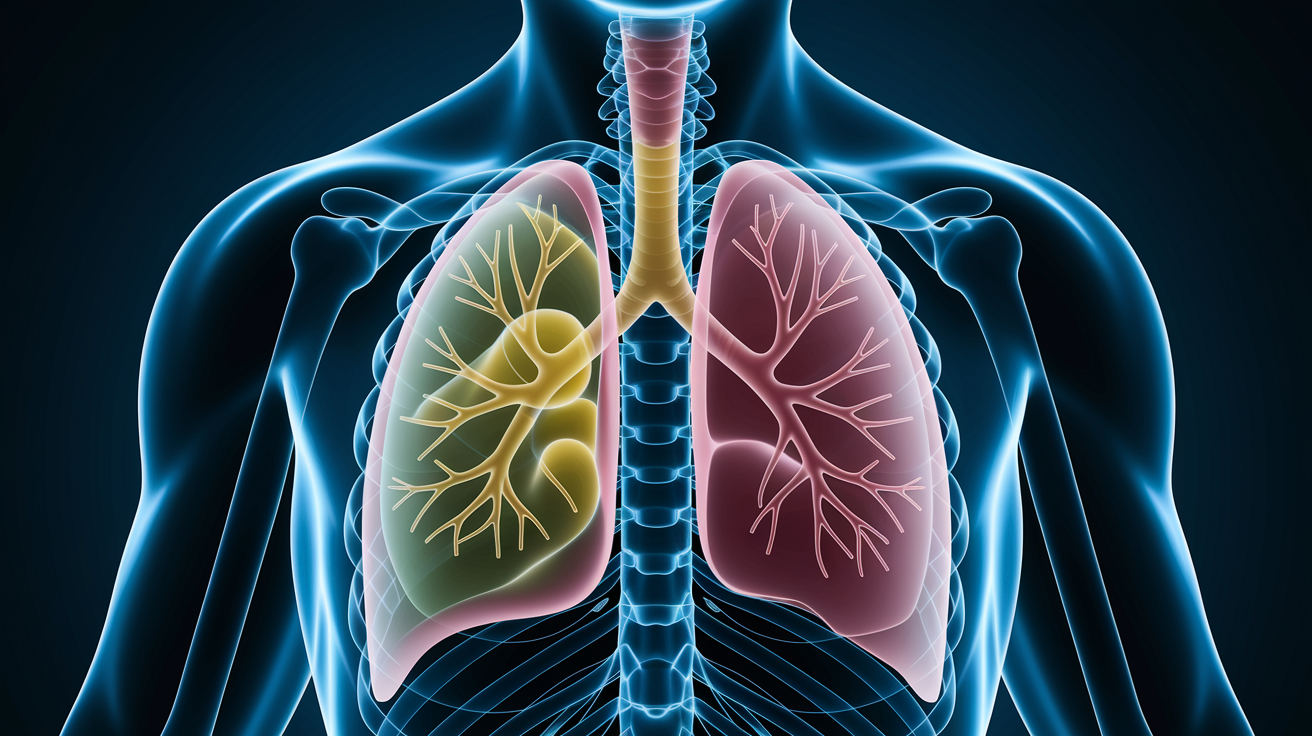
Pneumonia is an infection that reaches deeper into your lungs, inflaming the alveoli (the tiny air sacs where oxygen moves into your blood). When those sacs fill with fluid or pus, your body struggles to get enough oxygen. That’s when symptoms turn more serious. The cough in pneumonia can be productive, bringing up mucus that’s often thick, yellow-green, or rust-colored. In some cases, you might see streaks of blood. The cough may also be dry at first and then shift to productive as the infection progresses. What really sets pneumonia apart is how sick you feel overall. You’re likely to have a high fever, sometimes spiking near 105°F (40°C), along with shaking chills, sweating, and a deep sense of fatigue. Shortness of breath is common. You may notice your breathing is faster or more labored than usual, even when you’re sitting still.
Chest pain is another hallmark. It’s often sharp and gets worse when you take a deep breath or cough. Some people describe it as a stabbing sensation on one side of the chest. You might also feel pain in your upper belly if the infection irritates the diaphragm. Other systemic signs include confusion or changes in awareness (especially in older adults), loss of appetite, nausea, and pronounced body aches. Pneumonia doesn’t just make you cough. It makes your whole body work harder to fight the infection. That shows.
Pneumonia can be caused by bacteria, viruses, or fungi. About one-third of pneumonia cases are viral. Bacterial pneumonia (often caused by Streptococcus pneumoniae) is responsible for roughly 150,000 hospitalizations in the U.S. each year and around 50,000 deaths annually. “Walking pneumonia,” caused by Mycoplasma pneumoniae, is a milder bacterial form that tends to affect children and younger adults and may not knock you flat, but it still needs attention. Fungal pneumonia is less common and usually affects people with weakened immune systems. The type of pneumonia you have influences treatment, but the unifying thread is that pneumonia is more dangerous than bronchitis and requires careful monitoring and often prescription medication.
Symptom Comparison Beyond the Cough: Bronchitis vs Pneumonia
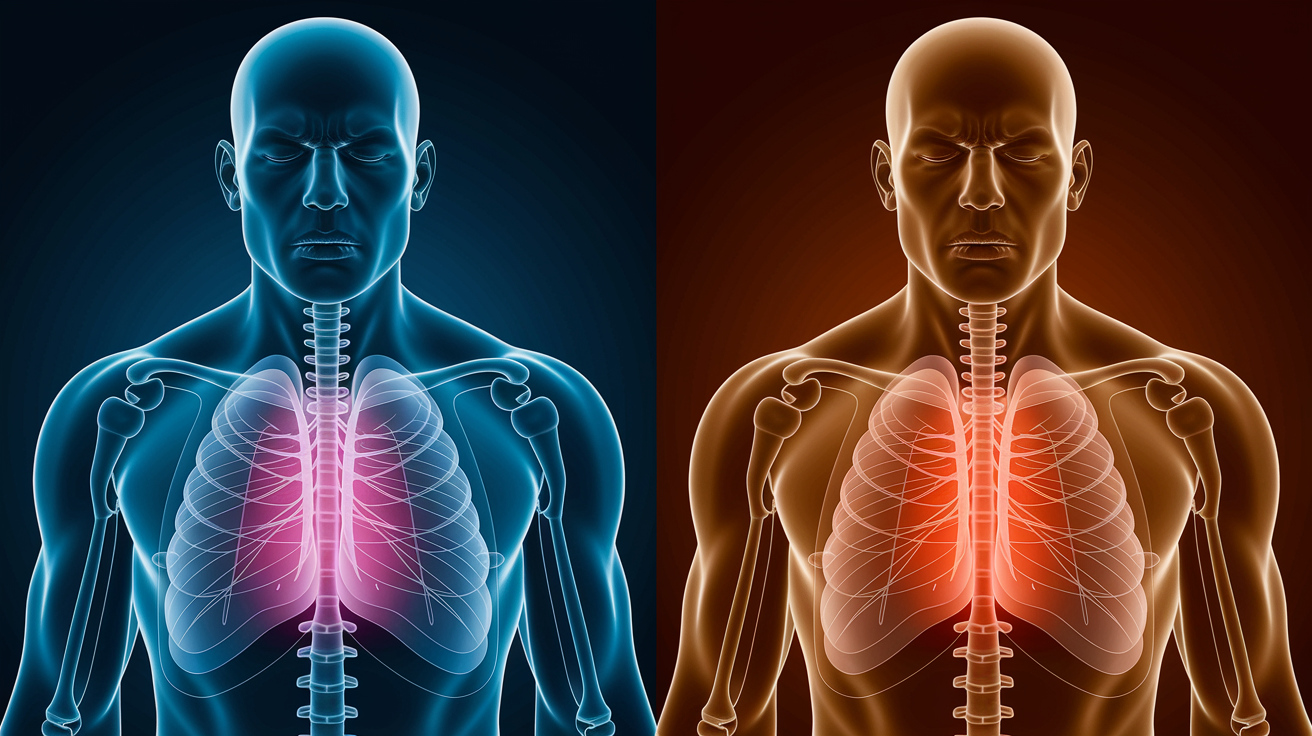
When you step back and look at the full picture, bronchitis and pneumonia differ in how much they affect your whole body. Bronchitis mostly stays in the airways. You’ll cough a lot, maybe feel tired and achy, and deal with congestion or a runny nose. Basically an extended version of a cold. Your breathing might feel a little tight or wheezy, but you’re usually able to go about your day, even if you’re uncomfortable. Fever is typically mild or absent. You don’t usually feel like you’re in real trouble.
Pneumonia pulls your whole system into the fight. Your lungs aren’t just irritated. They’re struggling to do their job. That leads to rapid, shallow breathing and a feeling that you can’t catch your breath. High fever and chills are expected. Sharp chest pain that worsens with breathing or coughing is a red flag. Confusion, especially in older adults, can signal that oxygen levels are dropping. You might lose your appetite, feel nauseous, or just feel too weak to get out of bed. The systemic symptoms (fever, pain, breathing trouble, and mental changes) are what push pneumonia into the “get medical help” category.
Key symptom contrasts:
- Fever: Bronchitis usually brings low-grade or no fever. Pneumonia often causes high fever above 100.4°F (38°C) and can spike near 105°F (40°C).
- Breathing: Bronchitis may cause mild wheeze or tightness. Pneumonia commonly causes shortness of breath and rapid, labored breathing.
- Chest pain: Bronchitis may cause dull chest discomfort from coughing. Pneumonia often brings sharp, stabbing pain that worsens with deep breaths.
- Systemic illness: Bronchitis feels like a bad cold. Pneumonia makes you feel dangerously sick and weak.
- Confusion or altered awareness: Rare in bronchitis. A warning sign in pneumonia, especially in older adults or people with chronic conditions.
If your symptoms include more than just a cough (if you’re struggling to breathe, running a high fever, feeling confused, or experiencing sharp chest pain), think pneumonia, not bronchitis. Get evaluated.
Diagnostic Clues That Differentiate Bronchitis From Pneumonia

Providers usually diagnose acute bronchitis based on your symptoms and a physical exam. They’ll listen to your lungs with a stethoscope and ask about your cough, mucus, and how long you’ve been sick. Bronchitis typically causes sounds like wheezing or rhonchi (a low rattling) as air moves through narrowed, mucus-filled airways. If you’re otherwise healthy and your symptoms fit the pattern (productive cough, mild fever, recent cold, no trouble breathing), imaging and lab tests usually aren’t needed. Bronchitis is a clinical diagnosis. The story and exam are enough.
Pneumonia often requires a chest X-ray to confirm the infection has reached the alveoli. On an X-ray, pneumonia shows up as areas of consolidation, cloudy or white patches where the air sacs are filled with fluid or pus instead of air. Providers also check your oxygen level with pulse oximetry, a small clip on your finger. Low oxygen (below about 95% in most people, or lower than your baseline if you have lung disease) suggests the infection is interfering with gas exchange and may mean you need oxygen therapy. Blood tests like a complete blood count (CBC) can show elevated white blood cells, a sign your body is fighting infection. C-reactive protein (CRP) and procalcitonin levels help distinguish bacterial infection from viral and guide antibiotic decisions. If you’re coughing up a lot of mucus, a sputum culture can identify the specific bacteria or fungus causing the infection and test which antibiotics will work.
The combination of imaging, oxygenation, and lab work helps providers separate a simple airway infection from a deeper lung infection and decide whether you need antibiotics, antiviral medication, or hospital-level care.
| Test or Exam | Bronchitis | Pneumonia |
|---|---|---|
| Chest X-ray | Usually not needed; airways may look normal or slightly thickened | Often shows consolidation (cloudy areas) in lung tissue |
| Lung sounds | Wheezing or rhonchi from mucus in airways | Crackles or decreased breath sounds over infected areas |
| Pulse oximetry | Typically normal oxygen levels | May show low oxygen, especially in moderate to severe cases |
| Blood tests / sputum culture | Rarely needed unless bacterial cause suspected | Common; used to identify pathogen and guide treatment |
Treatment Differences for Bronchitis vs Pneumonia Cough

Most cases of acute bronchitis are viral and get better on their own with rest, fluids, and time. Over-the-counter options can ease symptoms while your body clears the infection. An expectorant like guaifenesin can help thin mucus and make it easier to cough up. A decongestant may relieve stuffy nose and sinus pressure, and acetaminophen or ibuprofen can bring down fever and ease body aches. Honey (for anyone over age 1) or throat lozenges can soothe a sore, irritated throat. A cool-mist humidifier adds moisture to the air and can calm your airways. Avoid cough suppressants unless your cough is so severe it’s keeping you from sleeping, since coughing helps clear mucus. If your bronchitis is bacterial (uncommon, but possible), your provider may prescribe antibiotics. Chronic bronchitis requires ongoing management with bronchodilators, inhaled steroids, pulmonary rehab, and sometimes oxygen therapy or surgery if lung damage is advanced.
Pneumonia treatment depends on the cause. Bacterial pneumonia is treated with antibiotics. It’s important to finish the full course even if you start feeling better partway through. Viral pneumonia may be treated with antiviral medications if caused by influenza or another targetable virus, but many viral pneumonias are managed with supportive care: rest, fluids, fever control, and monitoring. Fungal pneumonia requires antifungal drugs. If you’re having trouble breathing, your provider may prescribe an inhaler or nebulizer to open your airways and make breathing easier. Some people need a short course of corticosteroids to reduce lung inflammation, especially if they have underlying asthma or COPD.
Severe pneumonia can require hospitalization. In the hospital, you might receive oxygen through a nasal cannula or mask to keep your blood oxygen levels up. IV fluids help if you’re dehydrated or can’t drink enough. IV antibiotics or antivirals work faster and are used when oral medications aren’t enough. Respiratory therapists may provide breathing treatments. In very serious cases, a ventilator may be needed to support breathing while your lungs heal. The key difference? Bronchitis is usually mild enough to manage at home. Pneumonia can escalate quickly and needs closer medical supervision, especially in young children, older adults, and people with chronic health conditions.
When to Seek Care for a Cough: Red Flags Suggesting Pneumonia

If you have a cough and cold symptoms, give it about a week. Most viral bronchitis starts improving within that timeframe. But if your symptoms get worse instead of better, or if they’re not improving at all after about seven days, call your doctor. That shift (worsening or stalling) can mean the infection has deepened or a secondary bacterial infection has set in. It’s also the point where bronchitis might be turning into pneumonia.
Don’t wait a week if you develop any of the following warning signs. These symptoms suggest your lungs are struggling or the infection is severe. You need medical evaluation right away: same day, urgent care, or the emergency room depending on how bad things are. High-risk groups (children younger than 2, adults 65 and older, pregnant people, and anyone with chronic lung or heart disease, asthma, diabetes, a weakened immune system, or neurologic conditions that affect swallowing) should seek care sooner and with a lower threshold. For these groups, even moderate symptoms can become dangerous quickly.
Emergency signs that require immediate medical attention:
- Fever above 100.4°F (38°C) that lasts more than a couple of days or keeps spiking
- Cough that has lasted more than three weeks
- Coughing up blood or blood-streaked mucus
- Shortness of breath, rapid breathing, or feeling like you can’t catch your breath
- Sharp chest pain, especially on one side, that worsens when you breathe deeply or cough
- Shaking chills, confusion, drowsiness, or sudden changes in awareness
Recovery Expectations and Prevention Strategies for Bronchitis and Pneumonia

Acute bronchitis typically clears up in about two weeks. Your cough may hang on for a few extra weeks while your airways finish healing, but that lingering cough is normal as long as it’s getting better, not worse. Pneumonia takes longer. Even after the infection is treated and you start feeling better, the cough can persist for several weeks. Your energy may be low for a while. It’s common to feel winded more easily than usual. Full recovery from pneumonia can take a month or more, especially if the infection was severe or you have underlying health conditions. Listen to your body, rest when you need to, and don’t rush back into full activity.
Prevention starts with the basics. Wash your hands often, avoid touching your face, and stay away from people who are visibly sick when you can. Don’t share drinks, utensils, or personal items. Keep your living and work spaces clean, especially high-touch surfaces. If you smoke, quitting is one of the best things you can do for your lungs. Smoking damages the airways and makes both bronchitis and pneumonia more likely and more severe. Avoid secondhand smoke and limit exposure to air pollution, strong cleaning chemicals, and other lung irritants. A cool-mist humidifier can help keep your airways moist and less vulnerable to infection, especially in dry or cold weather.
Vaccination is a proven prevention tool. The pneumococcal vaccine is recommended for all adults age 65 and older and for adults age 19 to 64 who have chronic lung disease, heart disease, diabetes, asthma, a weakened immune system, or other risk factors. This vaccine protects against the bacteria that cause the most common and serious forms of bacterial pneumonia and can reduce your risk of hospitalization and complications. The flu vaccine is also important, since influenza can lead to both viral pneumonia and secondary bacterial pneumonia.
Key prevention steps:
- Get vaccinated: pneumococcal vaccine for at-risk adults and everyone 65+, annual flu shot
- Practice good hand hygiene and avoid close contact with sick people
- Quit smoking and avoid secondhand smoke and air pollutants
- Use a humidifier to keep airways moist and comfortable
Final Words
Jump right in: this post compared the coughs side by side, with bronchitis usually causing a chesty, productive cough that often clears in about 10 to 14 days. Pneumonia tends to cause a harsher cough with thicker or blood-tinged sputum, higher fevers, and a longer, weeks-long recovery. We also covered sputum color, tests, treatments, and clear red flags.
Use what you learned to track duration, mucus color, fever, and shortness of breath. If unsure, mention “bronchitis vs pneumonia cough difference” to your clinician. Most people get better with rest, simple care, and timely medical help.
FAQ
Q: How do you tell if a cough is bronchitis or pneumonia?
A: You can tell if a cough is bronchitis or pneumonia by symptoms. Bronchitis often makes a wet cough after a cold, mild fever, and lasts 10–14 days. Pneumonia causes higher fever, trouble breathing, chest pain, and thicker or bloody sputum.
Q: What are the 4 stages of pneumonia?
A: The four stages of pneumonia are congestion (airspaces fill with fluid and germs), red hepatization (lungs look red and stiff), gray hepatization (cells break down), and resolution (inflammation heals and mucus clears).
Q: Can bronchitis or pneumonia clear up on its own?
A: Bronchitis often clears on its own within 10–14 days, though cough can linger. Pneumonia sometimes improves without treatment, but bacterial cases often need antibiotics and severe cases may require hospitalization.
Q: Which is more contagious, pneumonia or bronchitis?
A: Bronchitis is often more contagious because it’s usually caused by viruses that spread easily. Pneumonia can be contagious too, depending on the germ. Stay home, cover coughs, and see a clinician if symptoms worsen.