

If you think a single blog post can carry your whole marketing plan, think again.
People scroll, listen, and watch at different moments, like commuting, researching, or grabbing a quick break.
Different formats fit different needs: short blogs answer quick questions, videos show how things work, infographics make facts click, and tools hook people ready to act.
This post breaks down the main content types, when to use each, and how to mix them so you get more attention, leads, and sales.
Comprehensive Overview of Major Types of Content

Content marketing isn’t about picking one format and calling it a day. Modern campaigns pull from 17 different content types, each built to grab attention, teach something useful, and push conversions across platforms and buyer stages. A 2023 survey found 55% of marketers say long-form and short-form blog posts are their top performers. But if you’re only writing articles, you’re missing opportunities.
Different formats fit different contexts. Someone commuting might want a podcast. A visual learner goes for an infographic. A decision-maker researching solutions needs a white paper or comparison guide. People jump between platforms all day, so matching content type to channel and intent matters. Blog posts own search results for informational queries. Short videos and memes take over social feeds. Case studies and testimonials speak to buyers who are almost ready. Free tools or calculators catch people exactly when they need help.
- Blog posts answer questions, solve problems, rank in search
- Infographics give visual summaries with little text, perfect for sharing
- Videos combine audio and visuals for stories or demos
- Podcasts are audio-only, great for multitasking
- Social media posts are quick updates, images, clips built for instant reactions
- Ebooks and white papers go deep, used for lead gen and authority
- Case studies prove results through stories that help close sales
- User-generated content is authentic stuff customers create themselves
- Free tools deliver instant value with calculators, templates, checklists
- Webinars educate live or recorded, capturing qualified leads
These formats map to buyer stages naturally. Discovery content like infographics, memes, social posts builds awareness. Consideration formats like webinars, podcasts, case studies build trust and explain solutions. Decision assets like white papers, testimonials, free tools help buyers commit. When you understand how each format performs at different stages, you can build a content mix that meets people wherever they are.
Written Types of Content for Education, SEO, and Research

Written content still powers content marketing, especially for search visibility and deep education. Formats range from quick 300-word posts answering one question to multi-thousand-word guides covering complex topics completely. Search engines look at things like subtopic volume (monthly searches for related terms), keyword difficulty on a 0 to 100 scale, and topic efficiency (how much volume exists compared to competition). Picking the right written format starts with understanding what people actually need when they search.
Short-form evergreen articles work best when search results show instant answers or People Also Ask boxes. These run 400 to 800 words, target one question or simple how-to, and focus on clarity over depth. Long-form articles serve queries where people want comprehensive coverage, comparisons, or narrative. These often go past 1,500 words and rank well when queries have multiple sub-questions or when competing pages already offer detail. A how-to guide on “how to fix no sound on YouTube” might start as a short checklist but could expand into long-form troubleshooting if readers need context on browser settings, device compatibility, advanced fixes.
Case studies and white papers serve a different purpose. Case studies tell the story of a real customer solving a real problem, making them strong conversion tools during consideration and decision stages. They work best when you can share measurable outcomes and quote happy customers. White papers are formal, data-driven documents aimed at B2B audiences or stakeholders making technical and buying decisions. They need deep expertise and time but deliver high authority and can earn backlinks from industry publications. Both prove credibility in ways standard blog posts can’t.
Ebooks and downloadable guides function as lead magnets, usually gated behind email signup. You can repurpose existing blog content by compiling related posts into a themed PDF, adding original analysis or visuals, and offering it free. The benefit is double. You grow your email list and create a shareable asset that can spread across channels. Ebooks also get word-of-mouth when readers forward them to colleagues or post them in professional communities.
| Format | Primary Use Case | Depth Level |
|---|---|---|
| Short-form article | Quick answers, single-question queries, instant-answer targets | Low to medium |
| Long-form article | Comprehensive guides, multi-faceted research, competitive SERPs | High |
| Case study | Proof of results, narrative-driven conversions, testimonial depth | Medium to high |
| White paper | B2B decision support, technical procurement, thought leadership | Very high |
| Ebook / downloadable | Lead generation, email list growth, shareable assets | Medium to high |
| Research report | Original data, backlink generation, press citations | Very high |
Visual Types of Content for High Engagement
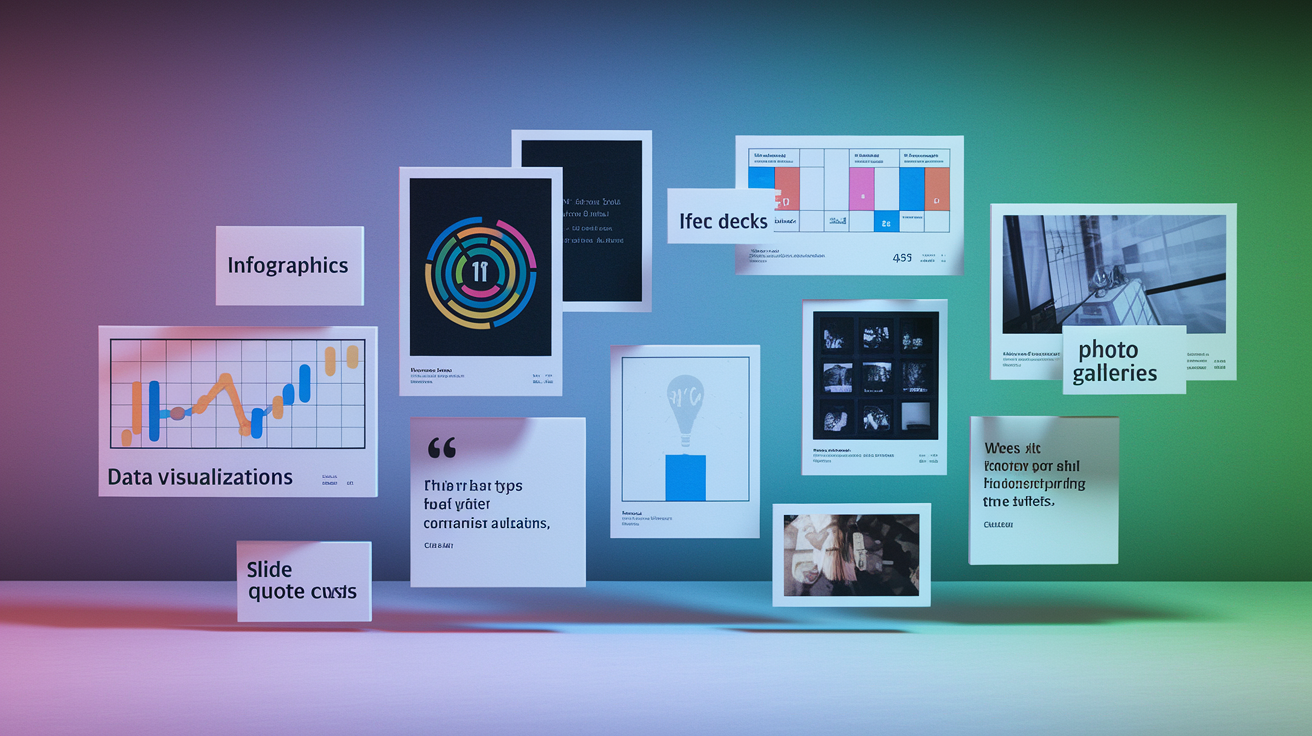
Visual content strips away text walls and delivers information through images, charts, design. Infographics work because they combine data, narrative, and design into one shareable asset. They perform especially well on Pinterest, Instagram, Reddit, where people scroll fast and stop for eye-catching visuals. A well-designed infographic summarizing “5 Steps to Better Sleep” can earn shares and backlinks without requiring readers to commit to a full article. The trade-off is production time. Infographics need design skills or access to tools like Canva, and they have to balance clarity with visual appeal.
Data visualizations answer a different need. When search queries involve statistics, trends, comparisons, charts and graphs often beat paragraphs of explanation. A query like “election results 2016” or “statistics guide” may surface pages dominated by interactive maps, bar charts, timelines. If the SERP already shows heavy use of visuals, creating your own data visualization increases your chance of ranking and earning featured-snippet placement. Slide decks and presentation formats also fit here, especially when explaining multi-step processes or analytical topics that benefit from sequential visuals.
- Infographics are single-page visual summaries combining stats, icons, minimal text for social sharing
- Data visualizations are charts, graphs, maps that interpret complex info at a glance
- Slide decks are sequential visuals walking through processes, reports, educational content
- Photo galleries are collections of images perfect for design inspiration, product showcases, visual storytelling (like “men’s hair styles”)
- Quote cards are social-ready images pairing short quotes with branded design for high engagement
Video Types of Content for Demonstration and Storytelling

Video layers audio, visuals, motion to create an experience static formats can’t match. On YouTube, the top four watched categories include comedy, music, entertainment, how-to, making tutorial and explainer videos especially strong for content marketing. A product demo can show exactly how software works. A cooking tutorial can display knife techniques frame by frame. An animated explainer can simplify abstract concepts in 90 seconds. The downside is clear. Video is one of the most expensive and time-consuming content types to produce, needing equipment, editing software, and often on-camera talent or animation skills.
Core video formats include explainer videos (short summaries of a concept or product), product demos (walkthroughs showing features and benefits), tutorials (step-by-step instructions), and screencasts (recorded screen activity with voiceover, often created using tools like Loom). Each serves a distinct purpose. A screencast works well for software onboarding or troubleshooting guides. An animated explainer might introduce a complex service in a way that feels approachable. Interviews and roundtable discussions also fall into the video category, especially when collaborating with industry experts or influencers to expand reach.
Short-form and vertical video has surged across Instagram Reels, YouTube Shorts, TikTok. These clips typically run under 60 seconds, focus on entertainment or quick value, and favor mobile-first aspect ratios. The format suits brand personality, behind-the-scenes content, quick tips, cultural moments. If your audience skews younger or spends significant time on social feeds, short-form video becomes necessary. Search engines also display video carousels for certain queries, so embedding a well-optimized video on your page can improve visibility and click-through rates.
- Explainer videos are concise summaries of products, services, concepts, often animated
- Product demos are detailed walkthroughs showing how a tool or product works in practice
- Tutorials and how-tos are step-by-step instructional videos targeting skill-building queries
- Short-form / vertical video are mobile-optimized clips under 60 seconds for social platforms
Audio Types of Content for On-the-Go Learning

Audio content lets audiences consume information while commuting, exercising, multitasking. Podcasts have become a primary format for storytelling, interviews, deep-dive discussions, with relatively low production complexity once you invest in a microphone and recording setup. Unlike video, podcast production doesn’t need lighting, sets, or on-camera presence, making it accessible for solo creators and small teams. Episodes can be distributed through podcast networks like Apple Podcasts and Spotify, embedded on your website, or repurposed into written transcripts and blog posts.
The most common podcast formats include one-on-one interviews (conversations with industry experts or customers), roundtable discussions (multiple guests exploring a topic from different angles), Q&A sessions (listener-submitted questions answered on air), and solo commentary (a single host sharing insights, news, advice). Each format offers different engagement dynamics. Interviews bring in the guest’s audience and add credibility through association. Roundtables provide diverse perspectives and can spark debate. Solo shows allow for consistent branding and tighter narrative control. Whichever format you choose, consistency in publishing schedule and audio quality matters more than perfect scripting.
- Interview episodes are one-on-one conversations with experts, customers, influencers
- Roundtable discussions are multi-guest formats exploring a topic from multiple viewpoints
- Q&A sessions are listener or community questions answered in audio format
- Solo commentary are single-host episodes sharing news, insights, educational content
Social Media Types of Content for Real-Time Engagement
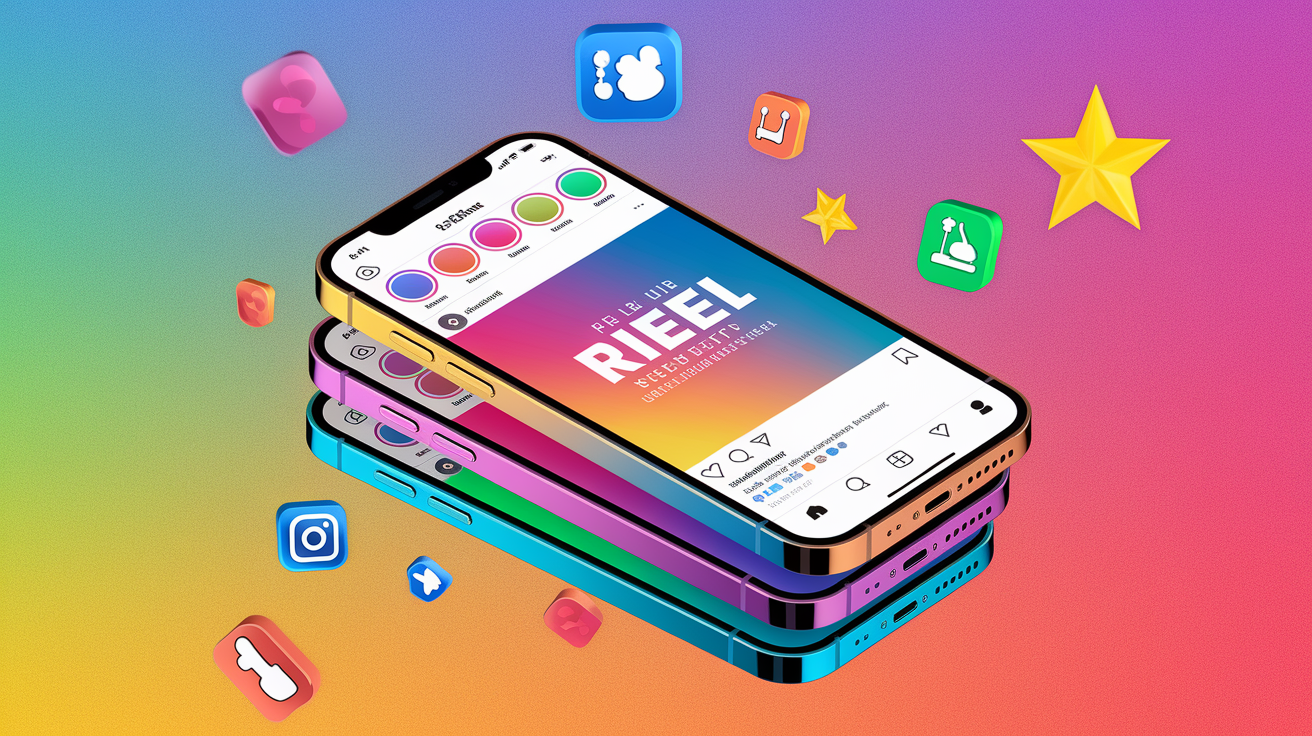
Social media content operates on speed, brevity, interaction. Modern audiences switch between two to three social networks daily, so content that performs well on one platform may need tweaks for another. Microcontent (short-form text, images, video clips) dominates feeds on Twitter, LinkedIn, Instagram, Facebook. These posts are built for quick consumption, immediate reactions, shares. They can promote longer assets (like blog posts or webinars), spark conversation, or simply keep your brand visible in followers’ daily scrolling habits.
User-generated content (UGC) includes blog comments, product photos, forum posts, social media posts, unboxing videos created by your customers rather than your brand. UGC carries the highest authenticity and social proof because it reflects real experiences. Encourage UGC by creating branded hashtags, reposting customer photos with credit, featuring testimonials in your marketing. Some brands monitor up to 30 unique Instagram hashtags over a rolling seven-day period using social analytics tools to discover and curate the best UGC. Memes combine images, video clips, or text with humor tied to cultural events. They work well for brands with a casual voice and younger audiences, but timing and relevance are critical. Posting an outdated or tone-deaf meme can backfire.
Ephemeral and real-time formats add urgency and intimacy. Instagram and Facebook Stories disappear after 24 hours, creating a low-stakes environment for behind-the-scenes content, polls, quick updates. Livestreams on YouTube, Instagram, LinkedIn, or Twitch allow real-time interaction through comments and Q&A, making them strong for product launches, interviews, community building. Both formats need less polish than permanent posts, but they demand consistency and presence to build habit among your audience.
- Microcontent posts are short-form text, images, clips optimized for feeds and quick engagement
- Reels and Shorts are vertical video clips under 60 seconds for Instagram, YouTube, TikTok
- Stories are ephemeral 24-hour posts for behind-the-scenes updates and polls
- Livestreams are real-time video broadcasts with live chat and audience interaction
- User-generated content is customer photos, reviews, unboxing videos, social mentions
- Memes are image or video humor tied to trending cultural moments
Conversion-Oriented Types of Content for Leads and Sales
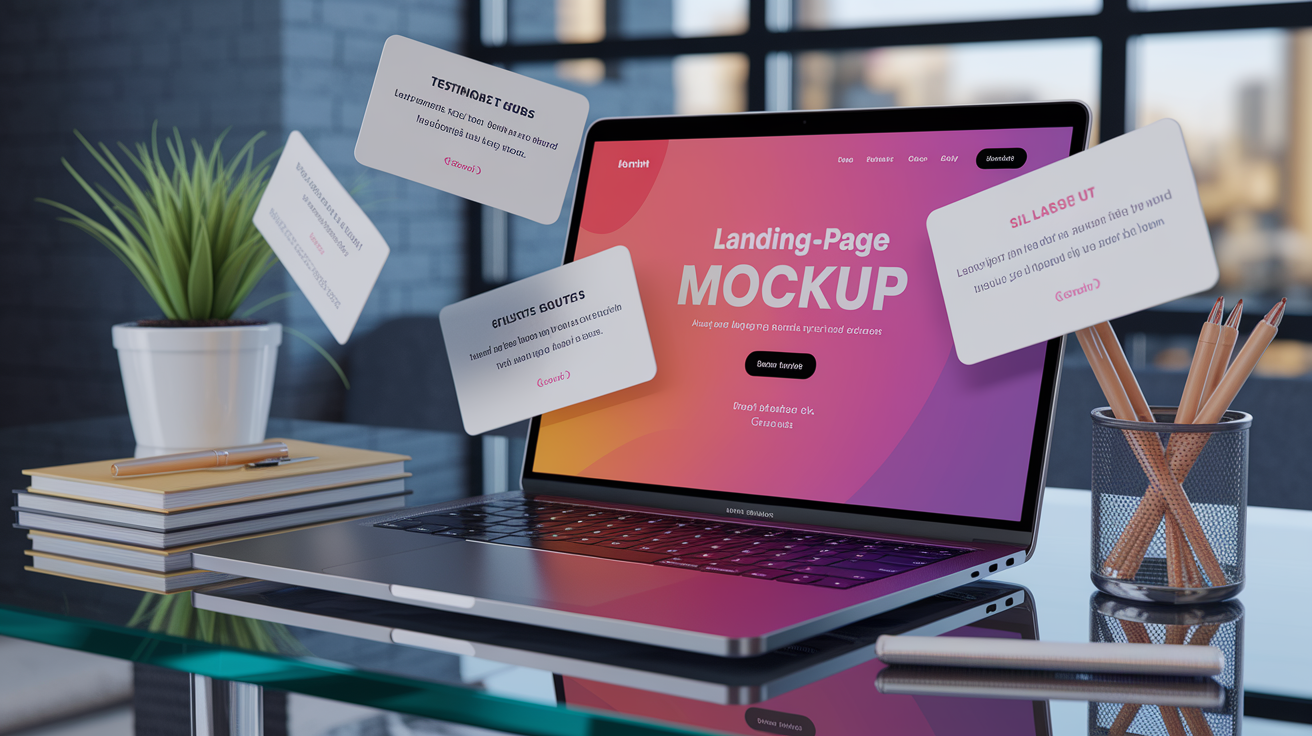
Testimonials and customer reviews are trust-building formats that directly influence purchase decisions. Formal testimonials suit B2B and SaaS companies, often featuring quotes from executives or case-study-style narratives. Customer reviews suit B2C and ecommerce brands, where high quantity and quality of reviews improve local search visibility, including placement in map results. Encourage reviews by following up after purchase, offering simple review links, showcasing top reviews on product pages and marketing materials.
Landing pages and product or service pages blend education with conversion design. A landing page typically focuses on a single offer (downloading an ebook, registering for a webinar, starting a free trial) and removes navigation distractions to guide the visitor toward one action. Product and service pages provide detailed descriptions, feature lists, pricing, trust signals like reviews and guarantees. Both rely on clear value propositions, scannable layouts, smart placement of calls to action. When combined with retargeting ads and email nurture sequences, these pages become central hubs for lead generation and sales.
Decision-stage content often mixes formats. A visitor might land on a product page, watch an embedded demo video, scroll through customer testimonials, download a comparison guide, all in one session. The goal is to remove friction and answer objections the moment they arise. Success stories and case studies also fit this stage, especially when they include measurable outcomes like “reduced costs by 30%” or “increased conversions by 50%.” These narratives provide social proof and help buyers visualize their own success.
| Format | Conversion Role |
|---|---|
| Testimonials | Build trust through quotes and endorsements from real customers |
| Customer reviews | Provide social proof and improve local search visibility |
| Landing pages | Focus visitor attention on a single offer with minimal distractions |
| Product/service pages | Educate and persuade with detailed features, benefits, trust signals |
Interactive Types of Content for Deeper User Engagement

Interactive content invites participation rather than passive consumption. Calculators, quizzes, checklists, templates deliver immediate, personalized value. A property-price calculator ranks in search results for queries like “property prices” because it solves a user’s problem on the spot. A quiz titled “Which Marketing Strategy Fits Your Business?” can segment leads based on their answers and deliver tailored recommendations. Interactive content often earns backlinks naturally because it provides utility static pages can’t match, and it can serve as a strong lead magnet when gated or paired with email capture.
From a search perspective, interactive tools align with SERP features like widgets and instant answers. If a query already shows a calculator or interactive map in the results, creating your own version increases the chance of ranking. Interactive content also keeps visitors on the page longer, reducing bounce rates and signaling engagement to search engines. The production investment is higher than a blog post, needing design, development, ongoing maintenance, but the payoff in user experience, backlinks, and lead quality can justify the cost.
- Calculators are tools that compute personalized results based on user inputs (mortgage, calorie, pricing calculators)
- Quizzes are question-based experiences delivering tailored outcomes and segmenting audiences
- Free tools are checklists, templates, spreadsheets, generators solving specific problems
- Augmented and virtual experiences are AR product previews or VR tours that immerse users in a branded environment
Strategic Types of Content for Planning and Optimization

Strategic content formats support the planning, production, optimization of everything else. A content calendar maps out publishing schedules, themes, deadlines, ensuring consistent output and alignment with seasonal opportunities like November and December holiday campaigns. Content workflows document the steps from idea generation to publication, clarifying roles, approval processes, quality checks. Editorial guidelines and governance documents set standards for voice, style, formatting, compliance, especially important for larger teams or regulated industries.
Optimization assets include SEO metadata templates, content audit spreadsheets, performance dashboards. Metadata templates ensure every blog post, video, landing page includes optimized titles, descriptions, schema markup. Content audits evaluate existing assets using metrics like traffic, engagement, conversion rates, identifying high performers to update and low performers to retire or consolidate. Audits also reveal content gaps, topics or formats missing from your library that competitors rank for or that audience research suggests would perform well.
Analytics and reporting tie strategy to results. Topic research tools surface metrics like subtopic volume (monthly searches for related terms), keyword difficulty rated on a 0 to 100 scale, topic efficiency (volume relative to competition), related searches. Social analytics platforms support post scheduling, competitive tracking, influencer discovery (filtering by topic, audience size, country), media monitoring, content idea generation. Together, these tools help marketers identify what to create, when to publish, how to measure success. The feedback loop between content performance and strategy adjustments is what turns one-off campaigns into scalable, repeatable systems.
Final Words
You now have a clear map of the 17-format landscape and why different formats matter: written pieces for SEO and research, visuals for shareability, video for demos and storytelling, audio for on-the-go learning, social for real-time engagement, conversion content to build trust, interactive tools for leads, and strategy assets to plan and measure.
Pick the formats that match your audience and buyer stage, track what works, and iterate.
With clear choices around types of content, you’ll make more useful work that grows over time.
FAQ
Q: What are the main types of content?
A: The main types of content are written (blogs, ebooks), visual (images, infographics), video (demos, short-form), audio (podcasts), and interactive/social (quizzes, social posts).
Q: What are the 7 types of social media?
A: The seven types of social media are social networks, short-post platforms, photo-sharing sites, video-sharing platforms, messaging apps, forums/review sites, and livestreaming services.