

Do you find yourself squinting to read a text or holding your phone at arm’s length more often?
Small habits like that are usually the first clue your eyes are changing.
This post lays out the common signs you may need glasses, from distance or near blur to headaches and eye strain.
You’ll learn what each sign often means, how to check at home, and when you should see an eye doctor for an exam.
Key Early Indicators That Suggest You May Need Glasses
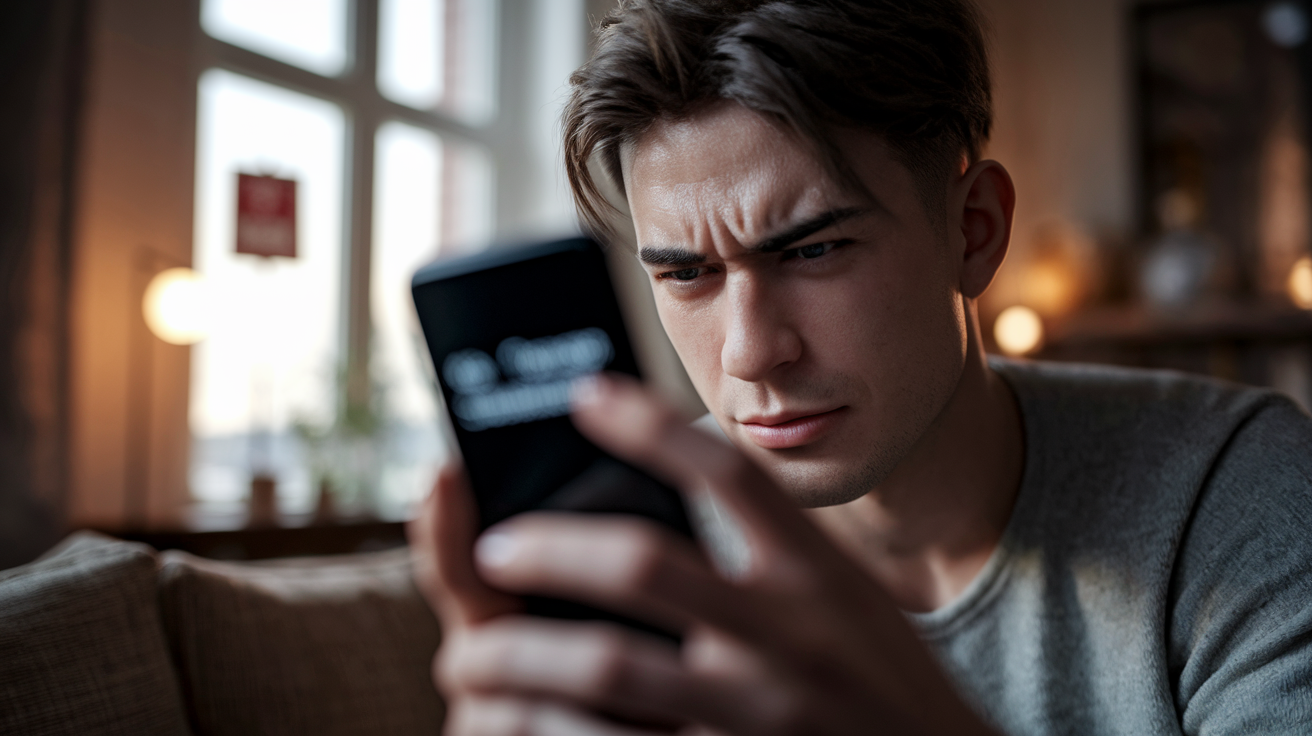
The most common signs that you need glasses pop up in everyday moments. Trouble reading a text message. Squinting at a street sign. Your eyes feel tired after watching a show. These symptoms creep up gradually, so you might not realize your vision’s changed until something becomes noticeably harder.
If you’ve had any of these signs for more than two weeks, consider an eye exam. Lots of people brush off early symptoms, thinking they’re just tired or staring at screens too much. Sometimes that’s true. But persistent changes usually mean your eyes need help focusing light correctly onto the retina.
Timing and pattern matter. Headaches that start after 30 to 60 minutes of reading or screen work are a classic red flag. Same with eye strain that kicks in after 20 to 40 minutes without a break. If you’re squinting several times an hour, holding your phone closer than 10 to 20 centimeters from your face, or struggling to see road signs that used to be clear, your eyes are working too hard to compensate for blurred focus.
Here are the most common early signs:
Blurred vision at a distance. Road signs, TV screens, or whiteboards look fuzzy.
Blurred vision up close. Menus, phone text, or book pages are hard to read.
Frequent squinting. You narrow your eyes to sharpen focus, sometimes without realizing it.
Headaches after visual tasks. Pain around the forehead or brow that follows reading or screen time.
Eye strain or tired eyes. A burning, heavy feeling during or right after close work.
Needing brighter light or holding material farther away. Especially for reading small print.
Trouble seeing at night. Halos around headlights, difficulty reading signs in dim light, or longer recovery time after bright lights.
Words or objects appear fuzzy or doubled. Text edges blur together or you see ghost images.
Understanding Vision Changes and What Causes the Need for Glasses
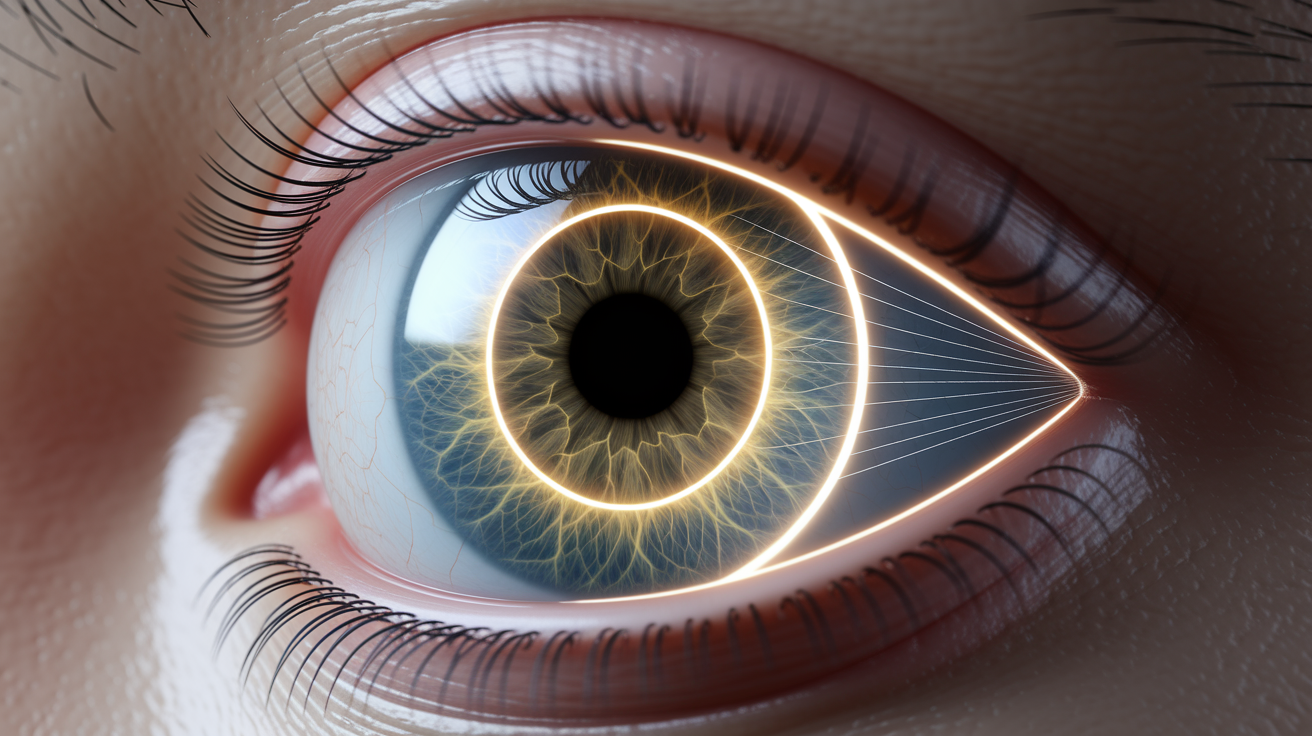
Your eye works like a camera. Light enters through the cornea, passes through the lens, and focuses on the retina at the back of the eye. The retina sends signals to your brain, which turns them into the images you see. When the shape of your eye or the curve of your cornea or lens is slightly off, light doesn’t land exactly where it should. That mismatch causes blur. Glasses correct it by bending light back to the right spot.
Vision clarity is measured with a fraction like 20/20 or 20/40. If your vision is 20/40, it means you need to stand 20 feet away to see what someone with normal vision sees at 40 feet. Once your vision drops below 20/40, everyday activities like driving, watching TV, or reading signs become harder. That’s usually when people benefit from corrective lenses.
Vision changes happen for a few reasons. In children and teens, the eyeball often grows longer than it should, causing nearsightedness that can progress by about 0.50 diopter each year during school age. Adults in their 40s start losing the ability to focus up close because the lens inside the eye becomes less flexible. This age-related shift is called presbyopia. It’s why so many people suddenly need reading glasses around age 40 to 45. Glasses help by taking over the focusing work your eye can’t do as easily anymore.
Common Conditions Behind These Signs (Myopia, Hyperopia, Astigmatism, Presbyopia)
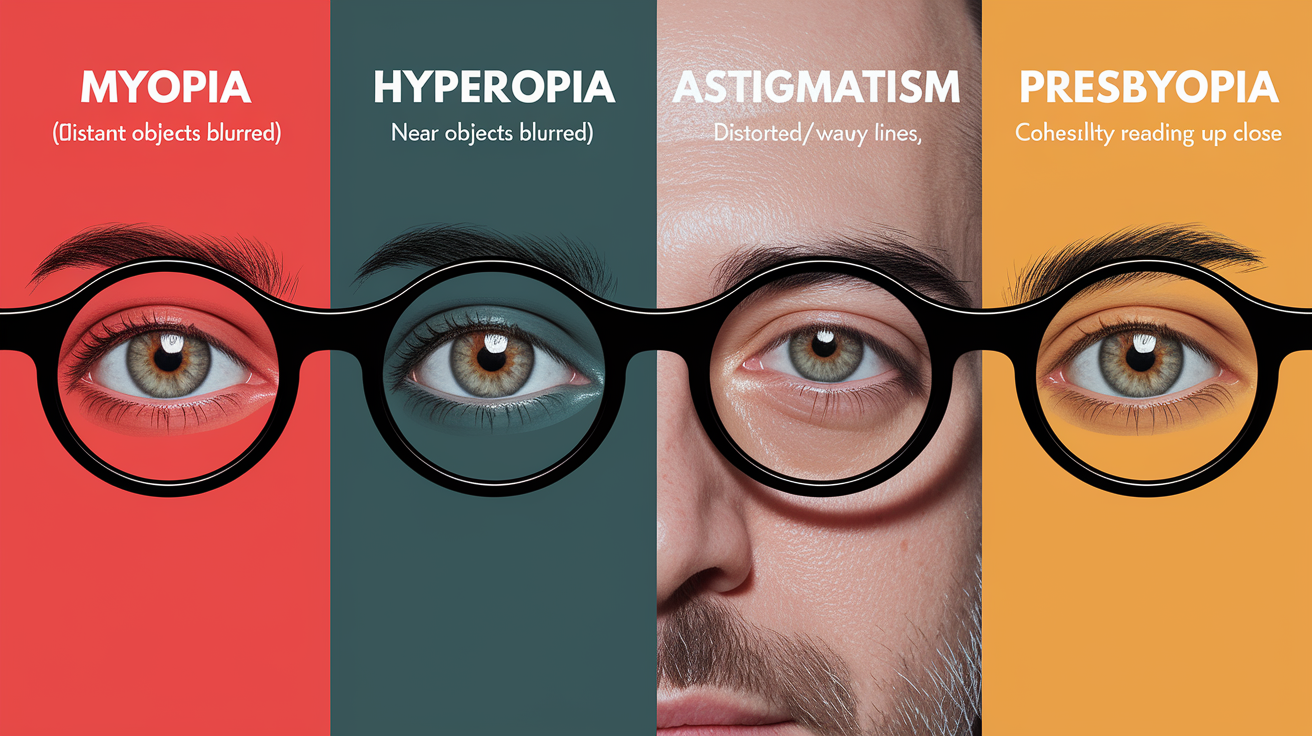
The four main refractive errors account for most “I need glasses” symptoms. Each one has a typical age pattern and a set of signs that point to it.
Myopia
Myopia, or nearsightedness, means distant objects look blurry while things up close stay sharp. It usually shows up in childhood or the teen years and often gets worse until the early 20s. Kids with myopia squint at the board at school or sit close to the TV. Adults notice trouble reading street signs or recognizing faces across a room. High myopia increases the risk of retinal problems later in life, so regular eye exams are especially important if your prescription is steep.
Hyperopia
Hyperopia, or farsightedness, is the opposite. Near tasks are harder than distance vision, though in mild cases your eyes can compensate, at least when you’re younger. The telltale signs are headaches during or after reading, eye strain with close work, and blurry text when you look at a book or phone for more than a few minutes. Some people with hyperopia see reasonably well at a distance and don’t realize they’re farsighted until the near blur becomes obvious.
Astigmatism
Astigmatism happens when the cornea or lens has an irregular curve, more like a football than a basketball. Light focuses unevenly, so vision is distorted or wavy at any distance. You might see ghost images around letters, have trouble with night driving because headlights look blurry or stretched, and find yourself squinting constantly to sharpen the edges of objects. Astigmatism often occurs alongside myopia or hyperopia.
Presbyopia
Presbyopia is age-related near-vision loss. Around age 40 to 45, the lens inside your eye loses flexibility and can’t change shape as easily to focus on close objects. The classic sign is holding a menu or your phone at arm’s length to read it. Small print becomes a struggle, and you need brighter light for tasks that used to be easy. Presbyopia happens to nearly everyone eventually. It’s corrected with reading glasses, bifocals, or progressive lenses that offer multiple focal zones in one lens.
| Condition | Typical Age Range | Primary Symptoms |
|---|---|---|
| Myopia | Childhood to early 20s | Distance blur, squinting, difficulty reading signs |
| Hyperopia | Any age, often noticed in 30s–40s | Near blur, headaches with reading, eye strain |
| Astigmatism | Any age | Distorted/wavy vision, poor night vision, constant squinting |
| Presbyopia | Starts around 40–45 | Difficulty reading up close, needing to hold material farther away |
Signs in Children and Teens That May Indicate They Need Glasses

Kids don’t always realize their vision is blurry because they assume everyone sees the way they do. Instead of complaining about blur, they show it through behavior. Watch for signs like squinting, sitting unusually close to the TV or computer, tilting the head to one side, closing one eye to read, or losing their place on the page. Children who bump into things often, seem clumsy during play, or complain of headaches after homework may be struggling with uncorrected vision.
School performance can also be a clue. If a child who used to keep up suddenly falls behind, especially in reading or tasks that require seeing the board, blurry vision might be part of the problem. Some kids rub their eyes frequently, not because they’re tired, but because their eyes feel strained. Even if your child passes a school vision screening, those quick checks sometimes miss issues. A comprehensive eye exam is the best way to know for sure.
The recommended schedule for children’s eye exams is once between 6 months and their first birthday, again between ages 3 and 5, and then every one to two years once they start school. If you notice any of these behaviors, don’t wait for the next scheduled check-up.
Squinting or closing one eye frequently. Sitting very close to screens or holding books unusually close. Tilting the head or covering one eye to see better. Complaining they can’t see the board or TV clearly. Losing their place while reading or using a finger to track lines. Clumsiness, bumping into objects, or trouble with sports that require tracking a ball.
When These Symptoms Suggest Something Other Than Needing Glasses
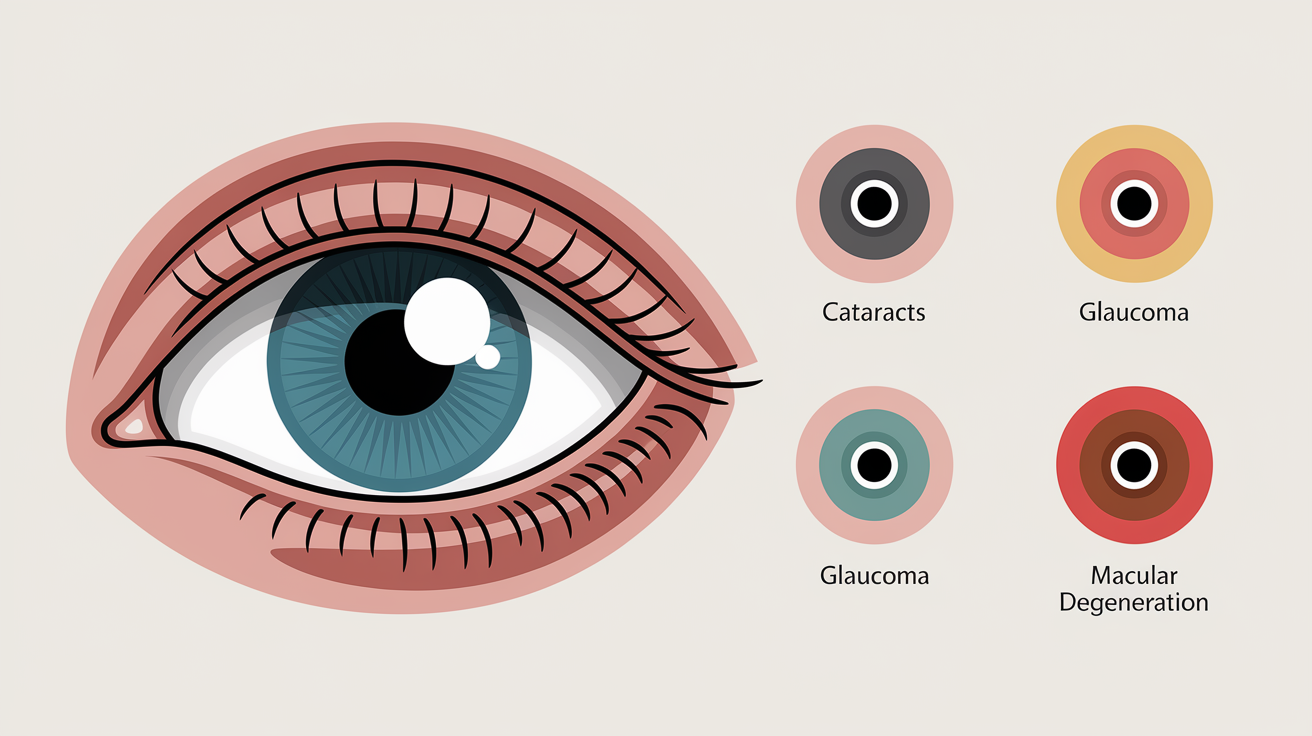
Not every vision problem is fixed with a new prescription. Some symptoms that look like typical blur are actually signs of other eye conditions or health issues. Dry eye, for example, can cause fluctuating vision that improves after blinking or using artificial tears. If your eyes feel gritty, burn, or water a lot, and the blur comes and goes, dry eye might be the real issue.
Cataracts cause progressive cloudiness in the lens, especially after age 60. You’ll notice more glare and halos around lights, colors may seem faded, and vision gets hazier over months or years. Glaucoma often has no symptoms early on, but it damages peripheral vision first. Macular degeneration affects central vision, so straight lines look wavy or you see a blank spot in the middle of your field of view. Retinal detachment is an emergency. It can show up as sudden flashes of light, a shower of new floaters, or a curtain or shadow moving across your vision.
If you experience any of the following, get urgent or emergency care. These are not “wait and see” symptoms.
Sudden partial or total vision loss. A sudden increase in floaters or repeated flashes of light. A curtain, veil, or shadow across part of your vision. Severe eye pain, especially with nausea or vomiting.
At-Home Self-Checks to Help You Identify Vision Issues
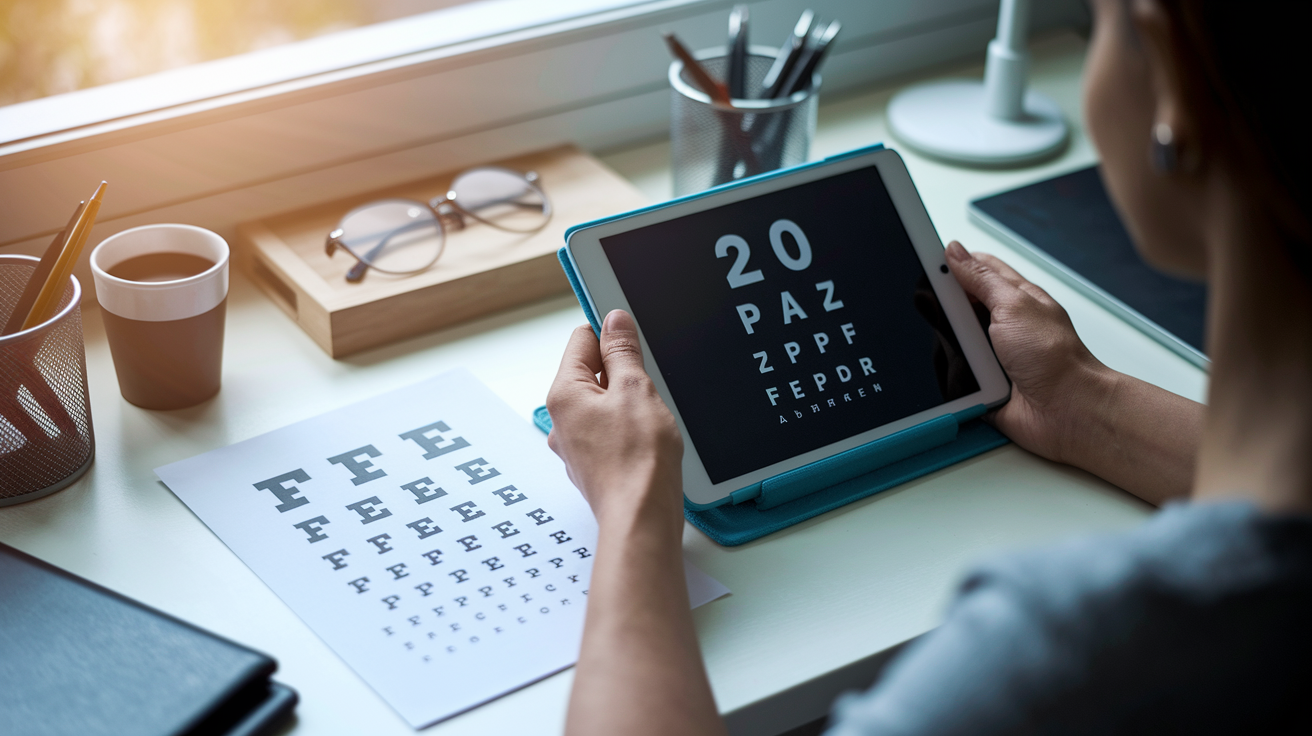
You can do simple checks at home to get a rough sense of whether your vision has changed, but these aren’t substitutes for a professional eye exam. They can help you decide if it’s time to schedule one.
One useful habit is the 20-20-20 rule. Every 20 minutes, look at something 20 feet away for 20 seconds. This gives your eye muscles a break and reduces digital eye strain. If you notice your vision stays blurry even after a break, or if you’re squinting more than usual during screen time, it’s worth checking in with an eye care professional.
An Amsler grid is a simple tool to check for distortions in your central vision. It’s a square grid with a dot in the center. Cover one eye, look at the dot, and see if any of the lines appear wavy, missing, or blurry. If they do, that can be a sign of macular issues and you should see a doctor soon.
Here are a few other self-checks you can try.
Print a standard eye chart with 20/40 and 20/20 lines and test each eye separately from the correct distance, usually 10 or 20 feet depending on the chart. Pay attention to how long symptoms last. If blur, headaches, or eye strain happen most days for more than two weeks, schedule an exam. Note when symptoms occur. Do they start after 30 minutes of reading? After an hour of screen time? Do they happen at night or in bright light? Track whether squinting helps. If narrowing your eyes sharpens your vision temporarily, that’s a classic sign of refractive error. Check if you’re holding your phone or a book closer than normal, or if you’ve started needing more light to read comfortably.
How to Use a Simple Printed or App-Based Eye Chart
Set up the chart at the recommended distance, usually 10 feet for a home version or 20 feet for a full-size chart. Make sure the room is well lit, but avoid glare on the chart. Cover one eye gently with your hand or a piece of paper, without pressing on the eye. Read the smallest line you can see clearly. Then switch eyes and repeat. If you can’t read the 20/40 line, or if one eye is noticeably worse than the other, it’s time for a professional exam.
When to Book an Eye Exam and How Often You Should Go
Most adults should have a comprehensive eye exam every one to two years, even if vision seems fine. If you wear contact lenses or have chronic conditions like diabetes or high blood pressure, annual exams are usually recommended. For children, the timeline is a bit different. An exam around 6 months, another between ages 3 and 5, and then before starting school, followed by every one to two years unless a problem is found.
Once you reach age 60, annual exams become more important. The risk of cataracts, glaucoma, and macular degeneration increases with age, and early detection makes a big difference in treatment outcomes. If you have a family history of eye disease, your doctor may recommend more frequent visits starting earlier.
New symptoms should prompt an earlier appointment. If you notice any of the signs we’ve covered, especially if they’ve lasted more than two weeks, don’t wait for your next routine exam. Sudden changes in vision, new flashes or floaters, severe eye pain, or double vision require immediate attention. Call your eye doctor right away, or go to urgent care or an emergency room if the office is closed.
Glasses, Lens Types, and What They Mean for Your Symptoms
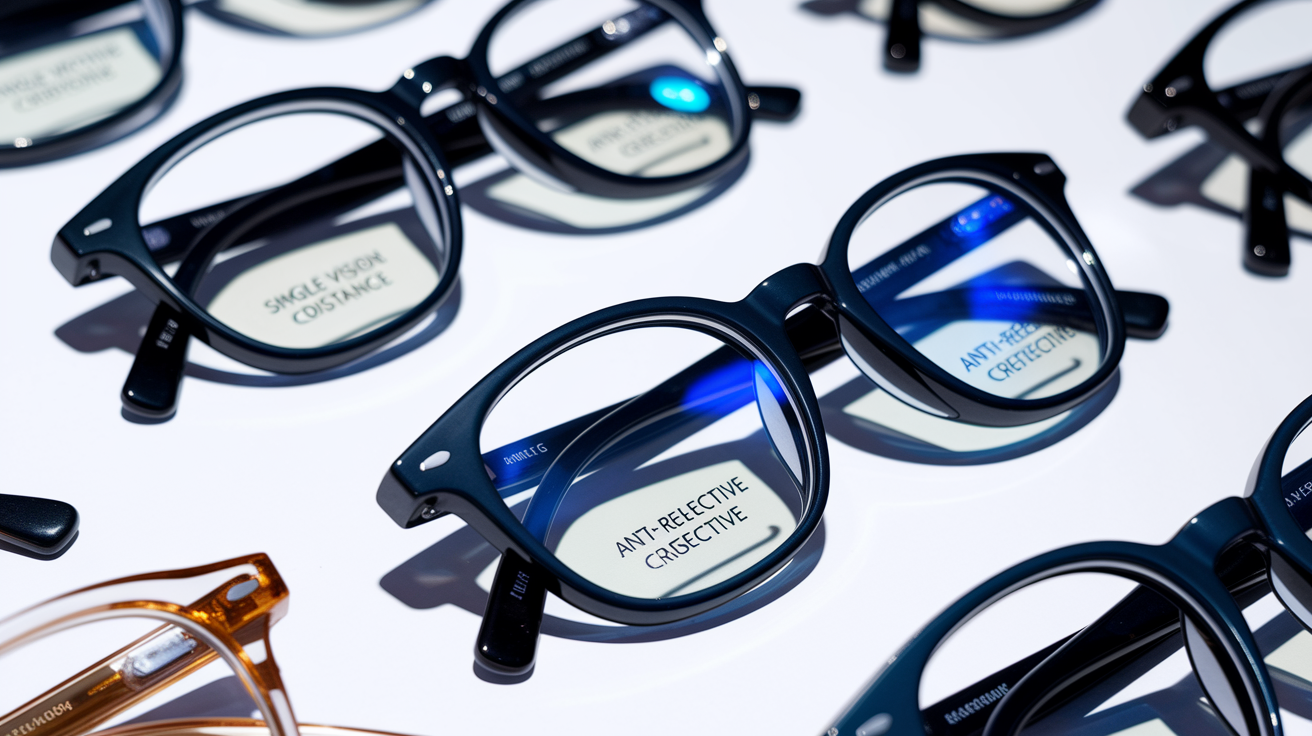
Once you know you need glasses, the next step is choosing the right lenses for the symptoms you’re experiencing. Single-vision lenses correct one type of problem, either distance or near vision. If you have trouble reading street signs but see your phone clearly, single-vision lenses for distance will help. If reading up close is the issue and you’re over 40, reading glasses with single-vision near correction are usually the answer.
Progressive lenses are designed for people who need help with both distance and near vision, especially those with presbyopia. They have multiple focal zones blended into one lens, so you can look through the top for distance, the middle for intermediate tasks like a computer screen, and the bottom for reading. There’s no visible line, unlike old-style bifocals. The downside is they take a little getting used to. Most people adjust within one to two weeks, though it can take up to four weeks if you’ve never worn progressives before.
Anti-reflective coatings reduce glare and halos, which is especially helpful if you have trouble with night driving or work under bright lights. Blue light filters are popular, but they don’t prevent eye disease. Some people feel they reduce digital eye strain, but the evidence is mixed. If you spend a lot of time on screens and notice less discomfort with a blue light filter, it’s a low-risk option to try.
| Lens Type | Best For | Common Symptom It Helps |
|---|---|---|
| Single-vision (distance) | Myopia, astigmatism | Blurry street signs, TV, or distant objects |
| Single-vision (near/reading) | Presbyopia, mild hyperopia | Difficulty reading menus, phone text, or books |
| Progressive/multifocal | Presbyopia with distance needs | Blur at multiple distances, needing to switch glasses |
| Anti-reflective coating | Anyone, especially night drivers | Glare, halos around lights, eye strain from reflections |
Final Words
If you’re squinting, seeing words go fuzzy, or getting headaches after reading, this post walked you through the common clues that point to a vision change.
We covered how refractive errors like nearsightedness, farsightedness, astigmatism, and presbyopia create those symptoms, what to notice in kids, and which signs need faster care.
You also learned simple at-home checks, when to book an eye exam, and how different lenses can help.
If the signs you need glasses match your experience, scheduling an eye exam is a helpful next step.
FAQ
Q: How do you know if you need glasses?
A: You know you may need glasses if you have distance or near blur, frequent squinting, headaches after reading, eye strain with screens, or fuzzy words lasting more than two weeks.
Q: What is the 30 30 30 rule for eyes?
A: The 30 30 30 rule for eyes is taking a 30-second break every 30 minutes to look at something about 30 feet away to help reduce digital eye strain.
Q: Does Taylor Swift have bad eyesight?
A: Taylor Swift has been seen wearing glasses and contacts, so she likely uses vision correction; only she or her clinician can confirm whether she has a vision problem or its severity.
Q: Do glasses fix astigmatism?
A: Glasses correct astigmatism by using cylindrical lenses to refocus light, improving distorted or wavy vision; they do not permanently change the eye’s shape.