


What if the tiredness and extra bathroom trips you shrug off are early signs of diabetes?
Many women blame these changes on stress, hormones, or getting older.
But early high blood sugar often starts quietly and can affect thirst, sleep, vision, wounds, and even vaginal or urinary health.
This post lays out the common, subtle warning signs women miss, explains why they happen, and gives clear steps on when to test or get care so you can catch problems early and protect your health.
Key Early Diabetes Symptoms Women Should Recognize

When blood glucose climbs too high, it starts affecting every system in your body. The earliest warnings often show up weeks or even months before anyone thinks to test your blood sugar. A lot of women chalk up fatigue or extra bathroom trips to stress, getting older, or just being busy. But these can be real, tangible signs that your body’s losing the ability to keep sugar in check.
Type 1 diabetes tends to announce itself fast. Your pancreas stops making insulin almost overnight, so symptoms can appear within a few weeks and they’re hard to miss. Type 2 is sneakier. It builds slowly over years, letting subtle changes slide into your routine until they feel normal and you don’t notice the pattern anymore.
Frequent urination is one of the most reliable early markers, especially if you’re waking up multiple times every night. When blood sugar gets too high, your kidneys go into overdrive trying to flush out the excess glucose. That pulls extra water along, leaving you thirsty no matter how much you drink. The combination of constant thirst and urination that messes with your sleep or daily schedule is often what finally gets someone to the doctor.
Other common early signs? Losing weight even though you’re eating the same amount or more. Fatigue that doesn’t get better with rest. Vision that goes blurry and then clears up randomly. Dry skin that cracks easily. Cuts or bruises that take weeks longer than they should to heal. Numbness or tingling in your hands or feet.
If you’re over 40, your baseline risk is higher. And if diabetes runs in your family or you had gestational diabetes in the past, these patterns deserve even closer attention.
Symptoms that stick around for more than a few weeks or keep getting worse? Book an appointment with your primary care provider as soon as they have availability. If symptoms appear suddenly within days (extreme thirst, constant urination, rapid weight loss, severe exhaustion), especially with nausea, vomiting, or confusion added in, you need urgent evaluation. Catching things early can stop serious complications that become much harder to reverse once they set in.
Top signs to watch for:
- Urinating way more often than usual, including several times during the night
- Constant thirst that drinking doesn’t satisfy
- Feeling exhausted or weak even after solid sleep
- Losing weight without trying, despite eating normally or more
- Vision that becomes blurry or shifts throughout the day
- Cuts, sores, or bruises that heal slowly or seem stuck for weeks
Women‑Specific Diabetes Symptoms Affecting Reproductive and Sexual Health
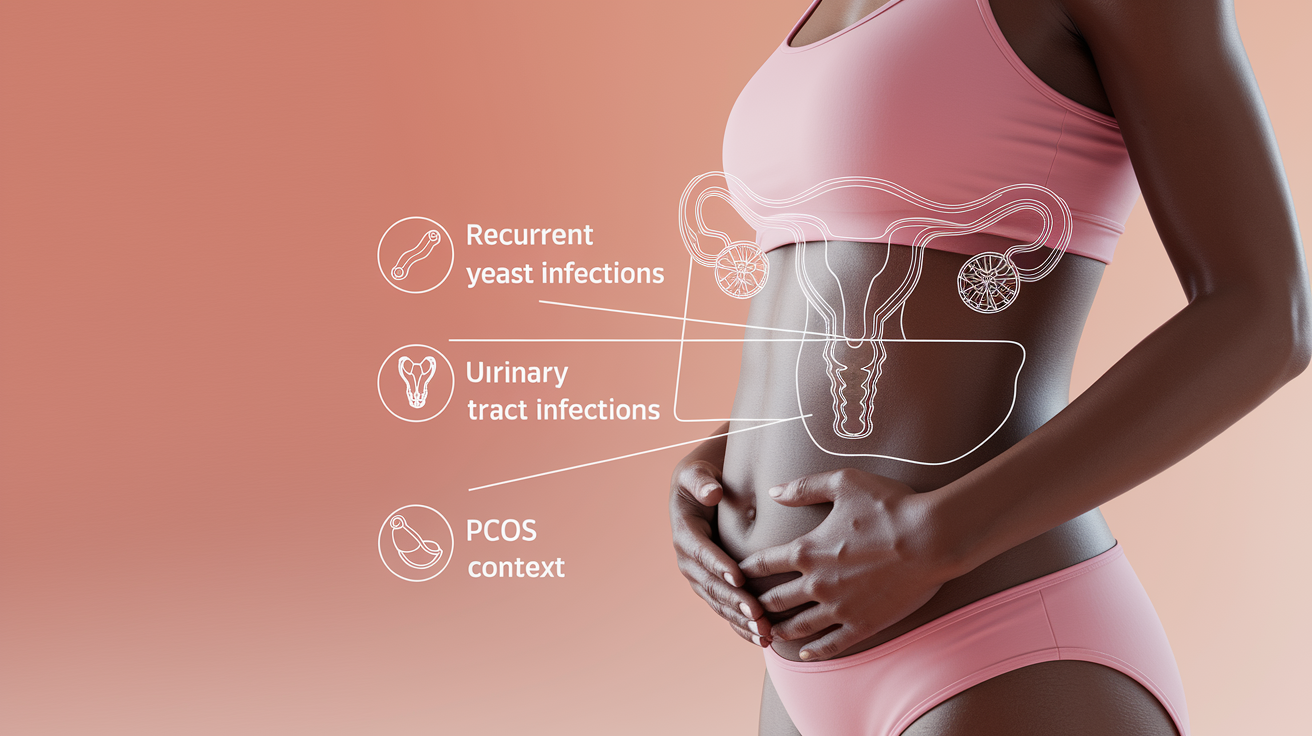
High blood sugar creates conditions that encourage infections and throw off your hormonal balance. The symptoms are things a lot of women deal with but rarely link back to diabetes.
Recurrent vaginal yeast infections are one of the most common yet overlooked signs. Elevated glucose in vaginal tissue gives yeast extra fuel to grow, and your body’s defenses get weaker when blood sugar stays high. If you’re getting three or more yeast infections in a year, ask your doctor to screen for diabetes, especially if antifungal treatments only help temporarily.
Urinary tract infections follow the same pattern. Around 60 percent of women will have at least one UTI in their lifetime, but repeated infections within a few months can mean glucose levels are high enough to encourage bacterial growth.
Sexual and menstrual health shift when diabetes develops too. Many women notice heavier or longer periods, cycles that become less predictable, or fertility challenges that weren’t there before. Blood sugar swings interact with estrogen and progesterone, creating unpredictable hormone surges or drops that affect cycle timing and flow. Sexual desire often decreases, partly because vaginal dryness and discomfort from nerve changes make intimacy uncomfortable or painful. These effects tend to get worse after menopause, when estrogen naturally declines and diabetes compounds the dryness and thinning of vaginal tissue.
Women with polycystic ovary syndrome face compounded risk. PCOS already involves insulin resistance, irregular cycles, and higher baseline inflammation. More than half of women with PCOS are diagnosed with Type 2 diabetes by age 40. If you have PCOS and start noticing increased thirst, urination, or recurrent infections, those symptoms should prompt immediate glucose testing rather than waiting for your annual checkup.
Why High Blood Sugar Increases Genital and Urinary Infections
Glucose that spills into urine and vaginal secretions acts as a direct food source for bacteria and yeast. Normally, your immune system and local tissue defenses keep these microbes in check. But sustained high blood sugar impairs white blood cell function and reduces your body’s ability to mount a fast, effective immune response.
That combination means infections take hold more easily, linger longer, and return more quickly after treatment. Women who treat recurrent yeast or urinary infections without checking blood sugar can go months or years without realizing the root cause, allowing glucose levels to climb and organ damage to begin silently in the background.
Differences in Type 1 vs. Type 2 Diabetes Presentation in Women
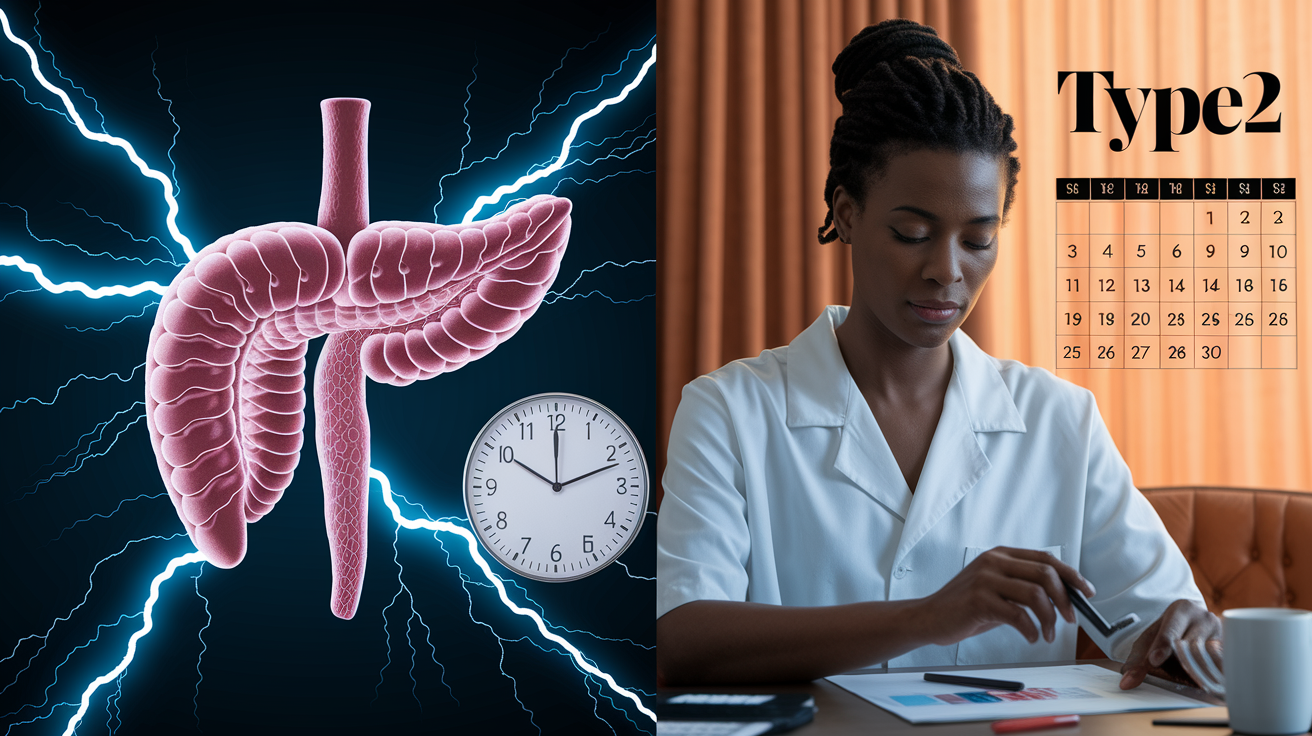
Type 1 diabetes develops when your immune system destroys the insulin producing cells in your pancreas, leaving your body unable to regulate blood sugar on its own. Symptoms typically arrive fast, within a few weeks, and include extreme thirst, frequent urination, rapid unintentional weight loss, severe fatigue, and sometimes nausea or fruity smelling breath. The speed and intensity make Type 1 hard to ignore. Most people seek medical care quickly once symptoms become disruptive.
Type 2 diabetes unfolds gradually as cells become resistant to insulin and your pancreas struggles to keep up with demand. Early symptoms may be so mild that women dismiss them as normal parts of aging, stress, or hormonal shifts tied to pregnancy or menopause. A woman who urinates more at night might assume it’s related to drinking tea before bed or pelvic floor changes after childbirth, especially if she’s in her forties or fifties. Vision that blurs occasionally might seem like a sign it’s time for reading glasses.
That slow build allows years to pass before someone realizes blood sugar has been climbing steadily in the background.
| Type | Onset Speed | Common Early Signs |
|---|---|---|
| Type 1 | Rapid (weeks) | Extreme thirst, frequent urination, sudden weight loss, severe fatigue, nausea |
| Type 2 | Gradual (months to years) | Mild increased thirst, urination, fatigue, blurred vision, recurrent infections |
Diabetes Symptoms During Pregnancy and Postpartum

Pregnancy naturally increases urination frequency, fatigue, and appetite, which can mask early signs of gestational diabetes. Blood sugar that rises during pregnancy but wasn’t high before signals that your body can’t keep up with the insulin demands of supporting a growing baby.
Many women feel only slightly more thirsty or tired than they expect during pregnancy, and symptoms often go unnoticed until routine screening catches elevated glucose levels. Left undetected, gestational diabetes raises the risk of high blood pressure, premature birth, and babies born larger than expected, which can lead to difficult deliveries and low blood sugar in the newborn right after birth.
Women who develop gestational diabetes are also at significantly higher risk of developing Type 2 diabetes later in life, especially after age 40 or if weight increases postpartum. The oral glucose tolerance test given between 24 and 28 weeks of pregnancy is the standard screening tool, but some providers order earlier testing for women with risk factors like obesity, a family history of diabetes, or a prior pregnancy affected by gestational diabetes.
After delivery, blood sugar often returns to normal. But that doesn’t erase the underlying risk. Postpartum follow up testing at six to twelve weeks and again annually is recommended to catch any progression toward Type 2 diabetes early.
Key warning signs for pregnant women:
- Extreme thirst that doesn’t ease even when drinking plenty of water
- Urinating much more often than typical pregnancy frequency
- Persistent fatigue that feels heavier than normal pregnancy tiredness
- Recurrent yeast infections or urinary tract infections during pregnancy
- Blurred vision or sudden vision changes not explained by fluid retention
Understanding General and Long‑Term Complications of Diabetes in Women

Uncontrolled blood sugar damages blood vessels, nerves, and organs over time. Women face higher relative risks for several serious complications.
Heart disease is the most concerning. Women with diabetes are four times more likely to develop heart disease compared to women without diabetes, while men with diabetes face roughly twice the risk of men without the condition. After a heart attack, women with diabetes also tend to have worse outcomes and longer recovery periods. That elevated cardiovascular risk makes early symptom recognition and tight blood sugar management especially urgent for women.
Vision problems progress silently in many cases. Diabetic retinopathy damages the small blood vessels in the retina. Early stages produce no noticeable symptoms until significant harm has occurred. Blurred vision that improves or worsens with blood sugar swings is an earlier warning, but by the time vision loss becomes permanent, the damage is often irreversible.
Women with diabetes also face higher rates of chronic kidney disease, which begins with no symptoms and advances to the point where dialysis or transplant becomes necessary if blood sugar and blood pressure remain uncontrolled. Nerve damage, or neuropathy, commonly causes numbness, tingling, or burning pain in the feet and hands. And women with diabetes have higher reported rates of depression, which can make symptom management and self care more difficult.
Foot problems develop when neuropathy reduces sensation and small injuries go unnoticed. A blister or cut that would normally heal in days can turn into a non healing ulcer that becomes infected, sometimes requiring hospitalization or even amputation in severe cases. Regular foot checks and prompt treatment of any sores or redness are critical once diabetes is diagnosed.
Complications women face disproportionately:
- Four times higher risk of heart disease and worse outcomes after cardiac events
- Increased risk of blindness from diabetic retinopathy
- Higher rates of chronic kidney disease requiring dialysis
- Elevated risk of depression following diabetes diagnosis
Diagnostic Testing and What Women Should Expect
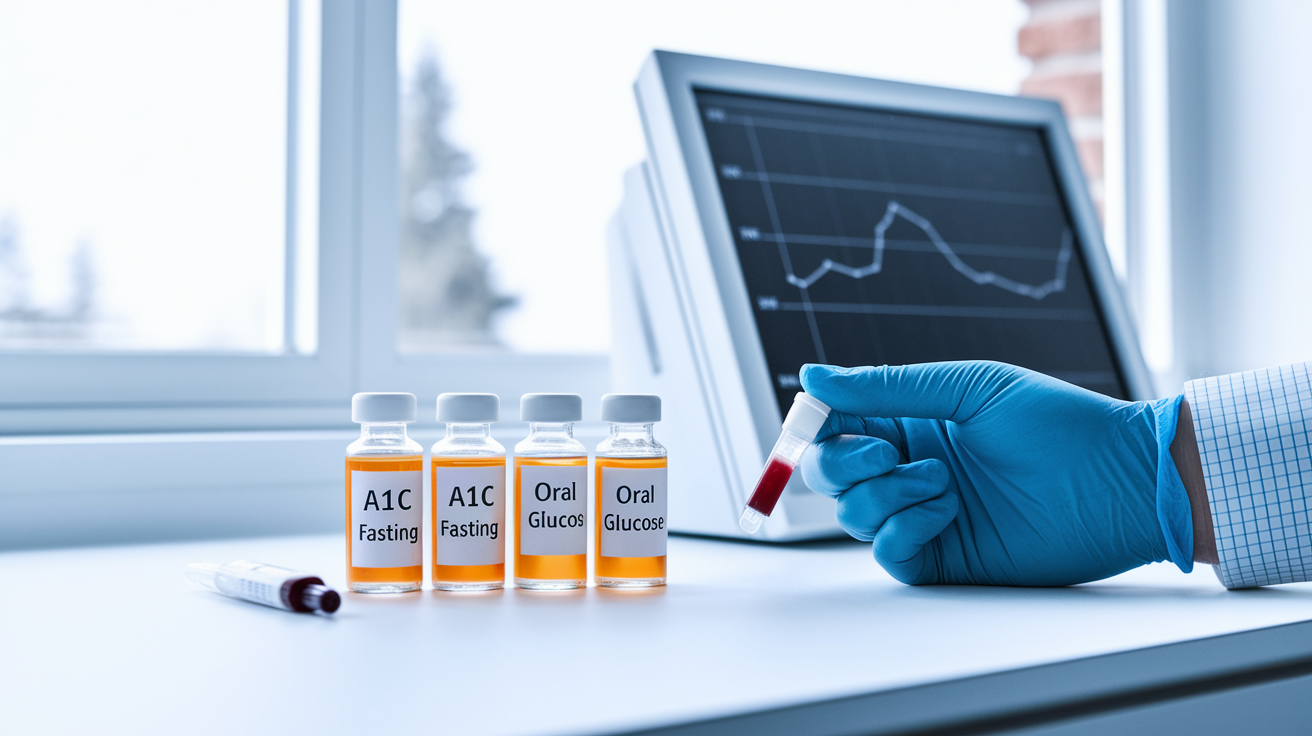
When symptoms point toward possible diabetes, a primary care provider or endocrinologist will order blood tests to measure glucose levels and assess how well your body’s been managing blood sugar over recent weeks.
The A1C test is one of the most common screening tools. It measures average blood glucose over the past two to three months by checking the percentage of hemoglobin that has glucose attached. An A1C of 5.7 to 6.4 percent signals prediabetes, while 6.5 percent or higher on two separate tests confirms diabetes.
Fasting plasma glucose, taken after an overnight fast, is another standard test. A result of 126 milligrams per deciliter or higher indicates diabetes. The oral glucose tolerance test measures blood sugar before and two hours after drinking a glucose solution and is especially common during pregnancy screening.
Beyond blood sugar tests, providers typically check blood pressure, lipid levels (cholesterol and triglycerides), and kidney function through a urine test that looks for protein or albumin. An eye exam to screen for early retinopathy and a foot exam to check sensation and circulation are also part of a thorough evaluation once diabetes is confirmed.
Women with recurrent urinary or vaginal infections, unexplained weight changes, persistent thirst or urination, or menstrual irregularities should request testing even if they feel otherwise healthy. Early detection allows treatment to begin before complications take hold.
Tracking Symptoms Before Your Appointment
Bringing a clear symptom timeline to your appointment helps the provider understand patterns and severity. Write down when you first noticed increased thirst or urination, how often you wake up at night to use the bathroom, any unexplained weight loss or gain, vision changes, infections (including dates and treatments), and any shifts in menstrual cycles or sexual health.
Note what makes symptoms better or worse, like after meals, during stressful weeks, or following changes in activity level. If you’ve been checking blood sugar at home, record those numbers along with the time of day and what you had eaten recently. That information speeds up diagnosis and helps the provider tailor testing and treatment to your specific situation.
Lifestyle Factors and Early Symptom Triggers in Women

Daily habits and life circumstances influence when and how diabetes symptoms appear. Physical inactivity, diets high in refined carbohydrates and added sugars, chronic stress, smoking, and excess alcohol intake all raise blood sugar levels and can push someone from prediabetes into full diabetes.
Women who carry extra weight, especially around the abdomen, face higher insulin resistance. Weight gain after menopause, driven by hormonal shifts and slower metabolism, compounds that risk. Stress triggers the release of cortisol and other hormones that raise blood glucose. Prolonged stress can make it harder for your body to regulate sugar effectively even in someone without a diabetes diagnosis yet.
Making targeted lifestyle changes can slow or even prevent the progression from early symptoms to full diabetes. Aiming for 150 minutes of moderate physical activity each week, spread across at least three days, improves insulin sensitivity and helps cells use glucose more efficiently. Eating more plant based foods, reducing red meat, choosing whole grains over refined carbs, and managing portion sizes all support steadier blood sugar levels. Quitting smoking and limiting alcohol reduce inflammation and cardiovascular risk, which are already elevated once diabetes symptoms begin.
Modifiable factors that influence symptom onset:
- Obesity, especially abdominal weight gain
- Diets high in refined sugars, processed carbs, and red meat
- Sedentary lifestyle with little regular physical activity
- Chronic stress that keeps cortisol and blood sugar elevated
- Smoking and excessive alcohol consumption
When Women Should See a Clinician for Possible Diabetes Symptoms

New or worsening symptoms that disrupt daily life warrant prompt medical evaluation. If you’re suddenly urinating every hour or waking up multiple times each night, drinking water constantly but still feeling parched, losing weight without trying, or noticing vision that blurs and clears unpredictably, contact your primary care provider within a day or two.
Recurrent yeast infections or urinary tract infections that return shortly after treatment, persistent numbness or tingling in your feet or hands, wounds that won’t heal after a couple of weeks, or unexplained severe fatigue all justify same day or next available appointments.
Rapid onset symptoms like extreme thirst, frequent urination, sudden significant weight loss, nausea, vomiting, confusion, or breath that smells fruity require urgent evaluation, often in an emergency department. They can signal diabetic ketoacidosis, a life threatening complication most common in Type 1 diabetes but possible in Type 2 under severe stress or illness.
Women who have risk factors like a history of gestational diabetes, PCOS, a family history of diabetes, or obesity should seek screening even if symptoms are mild or absent. Early detection prevents complications that become much harder to treat once established.
Red flags that require prompt medical attention:
- Urinating much more frequently than normal, including nighttime disruption
- Extreme, unquenchable thirst
- Sudden unexplained weight loss of several pounds within weeks
- Blurred vision that persists or worsens over days
- Three or more yeast infections or urinary tract infections within a year
- Persistent numbness, tingling, or pain in hands or feet
Final Words
Noticing more thirst, frequent urination, unexplained tiredness, blurred vision, or repeated yeast or urinary infections? They’re common early signs we covered and often show up differently in pregnancy or between Type 1 and Type 2.
Get a few simple tests, keep a short symptom timeline, and tell your clinician if symptoms persist or get worse.
With early attention and small lifestyle steps, many women keep complications away. Tracking and talking to a clinician helps catch diabetes symptoms in women early.
FAQ
Q: What are 10 warning signs of diabetes in women?
A: The 10 warning signs of diabetes in women, and how to tell if a woman has diabetes, are frequent urination, extreme thirst, weight change, hunger, fatigue, blurred vision, slow healing, numbness, recurrent yeast/UTIs, and menstrual or sexual changes. Seek testing.
Q: How long can you have type 1 diabetes without knowing it?
A: You can have type 1 diabetes without knowing it for a few weeks to a few months because symptoms usually appear quickly; untreated, it can progress fast to diabetic ketoacidosis, so seek prompt care.
Q: How do you know if a woman has diabetes?
A: You know a woman may have diabetes if she has persistent signs like frequent urination, extreme thirst, unexplained weight change, fatigue, blurred vision, slow-healing wounds, numbness, or recurrent genital/urinary infections. Get tested.
Q: What are the powerful habits that reverse diabetes?
A: The powerful habits that may reverse or greatly improve Type 2 diabetes include regular physical activity, losing excess weight, reducing refined carbs, eating more plants and fiber, improving sleep, and following medical treatment and follow-up.