
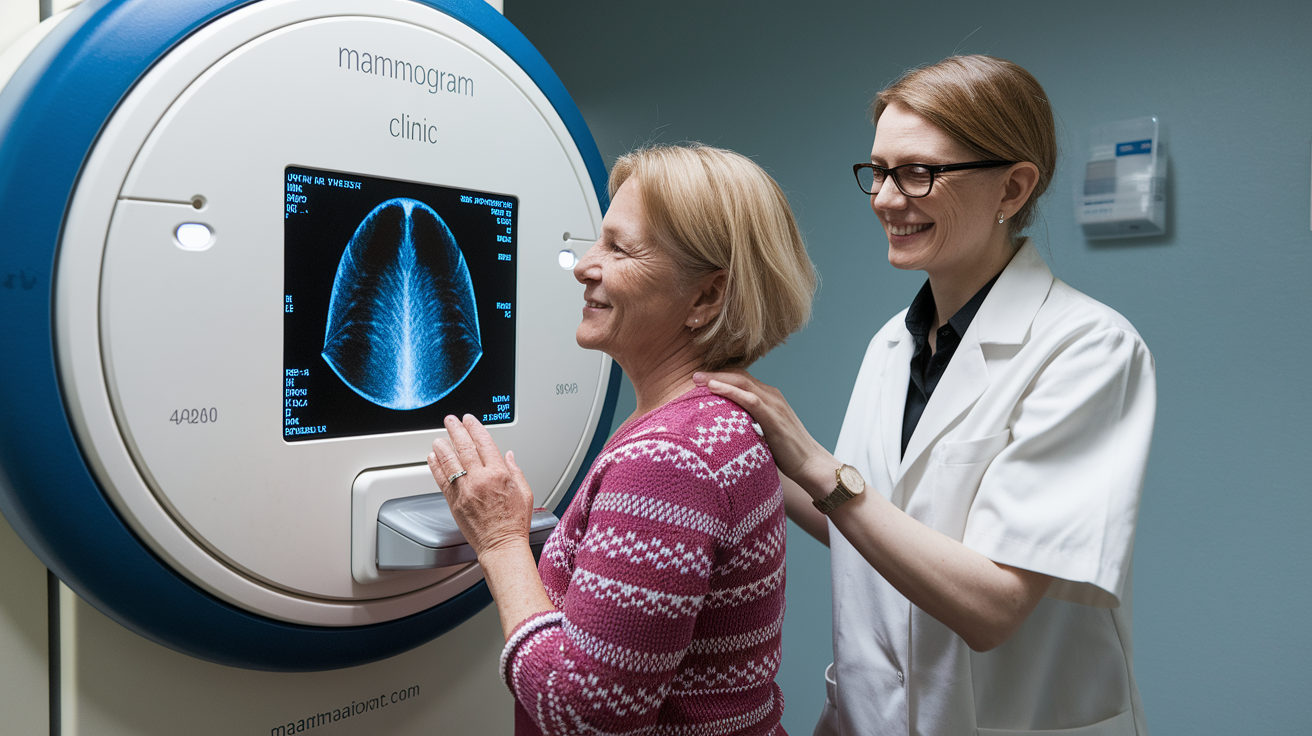

Think prevention ends with vaccines? Think again.
Secondary prevention finds disease right after it starts, often before you feel a thing, and when treatment is simplest and most effective.
From mammograms and blood pressure checks to colonoscopy and A1C (blood sugar) testing, smart early detection can prevent serious illness and save lives.
This article explains which screening tests work, who benefits most, and practical steps to make sure you get checked at the right time.
Core Explanation of Secondary Prevention

Secondary prevention catches disease right after it starts, before you feel anything and when treatment works best. A screening test picks up early cancer cells. A blood pressure cuff detects silent hypertension. A simple glucose test reveals prediabetes before serious damage occurs. The goal is stopping progression, cutting down complications, and getting you back to full health. Early detection improves outcomes because most conditions respond better to simpler, less invasive treatment when found early. A small polyp found during a colonoscopy can be removed right there, preventing colon cancer years down the line.
Secondary prevention sits in the middle of the prevention timeline. Primary prevention stops disease before it occurs. Think seat belts, vaccines, healthy diet education. Tertiary prevention manages established illness to prevent further harm, like cardiac rehabilitation after a heart attack or support groups for chronic conditions. Secondary prevention assumes disease has started but it’s still asymptomatic or very early stage. It’s the window where screening and prompt intervention can shift the entire course of illness. Primary prevention says “don’t get sick.” Secondary prevention says “catch it early, before it becomes serious.” Tertiary prevention says “limit the damage and help you live well with what you have.”
Real world examples are all around us. Mammograms detect breast cancer in women who feel fine and have no lump. Colonoscopies find colorectal polyps or early tumors years before symptoms appear. Blood pressure measurements at routine visits identify hypertension before stroke or heart failure develops. Cholesterol testing reveals lipid abnormalities that can be managed with diet, exercise, or medication long before a heart attack. These tests are routine in many healthcare systems because decades of evidence show they lower death rates and prevent serious illness when offered to the right people at the right intervals.
Disease‑Specific Screening Approaches

Different diseases call for different early detection methods, each tailored to the biology of the condition and the accuracy of available tests.
Cancer screening programs target the most common and treatable malignancies. Mammography uses low dose X-rays to find breast tumors before they can be felt, typically recommended every one to two years for average risk women starting around age 40 or 50, depending on guidelines. Pap smears and HPV tests screen for cervical cancer by collecting cells from the cervix, allowing early treatment of precancerous changes. Colonoscopy looks directly at the colon lining to find and remove polyps before they turn malignant, usually every ten years for average risk adults starting at age 45 or 50. Lung cancer screening with low dose CT is offered to heavy smokers and former smokers in specific age ranges. Each test balances benefit against cost, discomfort, and the risk of false alarms.
Cardiovascular screening focuses on silent risk factors that drive heart attack and stroke. Lipid profiles measure total cholesterol, LDL, HDL, and triglycerides to identify people who need lifestyle changes or statin therapy. Blood pressure checks are simple, fast, and critical. Hypertension often has no symptoms but damages arteries, heart, kidneys, and brain over time. Some clinicians also use risk calculators that combine age, cholesterol, blood pressure, smoking, and diabetes status to estimate ten year cardiovascular event risk, guiding decisions about aspirin or more aggressive lipid control. Early detection and treatment of high blood pressure and high cholesterol prevent thousands of heart attacks and strokes each year.
Diabetes screening uses fasting glucose or hemoglobin A1C tests to catch elevated blood sugar before complications appear. Prediabetes, blood sugar higher than normal but not yet diabetic, can often be reversed with weight loss, diet changes, and physical activity. Once full diabetes is established, early detection still helps because tight glucose control delays or prevents eye damage, kidney failure, nerve pain, and foot ulcers. Screening is typically recommended for adults with risk factors like obesity, family history, or high blood pressure, and for all adults starting around age 35 to 45 depending on guidelines.
Identifying High‑Risk Populations

Not everyone needs every screening test at the same age or interval. Clinicians identify high risk groups to focus resources where they’ll do the most good and avoid unnecessary testing in low risk individuals. Risk assessment considers personal history, family background, and current health status. Someone with a parent who had colon cancer at age 50 may start colonoscopies at 40, ten years earlier than average risk guidelines recommend. A woman with dense breast tissue or a BRCA gene mutation may be offered MRI in addition to mammography. A person with obesity and a sedentary lifestyle gets diabetes screening earlier and more often than a lean, active adult with no family history.
Major risk determinants include age (many cancers and chronic diseases become more common after 40 or 50), family history (genetics and shared environment raise risk for cancer, heart disease, diabetes, and more), lifestyle factors (smoking, alcohol use, poor diet, and lack of exercise increase risk across many conditions), and comorbidities (existing conditions like obesity, hypertension, or autoimmune disease elevate risk for additional illnesses).
Risk calculators and screening questionnaires help clinicians decide who needs which tests and when. These tools combine individual data points into a single risk score that guides shared decision making. The goal is screening the people most likely to benefit while avoiding the anxiety and follow up procedures that come with screening people at very low risk.
Screening Guidelines and Intervals

National organizations review evidence and publish recommendations for when to start, stop, and repeat major screening tests. The U.S. Preventive Services Task Force (USPSTF), American Cancer Society, American Heart Association, and specialty groups issue guidelines that shape clinical practice. Recommendations balance the benefit of catching disease early against the harms of false positives, overdiagnosis, and unnecessary follow up. Guidelines evolve as new studies emerge, so intervals and starting ages shift over time.
Typical screening schedules for common tests look like this:
| Test | Recommended Interval | Target Population |
|---|---|---|
| Mammography | Every 1–2 years | Women age 40–50+ (varies by guideline) |
| Colonoscopy | Every 10 years | Average-risk adults age 45–75 |
| Blood pressure | At every routine visit, at least annually | All adults age 18+ |
| Lipid panel | Every 4–6 years | Adults age 20+ (more often if high risk) |
| Hemoglobin A1C or fasting glucose | Every 3 years | Adults age 35–70 with overweight/obesity or other risk |
These are general starting points. Individual risk, insurance coverage, and local practice patterns all influence actual screening decisions. A person with a strong family history of heart disease may have cholesterol checked yearly. Someone with borderline glucose may repeat A1C every six months. A colonoscopy that finds polyps may be repeated in three or five years instead of ten.
Clinicians rely on electronic health record prompts to flag overdue screenings and maintain consistency across large patient panels. Clear intervals make it easier to schedule, track, and complete preventive care without missing windows of opportunity.
Implementation in Healthcare Systems

Effective secondary prevention depends on organized workflows that integrate screening into routine care. Clinics and hospitals use standing orders, nurse protocols, and automated reminders to offer tests at the right time. A medical assistant measures blood pressure at every visit and flags high readings for follow up. An electronic health record alerts the provider when a patient is due for a mammogram or cholesterol check. Front desk staff hand out colorectal screening kits during check in for eligible patients. These small system changes add up to higher screening rates and earlier detection across entire populations.
Patient outreach extends secondary prevention beyond the walls of the clinic. Reminder letters, text messages, phone calls, and patient portals nudge people to schedule overdue tests. Mobile mammography vans visit underserved neighborhoods. Community health workers help people navigate appointments, insurance, and transportation barriers. Public health departments partner with primary care networks to track screening coverage and identify gaps. Outreach works best when it’s culturally appropriate, language accessible, and persistent without being pushy.
System wide policies support consistent delivery of secondary prevention. Insurance plans cover preventive screenings at no out of pocket cost under many guidelines, removing financial barriers. Quality metrics and pay for performance programs reward clinics that meet screening benchmarks. Professional societies publish consensus guidelines that standardize care across regions. State and federal programs fund screening programs for uninsured and underinsured populations, such as the National Breast and Cervical Cancer Early Detection Program. These structural supports ensure that secondary prevention reaches people regardless of income or where they live.
Benefits of Secondary Prevention

Early detection through secondary prevention lowers death rates for many common diseases. Mammography reduces breast cancer mortality by catching tumors when they’re smaller, less likely to have spread, and more responsive to treatment. Colonoscopy prevents colorectal cancer entirely by removing polyps before they become malignant. Blood pressure screening followed by treatment prevents strokes, heart failure, and kidney disease. Regular cholesterol checks combined with lifestyle changes or medication cut the risk of heart attacks. Each of these interventions has been studied in large populations over decades, and the evidence is clear. Screening saves lives when offered to the right people at the right intervals.
Beyond survival, early detection improves quality of life and reduces the burden of treatment. A small tumor may require only a lumpectomy and short course of radiation, while a late stage cancer demands chemotherapy, surgery, and months of recovery. Prediabetes caught early can often be managed with diet and exercise alone, avoiding the daily insulin injections and finger sticks that come with advanced diabetes. Early hypertension responds to a single low dose pill, while uncontrolled high blood pressure eventually requires multiple medications and monitoring for organ damage. Simpler, less invasive treatment is one of the biggest advantages of catching disease early, and it translates into lower costs, less time off work, and better long term health for patients.
Limitations and Challenges

Screening isn’t perfect. Tests produce false positives, results that suggest disease when none is present, leading to anxiety, additional imaging, biopsies, and sometimes unnecessary treatment. A suspicious mammogram may prompt a biopsy that finds benign tissue. An elevated PSA test may lead to a prostate biopsy that discovers slow growing cancer that would never have caused harm. False negatives also occur, when screening misses existing disease and provides false reassurance. No test is 100 percent sensitive or specific, so every screening program accepts some level of error.
Overdiagnosis is a subtler problem. Some cancers and conditions detected by screening would never have progressed or caused symptoms during a person’s lifetime. Treating these findings can cause real harm. Surgical complications, medication side effects, psychological distress, all without delivering meaningful benefit. Thyroid nodules found on imaging, small kidney tumors discovered incidentally, and ductal carcinoma in situ detected by mammography all raise difficult questions about whether treatment is necessary. The line between helpful early detection and harmful overtreatment isn’t always clear, and it varies from person to person.
Common challenges that limit the effectiveness of secondary prevention include access barriers (lack of insurance, transportation, childcare, or time off work prevents many people from getting screened), health literacy and trust (misunderstanding of risk, mistrust of medical systems, and fear of results reduce participation), and follow up gaps (abnormal screening results require diagnostic testing and treatment, but patients sometimes fall through the cracks due to poor care coordination or lack of resources).
These limitations don’t mean screening is worthless, but they do mean that secondary prevention must be offered thoughtfully, with clear communication about benefits and harms, and with systems in place to support people through the entire process from screening to diagnosis to treatment.
Public Health Integration of Secondary Prevention

Public health agencies expand the reach of secondary prevention beyond individual clinics by running population wide screening campaigns, funding community programs, and tracking coverage gaps. State health departments coordinate cervical and breast cancer screening for uninsured women, using federal grants to pay for mammograms, Pap tests, and follow up care. Local coalitions organize health fairs where people can get free blood pressure checks, cholesterol tests, and diabetes screenings in familiar community settings like churches, libraries, and workplaces. These efforts bring preventive services to people who might not visit a doctor regularly.
Mobile clinics and outreach vans deliver screening directly to underserved neighborhoods, rural areas, and worksites. A mammography van parks outside a factory during shift change, making it easy for workers to get screened without taking time off. A dental van offers oral cancer screening at a homeless shelter. These mobile models reduce logistical barriers and meet people where they are, improving equity and participation rates. Public health workers also provide education about the importance of screening, helping communities understand why early detection matters and how to access services.
Policy and surveillance support large scale implementation of secondary prevention. Public health departments track screening rates by age, race, income, and geography to identify disparities and target resources. National registries monitor cancer incidence and stage at diagnosis, showing whether screening programs are working as intended. Evidence from these systems informs guideline updates and funding priorities. When data reveal that colorectal cancer screening rates are low among certain immigrant groups, public health agencies can design culturally tailored outreach and work with community organizations to close the gap. Integration of secondary prevention into public health infrastructure ensures that early detection benefits entire populations, not just people with ready access to care.
Final Words
We defined secondary prevention and showed why early detection often improves outcomes.
You saw practical screening approaches for cancer, heart disease, and diabetes; how clinicians identify high‑risk groups; recommended testing intervals; and how clinics and public health programs make screening work. We also covered benefits and common limits like false positives and overdiagnosis.
Use these secondary prevention strategies to talk with your clinician, pick the screenings that fit you, and catch problems earlier. Small steps can make a big difference.
FAQ
Q: What are some secondary prevention strategies?
A: Some secondary prevention strategies are mammography, colonoscopy, Pap smear, blood pressure screening, and cholesterol testing to detect disease early and start treatment that slows or stops progression.
Q: What are the types of secondary prevention?
A: The types of secondary prevention include screening and early detection, case finding, prompt treatment to limit disease progression, and ongoing monitoring to prevent complications.