
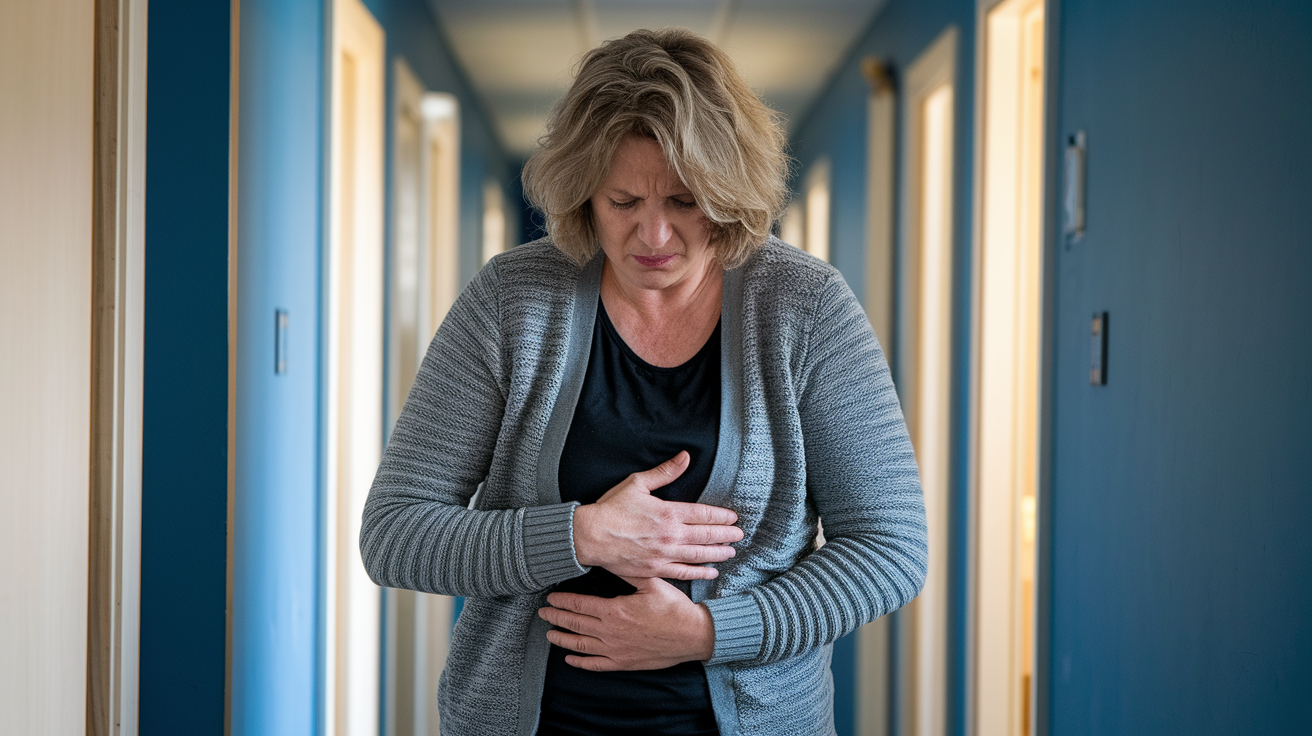

Think stomach pain after eating is always just from bad food? Think again.
Some causes are mild and fix themselves, but others need prompt medical care.
This post will help you tell the difference.
We’ll cover the warning signs that mean get help now, common causes that often need a doctor’s diagnosis, when to schedule a non-urgent visit, and safe at-home steps to try while you wait.
Use this guide to know what to watch for and what to do next.
Urgent Warning Signs That Require Immediate Medical Care
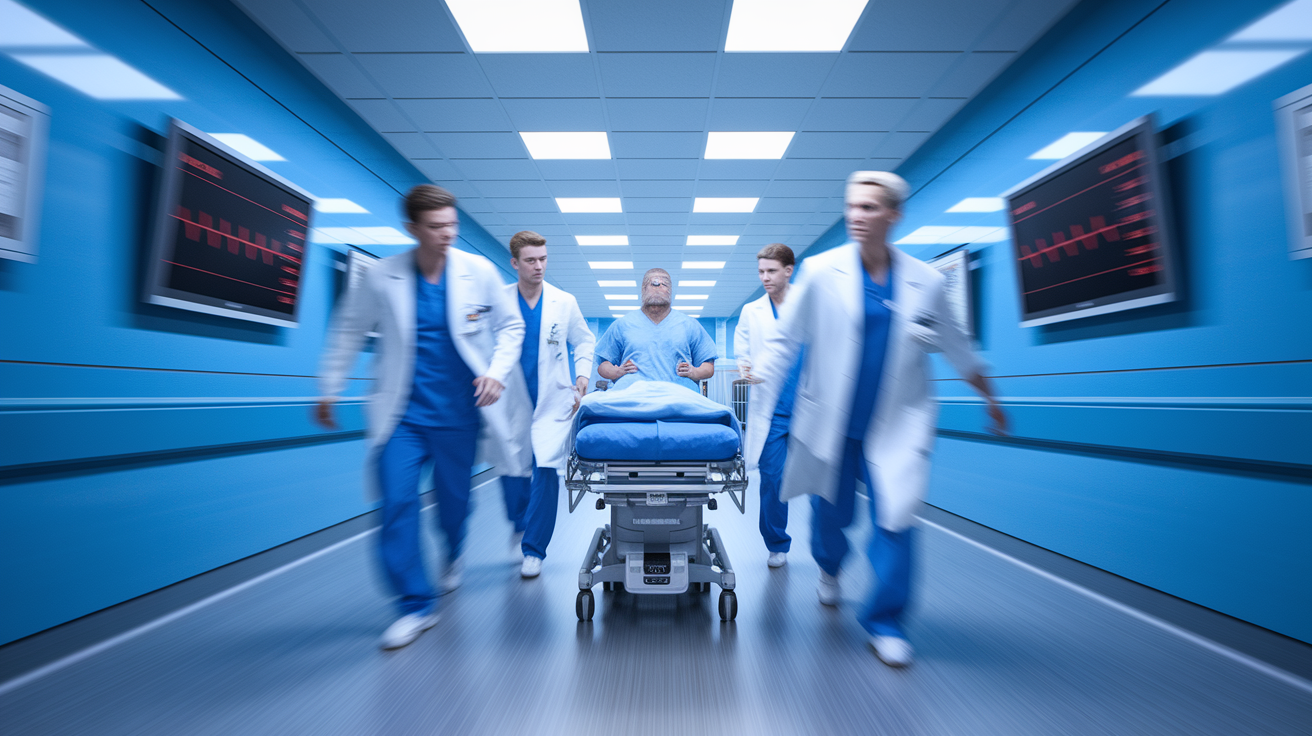
Some stomach pain after eating isn’t a big deal. Maybe you ate too much, or the food was spicier than usual. But certain symptoms mean you’re dealing with something serious, and waiting can turn a bad situation into a dangerous one. Appendicitis, a perforated ulcer, or a bowel blockage don’t get better on their own. They get worse.
Your body knows when something’s really wrong. If you notice any of these symptoms along with stomach pain, don’t wait:
- Sudden, severe pain that hits hard and doesn’t let up
- Vomiting so persistent you can’t keep anything down
- High fever, especially with pain, chills, or confusion
- Blood in your vomit or stool (bright red or dark and tar-like)
- Chest pain or pressure that spreads to your jaw, neck, or arm
- Yellowing skin or yellowing of the whites of your eyes (jaundice)
- Can’t pass stool or gas for several hours, along with pain or swelling
- Abdomen that feels rigid and board-like when you touch it
Call 911 or get to the nearest emergency room. These signs can point to appendicitis, gallbladder infection, a ruptured organ, complete bowel obstruction, or even a heart attack. Medical teams can run imaging and blood tests quickly to figure out what’s happening and start treatment. “Waiting to see if it gets better” is a gamble you shouldn’t take. When pain is sudden, severe, or comes with vomiting, fever, or bleeding, you need urgent care now.
Common Reasons Stomach Pain Gets Worse After Eating
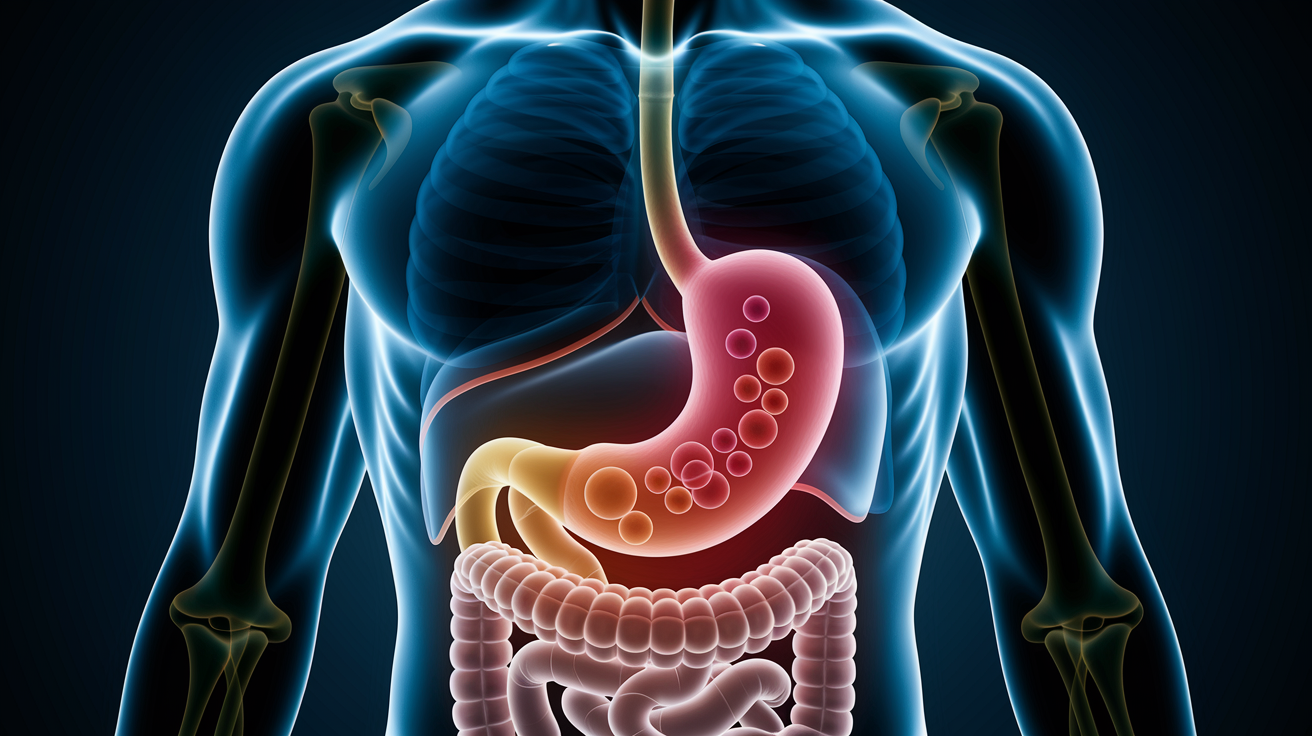
Post-meal stomach pain usually starts with inflammation or irritation somewhere in your digestive tract. Gastritis (inflammation of the stomach lining) is a frequent cause, especially if you take NSAIDs regularly, drink alcohol, or eat lots of spicy or acidic foods like tomatoes and lemons. Peptic ulcers are open sores in your stomach or the first part of your small intestine. They cause a burning or gnawing pain that shows up right after you eat. Both conditions leave your stomach lining more sensitive, so food and acid can trigger sharp discomfort.
Organs outside your stomach can also be the source of pain. Gallstones can block the bile duct when fat from a meal tells your gallbladder to release bile. That causes sharp pain in your upper right abdomen or the center of your belly, often within 30 minutes of eating. Pancreatitis (inflammation of the pancreas) brings deep, intense pain in the upper abdomen that radiates to your back and gets worse after meals, especially fatty ones. Both need medical diagnosis and treatment. Sometimes urgently.
Functional digestive disorders and food sensitivities can make pain worse after eating without any visible inflammation or blockage. Irritable bowel syndrome (IBS) causes cramping, bloating, gas, and changes in bowel habits. Symptoms can flare after certain meals or during stress. Food intolerances, like lactose intolerance or sensitivity to gluten or FODMAPs, trigger pain, bloating, and diarrhea when your body struggles to break down specific ingredients. Gastroesophageal reflux disease (GERD) sends stomach acid back into your esophagus, causing heartburn and upper abdominal pain after meals, particularly spicy or greasy ones. Celiac disease is an immune-mediated condition where eating gluten (a protein in wheat, barley, and rye) damages your small intestine. It leads to pain, bloating, diarrhea, fatigue, and sometimes anemia or mood changes. Each of these can be managed once you know what you’re dealing with, but it takes a careful look at your diet, symptoms, and overall health.
When to Schedule a Non-Emergency Medical Appointment

If stomach pain after eating keeps coming back, even without the red-flag symptoms from earlier, it’s time to make an appointment with your primary care provider or a gastroenterologist. Pain that shows up regularly, several times a week or every time you eat certain foods, is your body telling you something’s off.
You should schedule a visit if any of these apply:
- Pain lasting more than one to two weeks, even if it’s mild
- Pain that wakes you up at night or messes with your sleep
- Unintentional weight loss or loss of appetite over a few weeks
- Pain that makes it hard to eat normal meals or go about your day
- Symptoms that don’t improve despite changing your diet or taking over-the-counter remedies
Persistent or recurring post-meal pain can point to gastritis, peptic ulcers, IBS, inflammatory bowel disease (Crohn’s disease or ulcerative colitis), celiac disease, or gallbladder disease. Many of these are manageable with the right treatment, but they won’t go away on their own. A doctor can run tests, ask the right questions, and help you figure out what’s happening. Don’t wait until the pain becomes unbearable. Getting checked sooner often means simpler treatment and faster relief.
At-Home Relief Strategies While Awaiting Care
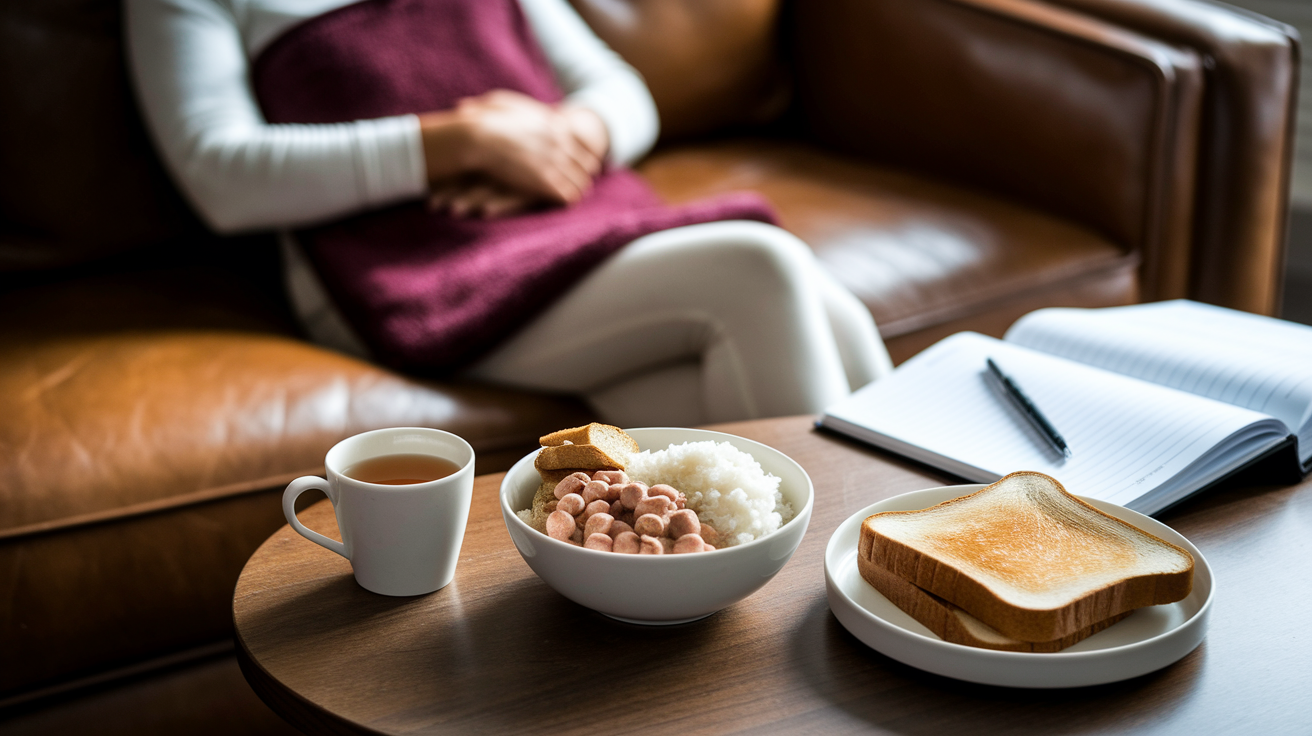
If your pain is mild and you’re waiting for a scheduled appointment, a few simple steps might help ease the discomfort in the short term. These aren’t substitutes for medical care, but they can provide temporary relief and help you spot which foods or habits make things worse.
Try these gentle strategies while you wait:
- Drink plenty of water throughout the day to support digestion and prevent dehydration
- Use a warm compress or heating pad on your abdomen for 15 to 20 minutes to relax muscles and reduce cramping
- Stick to bland, easy-to-digest foods like rice, bananas, toast, applesauce, and boiled potatoes
- Take over-the-counter antacids or acid reducers if heartburn or reflux seems to be the issue (check with a pharmacist if you’re on other medications, pregnant, or managing a chronic condition)
- Avoid foods that tend to trigger symptoms: fried foods, caffeine, alcohol, carbonated drinks, dairy if you suspect lactose intolerance, or gluten if celiac disease is a possibility
- Eat smaller, more frequent meals instead of large portions, and chew slowly to give your digestive system more time to process food
Keep a simple symptom journal while you try these steps. Write down what you ate, when the pain started, how long it lasted, and what made it better or worse. That information will help your doctor understand patterns and narrow down possible causes. If symptoms get worse or new ones appear, don’t wait. Call your doctor or seek care sooner.
What Happens During a Medical Evaluation
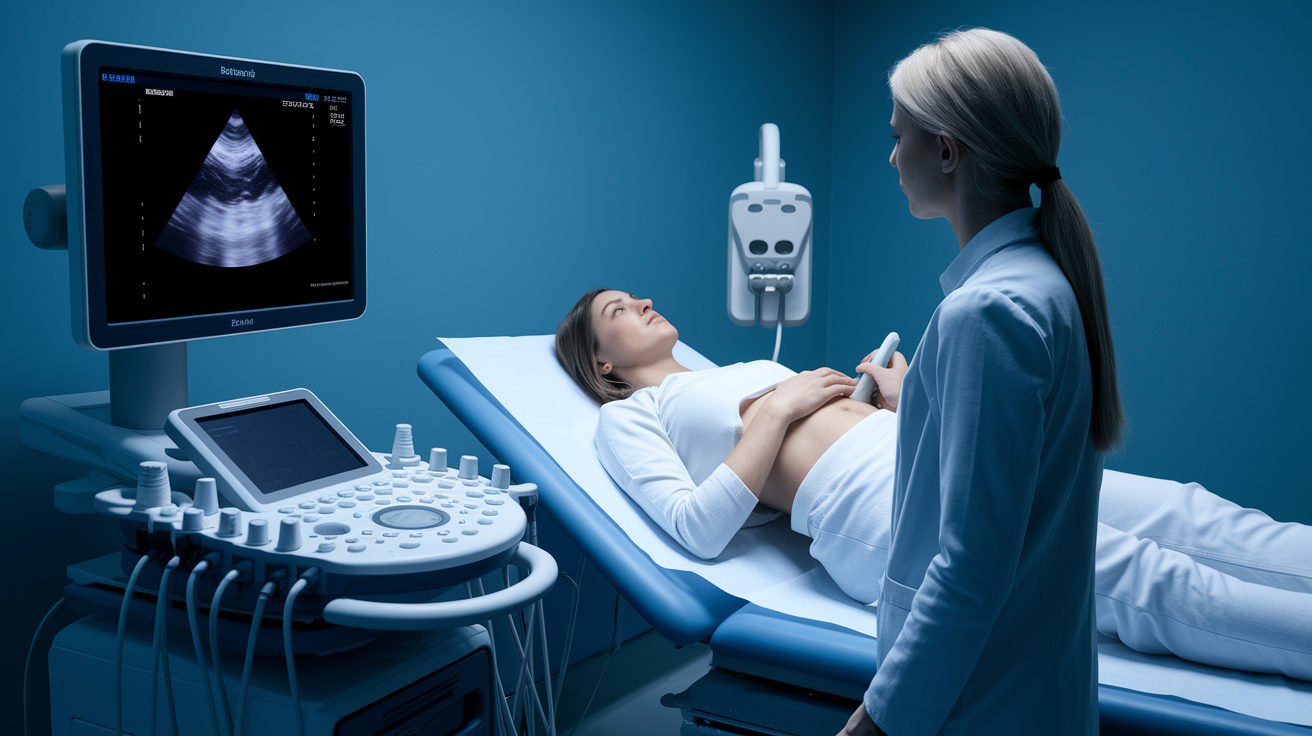
When you visit a doctor for stomach pain after eating, the first step is usually a physical exam. The doctor will ask you to lie down and gently press on different areas of your abdomen to check for tenderness, swelling, or unusual lumps. They might listen to bowel sounds with a stethoscope to see if your intestines are moving normally. This hands-on exam helps rule out immediate concerns like appendicitis, an enlarged organ, or fluid buildup.
Next, expect imaging and lab tests. Blood work can check for signs of infection, inflammation, anemia, or celiac disease (a blood test can detect antibodies to gliadin, a protein in gluten). Stool tests may be ordered if there’s concern about infection or bleeding. Imaging options include ultrasound (often used to look at the gallbladder), CT scans (which may require drinking a chalky barium mixture so the GI tract shows up clearly on X-rays), or upper endoscopy (a slim, flexible tube with a camera that lets the doctor see inside your esophagus, stomach, and upper small intestine). In some cases, a capsule endoscopy (swallowing a small camera in a clear pill) or colonoscopy may be recommended to view the lower digestive tract.
Your doctor will also ask detailed questions about your symptoms. Be ready to describe when the pain started, how often it happens, what foods seem to trigger it, and whether you have other symptoms like bloating, diarrhea, constipation, nausea, vomiting, or blood in your stool. They’ll ask about your medical history, current medications (including over-the-counter NSAIDs), alcohol and tobacco use, recent travel, and any family history of digestive diseases. The more specific you can be, the easier it is for your doctor to identify the cause and build a treatment plan that fits your life.
Final Words
If your stomach pain gets worse after eating, check for danger signs first and act quickly if they’re present.
This guide covered emergency red flags, common causes (inflammation, organ issues, food triggers), when to schedule a medical visit, simple home relief steps, and what to expect during a clinic exam.
If you’re unsure, remember: stomach pain worse after eating see doctor, call emergency services for urgent signs or book a prompt appointment for ongoing pain. Most causes can be managed, and help is available.
FAQ
Q: When should I see a doctor about stomach pain after eating?
A: You should see a doctor about stomach pain after eating when the pain is severe, lasts more than 1 to 2 weeks, or comes with fever, repeated vomiting, blood in stool or vomit, or unexplained weight loss.
Q: What are 7 signs it’s time to see a gastroenterologist?
A: The seven signs it’s time to see a gastroenterologist are persistent stomach pain over 2 weeks, unexplained weight loss, blood in stool or vomit, trouble swallowing, chronic heartburn, new jaundice (yellow skin/eyes), or major changes in bowel habits.
Q: What are the first warning signs of a stomach tumor?
A: The first warning signs of a stomach tumor can include persistent stomach pain, trouble swallowing, feeling full quickly after small meals, unexplained weight loss, nausea or vomiting, blood in vomit or stool, and lasting fatigue; only a clinician can confirm.
Q: When to go to the ER for gastritis?
A: You should go to the ER for gastritis when you have severe sudden belly pain, vomit blood, have black tarry stools, faint or feel lightheaded, develop a high fever, or cannot keep fluids down — call emergency services now.