


What if a common stomach ache is actually an emergency?
Some belly pain is harmless, but other kinds need care right away.
Sudden, severe pain, throwing up blood, blood in stool, high fever, inability to pass gas, yellow skin, or pain after an injury can all be signs that you should get emergency help.
This post walks you through the main red flags, explains what they might mean, and tells you when to head to the ER or call for urgent care so you can act fast and stay safe.
Critical Warning Signs to Recognize
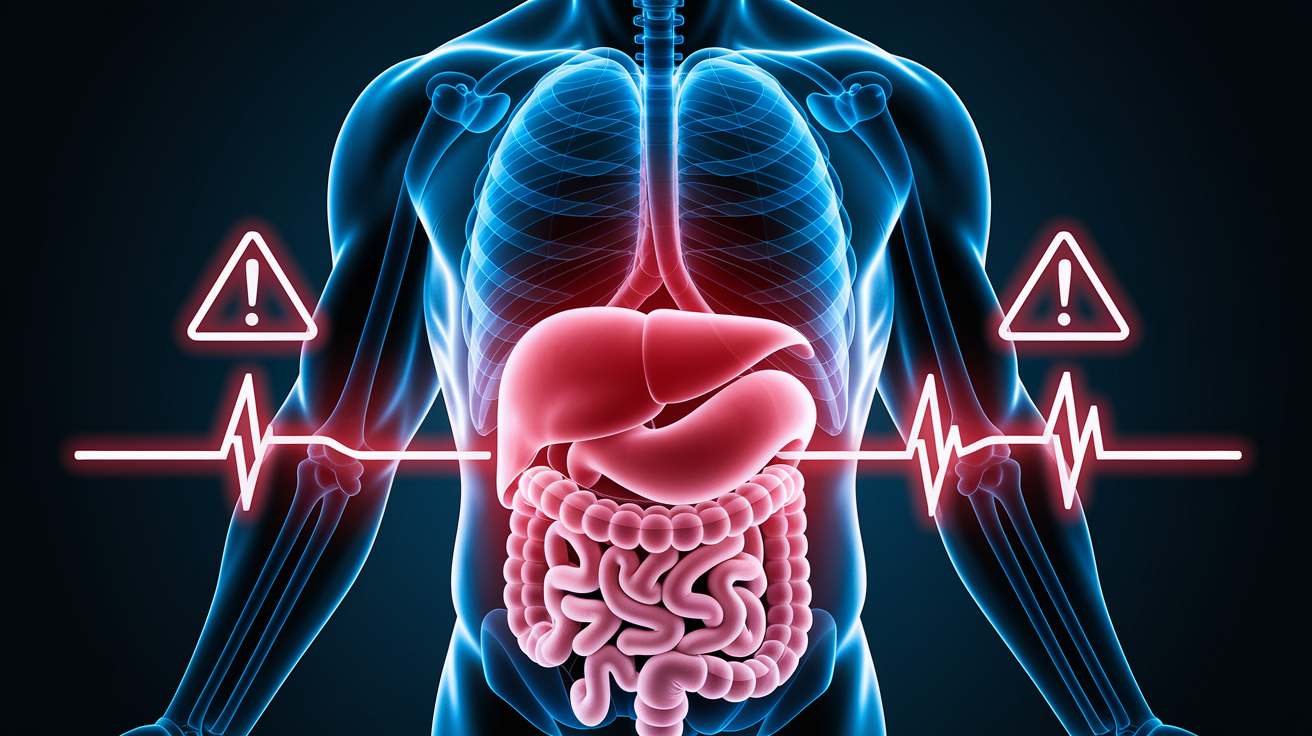
Some abdominal pain isn’t like the usual discomfort you might brush off. Certain symptoms stand out because they can point to urgent medical situations. Catching these early matters.
Here’s what qualifies as serious:
Sudden, severe pain that hits without any buildup. Pain that keeps getting worse over hours instead of easing up. Throwing up blood or something that looks like coffee grounds. Blood showing up in your stool, whether it’s bright red, dark, or black and sticky. High fever with your abdominal pain, especially if you’re getting chills or shaking. You can’t pass stool or gas, and your belly feels bloated and painful. Your skin or the whites of your eyes turn yellow while your stomach hurts. Abdominal pain after an injury, particularly if you feel dizzy or like you might pass out.
Understanding these helps you figure out the difference between something that’ll pass on its own and something that needs attention now. Not every stomachache is an emergency. But knowing these red flags means you can make smarter choices about getting checked out. Watch how symptoms build, what else happens at the same time, and how fast things change.
How Red‑Flag Symptoms Relate to Potential Conditions
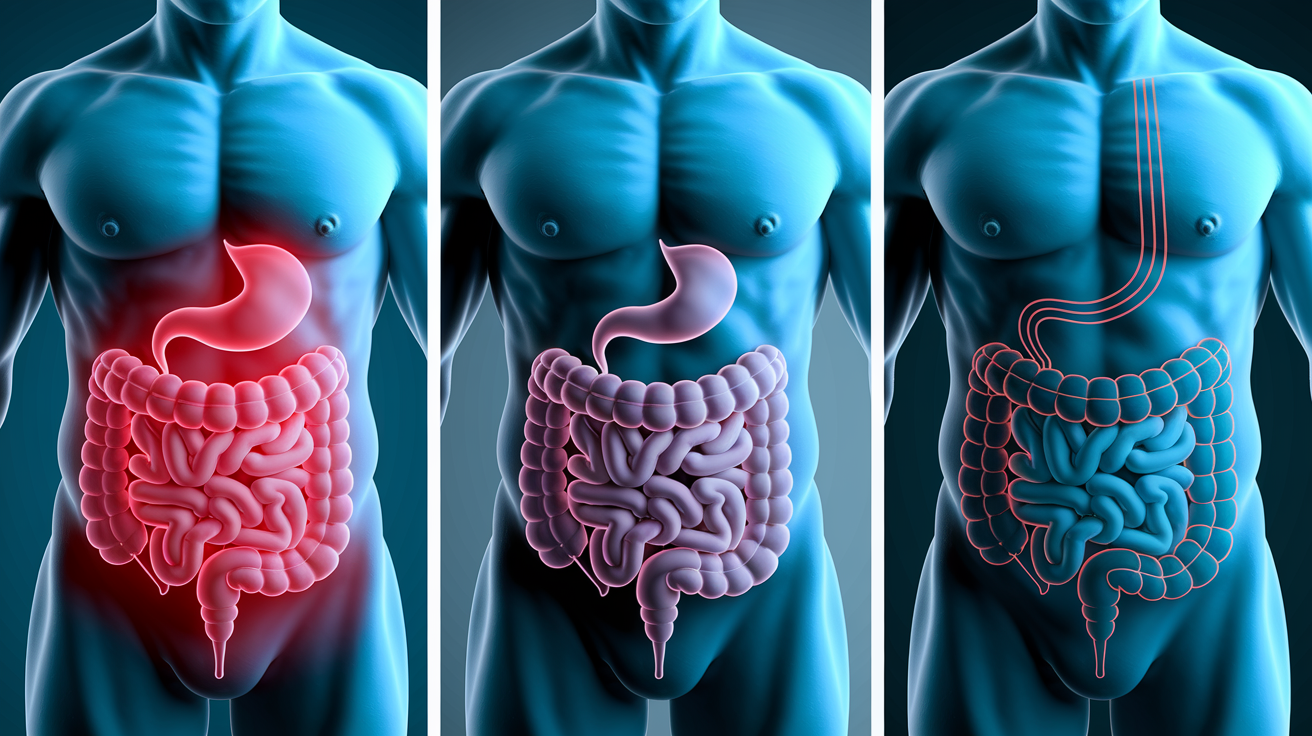
Different warning signs often point toward different types of problems, though you’ll need a professional to know for sure. When there’s inflammation happening inside your belly, you’ll typically get severe pain that worsens, often with fever. Things like appendicitis, diverticulitis, or infections in your gallbladder can show up this way. Fever plus intensifying pain suggests inflammation or infection might be spreading.
Then there are blockages. When something stops the normal flow through your digestive system (a bowel obstruction, twisted intestine, or trapped hernia), your body usually responds with serious cramping, bloating, and inability to pass anything. You’ll often vomit too as your system fights the blockage. This kind of pain can escalate as pressure increases.
Bleeding in your GI tract creates its own pattern. Blood in vomit or stool means bleeding somewhere along your digestive path. Could be ulcers, inflammatory bowel disease acting up, diverticular bleeding, or tears and perforations. When bleeding gets significant or doesn’t stop, you might feel dizzy, weak, or show signs of shock as you lose blood volume.
Sometimes organs outside your digestive tract but still in your abdomen cause red flag symptoms. Pancreatitis usually brings severe upper belly pain that shoots straight through to your back and gets worse lying down. Gallbladder issues often pop up after fatty meals, with pain in your upper right abdomen that might reach your shoulder. Liver inflammation or blocked bile ducts can produce that yellowish tint alongside pain and nausea. Each pattern gives clues about what system’s involved.
Understanding Abdominal Pain in a General Context
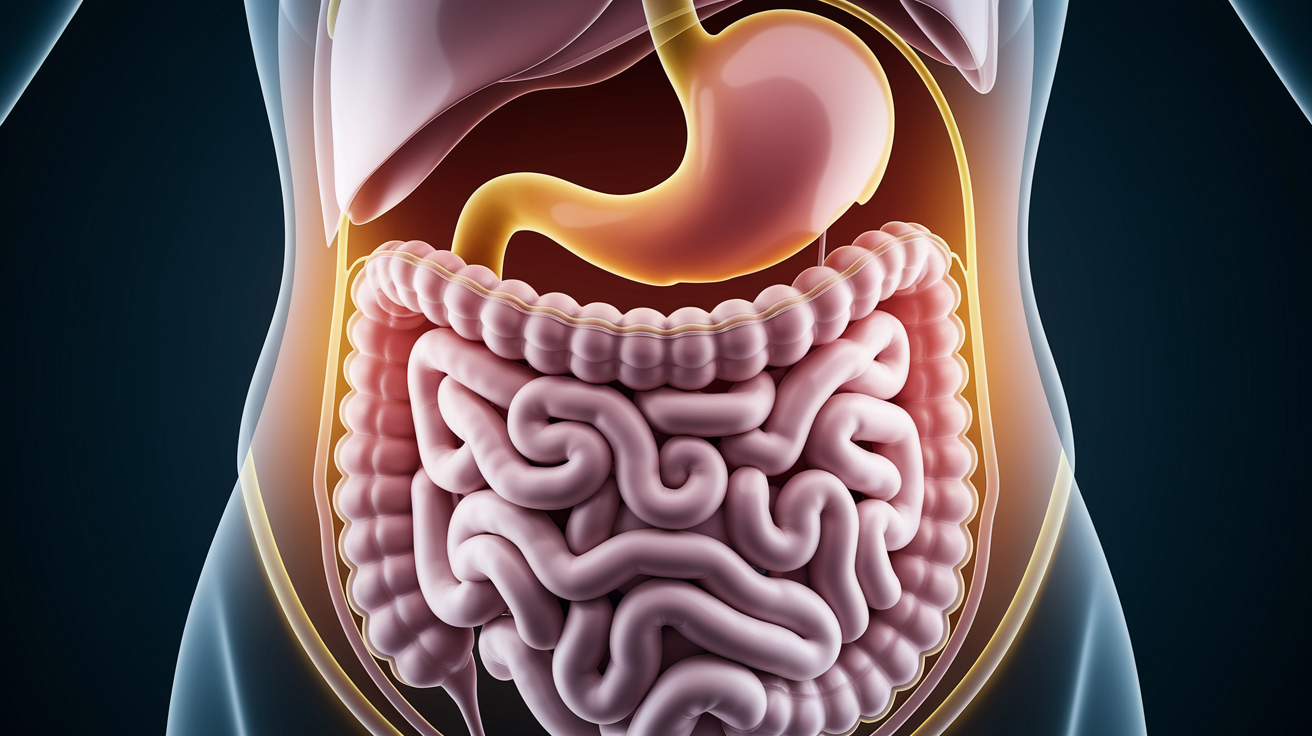
Stomach pain is incredibly common and can come from dozens of places. Your abdomen packs in a lot: stomach, intestines, liver, gallbladder, pancreas, spleen, kidneys, reproductive organs. Discomfort can start in any of them. Or it might just be muscle strain, gas, hormonal shifts, or stress messing with your digestion.
Most belly pain is mild and temporary. Indigestion after eating too much, gas cramps, period cramps, or a minor bug typically clear up within hours or maybe a day. These everyday causes rarely mean anything serious and usually get better with rest, water, and basic care at home.
The way abdominal pain feels varies a lot. Sometimes it’s dull and achy. Other times it’s sharp or stabbing. It might be constant or come in waves. Where it hurts matters too. Pain in one specific spot might mean a nearby organ’s involved, while pain spread everywhere can signal something more general. How the pain starts and changes often tells you whether the cause is probably minor or worth worrying about.
General Guidance on When to Seek Further Evaluation

Watching how your abdominal pain changes helps you decide if you need professional eyes on it. Most mild stuff gets better with rest. But symptoms that stick around, get worse, or show up with other weird changes deserve closer attention.
Think about getting evaluated when pain really interferes with your day, when it doesn’t improve after a reasonable amount of time, or when it starts following strange patterns. Pain that ramps up instead of fading, pain that keeps coming back without obvious reason, or pain with changes in bathroom habits, appetite, or weight might be more than routine digestive trouble. Same goes for new unexplained symptoms appearing alongside your stomach discomfort. Ongoing nausea, persistent tiredness, or noticeable shifts in how your body feels overall can be worth mentioning to a healthcare provider.
This is educational content meant to help you think through your symptoms more clearly. It doesn’t replace professional assessment or a trained clinician’s judgment. When you’re unsure how serious your symptoms are, reaching out for guidance is always reasonable.
Final Words
Notice the warning signs first: persistent severe pain, fever, vomiting or blood in stool, sudden sharp pain, fainting, or unexplained weight loss. The Critical Warning Signs section goes over those key red flags.
We then linked those symptoms to broad causes like inflammation, obstruction, bleeding, or infection and gave plain context about more common, less serious triggers.
Track what changes and mention abdominal pain red flags when you talk to a clinician. Small steps now can help you get the right care and peace of mind.
FAQ
Q: What are the red flag symptoms for abdominal pain?
A: The red flag symptoms for abdominal pain are severe persistent pain, high fever, vomiting blood, blood in stool, sudden sharp pain, unexplained weight loss, fainting or dizziness, and new severe swelling.
Q: When should I go to the ER for abdominal pain?
A: You should go to the ER for abdominal pain when it includes sudden severe pain, fainting or near fainting, trouble breathing, vomiting blood, bloody stool, or signs of shock such as extreme weakness or heavy sweating.
Q: What are 7 signs it’s time to see a gastroenterologist?
A: The 7 signs it’s time to see a gastroenterologist include persistent abdominal pain, ongoing nausea or vomiting, unexplained weight loss, chronic diarrhea or constipation, blood in stool, new trouble swallowing, or recurrent severe heartburn.
Q: What are the first warning signs of a stomach tumor?
A: The first warning signs of a stomach tumor can be persistent indigestion, belly pain, feeling full quickly when eating, nausea, unexplained weight loss, blood in vomit or stool, and new fatigue.