

What if sitting quietly for a few minutes could lower your anxiety in a measurable way?
Research shows mindfulness programs can cut anxiety symptoms by about 20 to 30 percent over eight weeks.
Meditation reshapes the brain and body: it quiets the brain’s alarm center, strengthens calm thinking, lowers stress hormones, and shifts your nervous system toward rest.
This post explains the science behind those changes and gives simple, safe steps to use meditation to calm anxious days and nights.
How Meditation Reduces Anxiety: Core Scientific Mechanisms
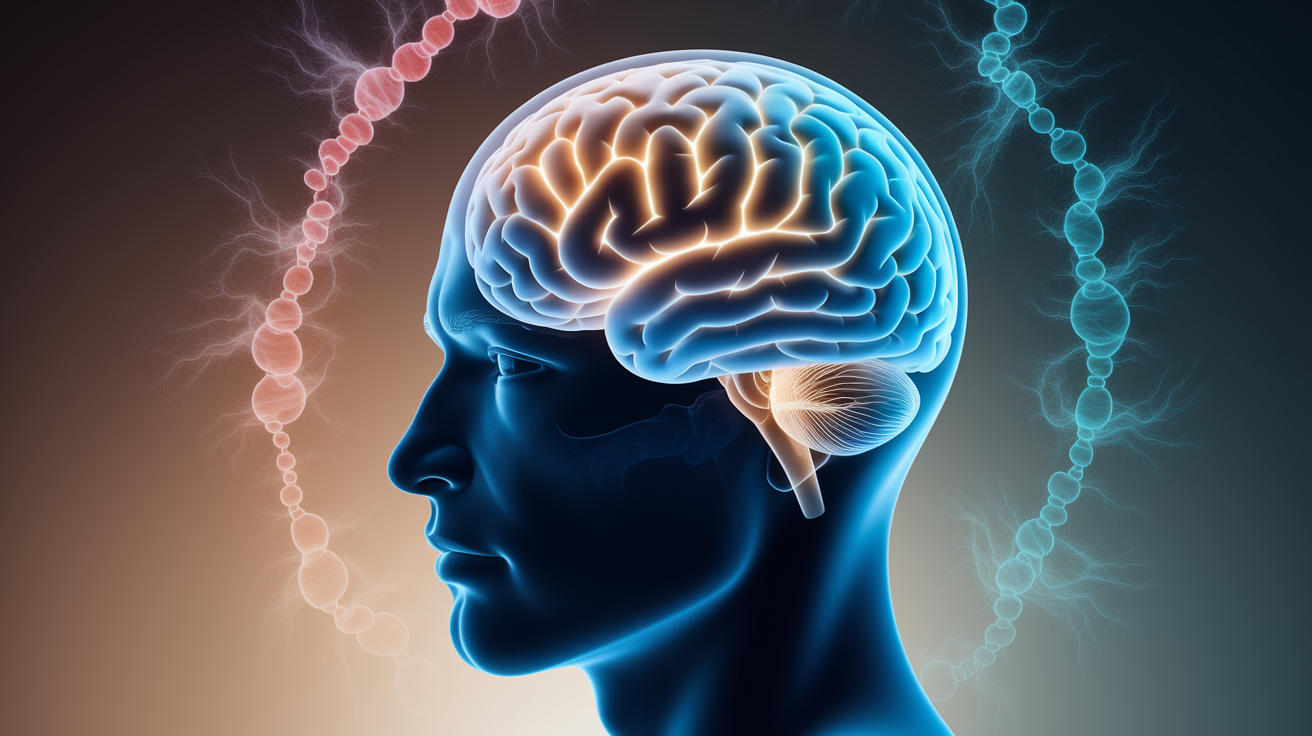
When you sit down to meditate, real changes happen inside your brain and body that calm anxiety at a biological level. Research using brain imaging shows that regular meditation reduces activity in the amygdala, the part of your brain that acts like an alarm system for threats and danger. At the same time, meditation strengthens the prefrontal cortex, the area responsible for rational thinking and emotional regulation. This shift means your brain gets better at evaluating whether a worry is truly urgent or just a passing thought. Anxious reactions become less automatic.
Meditation also changes your body’s stress chemistry. Studies consistently show that people who meditate regularly have lower levels of cortisol, the hormone your body releases during stress. High cortisol keeps you in a state of alert tension, which feeds the cycle of worry and physical unease that defines anxiety. By lowering cortisol, meditation helps your body step out of that heightened state. One well designed study found that participants in mindfulness meditation programs showed measurable drops in cortisol compared to control groups, even when both groups received similar amounts of support and attention.
Another powerful change happens in your autonomic nervous system, the network that controls automatic body functions like heart rate and breathing. Anxiety keeps you stuck in sympathetic mode, also called “fight or flight,” where your heart races and muscles stay tense. Meditation shifts your body toward parasympathetic dominance, sometimes called “rest and digest.” This is the state where your heart rate slows, blood pressure drops, and muscles relax. That shift isn’t just calming in the moment. Over time, it retrains your nervous system to return to calm more easily after stress.
The four core mechanisms supported by research include:
- Reduced amygdala reactivity, making you less sensitive to perceived threats
- Strengthened prefrontal cortex regulation, improving your ability to manage emotional responses
- Lowered cortisol production, reducing the physical and mental burden of ongoing stress
- Improved autonomic balance, helping your body favor calm over constant alertness
Key Benefits of Meditation for Anxiety Supported by Research
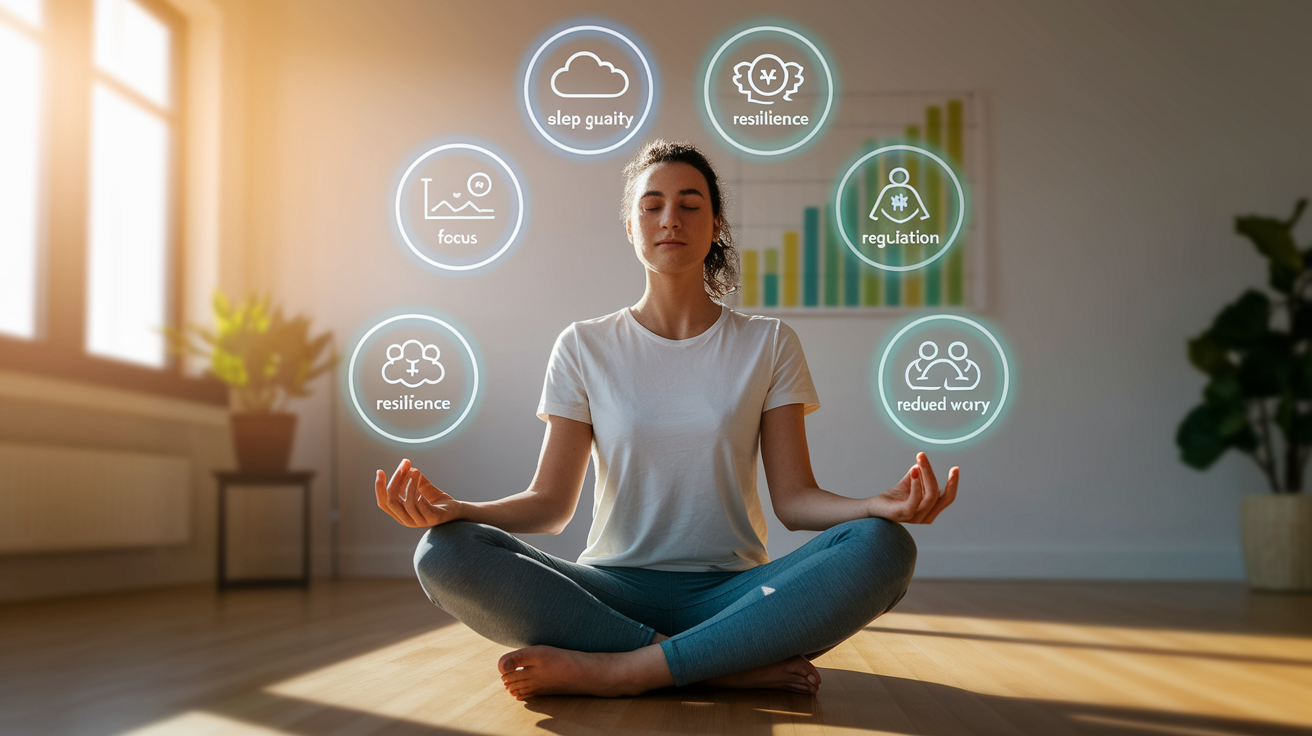
Meditation offers measurable relief across multiple areas affected by anxiety. Clinical trials using validated scales like the GAD-7 (Generalized Anxiety Disorder-7) have shown that mindfulness based programs can reduce anxiety symptoms by 20 to 30 percent over eight weeks. That’s a meaningful improvement, especially for people dealing with persistent worry that disrupts daily life. Beyond symptom scores, participants in meditation studies report better emotional stability, fewer panic episodes, and greater confidence in handling stressful situations without spiraling into overwhelming thoughts.
Sleep quality improves as well. This matters because anxiety and poor sleep feed each other. People who meditate regularly fall asleep faster and wake up less during the night. Concentration and focus also get stronger. Anxiety scatters attention, pulling your mind toward worst case scenarios or replaying past events. Meditation trains your brain to notice when thoughts drift and gently return focus to the present, a skill that carries over into work, conversations, and daily tasks.
Research backed benefits of meditation for anxiety include:
- Reduced scores on validated anxiety assessments like GAD-7 and Beck Anxiety Inventory
- Better emotional regulation, with fewer intense mood swings and quicker recovery from stress
- Improved resilience, helping you bounce back from setbacks without prolonged worry
- Enhanced sleep onset and quality, breaking the cycle of anxious insomnia
- Stronger concentration and mental clarity, making it easier to complete tasks without distraction
- Lower physical symptoms of anxiety, such as muscle tension, headaches, and stomach upset
Types of Meditation Proven Effective for Anxiety Relief
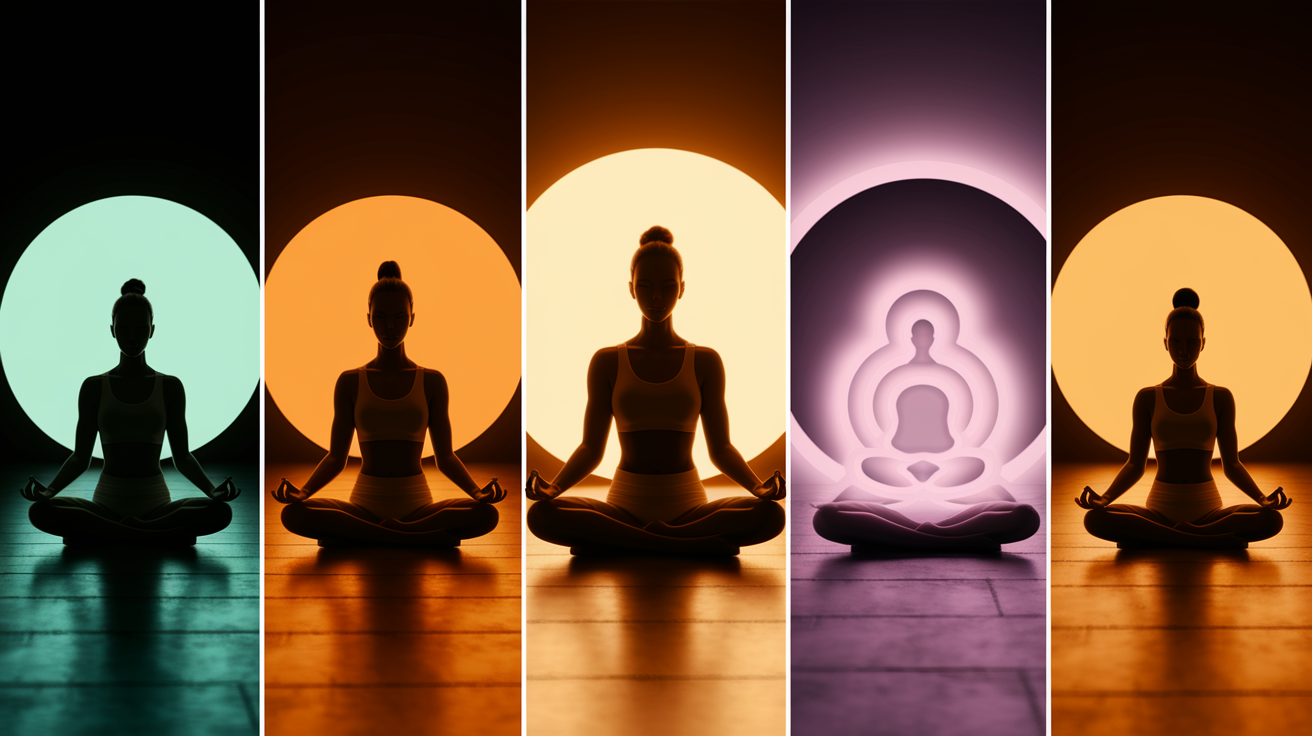
Mindfulness Meditation
Mindfulness meditation teaches you to observe your thoughts without judging them or getting pulled into their story. For someone with anxiety, this is powerful because it breaks the cycle of rumination, where one worry triggers another until your mind feels overwhelmed. You sit quietly, notice when an anxious thought appears, name it as “thinking” or “worrying,” and return your attention to your breath or body. Over time, this practice creates distance between you and your thoughts. You start to see worries as passing mental events rather than facts that demand an immediate response. Research shows that people with generalized anxiety disorder who practice mindfulness meditation experience fewer uncontrollable worry episodes and report feeling less defined by their anxious thinking.
Breathing Meditation
Breathing meditation focuses entirely on the rhythm and sensation of each breath. This type of practice directly calms the physical side of anxiety. When you breathe slowly and deeply, especially using belly breathing, you send a signal to your nervous system that it’s safe to relax. Your heart rate slows, blood pressure drops, and tight muscles begin to release. Anxious breathing tends to be shallow and fast, centered in the chest, which keeps your body in a state of alert. Breathing meditation retrains that pattern. Even a few minutes of intentional breathing can interrupt a rising panic response or ease the jittery feeling that comes with ongoing stress.
Body Scan Meditation
Body scan meditation guides your attention slowly through each part of your body, from your toes to the top of your head. Anxiety often shows up as physical tension. Tightness in your shoulders, clenching in your jaw, or a knot in your stomach, and you might not even notice it until it becomes severe. The body scan helps you become aware of where tension lives and gives you a chance to consciously relax those areas. As you mentally “scan” each body part, you notice sensations without trying to change them right away, which reduces the urge to fight or fear what you’re feeling. This practice is especially helpful before sleep, when anxious energy can make it hard to settle down.
Loving Kindness Meditation
Loving kindness meditation, also called metta meditation, involves silently repeating phrases of goodwill toward yourself and others, such as “May I be safe, may I be peaceful, may I be free from suffering.” For people with anxiety, this practice counters the harsh self criticism and sense of threat that often accompany worry. Anxiety can make you feel isolated or convince you that something is fundamentally wrong with you. Loving kindness meditation cultivates feelings of warmth, connection, and emotional safety. Studies show it increases positive emotions and reduces symptoms of social anxiety, helping people feel less defensive and more open in relationships and daily interactions.
Beginner Friendly Steps to Start Meditation for Anxiety
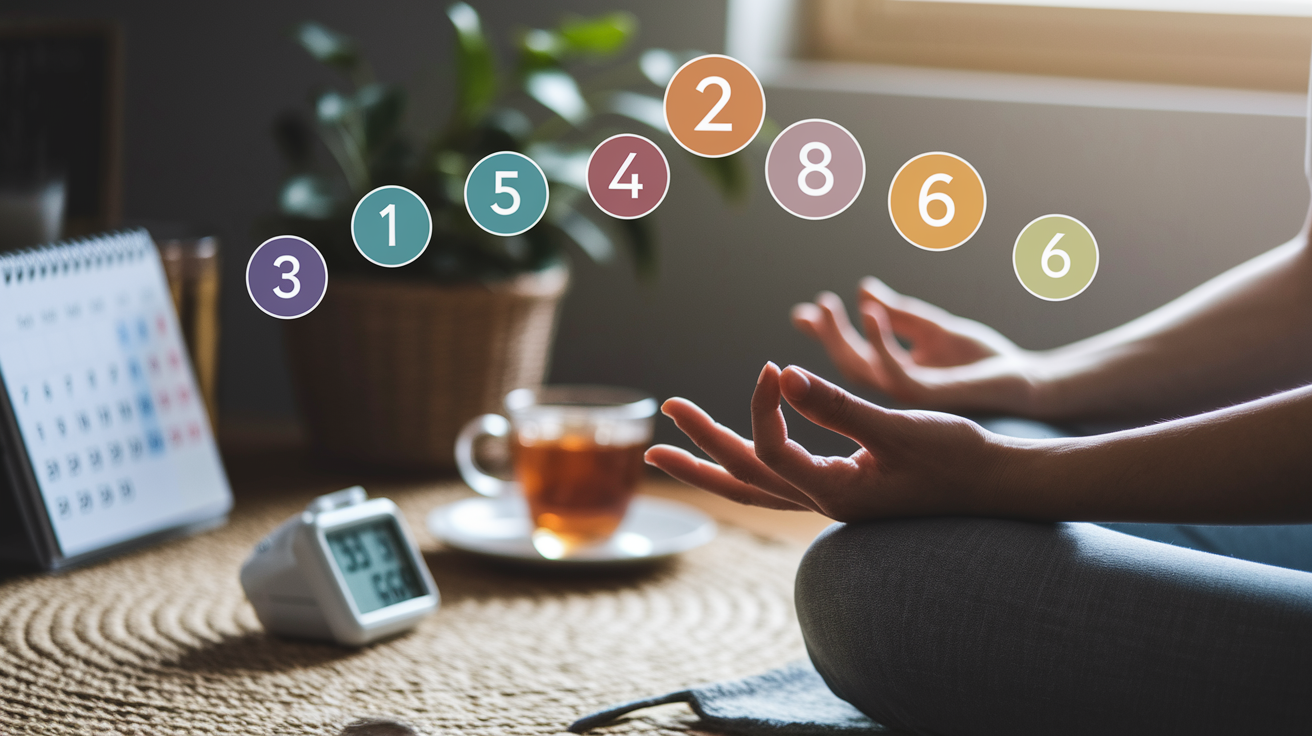
Starting a meditation practice when you feel anxious can seem overwhelming, but the process works best when you keep it simple and build consistency over time. You don’t need special equipment, long sessions, or a perfectly quiet space. What matters most is showing up regularly, even if it’s just for a few minutes.
Follow these steps to build a sustainable meditation routine for anxiety:
- Set a timer for five minutes so you’re not watching the clock or worrying about when to stop.
- Choose a comfortable posture, sitting in a chair with your feet flat on the floor, cross legged on a cushion, or even lying down if sitting feels too difficult.
- Focus your attention on your breath, noticing the sensation of air moving in and out of your nose or the rise and fall of your belly.
- When your mind wanders to worries or to do lists, gently guide your attention back to your breath without criticizing yourself for losing focus.
- End each session by taking a slow, deep breath and noticing how your body feels before you stand up or move on with your day.
- Track your progress by writing down when you practiced, even if it’s just a checkmark on a calendar, so you can see your consistency build over time.
If five minutes feels too long at first, start with one or two minutes. The goal isn’t perfection. It’s about creating a habit where your brain and body learn that this is a safe, regular practice. Over the first few weeks, you may notice that your mind still races during meditation. That’s completely normal. Anxiety doesn’t disappear overnight. What changes is your relationship to the anxious thoughts. You begin to see them as temporary visitors rather than permanent truth.
Practical Tips for Managing Anxiety Through Meditation

Even with a solid meditation routine, anxious individuals often face specific challenges that can make practice feel frustrating or ineffective. Restlessness is common. Your body might feel jittery, or you might have the urge to stand up and move before the session is over. If that happens, try shorter sessions or incorporate gentle movement like stretching before you sit down. You can also experiment with walking meditation, where you focus on the sensation of each step rather than sitting still. Intrusive thoughts are another frequent obstacle. Anxious minds often flood with worst case scenarios or urgent feeling worries during meditation. Remember that the point isn’t to stop thoughts from appearing. It’s to notice them and return to your breath or body without getting pulled into the story the thought is telling.
Perfectionism can sabotage your practice before it takes root. Many people with anxiety believe they’re “doing it wrong” if their mind wanders or if they don’t feel immediately calm. Meditation isn’t about achieving a blank mind or a specific feeling. It’s a skill that builds over time through repetition. Some sessions will feel easier than others, and that’s part of the process. If you miss a day, just start again the next day without judgment.
Helpful adjustments to make meditation work for anxiety include:
- Use shorter sessions during high anxiety periods. Even 60 seconds of focused breathing counts as practice.
- Pair meditation with a calming ritual like drinking tea or dimming the lights to signal to your body that it’s time to settle.
- Practice in a consistent, quiet space where you feel safe, whether that’s a corner of your bedroom or a spot outside.
- Use grounding techniques like placing your hand on your belly or focusing on the feeling of your feet on the floor when your mind feels too scattered to focus on breath alone.
Final Words
Start practicing with short, consistent sessions. This article explained how meditation soothes the brain, lowers stress hormones, and shifts your nervous system toward calm.
We also covered research-backed benefits like lower anxiety scores, better sleep, and clearer focus. You read about four helpful styles—mindfulness, breathing, body scan, and loving-kindness—and a simple six-step starter routine.
Use practical tips—short sessions, grounding, and quiet spaces—to make it work for you. The benefits of meditation for anxiety are real for many people; try a few minutes a day and you may feel steadier.
FAQ
Q: Does meditating actually help anxiety and can meditation solve anxiety?
A: Meditating does help anxiety by lowering worry and improving coping, but it doesn’t always solve root causes; it often reduces symptoms and works best with therapy, lifestyle changes, or medication when needed.
Q: Does Tylenol help anxiety?
A: Tylenol does not help anxiety directly. It can ease physical discomfort but is not a treatment for anxiety. Ask a clinician about proven options like therapy, breathing techniques, or prescribed medicines.
Q: What vitamins are good for panic attacks and anxiety?
A: Vitamins good for panic attacks and anxiety include B vitamins (B6, B12) and vitamin D; minerals like magnesium and omega-3 fatty acids also support mood. Check with your clinician before starting supplements.