

Can a single blood test tell you whether you have diabetes?
Not usually. The American Diabetes Association and World Health Organization rely on four different blood tests, HbA1c (average blood sugar over 2 to 3 months), fasting plasma glucose, oral glucose tolerance test, and random plasma glucose, and they often require a second abnormal result on a different day to confirm diagnosis unless levels are very high or classic symptoms are present.
This post breaks down the exact numeric cutoffs, how each test works, when doctors repeat tests, and which situations need urgent care.
Diagnostic Criteria for Diabetes (ADA/WHO)
The American Diabetes Association and World Health Organization use four different blood tests to diagnose diabetes. Each one measures glucose differently, but they’re all looking for the same thing: blood sugar that’s consistently too high. You’ll usually need a second test on a different day to confirm the diagnosis, unless your glucose is extremely elevated or you’re already dealing with classic symptoms like peeing constantly, unquenchable thirst, and losing weight without trying.
Hemoglobin A1c (HbA1c) shows your average blood sugar over the past two to three months. If it’s 6.5% or higher, that’s diabetes. You don’t have to fast before this test, which makes it easier for a lot of people. The lab needs to use an assay that’s certified by the National Glycohemoglobin Standardization Program and standardized to the Diabetes Control and Complications Trial reference method.
Fasting plasma glucose (FPG) gets measured after you’ve gone at least eight hours without eating or drinking anything except water. A reading of 126 mg/dL (7.0 mmol/L) or above confirms diabetes. Most people do this test first thing in the morning because it’s more reliable that way.
Oral glucose tolerance test (OGTT) checks your blood sugar before and two hours after you drink a solution with 75 grams of glucose in it. If the two hour mark shows 200 mg/dL (11.1 mmol/L) or higher, that’s diabetes. This test catches early glucose problems better than fasting glucose does, but it takes longer and requires more prep.
Random plasma glucose can happen any time, no matter when you last ate. A random reading of 200 mg/dL (11.1 mmol/L) or higher means diabetes if you also have the classic symptoms. Without symptoms, a random test alone won’t cut it.
Here’s what the numbers need to hit for a diabetes diagnosis:
- HbA1c: ≥ 6.5%
- Fasting plasma glucose: ≥ 126 mg/dL (≥ 7.0 mmol/L)
- OGTT 2 hour plasma glucose: ≥ 200 mg/dL (≥ 11.1 mmol/L)
- Random plasma glucose: ≥ 200 mg/dL (≥ 11.1 mmol/L) plus symptoms
Prediabetes Diagnostic Thresholds
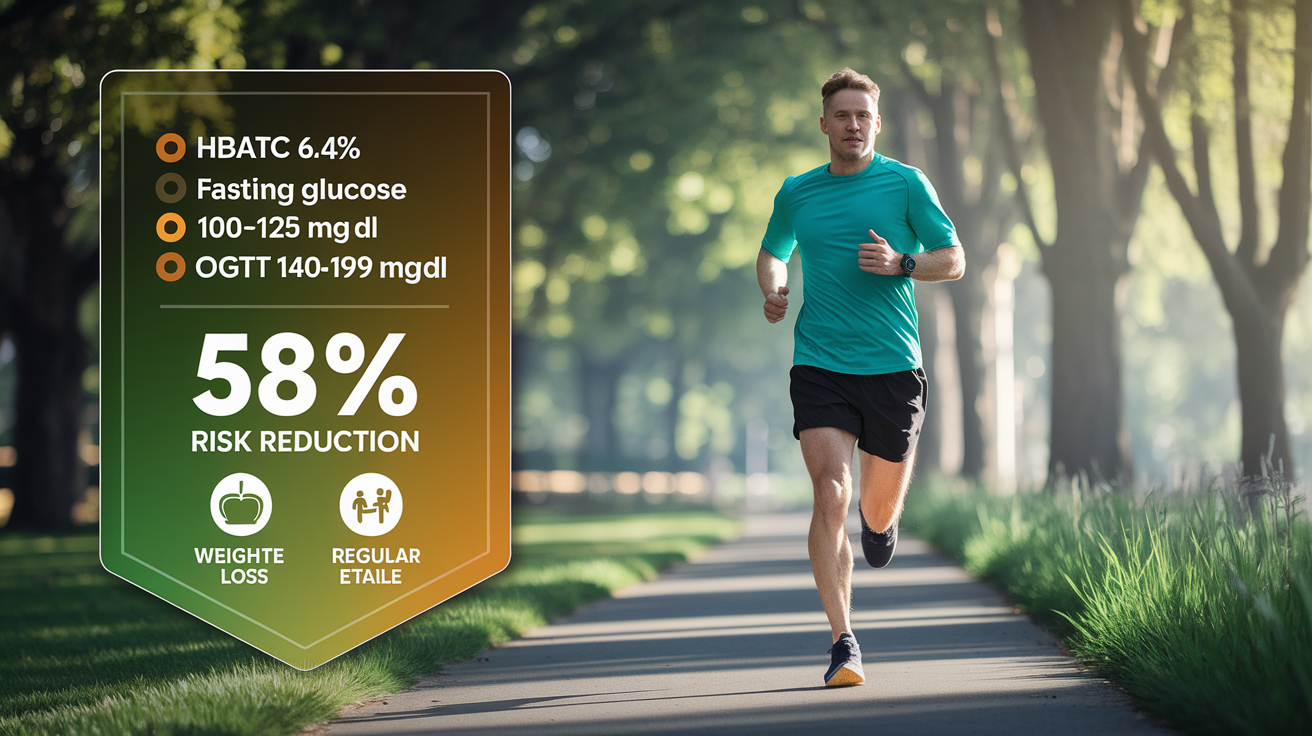
Prediabetes is the zone between normal glucose and full diabetes. It means you’re at higher risk of developing type 2 diabetes down the road. But here’s the good news: lifestyle changes can drop that risk by 58%. We’re talking about losing 7% of your body weight and getting 30 minutes of exercise five days a week. The ADA and WHO define prediabetes using three tests: HbA1c, fasting plasma glucose, and the two hour OGTT.
If you land in the prediabetes range, you should get retested every one to two years to see if things are progressing toward type 2. The prediabetes ranges are narrower than diabetes cutoffs but clearly above what’s considered normal. Any single test result in this zone should get your attention.
| Test | Prediabetes Range |
|---|---|
| HbA1c | 5.7–6.4% |
| Fasting plasma glucose | 100–125 mg/dL (5.6–6.9 mmol/L) |
| OGTT 2 hour plasma glucose | 140–199 mg/dL (7.8–11.0 mmol/L) |
Differences in Diagnostic Patterns Among Type 1, Type 2, and Gestational Diabetes
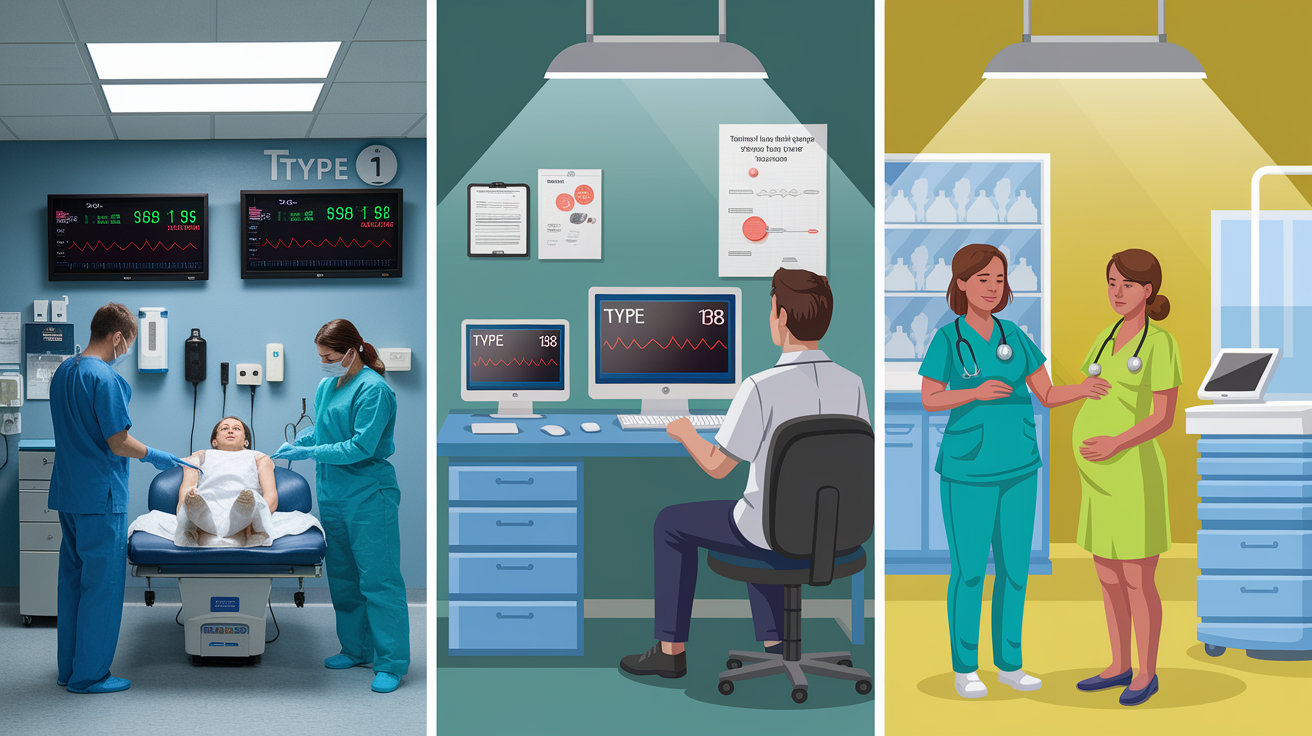
The same numeric thresholds apply across all diabetes types, but how and when people get diagnosed can look pretty different. Type 1 usually shows up fast, sometimes in just days or weeks. Someone might end up in urgent care or the ER with sky high blood glucose, ketones in their urine, and signs of diabetic ketoacidosis. When that happens, a single random glucose over 200 mg/dL plus symptoms is enough to diagnose on the spot. Doctors will usually add tests like C peptide to check insulin production or autoantibody tests like ZnT8Ab to confirm the pancreas has stopped making insulin.
Type 2 typically gets caught during routine screening, often in people who feel totally fine. Blood sugar creeps up slowly over months or even years. Your doctor might order a fasting glucose or HbA1c during your annual checkup, and the result comes back in the diabetes range. Since you’re not experiencing symptoms, they’ll want to confirm with a repeat test on a different day. Type 2 diagnosis is about persistent elevation, not a sudden emergency.
Gestational diabetes gets screened between weeks 24 and 28 of pregnancy using a 75 gram OGTT. Blood gets drawn at baseline, then again at one hour and two hours after you drink the glucose solution. Some labs also check at three hours. You’ll be diagnosed with gestational diabetes if results exceed the lab’s reference thresholds at two or more time points. Cutoffs can vary depending on the lab and which guidelines they follow, so double check the specific values your lab uses. Gestational diabetes usually goes away after delivery, but it does raise your risk of developing type 2 later on.
Explanation of Diagnostic Test Methods
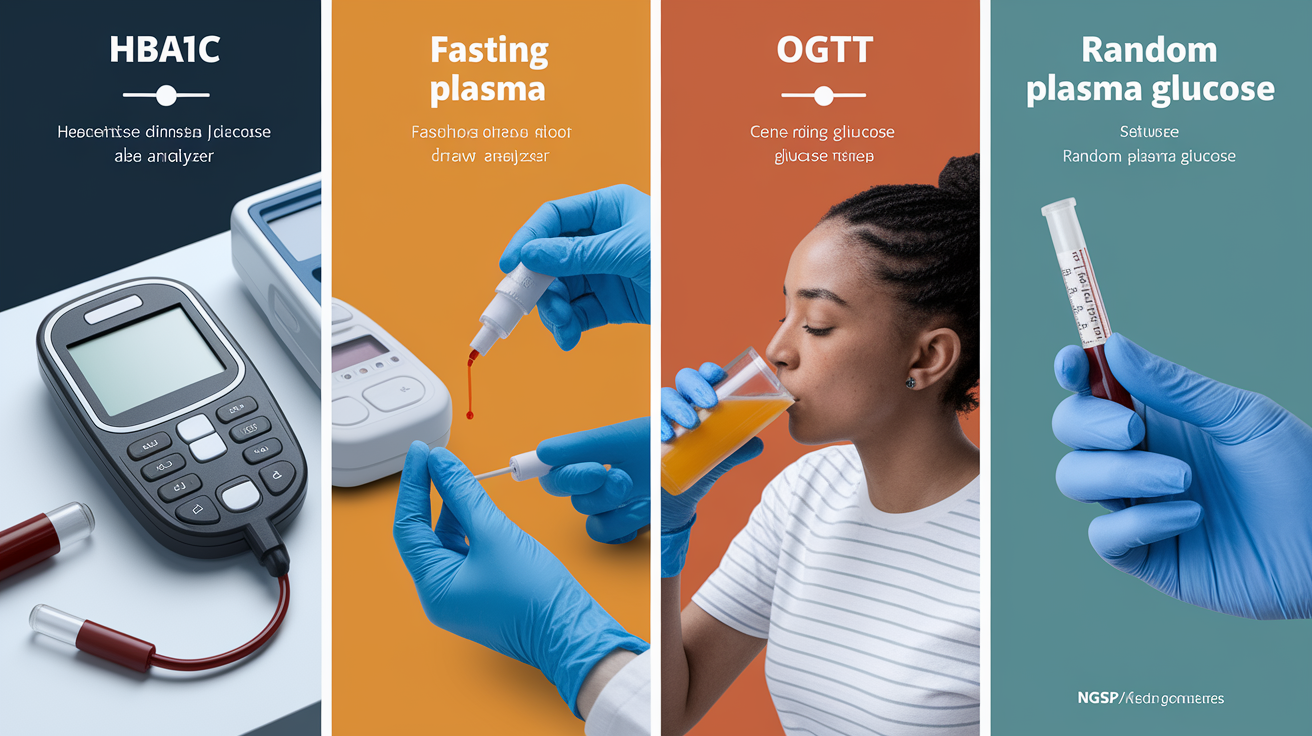
Each test has its own specific procedure. The HbA1c test measures what percentage of hemoglobin molecules in your red blood cells have glucose stuck to them. Red blood cells live about three months, so HbA1c gives you an average of your blood sugar over that period. You don’t need to fast, which means it can be done any time. The lab uses a blood sample from your vein or fingertip. To make sure results are accurate and consistent, the lab’s method has to be NGSP certified and standardized to the DCCT reference assay.
The fasting plasma glucose test means you skip all food and drinks except water for at least eight hours. Most people schedule it first thing in the morning. A phlebotomist draws blood from a vein in your arm, and the lab measures glucose concentration in your plasma. If the result hits 126 mg/dL or higher, you’ll usually get asked to repeat the test another day for confirmation.
The oral glucose tolerance test is a two hour process that tracks how your body handles a standard dose of glucose. Here’s what happens:
- Fast for at least eight hours beforehand, just like you would for a fasting glucose test.
- A baseline blood sample gets drawn to measure your fasting glucose.
- Drink a solution with exactly 75 grams of glucose dissolved in water.
- A second blood sample gets drawn exactly two hours later to measure your two hour plasma glucose.
If that two hour result is 200 mg/dL or higher, that indicates diabetes. The OGTT catches early glucose issues better than fasting glucose does, but it takes more time and some people really don’t like the sweet drink.
Recent and Notable Guideline Updates

The ADA Professional Practice Committee published updated Standards of Care in January 2025. Recent changes push for earlier and more frequent screening if you’re at high risk, including people with obesity, family history, or a history of gestational diabetes. Adults should now start screening at age 35, or earlier if risk factors are present. This shift comes from growing evidence that catching prediabetes or early diabetes allows for timely intervention, whether through lifestyle changes or medication.
Laboratory standardization for HbA1c got reinforced. All labs doing HbA1c testing must use NGSP certified methods so results can be compared across different facilities and over time. This matters especially if you move, switch insurance, or see multiple providers. Updated guidance also clarifies when you need repeat testing: if your high glucose isn’t unequivocal (meaning you don’t have extremely high readings or classic symptoms), diagnosis requires abnormal results from two different tests, like HbA1c plus fasting glucose, obtained either at the same time or on separate days. This confirmation rule cuts down the chance of diagnosing diabetes based on a single lab error or a temporary glucose spike from stress.
Final Words
In the action, we laid out the four key tests—HbA1c, fasting glucose, OGTT, and random glucose—and the numeric cutoffs that define diabetes and prediabetes.
We also explained how tests are done, how diagnostic patterns differ for type 1, type 2, and gestational diabetes, and noted recent guidance changes like earlier screening and stronger HbA1c standardization.
Use these cutoffs to track results, note timing and symptoms, and bring them to your clinician. This summary should make diabetes diagnosis criteria easier to discuss and act on. Stay proactive—small steps help.
FAQ
Q: What are the four criteria for diagnosis of diabetes?
A: The four criteria for diagnosis of diabetes are: HbA1c ≥6.5%; fasting plasma glucose ≥126 mg/dL (7.0 mmol/L); 2‑hour OGTT ≥200 mg/dL (11.1 mmol/L); or random plasma glucose ≥200 mg/dL (11.1 mmol/L) with symptoms.
Q: Do you need two A1C to diagnose diabetes?
A: You do not always need two A1C tests to diagnose diabetes; one A1C ≥6.5% can diagnose if classic symptoms are present, but without symptoms clinicians usually repeat the test or confirm with a glucose measurement.
Q: What is the first thing to do when diagnosed with diabetes?
A: The first thing to do when diagnosed with diabetes is meet your clinician for a clear plan: learn how and when to check blood sugar, ask about medicines, and get basic education on diet and activity.
Q: Is type 2 diabetes your own fault?
A: Type 2 diabetes is not simply your fault; it comes from a mix of genetics, age, body changes, and environment as well as lifestyle. Focus on steps that help and work with your clinician.