


Think diabetes is just about eating too much sugar? Think again.
Diabetes starts when your blood-sugar control system breaks—either when cells ignore insulin (insulin resistance) or the pancreas can’t make enough of it.
This post explains the main causes—insulin resistance, excess belly fat, diet and inactivity, genetics, and the autoimmune form—and shows which risks you can change and which need medical care.
Knowing your risk helps you take simple steps to lower it.
Core Reasons Behind Diabetes Development
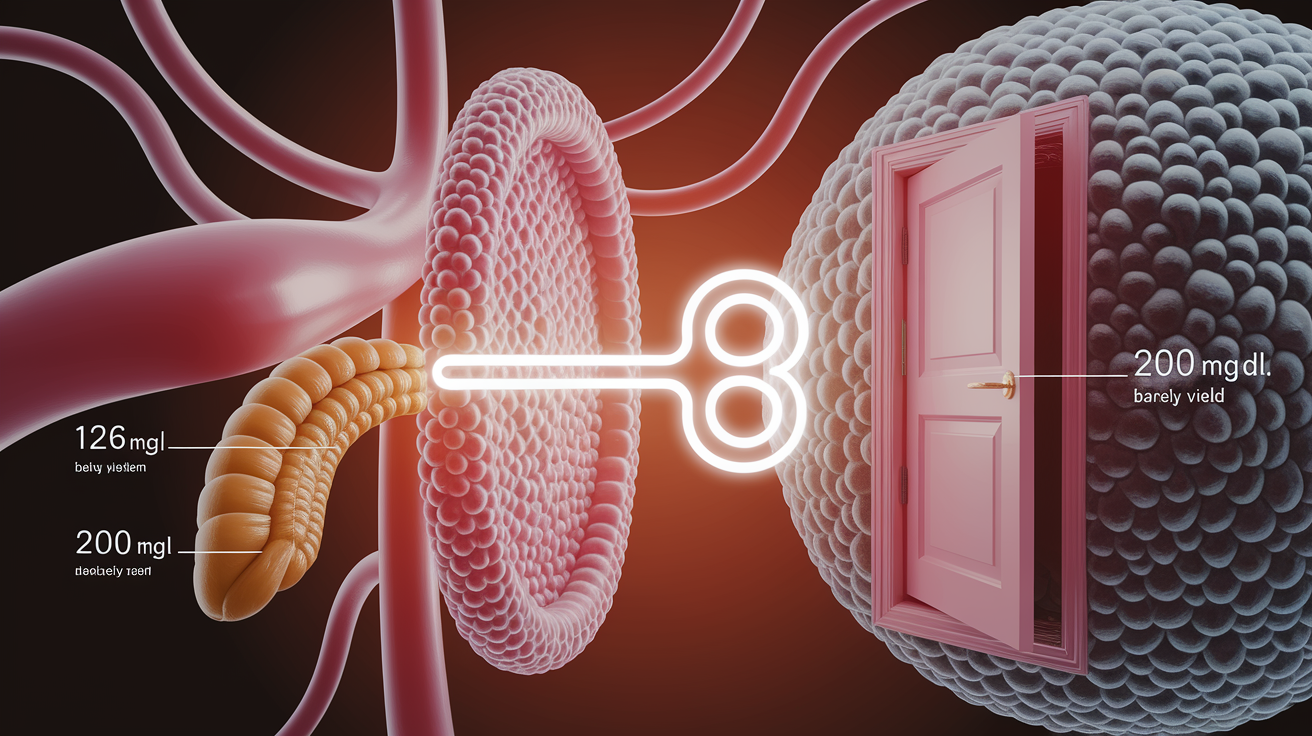
Diabetes shows up when your body’s blood sugar management system stops working. Here’s how it’s supposed to go: you eat, your pancreas releases insulin, and that insulin acts like a key that unlocks your cells so glucose can leave your bloodstream and power your muscles, liver, and everything else. When this breaks down, glucose just sits in your blood instead of fueling your body.
The system can fail in two main ways. First, insulin resistance, where your cells basically ignore insulin even though your pancreas keeps making it. Second, your pancreas simply can’t produce enough insulin to keep glucose in a safe zone. A lot of people deal with both at once. Over months or years, elevated blood sugar quietly damages nerves, kidneys, eyes, and blood vessels. Eventually you hit clinical thresholds and get the diagnosis: fasting glucose at 126 mg/dL or higher, random glucose at 200 mg/dL or above with symptoms, an oral glucose tolerance test hitting 200 mg/dL at the two hour mark, or an A1C of 6.5% or more.
No matter which type you’re dealing with, the outcome is the same. Too much glucose floating in your blood, not enough reaching the places it needs to be. Symptoms show up when glucose stays high for weeks or longer: you’re thirsty all the time, you’re running to the bathroom constantly, you’re losing weight without trying, you’re exhausted, and your vision gets blurry.
What actually breaks down when diabetes develops:
- Insulin resistance, where cells stop responding to insulin’s signal
- Beta cell dysfunction, your pancreas produces less insulin as time goes on
- Sustained high blood sugar because glucose can’t get into cells
- Symptom onset once chronic high glucose triggers thirst, frequent urination, fatigue, and other warning signs
How Insulin Resistance Contributes to Diabetes

Insulin resistance doesn’t just appear one day. It builds slowly as fat piles up inside and around your organs, particularly your liver and pancreas. When fat surrounds the liver, that organ becomes less responsive to insulin’s signal to stop dumping stored glucose into your blood. When fat invades the pancreas, the beta cells that make insulin start working less efficiently. Your pancreas tries to make up for it by cranking out more insulin, and for a while that keeps blood sugar in check. But the beta cells eventually can’t maintain that pace, and glucose begins climbing.
Certain patterns and exposures make resistance worse. Carrying extra weight, especially around your midsection, floods your bloodstream with fatty acids and inflammatory molecules that block insulin’s action. A sedentary routine makes it worse because muscle, one of your body’s biggest glucose consumers, becomes less able to clear sugar from your blood when it’s inactive. Chronic stress and poor sleep pile on another layer by raising cortisol and other hormones that mess with insulin signaling. Even some medications, like long term steroid use, can push your cells toward resistance.
What makes insulin resistance worse:
- Excess belly fat, especially a waist over 35 inches in women or over 40 inches in men
- Being inactive and sitting for long stretches, which reduces how much glucose your muscles can absorb
- Chronic inflammation from obesity, infection, or stress
- Hormonal problems like high cortisol or imbalanced sex hormones
- Certain drugs including steroids, antipsychotics, and some blood pressure meds
Autoimmune Causes Behind Type 1 Diabetes
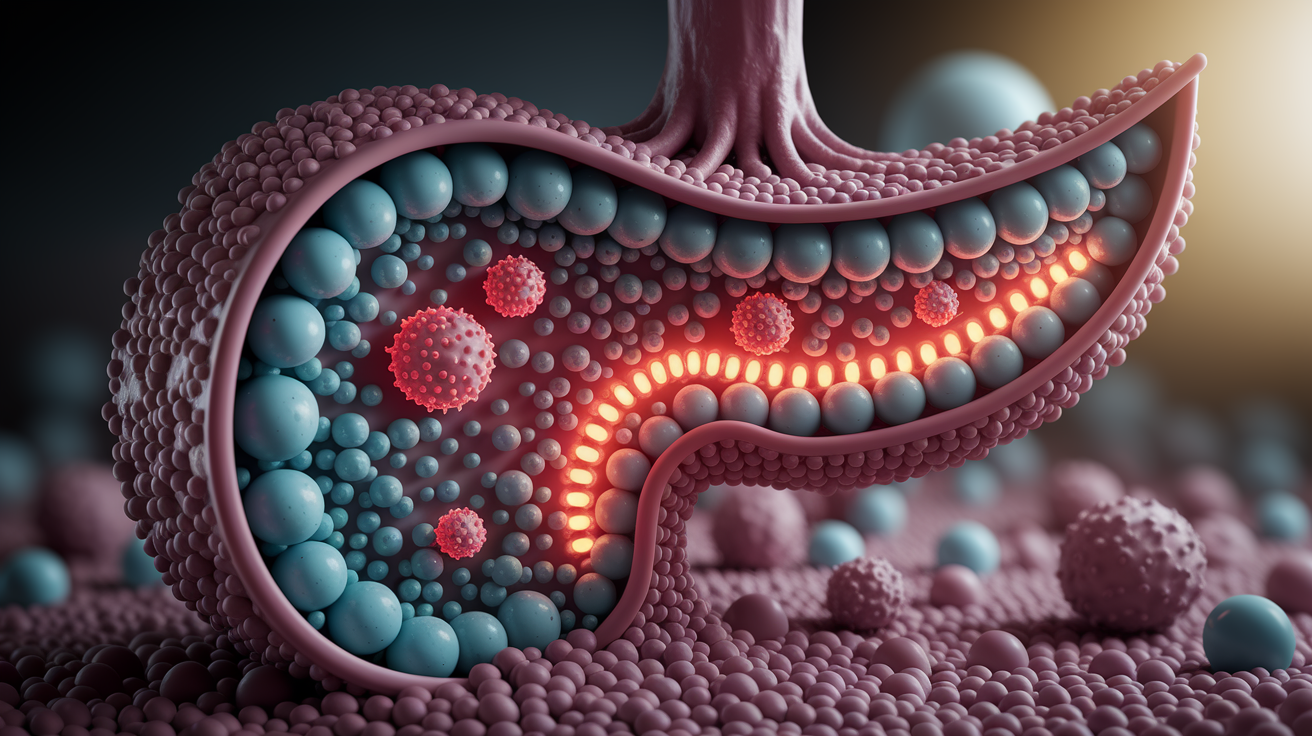
Type 1 diabetes starts from a completely different place. Your immune system mistakenly tags the insulin producing beta cells in your pancreas as threats and attacks them. Over months or years, this autoimmune assault wipes out enough beta cells that your pancreas can’t make the insulin your body requires. Without insulin, glucose can’t get into cells and blood sugar shoots up fast. Unlike type 2, this isn’t about weight, diet, or lifestyle. You can’t prevent it, and you need insulin therapy for life from the moment you’re diagnosed.
Genetics play a big part. Certain gene variants increase the odds that your immune system will misfire and go after beta cells. Environmental triggers, maybe a viral infection or some other exposure early in life, might kick off the autoimmune process in people carrying those high risk genes. Researchers still can’t pinpoint what flips the switch, but once it starts the immune attack is progressive and can’t be reversed.
Stages of Beta Cell Autoimmune Progression
Scientists now break down type 1 development into three distinct stages. Stage one means you’ve got two or more diabetes related autoantibodies in your blood, but your glucose is normal and you feel fine. Stage two means those autoantibodies are still there and your blood sugar is starting to rise, though not high enough for a diagnosis yet and you still don’t have symptoms. By stage three, enough beta cells are gone that blood sugar crosses diagnostic thresholds and symptoms appear: extreme thirst, constant trips to the bathroom, unexplained weight loss, and exhaustion. At that point you need insulin right away to stay safe.
Weight, Obesity, and Fat Distribution as Drivers of Diabetes

Obesity and physical inactivity together drive 90 to 95% of type 2 cases. The connection between body mass and diabetes risk is direct and steep. For males or people assigned male at birth over 18, a BMI below 18.5 puts lifetime risk around 7%. When BMI climbs above 35, that risk jumps to roughly 70%. For females or people assigned female at birth over 18, a BMI of 18.5 means about 12% lifetime risk, while a BMI at or above 35 pushes it to roughly 74%. The message is clear: more weight means higher risk.
Where you store fat matters just as much as how much you’re carrying. Fat concentrated around your waist, called visceral fat, wraps around your liver, pancreas, and other abdominal organs. This type of fat is metabolically active, pumping out hormones and fatty acids that interfere with insulin. A waist over 35 inches in women or over 40 inches in men is a recognized risk factor, even if your BMI looks healthy. Losing 5 to 10% of your current weight can boost insulin sensitivity, bring blood sugar down, and reduce your odds of moving from prediabetes to full diabetes.
Not everyone with diabetes is overweight, though. Around 10% of people with type 2 have a healthy BMI. For them, fat distribution, genetics, or other metabolic issues are driving things. But for most people, weight and waist size are the strongest modifiable predictors of risk.
| BMI Range | Lifetime Diabetes Risk (%) |
|---|---|
| ≤18.5 (males/AMAB) | ~7% |
| >35 (males/AMAB) | ~70% |
| 18.5 (females/AFAB) | ~12% |
| ≥35 (females/AFAB) | ~74% |
Dietary and Lifestyle Causes Linked to Diabetes

What you eat and how much you move shape your diabetes risk just as powerfully as your weight. Diets loaded with red meat, processed meats like bacon and sausages, sugary drinks, fried foods, and refined carbs such as white bread and sugary cereals are strongly tied to higher diabetes rates. These foods spike blood sugar quickly and drive weight gain, inflammation, and insulin resistance. In contrast, diets rich in fruits, vegetables, whole grains, unsweetened yogurt, and oily fish are linked to lower risk.
Sitting all day is just as damaging. When you’re inactive most of the time, your muscles burn less glucose and become less responsive to insulin. Over time that leads to higher baseline blood sugar and forces your pancreas to work overtime. Studies show that getting at least 150 minutes per week of moderate exercise, like brisk walking or cycling, cuts diabetes risk significantly. Even small bumps in daily movement, like taking the stairs or walking after meals, can make a real difference.
Dietary and lifestyle patterns that raise risk:
- Drinking full sugar sodas and energy drinks regularly
- Eating red or processed meats frequently
- Daily intake of refined carbs and low fiber foods
- Eating fried foods and foods high in saturated or trans fats
- Being sedentary most of the day with little to no exercise
- High salt intake from processed and packaged foods
Genetic and Family History Contributions to Diabetes

If a close blood relative has diabetes, your own risk shoots up. Having a parent, sibling, or child with type 2 makes you about two to six times more likely to develop it yourself. This family connection reflects shared genes and also shared environments, eating habits, and activity levels. Type 2 isn’t caused by a single gene. Researchers have found hundreds of genetic variants that each nudge risk up a bit. When several cluster in one person, the cumulative effect can be significant.
Ethnicity also factors in, likely due to a mix of genetic susceptibility and social circumstances. African American, Native American, Hispanic, and Asian American populations face higher diabetes rates than non-Hispanic white populations, and they often develop it younger. These differences aren’t fully explained by weight or lifestyle alone, which suggests that inherited traits influence how your body handles insulin and glucose. You can’t change your genes or your family history, but knowing your risk can push you toward earlier screening and more aggressive prevention.
What you inherit that raises diabetes risk:
- Hundreds of gene variants affecting insulin production, insulin action, and glucose metabolism
- Close family history, which multiplies risk by two to six times
- Ethnicity linked genetic susceptibility, especially in African American, Native American, Hispanic, and Asian groups
Medical Conditions and Medications That Increase Diabetes Risk

Certain health conditions and prescription drugs can raise blood sugar or trigger diabetes in people who might not otherwise get it. Metabolic syndrome, a cluster that includes high waist circumference, low HDL cholesterol (below 40 mg/dL in men or below 50 mg/dL in women), high triglycerides (especially above 500 mg/dL), high blood pressure, and impaired fasting glucose, dramatically increases diabetes risk. Polycystic ovary syndrome, a hormonal disorder common in women of reproductive age, also raises risk through insulin resistance and weight gain. People who’ve had an organ transplant face higher diabetes rates due to both the immunosuppressant meds they take and metabolic stress.
High blood pressure and abnormal cholesterol aren’t just complications of diabetes. They can come first and help cause it. Chronic inflammation, whether from autoimmune disease, infection, or obesity, interferes with insulin signaling. Even some infections and environmental toxins have been linked to beta cell damage, though the evidence is still coming together.
A range of commonly prescribed drugs can push blood sugar higher. Steroids used for asthma, arthritis, or autoimmune conditions are well known offenders. Others include immunosuppressants like tacrolimus (brand names Astagraf, Prograf), niacin (used to raise HDL cholesterol), some statins, certain antipsychotic drugs, some chemo agents, and thiazide diuretics used for blood pressure control. If you’re taking any of these long term, regular blood sugar screening is smart.
High Risk Medication Categories
Immunosuppressants, especially those used after organ transplant, mess with insulin production and increase insulin resistance. Corticosteroids make blood sugar rise by getting the liver to release more glucose and reducing how well insulin works in muscle and fat tissue. Certain psychiatric medications, particularly some second generation antipsychotics, promote weight gain and insulin resistance. Even drugs meant to protect your heart or lower cholesterol can have unintended metabolic side effects. If you need one of these medications, your doctor should be checking your glucose and talking through whether diet, exercise, or other treatments can offset the risk.
Pregnancy, Hormones, and Gestational Diabetes Causes

Pregnancy changes how your body uses insulin. Hormones made by the placenta, especially human placental lactogen, increase insulin resistance so enough glucose reaches the growing baby. For most pregnant people, the pancreas compensates by making more insulin. But in some cases the pancreas can’t keep up, and blood sugar rises above normal. This condition, gestational diabetes, is usually diagnosed between 24 and 28 weeks of pregnancy, though it can show up earlier or later.
Gestational diabetes usually goes away after delivery, but it leaves a lasting mark. Women who’ve had it face a much higher lifetime risk of developing type 2 diabetes. Babies born to mothers with gestational diabetes are more likely to be large at birth (over 9 pounds), have low blood sugar shortly after birth, and develop type 2 diabetes later in life. The condition also raises the mother’s risk of preeclampsia and cesarean delivery during the pregnancy itself.
Risk factors that make gestational diabetes more likely:
- Being overweight or obese before pregnancy
- Family history of type 2 diabetes
- Previous gestational diabetes in an earlier pregnancy
- Delivering a baby weighing more than 9 pounds in the past
Additional Behavioral and Environmental Contributors to Diabetes

Smoking raises your risk of developing type 2 diabetes by 30 to 40%, and the more you smoke the higher that risk goes. Nicotine and other chemicals in tobacco reduce insulin sensitivity and promote inflammation. Chronic alcohol use, especially heavy drinking, can damage your pancreas and liver, both of which play central roles in glucose regulation. Even moderate drinking may raise risk if you’re already carrying other risk factors.
Sleep matters more than most people think. Chronic sleep deprivation and sleep disorders like sleep apnea mess with hormones that control hunger and blood sugar, including insulin, cortisol, and growth hormone. Poor sleep makes you more likely to gain weight and less able to manage glucose effectively. Chronic stress works through similar pathways, keeping cortisol elevated and pushing blood sugar higher over time. For type 1 diabetes, researchers suspect certain viral infections or environmental toxins might trigger the autoimmune response in genetically susceptible people, though the exact triggers are still unclear.
Final Words
We covered the core biology: when the body can’t make enough insulin, can’t use it properly (insulin resistance), or the immune system destroys insulin-making cells. Those problems let glucose build up and lead to symptoms.
The article also showed common contributors — genetics, body fat distribution, certain medicines, pregnancy hormones, diet and activity, and some infections or stressors — and how clinicians confirm diabetes.
If you’re still asking what causes diabetes, these are the main paths to watch. With tracking and care, many people manage blood sugar well.
FAQ
Q: What is the major cause of diabetes?
A: The major cause of diabetes is the body’s inability to make enough insulin or use it well, which raises blood sugar; insulin resistance and beta‑cell (insulin‑making cell) failure are the main mechanisms.
Q: Does eating lots of sugar cause diabetes, and what foods should diabetics avoid?
A: Eating lots of sugar does not directly cause diabetes for most people, but it raises risk; people with diabetes should avoid sugary drinks, processed meats, fried foods, and refined carbohydrates.
Q: What does living with diabetes feel like?
A: Living with diabetes often feels like daily blood sugar checks, taking medication or insulin, watching food and activity, and coping with symptoms like fatigue or frequent thirst while building steady routines.