


What if a simple deep breath sets off a cough every time?
That sudden cough often happens because a big inhale moves mucus, stretches sensitive airway nerves, or pulls irritants deeper into your lungs.
It can be a one-time thing from cold air or smoke, or a sign of asthma, lingering infection, reflux, or chronic bronchitis.
This post walks through the most common causes, how to tell them apart, and when you should seek care.
You’ll learn practical steps to track triggers and reduce coughing right away.
Why Deep Breaths Trigger Coughing: Immediate Answer to Your Symptom

When you take a deep breath and start coughing, your body’s reacting to a shift in airway pressure, mucus that just moved, or something irritating your respiratory tract. Deep inhalation pulls more air across your airways, stretching the walls and waking up nerve endings that pick up on irritation. If there’s mucus sitting in your bronchial tubes, that sudden rush of air can shift it around and set off your cough reflex to clear things out. Already dealing with inflamed or sensitive airways? That deep breath just amplifies whatever’s bothering them and you cough right away.
This can happen to perfectly healthy people after breathing cold air, smelling something strong, or sitting in overheated, dry rooms. It can also point to something going on underneath like asthma, an infection that hasn’t quite cleared, or reflux creeping up your throat. One cough after a big breath isn’t usually a problem. But if you’re coughing every single time you breathe in fully, something’s irritating or sensitizing your airways. Paying attention to when and where it happens gives you clues.
Most of the time, coughing triggered by deep breaths comes down to one of these:
- Mucus or postnasal drip left over from a cold, flu, or allergies coating your throat or upper airways
- Airway irritation from smoke, harsh cleaning products, perfume, or pollution
- Inflammation in your bronchial tubes because of asthma, bronchitis, or a recent respiratory infection
- Cold or dry air making your airways tighten up a bit or drying out the mucous lining
- Deep inspiration-provoked cough, a pattern where you cough consistently after full inhalation even when other symptoms are barely there
- Reflux letting stomach acid reach your lower throat or airways, leaving them hypersensitive
Red flags? Severe shortness of breath that won’t go away after a few minutes, sharp chest pain, fever above 101°F, or coughing up blood. Any of those mean you need to see someone right away. For most people, figuring out the trigger and cutting it out (adjusting humidity indoors, staying away from smoke, treating allergies, managing reflux) solves the problem without needing anything more.
Mechanisms Behind Deep-Breath-Triggered Coughing
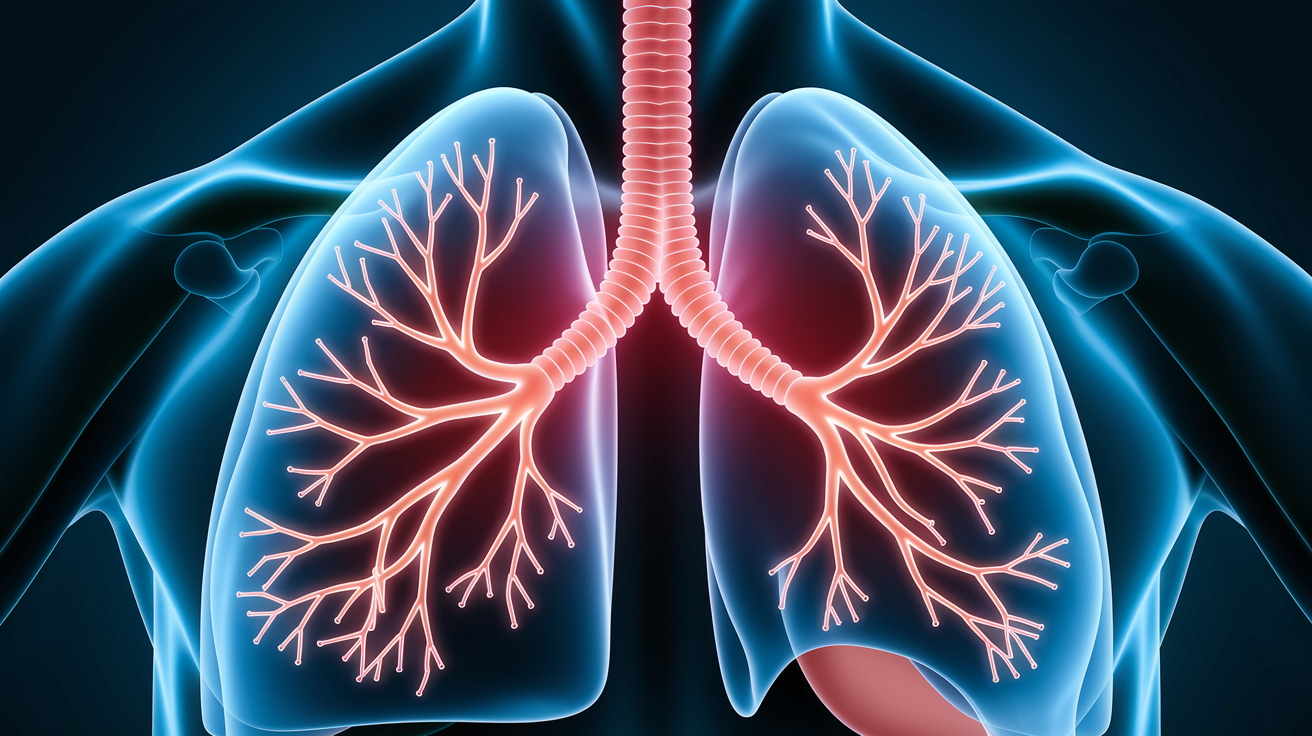
Coughing is your body’s protective reflex, controlled by a neural circuit running from your airways to your brainstem and back. Sensory nerve receptors line your trachea, bronchi, and bronchioles. When they pick up mechanical stretch, a chemical change, or a temperature shift, they fire signals along the vagus nerve to the cough center in your medulla oblongata. Your brainstem processes the input, and if the stimulus crosses a threshold, it sends motor commands to your diaphragm, abdominal muscles, and vocal cords to produce a cough. The whole loop takes less than a second.
Deep inhalation changes the mechanical environment inside your chest. Your lungs expand more than they do during shallow breathing, pulling the airway walls outward and activating stretch-sensitive receptors. In a healthy airway with nothing irritating it, that stretch stays below the cough threshold. If receptors are already primed by inflammation, dryness, or mucus, the extra stretch tips them over and your brainstem fires a cough command.
How the Cough Reflex Pathway Responds to Lung Expansion
The receptors most sensitive to stretch are called rapidly adapting receptors (RARs) and C-fibers. RARs respond to sudden mechanical distortion, like the sharp stretch that happens when you take a fast, deep breath. C-fibers respond to inflammatory chemicals and temperature changes but also react to large-volume inhalation when the airway wall’s already sensitized. Both receptor types feed into the same brainstem circuit. That’s why a deep breath can trigger cough through multiple pathways at once, especially if your airways are irritated or inflamed from something else. The brainstem doesn’t care whether stretch came from a deep breath or from mucus. It only detects that the threshold got crossed and starts the cough sequence.
Common Everyday Triggers That Make Deep Breaths Cause Coughing

Real environments are full of irritants that only become obvious when you inhale deeply. Cooking smoke from searing meat or burning oil can drift into your airway unnoticed during shallow breathing but provoke immediate coughing when you take a full breath. Campfire smoke, secondhand cigarette smoke, and exhaust fumes work the same way. Strong fragrances in candles, air fresheners, perfumes, or cleaning sprays release volatile organic compounds that stimulate nerve endings when inhaled in bigger volumes.
Cleaning products with ammonia, bleach, or chlorine produce fumes that irritate the mucous membranes lining your nose, throat, and airways. A quick shallow breath might not deliver enough irritant to cross the cough threshold. But a deep inhalation pulls concentrated fumes farther down the bronchial tree and triggers an immediate response. Cold outdoor air in winter can do the same thing, especially if you step outside from a warm building and take your first deep breath of the day. Dry indoor heat from forced-air furnaces or space heaters can parch the airway lining, making deep breaths feel scratchy and cough-provoking.
Allergen-laden environments add another layer. Dust mites, pet dander, pollen, and mold spores settle on surfaces and go airborne when disturbed. Taking a deep breath in a dusty room or near a pet pulls those particles into contact with inflamed or sensitized airways, prompting an instant cough. Common trigger situations:
- Cooking at high heat with oil or spices that produce visible smoke
- Standing near a campfire or wood stove
- Walking into a recently cleaned bathroom or kitchen where bleach or ammonia fumes are still hanging around
- Entering a cold parking lot or stepping outside on a winter morning
- Sitting in a room with low humidity and forced-air heat running constantly
Medical Conditions That Can Cause Coughing When Taking Deep Breaths

Several respiratory and non-respiratory conditions make airways more reactive to the mechanical stimulus of a deep breath. Asthma, infections, chronic bronchitis, and reflux each produce inflammation, mucus, or nerve sensitization that lowers the threshold for cough. Recognizing the symptom pattern that comes with each condition helps narrow the cause and figure out what to do next.
Asthma and Airway Hyperreactivity
Asthma inflames and narrows your small airways, making them hypersensitive to triggers like cold air, exercise, allergens, and deep inhalation. A lot of people with asthma notice that taking a full breath triggers a dry cough or wheeze, even when their day-to-day breathing feels normal. The inflammation swells the airway lining and ramps up mucus production. The extra stretch from a deep breath activates sensitized receptors. Asthma-related cough often comes with a tight feeling in your chest, occasional wheeze, or shortness of breath during activity. Inhaled bronchodilators and anti-inflammatory medications reduce airway swelling and hyperreactivity, making deep breaths less likely to provoke coughing.
Respiratory Infections (Cold, Flu, Bronchitis, Pneumonia)
Viral upper respiratory infections irritate your throat and trachea, leaving them raw and hypersensitive for days to weeks after other symptoms clear. A lingering post-viral cough triggered by deep breaths is common after colds and flu. Acute bronchitis inflames your bronchial tubes and increases mucus production. Deep inhalation shifts that mucus and provokes coughing to clear it. Bacterial pneumonia fills alveoli with fluid and pus, reducing lung capacity and making deep breaths painful or cough-inducing. Pneumonia usually brings high fever, sharp chest pain with breathing, and thick or discolored sputum. Any infection that produces mucus or inflames the airway lining will make deep breaths more likely to trigger a cough until the inflammation resolves.
Chronic Bronchitis and COPD
Chronic bronchitis, often part of chronic obstructive pulmonary disease (COPD), causes long-term airway inflammation, excess mucus, and persistent cough. Smoking and long-term pollutant exposure are the main causes. The damaged airways are permanently sensitized, so even moderate increases in airflow from a deep breath can dislodge mucus and stimulate cough receptors. People with COPD often describe a “smoker’s cough” that gets worse in the morning or after exertion. Deep breathing during physical activity or cold-weather exposure makes the cough more pronounced. Treatment focuses on inhaled bronchodilators, anti-inflammatory inhalers, pulmonary rehabilitation, and smoking cessation to slow disease progression.
GERD and Reflux-Related Cough
Gastroesophageal reflux disease lets stomach acid rise into your esophagus and, in some cases, reach your lower throat and airway. The acid irritates nerve endings, making airways hypersensitive to mechanical stimuli like deep inhalation. Reflux-related cough is often dry, worse after meals or when lying flat, and may happen without classic heartburn. Taking a deep breath after eating or bending over can trigger immediate coughing because the increased abdominal pressure from diaphragm movement pushes more acid upward. Proton-pump inhibitors, dietary changes, and positional adjustments (elevating the head of the bed, avoiding late meals) reduce acid exposure and improve symptoms over weeks to months.
When Deep Breath Coughs Are a Sign to Seek Medical Care

Most deep-breath-triggered coughs go away within a week as the irritant clears or the infection improves. Persistent or severe symptoms need medical evaluation to rule out conditions that need specific treatment. A cough that happens every time you take a deep breath for more than a week, or that gradually gets worse, suggests ongoing airway inflammation, infection, or another process that won’t clear on its own.
Chronic cough lasting more than eight weeks needs systematic evaluation because it can point to undiagnosed asthma, reflux, postnasal drip, or less common conditions like interstitial lung disease or heart failure. Get immediate care if you experience any of these urgent signs:
- Severe shortness of breath that doesn’t improve with rest or that makes it hard to speak in full sentences
- Sharp or crushing chest pain, especially if it radiates to your arm, jaw, or back
- Fever above 101°F lasting more than a couple of days or coming with chills and fatigue
- Coughing up blood (hemoptysis), even if it’s just streaks in mucus
Even without red-flag symptoms, schedule an appointment if your cough interferes with sleep or daily activities, or if you notice unintentional weight loss, enlarged lymph nodes, or oxygen saturation readings below 95% on a home pulse oximeter. Early diagnosis improves outcomes for treatable conditions and prevents progression.
Diagnostic Tests Used When Deep Breaths Trigger Coughing

When a clinician evaluates persistent cough triggered by deep breathing, the history and physical exam guide which tests to order. The provider will ask about symptom duration, sputum color and consistency, environmental exposures, smoking history, medication use (ACE inhibitors can cause chronic cough), and related symptoms like wheeze, heartburn, or nasal congestion. Listening to your lungs helps detect wheeze, crackles, or diminished breath sounds that point toward specific conditions.
First-line tests typically include a chest X-ray to rule out pneumonia, masses, or structural abnormalities. Spirometry measures how much air you can exhale and how fast, revealing airflow obstruction typical of asthma or COPD. If asthma’s suspected but spirometry is normal, a methacholine challenge test can detect airway hyperreactivity. Sputum analysis identifies bacterial infections or eosinophils that suggest allergic inflammation. Allergy testing helps when environmental triggers are suspected.
| Test | What It Evaluates |
|---|---|
| Chest X-ray | Detects pneumonia, lung masses, structural changes, or fluid |
| Spirometry | Measures airflow obstruction and lung capacity; screens for asthma and COPD |
| Sputum culture | Identifies bacterial pathogens or inflammatory cells (eosinophils) |
| Methacholine challenge | Detects airway hyperreactivity when spirometry is normal but asthma is suspected |
If initial tests come back negative and symptoms persist, a CT scan of the chest provides more detailed imaging. Upper endoscopy or pH monitoring may be ordered if reflux is suspected but not responding to initial treatment. The diagnostic approach is stepwise, starting with the most common and treatable causes before moving to advanced testing.
Home Remedies and Self-Care Strategies for Cough Triggered by Deep Breaths

When deep-breath coughing is mild and recent, home measures often provide relief while the underlying irritation resolves. A humidifier adds moisture to dry indoor air, preventing the airway lining from drying out and becoming hypersensitive. Aim for indoor humidity between 30 and 50 percent. Steam inhalation from a hot shower or bowl of hot water can soothe irritated airways temporarily. Skip steam if it triggers more coughing.
Saline nasal irrigation rinses postnasal drip from the back of your throat, reducing mucus that can trigger cough when it shifts during deep breathing. Drinking warm fluids like herbal tea or broth keeps mucus thin and easier to clear. Throat lozenges and sugar-free hard candy stimulate saliva production, coating your throat and suppressing the cough reflex. Over-the-counter expectorants like guaifenesin help thin mucus, while antitussives like dextromethorphan can calm a dry cough. Follow package directions and check with a pharmacist if you take other medications or manage chronic conditions.
Environmental adjustments make a real difference. Strategies that reduce airway irritation:
- Running a cool-mist humidifier at night, especially during winter months when indoor heating dries the air
- Avoiding exposure to smoke, strong perfumes, and cleaning product fumes
- Wearing a scarf or mask over your nose and mouth in cold outdoor air
- Keeping your home allergen-free by vacuuming with a HEPA filter, washing bedding weekly in hot water, and reducing clutter that traps dust
- Staying hydrated throughout the day to keep mucus thin
- Elevating the head of your bed by six inches if reflux symptoms come with the cough
These measures are low-risk and can be started right away while you monitor symptoms. If coughing continues beyond a week or gets worse, medical evaluation is the next step.
Treatment Options When an Underlying Condition Causes Deep Breath Coughing

When a specific medical condition is identified, treatment targets the root cause to reduce airway sensitivity and inflammation. Asthma gets managed with inhaled bronchodilators (albuterol, levalbuterol) for quick relief and inhaled corticosteroids (fluticasone, budesonide) for long-term control. These medications reduce airway swelling and hyperreactivity, making deep breaths less likely to provoke coughing.
Bacterial respiratory infections need antibiotics when confirmed by sputum culture or clinical presentation. Viral infections don’t respond to antibiotics. Supportive care with rest, fluids, and symptom management is the standard approach. Chronic bronchitis and COPD get treated with long-acting bronchodilators, inhaled steroids, pulmonary rehabilitation, and smoking cessation programs. Postnasal drip and allergic rhinitis respond to antihistamines, nasal corticosteroid sprays, and allergen avoidance. GERD-related cough improves with proton-pump inhibitors or H2 blockers, dietary modifications (avoiding caffeine, chocolate, alcohol, fatty foods), and positional changes (eating at least three hours before lying down).
Medication Classes Commonly Used in Deep-Breath-Triggered Cough
Short-acting beta-agonists relax airway smooth muscle within minutes, giving immediate relief for asthma or bronchospasm. Inhaled corticosteroids reduce chronic inflammation over days to weeks. Leukotriene modifiers (montelukast) block inflammatory pathways in allergic asthma. Expectorants thin mucus to make it easier to cough up, while antitussives suppress the cough reflex itself. They’re useful for dry, non-productive coughs that disrupt sleep. Reflux medications reduce stomach acid production, lowering the chance that acid will irritate your airways. ACE inhibitor-induced cough goes away within weeks of switching to an alternative blood pressure medication like an angiotensin receptor blocker. Behavioral cough suppression therapy teaches techniques to interrupt the cough reflex cycle and gets used when no identifiable organic cause is found despite thorough evaluation.
Breathing Techniques to Reduce Coughing During Deep Inhalation

Adjusting how you breathe can reduce the mechanical stimulus that triggers coughing. Rapid, deep gasps pull a large volume of air in quickly, stretching airways abruptly and activating cough receptors. Slower, controlled inhalation spreads the same volume over a longer time, reducing peak stretch and irritant contact. Diaphragmatic breathing focuses on expanding your abdomen rather than your chest, creating a gentler pressure change and less airway distortion.
Pursed-lip breathing, commonly taught in pulmonary rehabilitation, involves inhaling slowly through your nose and exhaling through pursed lips as if blowing out a candle. This technique keeps airways open longer and cuts down on the turbulence that can dislodge mucus or irritate sensitive linings. Paced breathing uses a count (inhale for four, hold for two, exhale for six) to slow your respiratory rate and reduce reflex coughing triggered by sudden changes in lung volume. Techniques that help:
- Inhaling slowly and steadily through your nose over four to five seconds instead of taking a quick, full breath
- Practicing diaphragmatic breathing by placing one hand on your chest and one on your abdomen, focusing on lifting the abdomen hand while keeping the chest hand still
- Using pursed-lip exhalation to maintain gentle back-pressure in your airways and prevent collapse or irritation
- Taking shallow breaths for a minute or two after exposure to a known irritant, then gradually deepening breaths as the urge to cough fades
These techniques are especially useful during physical activity, cold-weather exposure, or stressful situations that trigger rapid breathing. Practicing them daily builds muscle memory so they become automatic when you need them.
Long-Term Prevention Strategies for Recurring Cough During Deep Breaths

Preventing recurrent deep-breath coughs starts with identifying and reducing your personal triggers. If smoke provokes coughing, avoid environments where people are smoking and get rid of indoor sources like candles or incense. If cold air is the trigger, cover your nose and mouth with a scarf before stepping outside, allowing the air to warm slightly before it reaches your airways. If dry indoor air is the problem, maintain consistent humidity and stay hydrated year-round.
Smoking cessation is the single most effective step for anyone who smokes or vapes. Tobacco and e-cigarette aerosols chronically inflame airways, making every deep breath a potential cough trigger. Quitting reverses much of that inflammation over months to years, reducing cough frequency and severity. Allergy management with regular use of nasal steroids or antihistamines prevents postnasal drip and the mucus buildup that provokes coughing during deep inhalation. Vaccinations for influenza and pneumococcal pneumonia cut the risk of respiratory infections that leave airways hypersensitive for weeks.
Prevention habits that reduce the chance of recurring symptoms:
- Avoiding known environmental irritants like smoke, strong fragrances, and chemical fumes
- Quitting smoking or vaping and avoiding secondhand smoke exposure
- Drinking enough water daily to keep mucus thin and airways hydrated
- Using a humidifier during winter months or in dry climates to maintain airway moisture
- Managing underlying conditions like asthma, reflux, and allergies with consistent medication adherence and regular follow-up appointments
Tracking patterns in a symptom diary helps identify less obvious triggers like specific foods, weather changes, or activities. Share that information with your clinician to refine your prevention plan and adjust treatment as needed.
Final Words
If a deep breath makes you cough, common causes are sensitive airway nerves, moved mucus, or triggers like cold air and smoke. The post explains the quick reasons and the deeper reflex behind it.
You also saw when to seek care — severe shortness of breath, chest pain, fever, or coughing blood — and what tests and simple self-care might help.
If taking deep breaths makes me cough, track timing and triggers and share them with your clinician. Most people get better with simple steps and the right care.
FAQ
Q: Why do I cough when I take deep breaths or can’t take a deep breath without coughing?
A: Coughing when you take deep breaths or being unable to inhale without coughing happens because deep inhalation can stretch airway nerves, move mucus, or trigger sensitive airways from irritants, cold air, or reflux.
Q: What does a cardiac cough feel like?
A: A cardiac cough feels like a persistent, often wet cough with breathlessness, worse when lying flat, and sometimes producing pink, frothy sputum, which may signal heart failure and needs prompt evaluation.
Q: What does a pneumonia cough sound like?
A: A pneumonia cough sounds like a deep, often productive cough that brings up thick, green or rust-colored sputum, and usually comes with chest pain, fever, and shortness of breath.