

Think a nighttime cough is harmless? It often points to clear causes you can treat, like postnasal drip, acid reflux, asthma, allergies, or a side effect of medication.
Lying flat makes mucus and stomach acid move differently, and dry or dusty bedroom air can keep a cough going all night.
This post breaks down the main reasons adults cough more at night, offers simple steps you can try at home, and explains red flags that mean you should see a clinician.
Key Reasons Adults Cough More at Night

Lying flat changes how your body handles mucus and stomach contents. That shift often turns a mild daytime cough into a disruptive nighttime problem. When you stand or sit, gravity helps drain mucus from your sinuses and throat downward into your stomach. At night, in a horizontal position, that same mucus pools in the back of your throat, triggering your cough reflex over and over.
Stomach acid also behaves differently when you’re lying down. The lower esophageal sphincter (the muscle that usually keeps acid in your stomach) relaxes more easily in a flat position. Acid can creep up into your esophagus and throat, irritating the sensitive tissues and causing a dry, nagging cough. The air in your bedroom during winter tends to be warm and dry from heating systems, which thickens secretions in your airways and makes them harder to clear.
Your sleep environment plays a role too. Dust mites, pet dander, and other allergens concentrate in bedding and bedroom air. Breathing those irritants for hours can inflame your airways and keep a cough going all night. If you notice your cough improves during the day or when you’re upright, positioning and environment are likely part of the problem.
Symptoms that help point to the cause:
- Frequent throat clearing or wet cough with mucus often means postnasal drip.
- Dry cough with heartburn or sour taste suggests acid reflux.
- Wheezing, chest tightness, or shortness of breath points toward asthma.
- Sneezing, itchy eyes, or nasal congestion indicates allergies.
- Cough that starts only when lying down commonly links to reflux or mucus pooling.
Postnasal Drip as a Major Nighttime Cough Cause

Postnasal drip happens when mucus from your sinuses trickles down the back of your throat. During the day, you swallow that mucus without noticing. At night, when you’re lying flat, mucus collects in your throat and airway instead of draining smoothly. Your body coughs to clear it. Chronic sinusitis, seasonal allergies, and even a lingering cold can all produce the constant mucus flow that keeps you coughing once your head hits the pillow.
You’ll often feel the need to clear your throat repeatedly, and the cough itself usually sounds wet or produces phlegm. Some people describe a tickle or drip sensation at the back of the throat. If you wake up with a stuffy nose or notice the cough is worse in the first few hours after lying down, postnasal drip is a strong suspect.
Common nighttime steps to reduce postnasal drip:
- Elevate your head with a wedge pillow or raise the head of your bed so mucus drains forward instead of pooling.
- Use a saline nasal rinse or neti pot before bed to flush out mucus and irritants.
- Try an over-the-counter antihistamine if allergies are contributing. Some formulas also cause drowsiness, which may help you sleep.
- Ask a pharmacist about nasal steroid sprays for ongoing sinus inflammation that doesn’t clear with rinsing alone.
GERD and Acid Reflux as Nighttime Cough Triggers

Gastroesophageal reflux disease (a condition in which stomach acid regularly flows back into the tube connecting your mouth and stomach) becomes a bigger problem at night because lying flat removes the natural barrier gravity provides. When acid moves up into your esophagus and throat, it irritates the lining and can reach the vocal cords or even the windpipe, causing a dry, persistent cough. You might not always feel classic heartburn. Some people only notice the cough, a sour or acidic taste when they wake up, or mild chest discomfort.
Severe reflux can trigger wheezing if acid droplets reach the lower airways. If you notice your cough improves when you sit up or gets worse after a late, heavy meal, GERD is likely involved. Certain foods and drinks (chocolate, coffee, alcohol, spicy dishes, and full-fat dairy) relax the lower esophageal sphincter and make reflux more likely.
Proven steps to reduce nighttime reflux:
- Avoid eating or drinking anything except water for at least 1 to 2 hours before bed so your stomach has time to empty.
- Raise the head of your bed 6 to 8 inches using blocks under the bed frame or a foam wedge pillow. Propping up with regular pillows can bend your body at the waist and actually worsen reflux.
- Skip known trigger foods in the evening, especially chocolate, caffeine, mint, fatty or fried items, and wine.
Asthma and Allergies Behind Nocturnal Cough

Asthma often gets worse at night or in the early morning hours. Lying down can make airways more sensitive. Natural drops in certain hormones during sleep may increase inflammation in the lungs. Nocturnal asthma typically brings wheezing, a feeling of chest tightness, shortness of breath, and a dry cough that wakes you up or starts as soon as you lie down. If you’ve been diagnosed with asthma and notice these symptoms more at night, mention the pattern to your clinician so they can adjust your inhaler or add a nighttime controller medication.
Allergies can trigger nighttime coughing even if you don’t have asthma. Your bedroom is full of potential allergens. Dust mites live in mattresses, pillows, and bedding. Pet dander settles on fabrics and floats in the air. Mold can grow in humid corners or on window sills. Breathing those particles for hours while you sleep inflames your nasal passages and airways, leading to congestion, postnasal drip, and coughing.
If your cough comes with sneezing, itchy or watery eyes, or a stuffy nose that clears up during the day, bedroom allergens are a likely cause. An allergist can run simple tests to confirm which triggers affect you, but you can start reducing exposure right away.
Bedroom Allergen Exposure
Dust mites are microscopic insects that feed on dead skin cells and thrive in warm, humid environments like your mattress and bedding. Pet dander (tiny flakes of skin shed by cats, dogs, and other animals) sticks to fabric and circulates in the air every time you move. Mold spores grow wherever moisture collects, especially in bathrooms, basements, or around windows with condensation. All of these allergens become more concentrated at night in your bedroom, and your prolonged exposure while sleeping keeps your airways irritated.
Steps to lower bedroom allergen levels:
- Wash all bedding, including sheets, pillowcases, and blankets, in hot water once per week to kill dust mites.
- Encase your mattress, pillows, and box spring in allergen-proof covers with a pore size small enough to block mites.
- Use a HEPA air filter in your bedroom to capture airborne particles like pet dander and pollen.
- Replace wall-to-wall carpeting with hardwood, tile, or laminate flooring and swap heavy curtains for washable blinds.
- Keep indoor humidity between 30 and 50 percent using a dehumidifier if needed. Dust mites and mold both need higher humidity to survive.
Medication, Infection, and Serious Causes of Night Cough

Certain blood pressure medications, specifically ACE inhibitors (drugs that help lower blood pressure by relaxing blood vessels), commonly cause a persistent dry cough that often feels worse at night. Examples include lisinopril, sold as Prinivil or Zestril, and enalapril, known as Vasotec. The cough usually starts a few weeks after beginning the medication and doesn’t come with other cold symptoms like a runny nose or sore throat. If you started a new blood pressure medicine and developed a nagging nighttime cough, ask your clinician whether switching to a different class of medication might help.
Respiratory infections, whether viral like the common cold or flu, or bacterial like bronchitis or pneumonia, can leave behind a lingering cough that disrupts sleep. A viral infection may clear in a week, but the cough can hang on for several more weeks as your airways heal. Bacterial pneumonia often causes fever, colored or blood-tinged sputum, chest pain, and worsening shortness of breath. If your cough started with cold symptoms but then got worse, or if you’re coughing up yellow, green, or bloody mucus, a secondary bacterial infection is possible.
More serious conditions like lung cancer or chronic heart failure can also show up as a new, persistent nighttime cough. Lung cancer may cause a cough that doesn’t go away, weight loss, chest pain, or coughing up blood. Heart failure leads to fluid backing up into the lungs when you lie down, producing a dry cough and often shortness of breath and swelling in your legs or abdomen.
| Cause | Key Symptoms | Urgent Flags |
|---|---|---|
| ACE inhibitor medication | Persistent dry cough, no other cold symptoms, started after new medication | None specific, but review with clinician if cough disrupts sleep or daily life |
| Respiratory infection (viral or bacterial) | Recent cold or flu, mucus production, possible fever | Fever over 100.4°F for more than 2 days, yellow/green/bloody sputum, worsening shortness of breath |
| Pneumonia | High fever, productive cough, chest pain with breathing, fatigue | High fever, severe shortness of breath, confusion, rapid breathing |
| Heart failure or lung cancer | New persistent cough, leg swelling, unexplained weight loss, coughing blood | Coughing up blood, severe shortness of breath, fainting, significant leg or abdominal swelling |
Environmental Irritants and Dry Air as Causes of Nighttime Cough in Adults
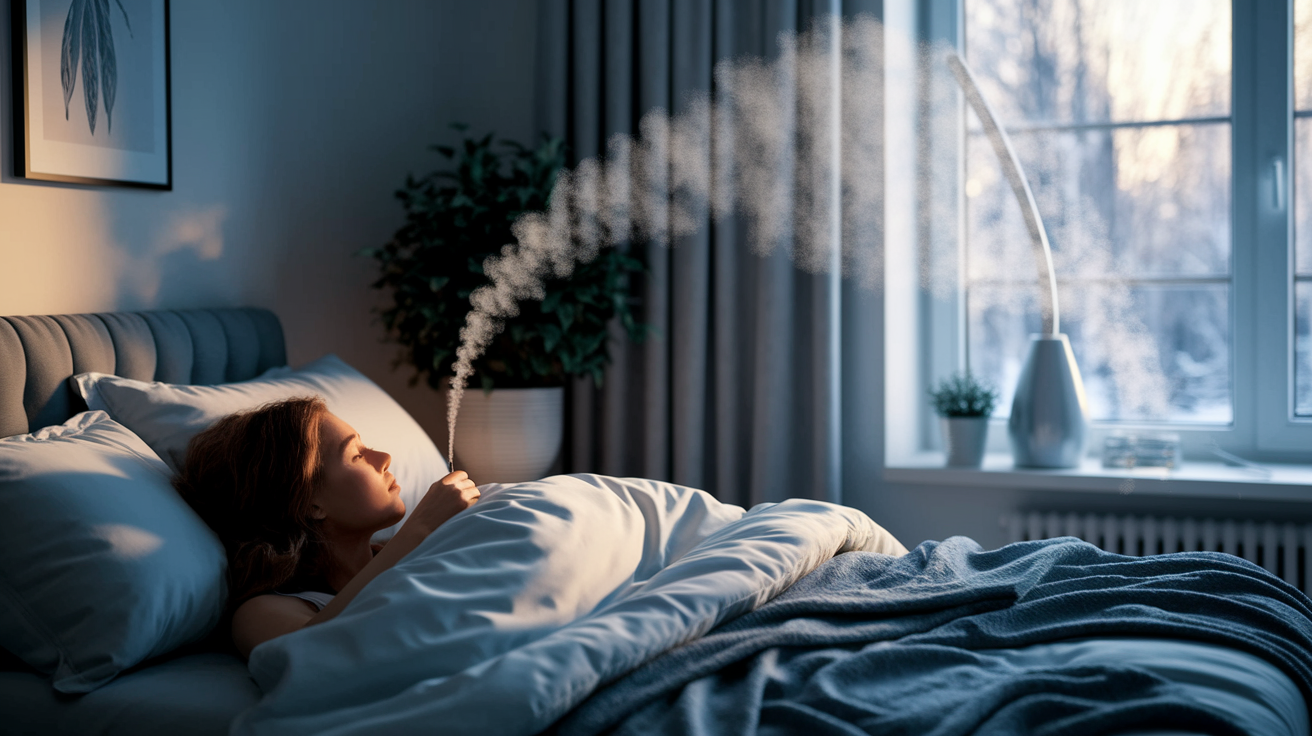
Dry indoor air is common in winter when heating systems run constantly. It can thicken the mucus in your airways, making it harder to clear and more irritating. Your throat and nasal passages also dry out, which triggers coughing. A humidifier adds moisture back into the air and can ease nighttime coughing, but it needs to be cleaned regularly and filled with sterile or distilled water to avoid spreading bacteria or mold spores into the room.
Tobacco smoke, whether you smoke yourself or breathe secondhand smoke, inflames and damages the lining of your airways. That irritation often gets worse at night when you’re lying down and your airways are more sensitive. Air pollution, strong chemical fumes from cleaning products, paint, or air fresheners, and even heavy perfumes or scented candles can all trigger or worsen nighttime coughing in sensitive individuals.
Typical environmental irritants that can cause or worsen nighttime cough:
- Tobacco smoke and secondhand smoke from cigarettes, cigars, or vaping.
- Indoor air pollution including strong cleaning chemicals, fresh paint, or aerosol sprays used near bedtime.
- Outdoor pollution or poor air quality that lingers indoors if windows are open or ventilation brings it in.
Diagnosis and Tests for Persistent Nighttime Cough in Adults

If your nighttime cough lasts more than a few weeks or comes with other worrying symptoms, your clinician will start by asking detailed questions about when the cough started, what makes it better or worse, and whether you have heartburn, nasal congestion, wheezing, or shortness of breath. They’ll listen to your lungs with a stethoscope and may check for signs of heart failure, like leg swelling or abnormal heart sounds.
Pulmonary function tests measure how well your lungs move air in and out. They’re commonly used when asthma or chronic obstructive pulmonary disease is suspected. You’ll blow into a device that records your breathing patterns, and the results show whether your airways are narrowed or inflamed. A chest X-ray can reveal pneumonia, fluid in the lungs from heart failure, lung masses, or other structural problems. Allergy testing, either through skin pricks or blood tests, helps identify specific triggers if bedroom allergens seem to be the cause.
In many cases, especially when GERD or postnasal drip is likely, clinicians may try a trial treatment first. You might take an acid-suppressing medication like omeprazole (also sold as Prilosec) for about a month to see if reducing stomach acid stops the cough. If that doesn’t help, a trial of medications that dry up or thin mucus might be next. This step-by-step approach often finds the cause without needing invasive tests right away.
Practical Nighttime Relief Strategies Adults Can Use

Simple changes to your sleep setup and evening routine can make a big difference. Elevating the head of your bed helps with both reflux and postnasal drip by using gravity to keep mucus and stomach acid where they belong. You can raise the bed frame with blocks under the legs at the head end, or use a wedge-shaped foam pillow. Stacking regular pillows doesn’t work as well because it can bend your body at the waist and actually increase pressure on your stomach.
Using a humidifier adds moisture to dry bedroom air and can thin mucus so it’s easier to clear, but safe use is critical. Fill the humidifier with sterile, distilled, or previously boiled and cooled water, and clean it daily according to the manufacturer’s instructions. Contaminated water can cycle bacteria or mold into the air and worsen respiratory symptoms or even cause infections. Warm fluids like decaffeinated herbal tea or warm water before bed can soothe your throat, and honey has been shown in research to provide symptomatic relief for coughs. Try 1 to 2 teaspoons of honey on its own or stirred into a warm caffeine-free drink. Don’t give honey to children under 1 year old.
Practical steps to try tonight:
- Raise the head of your bed 6 to 8 inches or use a wedge pillow to reduce reflux and help mucus drain.
- Stop eating and drinking at least 1 to 2 hours before lying down to give your stomach time to empty.
- Run a clean humidifier with sterile or distilled water to add moisture to the air.
- Keep a glass of water and cough drops on your nightstand so you can sit up and sip or suck a lozenge if you wake coughing.
- Rinse your nasal passages with saline spray or a neti pot before bed to clear mucus and allergens.
- Take 1 to 2 teaspoons of honey or mix it into a cup of warm herbal tea for throat soothing.
- Try an over-the-counter nighttime cough medicine that may contain an antihistamine like diphenhydramine, which dries secretions and causes drowsiness. Check with a pharmacist if you take other medications or have health conditions.
- Sleep on your side instead of your back if reflux or asthma symptoms seem worse when lying flat.
When an Adult Nighttime Cough Needs Medical Attention

A cough that lasts more than a few weeks, even if you don’t feel sick otherwise, should be checked by a clinician. Lingering coughs can be caused by asthma, GERD, medication side effects, or early signs of a more serious condition. If your cough started recently and is mild, try the self-care steps above for a week or two. If it doesn’t improve or it’s interfering with your sleep and daily life, make an appointment.
Certain symptoms mean you should seek care sooner, sometimes the same day or immediately. A fever above 100.4°F that lasts more than 2 days suggests an infection that may need antibiotics. Coughing up blood, even small streaks, or mucus that is yellow, green, or rust-colored and increasing in amount can indicate pneumonia or another lung infection. Shortness of breath, chest pain, or fainting are red flags that require urgent evaluation. Swelling in your legs, ankles, or abdomen along with a new nighttime cough can be a sign of heart failure and needs prompt medical attention.
Red flags that mean see a doctor soon or seek urgent care:
- Fever of 100.4°F or higher lasting more than 2 days
- Coughing up blood or bloody mucus
- Shortness of breath, wheezing, or chest tightness that’s new or getting worse
- Chest pain, especially with breathing or coughing
- Cough causing vomiting or severe gagging
- Swelling in your legs, ankles, or abdomen, or unexplained weight loss
Final Words
Nighttime coughs often stem from postnasal drip, reflux (acid backup), asthma, infections, medicines, or dry, polluted air. Many causes are common and treatable.
You also saw simple fixes to try at home and the tests a clinician may use if symptoms persist. Track when the cough happens, what makes it worse, and any warning signs.
If your cough doesn’t improve or you notice red flags, make an appointment. Knowing the likely nighttime cough causes adults can help you take calm, practical next steps toward better sleep.
FAQ
Q: How do I stop uncontrollable coughing at night?
A: To stop uncontrollable coughing at night, try elevating your head, using a humidifier, sipping warm fluids or honey, and treating reflux or postnasal drip; see a clinician if it lasts or worsens.
Q: What causes coughing that gets worse at night?
A: Nighttime coughing gets worse because lying flat lets mucus or stomach acid reach the throat, dry bedroom air thickens secretions, and allergens or airway inflammation act more at night.
Q: Could acid reflux cause nighttime cough?
A: Acid reflux can cause nighttime cough because lying down lets stomach acid flow back into the throat, often producing a dry cough, heartburn, or sour taste that wakes you.
Q: Can allergies or postnasal drip make me cough at night?
A: Postnasal drip or allergies can make you cough at night by letting mucus pool in the throat when you recline, causing throat clearing, wet cough, or a tickle that triggers coughing.
Q: What home remedies help reduce night cough?
A: Home remedies that reduce night cough include elevating the head, using a clean humidifier, saline nasal rinse, warm drinks or honey, and avoiding late meals or known allergens before bed.
Q: Can dry air or bedroom irritants cause night coughing?
A: Dry air and bedroom irritants like dust mites, pet dander, smoke, or chemical fumes can irritate airways and worsen night coughing; removing triggers and using a humidifier or HEPA filter often helps.
Q: Could asthma or medications cause a nighttime cough?
A: Asthma can cause nighttime cough with wheeze or tightness, and some medicines—ACE inhibitors—can cause a dry cough; mention these to your clinician for testing or medication review.
Q: When should I see a doctor for a nighttime cough?
A: See a clinician if your nighttime cough lasts more than a few weeks, produces blood, causes shortness of breath, chest pain, fever over 100.4°F for 48 hours, or leads to weight loss or vomiting.